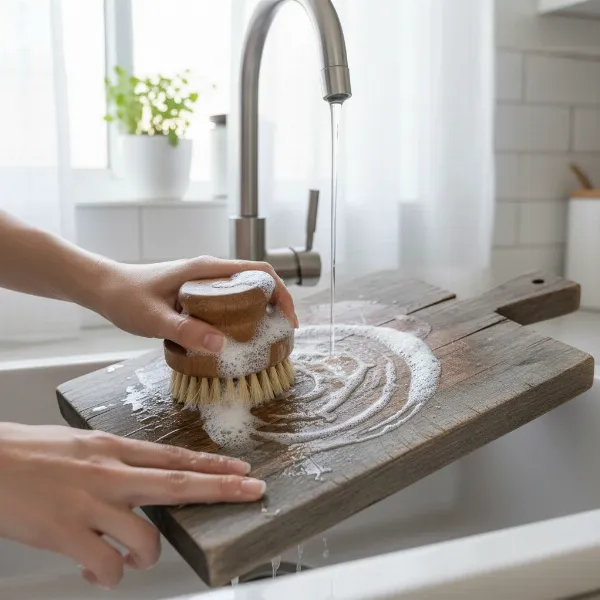
There’s nothing quite like the warmth and character a wooden cutting board brings to a kitchen. Yet, the joy of cooking can quickly fade when your beloved board starts emitting an unwelcome odor, whether it’s the lingering scent of garlic, onion, or last night’s fish. Due to wood’s naturally porous nature, these culinary ghosts can cling stubbornly. But don’t despair! With the right approach and a few simple solutions, you can restore your wooden cutting board to its fresh, hygienic best and ensure it remains a workhorse in your kitchen for years to come.
Understanding Why Wooden Cutting Boards Trap Odors
Why does your beautiful wooden cutting board sometimes smell less than appealing? The answer lies in the very nature of wood itself. Unlike non-porous materials, wood is naturally absorbent, making it susceptible to trapping moisture, food particles, and oils within its grains. Over time, these absorbed elements can break down, leading to the release of unpleasant smells.
Certain strong-smelling ingredients are particular culprits. Garlic, onions, pungent spices, fish, and raw meat juices can deeply penetrate the wood’s surface. If the board isn’t cleaned promptly and thoroughly after preparing these foods, their aromas can become embedded, creating persistent odors that simple washing won’t eliminate. Improper cleaning habits further exacerbate the problem; skipping a good scrub or allowing the board to remain wet after use invites bacteria and food particles to settle deeper into the wood, intensifying the smell and making the board less sanitary.
Effective Natural Remedies to Eliminate Odors
Before reaching for harsh chemicals, explore these highly effective natural solutions that leverage everyday household ingredients to neutralize and remove bad smells from your wooden cutting board. These methods are gentle on your board and safe for your kitchen.
Lemon and Salt Scrub
|
Our Picks for the Best Wooden cutting board in 2026
As an Amazon Associate I earn from qualifying purchases.
|
||
| Num | Product | Action |
|---|---|---|
| 1 | Greener Chef Luxury XL Bamboo Cutting Board Set of 3 with Vertical Grain Strength Technology - Extra Large Wood Cutting Boards for Kitchen and Lightweight Chopping Board Set - Replacements for Life |

|
| 2 | Keechee Bamboo Cutting Board, Durable Wood Cutting Boards for Kitchen with Deep Juice Grooves & Built-in Handles, Ideal Charcuterie & Chopping for Meat, Vegetables and Fruits Ideal Kitchen Gifts |
|
| 3 | Extra Large Cutting Board, 17.6" Bamboo Cutting Boards for Kitchen with Juice Groove and Handles Kitchen Chopping Board for Meat Cheese board Heavy Duty Serving Tray, XL, Empune |
|
| 4 | Astercook Deep-Carbonized Bamboo Cutting Boards for Kitchen with Wood Storage Stand, Reversible Charcuterie & Chopping Boards with Juice Grooves and Easy-Grip Handles, Knife-Friendly, Kitchen Gift |
|
| 5 | Freshware Bamboo Cutting Board Set of 3, Wooden Cutting Boards for Kitchen, Knife Friendly Food Grade Chopping Board, Lightweight with Hanging Hole for Easy Storage |
|
| 6 | 3-Piece Set Bamboo Cutting Board for Kitchen - Crack-Resistant Wood Chopping Boards with Deep Juice Grooves, Pre-Oiled Butcher Block for Meat, Vegetables & Cheese, Carbonized |
|
| 7 | Premium Cutting Board Set – Non-Toxic Carbonized Bamboo & Wooden Cutting Boards for Kitchen Meal Prep, Durable Butcher Block for Meat with Side Handles, Juice Groove, Charcuterie & Chopping (3 Pcs) |
|
| 8 | Allsum Bamboo Wood Cutting Board for Kitchen, 1" Thick Butcher Block, Cheese Charcuterie Board, with Side Handles and Juice Grooves, 16x11" |
|
| 9 | Bamboo Cutting Board for Kitchen, 18" Large Wood Charcuterie Cheese Board, Wooden Chopping Block with Side Handles and Juice Grooves |
|
| 10 | Kikcoin 17”×11” Bamboo Cutting Boards for Kitchen, Healthy Wooden Cutting Boards for Kitchen, Charcuterie, Vegetables, Cheese, Extra Large Chopping Boards with Deep Juice Groove and Handle, Natural |
|
The combination of lemon and salt is a classic for a reason. Lemon’s natural acidity and deodorizing properties work to break down odor molecules, while coarse salt acts as a gentle abrasive, helping to lift trapped food particles and grime from the wood’s surface.
To use this method, sprinkle a generous amount of coarse salt evenly over your cutting board. Cut a lemon in half and use the cut side to scrub the salt into the board in circular motions. Focus extra attention on any areas with particularly strong odors or visible stains. After scrubbing for a few minutes, let the mixture sit for 5-10 minutes. Rinse the board thoroughly with warm water, ensuring all salt and lemon residue is removed, then dry it immediately and completely.
Baking Soda Paste
Baking soda is a powerhouse when it comes to absorbing and neutralizing odors. Its alkaline nature helps draw out absorbed oils and food particles that are often responsible for lingering smells.
To create a baking soda paste, mix 2-3 tablespoons of baking soda with a small amount of water, gradually adding water until you achieve a thick, spreadable consistency. Spread this paste evenly across the entire surface of your wooden board. Using a soft brush or sponge, gently scrub the paste into the wood grain. Allow the paste to sit for 10-15 minutes, giving it time to work its magic. Finally, scrape off the paste, rinse the board briefly but thoroughly with warm water, and dry it immediately with a clean towel.
White Vinegar Solution
White vinegar is an excellent natural disinfectant and odor neutralizer, thanks to its acetic acid content. It effectively combats bacteria and helps cut through grease and lingering smells.
For general deodorizing, mix equal parts white vinegar and water in a bowl. Dip a clean cloth or sponge into the solution and wipe down both sides of your cutting board thoroughly. For more pungent odors, you can let the solution sit on the board for 2-3 minutes. It’s crucial not to soak the board for extended periods, as this can lead to warping or cracking. Rinse the board immediately with warm water and dry it completely afterward.
Sun Drying
The sun’s natural ultraviolet rays are a fantastic, free disinfectant. Sunlight helps kill bacteria and encourages the evaporation of any lingering moisture deep within the wood, which significantly reduces odors.
After you’ve washed and rinsed your cutting board, place it in direct sunlight for a few hours. Make sure both sides of the board are exposed to the sun to ensure even drying and deodorizing. This method is particularly effective after a deep clean, helping to air out the board naturally.
Activated Charcoal or Coffee Grounds
Both activated charcoal and dry coffee grounds are well-known for their exceptional ability to absorb and neutralize strong odors. This method is ideal for tackling stubborn, deeply ingrained smells over a longer period.
To use this, place your smelly cutting board in a large, sealable bag. Add a small bowl of activated charcoal (the kind used for water filters or air purifiers, not barbecue charcoal) or a handful of dry, used coffee grounds to the bag. Seal the bag tightly, ensuring an airtight environment, and leave it overnight, or for up to 24 hours. The charcoal or coffee grounds will absorb the unwanted smells, leaving your board much fresher.
Deeper Cleaning Methods for Stubborn Smells
Sometimes, everyday solutions aren’t enough for those truly stubborn odors that cling to your board. For such cases, more intensive cleaning methods can be employed, always with care to protect your wood.
Mild Dish Soap and Warm Water
For daily cleaning and to prevent odor buildup, a simple wash with mild dish soap and warm water is essential. This method effectively removes surface oils and food particles, cutting through grease and grime without stripping the wood of its natural oils.
After each use, scrape off any food debris with a bench scraper or spatula. Add a few drops of mild, unscented dish soap to warm water and use a soft sponge or dishcloth to gently scrub both sides and the edges of the board. Rinse thoroughly with clean, warm water to remove all soap residue. Remember, do not let the board soak in water, and never put it in a dishwasher. Immediately dry the board with a clean towel and allow it to air dry completely, ideally standing upright.
Hydrogen Peroxide (with caution)
Hydrogen peroxide is a potent deodorizer and disinfectant that can tackle tough odors and sanitize the board. However, it should be used sparingly and with caution, as it can be drying to the wood if overused.
To use hydrogen peroxide, dilute it with an equal amount of water (e.g., 3% hydrogen peroxide solution mixed 1:1 with water). Soak a clean cloth in this diluted solution and wipe down the board thoroughly. Let the solution sit on the board for 5-10 minutes to allow it to work. Rinse the board completely with warm water and dry it immediately. Always follow up with conditioning oil if the board feels rough or dry after this treatment to restore moisture.
Specialized Cutting Board Cleaners
For those who prefer a dedicated product, specialized cutting board cleaners are formulated to clean, deodorize, and often condition wooden surfaces without causing damage. These are typically made with food-safe ingredients designed to break down odors and bacteria while being gentle on the wood.
Apply a small amount of the specialized cleaner to your board according to the product instructions. Scrub with a soft sponge or brush, focusing on any areas with strong odors or stains. Rinse thoroughly with warm water and dry the board immediately. These cleaners can be an excellent option for maintaining hygiene and extending the life of your board.
A Step-by-Step Guide to Deodorizing Your Board
When facing a smelly wooden cutting board, a multi-pronged approach often yields the best results. Here’s how to combine effective methods for optimal freshness:
- Initial Clean: Begin by scraping off all food debris. Wash the board thoroughly with warm water and a few drops of mild dish soap, scrubbing both sides with a soft sponge. Rinse quickly and dry with a towel.
- Apply a Deodorizing Paste: Choose either the lemon and salt scrub or the baking soda paste. Apply your chosen paste generously and scrub it into the wood, focusing on problem areas. Let it sit for 5-15 minutes, depending on the severity of the odor.
- Rinse Thoroughly: Rinse the board completely with warm water, ensuring no residue remains.
- Vinegar Wipe (Optional for stubborn odors): For persistent smells or added sanitization, wipe the board down with a 1:1 white vinegar and water solution. Let it sit for 2-3 minutes, then rinse again briefly.
- Sun Dry or Air Out: Dry the board immediately with a clean cloth. If possible, place it in direct sunlight for a few hours, or let it air dry completely by standing it upright in a well-ventilated area.
- Re-season: Once the board is completely dry, apply a generous coat of food-grade mineral oil or cutting board conditioner to nourish the wood and create a protective barrier against future odors. Allow it to soak in overnight, then wipe off any excess.
Essential Tips for Preventing Future Odors
Prevention is always better than cure, especially when it comes to keeping your wooden cutting board smelling fresh. Incorporating these simple habits into your kitchen routine can significantly reduce the likelihood of odor buildup.
Regular Seasoning with Food-Grade Oil
One of the most crucial steps in preventing odors is regularly seasoning your wooden cutting board with food-grade mineral oil or a butcher block conditioner. This oil penetrates the wood fibers, creating a protective barrier that repels moisture and prevents food particles and oils from soaking in. Apply a generous amount of oil with a clean cloth every few weeks, letting it absorb overnight before wiping off any excess. This keeps the wood hydrated, tightens the grain, and makes it less susceptible to odor absorption.
Use Separate Boards for Different Foods
Cross-contamination and odor transfer are common issues in the kitchen. To avoid transferring strong smells from, say, raw meat or onions to fruits and vegetables, designate separate cutting boards for different food categories. Consider color-coding or labeling your boards for easy identification. This not only prevents odors but also promotes better food safety practices.
Clean Immediately After Use
Don’t let food residues or juices sit on your wooden board for extended periods. The longer they remain, the deeper they penetrate the wood, increasing the chance of odor formation. As soon as you finish using your board, scrape off any large debris, rinse it with warm water and mild dish soap, and dry it thoroughly. Quick cleaning prevents food particles from soaking in and setting up shop.
Protect the Surface from Pungent Foods
For particularly strong-smelling ingredients like garlic, fish, or hot peppers, consider adding an extra layer of protection. Placing a small silicone mat, parchment paper, or even a piece of plastic wrap on your wooden board before cutting these items can prevent direct contact and significantly reduce odor absorption. Once done, simply discard the protective layer.
Proper Storage
How you store your cutting board plays a vital role in preventing odors. Moisture is the enemy of wood, encouraging bacterial growth and unpleasant smells. Always store your board in a dry, well-ventilated area. Avoid stacking it with other wet items, leaving it flat on a damp countertop, or stashing it in an enclosed, humid cabinet immediately after cleaning. Standing it on its edge allows for even airflow and drying.
Maintain Sharp Knives
It might seem unrelated, but keeping your knives sharp is key to a healthy, odor-free cutting board. Dull knives require more force to cut, which can lead to deeper grooves and scratches in the wood. These deep cuts create perfect hiding spots for food particles and bacteria, making them harder to clean and more prone to harboring smells. Regular knife sharpening minimizes surface damage and extends your board’s life.
When to Consider Resurfacing or Replacing Your Board
Even with the best care, wooden cutting boards have a lifespan. Knowing when to give your board a refresh or replace it entirely is crucial for kitchen hygiene and functionality.
Signs your board needs attention:
- Persistent Odors: If, despite all cleaning efforts, your board still retains stubborn, unpleasant smells, it might be time for a deeper intervention.
- Deep Cuts and Gouges: Excessive knife marks create crevices where bacteria can hide, making thorough cleaning difficult.
- Discoloration: Dark stains that don’t wash away can indicate deep absorption of food residues or even mold growth.
- Rough or Fuzzy Surface: This often means the wood is excessively dry and prone to deeper absorption.
- Warping or Cracks: Severe warping or cracks compromise the board’s integrity, making it unstable and harder to clean.
For boards with minor deep cuts or a slightly rough surface, resurfacing can give them a new lease on life. Lightly sanding the surface with fine-grit sandpaper (e.g., 220-grit) can remove the top layer of damaged wood and shallow knife marks. Always follow sanding with a thorough cleaning and re-seasoning with food-grade mineral oil to protect the newly exposed wood.
However, if your board has deep, unyielding discoloration, significant cracks, severe warping that makes it unstable, or odors that simply won’t disappear even after sanding, it’s a sign that it’s beyond repair. In such cases, replacing your wooden cutting board is the safest and most hygienic option.
Comparing Common Wooden Cutting Board Materials
Different types of wood offer varying characteristics that can influence their durability, knife-friendliness, and even their susceptibility to absorbing odors. Understanding these differences can help you make an informed choice for your kitchen.
| Wood Type | Key Characteristics | Odor Absorption Tendency | Knife-Friendliness | Durability |
|---|---|---|---|---|
| Hardwoods | Dense, tightly-grained (e.g., maple, walnut, cherry). | Lower due to density, but still requires proper care. | Excellent | High |
| Softwoods | Less dense, more open grain (e.g., pine, cedar – generally not recommended for cutting boards). | Higher due to increased porosity, more prone to staining and odors. | Moderate | Low |
| Bamboo | Technically a grass, very dense, strong, sustainable. Often made from glued-up strips. | Low to moderate; less porous than softwoods, but can delaminate. | Moderate | Moderate |
| End-Grain | Wood fibers oriented upwards, self-healing properties, gentle on knives. | Moderate, as end-grain can be more absorbent. Requires diligent oiling. | Excellent | High |
| Edge-Grain | Wood fibers oriented sideways, durable, and good for general use. | Lower than end-grain, but still subject to absorption with time. | Good | High |
- Hardwoods like maple, walnut, and cherry are highly favored for cutting boards due to their dense, tight grain. This inherent density makes them less porous, which in turn reduces their tendency to absorb strong odors and moisture. They are exceptionally durable and gentle on knife blades.
- While softwoods like pine or cedar are sometimes used, their more open grain makes them far more porous. This means they are more susceptible to absorbing odors, stains, and bacteria, and are generally less recommended for heavy-duty kitchen tasks.
- Bamboo boards, though technically a grass, are popular for their eco-friendliness and hardness. Their dense structure generally makes them less prone to absorbing odors than many softwoods, but they can sometimes delaminate if not properly cared for with regular oiling.
- End-grain cutting boards feature wood fibers oriented vertically, making them incredibly durable and “self-healing” as knife cuts go between the fibers. While they are excellent for knives, their exposed end-grain can be more absorbent, necessitating consistent oiling to prevent odor absorption.
- Edge-grain boards, with wood fibers running horizontally, are also very strong and durable. They are generally less absorbent than end-grain boards but still require proper cleaning and maintenance to remain odor-free.
Frequently Asked Questions
What causes a wooden cutting board to smell bad?
Wooden cutting boards often develop bad smells because their porous surface absorbs moisture, oils, and tiny food particles from strong-smelling ingredients like garlic, onions, or fish. If not thoroughly cleaned and dried promptly, these trapped particles can break down and release unpleasant, lingering odors.
Can I use bleach to clean a smelly wooden cutting board?
Using bleach on wooden cutting boards is generally not recommended as it can dry out, discolor, and potentially damage the wood. While diluted bleach solutions are used for sanitizing plastic boards, it’s best to stick to natural alternatives like lemon and salt, baking soda, or vinegar for wooden boards to preserve their integrity.
How often should I oil my wooden cutting board to prevent odors?
To effectively prevent odors and keep your wooden cutting board in optimal condition, you should aim to oil it with food-grade mineral oil every few weeks, or whenever the wood appears dry or rough. Regular oiling creates a protective barrier that seals the wood, making it less absorbent to moisture and food smells.
What’s the best way to get a strong garlic or onion smell out of my wooden board?
For strong garlic or onion smells, a lemon and coarse salt scrub is highly effective. Sprinkle coarse salt, then rub it with half a lemon. The salt provides abrasion, and the lemon’s acidity neutralizes the odor. Alternatively, a thick paste of baking soda and water, left to sit for 10-15 minutes, can absorb stubborn smells.
Why shouldn’t I put my wooden cutting board in the dishwasher?
You should never put a wooden cutting board in the dishwasher because the intense heat, prolonged exposure to water, and harsh detergents will cause the wood to warp, crack, and potentially harbor bacteria. Handwashing and immediate drying are essential to maintain your board’s condition and hygiene.
Can rancid cooking oil make my wooden board smell bad?
Yes, using cooking oils like olive oil, vegetable oil, or canola oil to season your wooden cutting board can definitely make it smell bad. These oils can go rancid over time, creating a distinctly unpleasant odor that will transfer to your food. Always use food-grade mineral oil or a specialized butcher block conditioner for seasoning.
Conclusion
A well-maintained wooden cutting board is an indispensable tool in any kitchen, offering both beauty and functionality. While lingering odors from pungent foods can be a common challenge, a range of effective remedies—from the natural power of lemon and salt to the absorbing strength of baking soda—can swiftly restore freshness.
Remember, consistent care is key. By embracing proper cleaning habits, regular seasoning with food-grade mineral oil, and smart storage, you can significantly reduce the likelihood of unpleasant smells and ensure your wooden cutting board remains a hygienic and reliable surface for all your culinary endeavors. What fresh new recipes will you create on your revitalized board?