A wooden cutting board can be a cherished centerpiece in any kitchen, offering a beautiful, durable, and knife-friendly surface for culinary creations. Yet, beneath their rustic charm lies a critical responsibility: ensuring impeccable food safety to prevent the silent threat of cross-contamination. Are you confident your beloved wooden board is as safe as it is stylish? This comprehensive guide dives deep into the best practices for cleaning, sanitizing, and maintaining your wooden cutting board, transforming it into a bastion of kitchen hygiene.
Understanding Wooden Cutting Boards and Cross-Contamination
Wooden cutting boards are culinary workhorses, ranging from simple flat planks to elaborate end-grain butcher blocks, crafted from various wood species. They have graced kitchens for centuries, valued for their aesthetic appeal and resilience. The earliest forms of these boards were simple slabs of wood, serving as robust surfaces for preparing food long before modern materials existed.
Cross-contamination is the unwelcome transfer of harmful bacteria from one food item, surface, or utensil to another. This invisible enemy poses a significant risk in the kitchen, particularly when raw meats, poultry, or seafood come into contact with surfaces that are then used for ready-to-eat foods like fruits or vegetables without proper cleaning. Even a tiny amount of bacteria, such as Salmonella or E. coli, can lead to serious foodborne illnesses if inadvertently transferred and consumed.
Advantages and Disadvantages of Wooden Cutting Boards
Wooden cutting boards offer a unique blend of benefits and challenges that every home cook should understand.
Advantages
- Aesthetic Appeal: The natural grains and warm tones of wood add a touch of elegance and warmth to any kitchen décor, making them a popular choice for both preparation and presentation.
- Knife-Friendly Surface: Unlike harder materials like glass or ceramic, wood is gentle on knife blades. The forgiving surface helps maintain the sharpness of your knives longer, reducing the need for frequent sharpening.
- Natural Antibacterial Properties: Some studies suggest that certain hardwoods possess natural antimicrobial properties, which can help inhibit bacterial growth. This inherent quality contributes an extra layer of defense against pathogens.
- Durability and Longevity: With proper care and maintenance, a high-quality wooden cutting board can last for decades, becoming a long-term investment in your kitchen. They are resilient and can withstand years of daily use.
|
Our Picks for the Best Wooden cutting board in 2026
As an Amazon Associate I earn from qualifying purchases.
|
||
| Num | Product | Action |
|---|---|---|
| 1 | Freshware Bamboo Cutting Board Set of 3, Wooden Cutting Boards for Kitchen, Knife Friendly Food Grade Chopping Board, Lightweight with Hanging Hole for Easy Storage |

|
| 2 | Allsum Bamboo Wood Cutting Board for Kitchen, 1" Thick Butcher Block, Cheese Charcuterie Board, with Side Handles and Juice Grooves, 16x11" |
|
| 3 | Keechee Bamboo Cutting Board, Durable Wood Cutting Boards for Kitchen with Deep Juice Grooves & Built-in Handles, Ideal Charcuterie & Chopping for Meat, Vegetables and Fruits Ideal Kitchen Gifts |
|
| 4 | Premium Cutting Board Set – Non-Toxic Carbonized Bamboo & Wooden Cutting Boards for Kitchen Meal Prep, Durable Butcher Block for Meat with Side Handles, Juice Groove, Charcuterie & Chopping (3 Pcs) |
|
| 5 | Kikcoin 17”×11” Bamboo Cutting Boards for Kitchen, Healthy Wooden Cutting Boards for Kitchen, Charcuterie, Vegetables, Cheese, Extra Large Chopping Boards with Deep Juice Groove and Handle, Natural |
|
| 6 | Greener Chef Luxury XL Bamboo Cutting Board Set of 3 with Vertical Grain Strength Technology - Extra Large Wood Cutting Boards for Kitchen and Lightweight Chopping Board Set - Replacements for Life |
|
| 7 | Extra Large Cutting Board, 17.6" Bamboo Cutting Boards for Kitchen with Juice Groove and Handles Kitchen Chopping Board for Meat Cheese board Heavy Duty Serving Tray, XL, Empune |
|
| 8 | Bamboo Cutting Board for Kitchen, 18" Large Wood Charcuterie Cheese Board, Wooden Chopping Block with Side Handles and Juice Grooves |
|
| 9 | Astercook Deep-Carbonized Bamboo Cutting Boards for Kitchen with Wood Storage Stand, Reversible Charcuterie & Chopping Boards with Juice Grooves and Easy-Grip Handles, Knife-Friendly, Kitchen Gift |
|
| 10 | 3-Piece Set Bamboo Cutting Board for Kitchen - Crack-Resistant Wood Chopping Boards with Deep Juice Grooves, Pre-Oiled Butcher Block for Meat, Vegetables & Cheese, Carbonized |
|
Disadvantages
- Porosity and Absorption: Wood is a porous material, meaning it can absorb liquids, including food juices. This characteristic makes it potentially prone to harboring bacteria and odors if not cleaned immediately and thoroughly.
- Vulnerability to Scratches and Grooves: Repeated knife cuts can create deep grooves on the board’s surface. These crevices can become havens for bacteria, making them difficult to clean and sanitize effectively.
- Requires Consistent Maintenance: Wooden boards demand more diligent care than plastic or glass. Regular oiling and specific cleaning routines are essential to prevent warping, cracking, and bacterial buildup.
- Not Dishwasher Safe: The high heat and prolonged exposure to water in a dishwasher can severely damage a wooden cutting board, leading to warping, splitting, and cracking, which then create more opportunities for bacteria to hide.
Types of Wooden Cutting Boards
The world of wooden cutting boards is diverse, with various types each offering distinct characteristics suitable for different kitchen needs.
Hardwood Cutting Boards
Hardwoods like maple, walnut, and cherry are highly prized for their density and durability. These boards are more resistant to deep knife scars and absorb less moisture compared to their softer counterparts. Their robustness makes them ideal for heavy-duty chopping and slicing, and they tend to have a longer lifespan if properly cared for. Hardwood boards are an excellent investment for serious cooks due to their superior performance and longevity.
Softwood Cutting Boards
While less common for primary cutting surfaces, softwoods such as pine or cedar are occasionally used. These woods are more affordable but are significantly less durable and more susceptible to deep scratches and knife marks. Such grooves can quickly become breeding grounds for bacteria, making softwood boards a less hygienic choice for food preparation, especially for raw proteins. They are better suited for light tasks or as decorative serving platters.
Bamboo Cutting Boards
Bamboo boards offer an eco-friendly alternative to traditional wood. Technically a grass, bamboo is harder and less porous than many hardwoods. This density makes bamboo highly resistant to moisture absorption and scarring, contributing to its natural antibacterial properties. Bamboo boards are often lightweight, affordable, and sustainable, making them a popular choice for environmentally conscious cooks.
Butcher Block Cutting Boards
Butcher blocks are typically thick, heavy boards made from hardwoods, often constructed with an end-grain design. In end-grain boards, the wood fibers face upwards, allowing knife blades to slide between them, which helps to “self-heal” the surface and keep knives sharper. These boards are exceptionally durable and stable, perfect for heavy chopping, cleaving, and even as a permanent countertop section. Their substantial weight and thickness make them highly resistant to warping, but they require consistent maintenance due to their larger surface area.
Comparative Overview of Cutting Board Materials
Choosing the right cutting board material is crucial for kitchen safety and efficiency. Here’s a comparison focusing on different wooden options:
| Feature | Hardwood (Maple, Walnut) | Softwood (Pine, Cedar) | Bamboo |
|---|---|---|---|
| Durability | Excellent; resists deep cuts | Poor; easily scarred | Good; hard and dense |
| Porosity/Antibacterial | Low porosity; good natural resistance | High porosity; prone to bacterial growth | Low porosity; good natural resistance |
| Price (General) | High | Low | Moderate |
| Knife-Friendliness | Excellent; gentle on blades | Good; softer surface | Good; hard but forgiving |
| Maintenance Effort | Moderate; regular oiling required | Low; prone to damage & replacement | Moderate; regular oiling required |
Your Essential Wooden Cutting Board Buying Guide
Selecting the perfect wooden cutting board is an investment in your culinary journey and kitchen safety. Thoughtful consideration ensures you pick a board that meets your needs.
Determine Your Usage Needs
Before diving into options, assess how you’ll use the board. Consider the size that best fits your kitchen counter space and the volume of food you typically prepare. A large board is excellent for extensive meal prep, while smaller boards are convenient for quick tasks. Think about the types of food you’ll cut most often – raw meats, fresh vegetables, or bread – as this influences the ideal material and care routine. Lastly, establish a budget; quality wooden boards vary significantly in price.
Choose the Right Wood Type
Prioritize hardwoods like maple, walnut, or cherry, as they are denser, more durable, and less prone to deep scratches that can harbor bacteria. Research the specific characteristics of each wood, including grain patterns and natural resistance to moisture. Always seek boards made from responsibly sourced wood that has been properly treated and finished with food-safe sealants. Look for end-grain construction for superior knife-friendliness and durability.
Inspect for Quality
A thorough inspection is key to identifying a high-quality board. The surface should be perfectly flat and smooth, free from any visible cracks, splinters, or rough patches where food particles or bacteria could hide. Check that the edges are smoothly rounded or chamfered, which improves handling and prevents accidental injury. Ensure the board has no unusual or chemical odors, indicating it’s free from harmful finishes or treatments.
Reputable Brands
While specific brand recommendations aren’t universally applicable, always opt for cutting boards from established manufacturers known for quality craftsmanship. Reading user reviews and expert recommendations can provide valuable insights into a brand’s reputation and product longevity. Purchasing from reputable stores or suppliers also ensures you receive genuine products that meet food safety standards.
“A well-maintained wooden cutting board isn’t just a tool; it’s a testament to a chef’s commitment to culinary excellence and food safety.” – Chef Isabella Rossi, Lead Food Safety Consultant at Gourmet Kitchen Institute
Cleaning and Maintaining Your Wooden Cutting Board for Safety
Proper cleaning and maintenance are paramount to harnessing the benefits of your wooden cutting board while preventing cross-contamination. Neglecting these steps can turn a beautiful tool into a health hazard.
Proper Cleaning of Wooden Cutting Boards
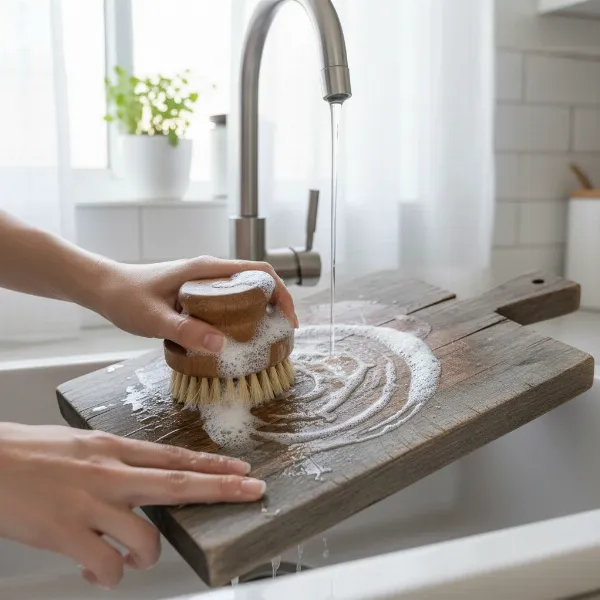
Immediately after each use, regardless of what you’ve cut, wash your wooden board with hot, soapy water. Use a soft sponge or a plastic-bristled brush to thoroughly scrub both sides, paying close attention to any minor indentations or knife marks. This physical scrubbing, combined with soap, helps lift and remove food particles and bacteria. After scrubbing, rinse the board thoroughly with clear water until all soap residue is gone.
Effective Sanitization Techniques
Sanitization goes beyond simple cleaning, targeting harmful bacteria.
- Bleach Solution: For robust sanitization, especially after cutting raw meat, poultry, or seafood, prepare a solution of 1 tablespoon of unscented liquid chlorine bleach per gallon of water. Apply this solution liberally over the board’s surface, ensuring it remains wet for several minutes. Rinse the board completely with clean water afterward and allow it to air dry.
- Natural Alternatives: For a natural approach, spritz the board with distilled white vinegar and let it sit for a few minutes before rinsing. Alternatively, a solution of 3% hydrogen peroxide can be used similarly. For stubborn stains and odors, sprinkle coarse salt over the board, then scrub it with half a lemon. The salt provides abrasion, and the lemon’s acidity helps to disinfect. Rinse thoroughly.
- Thorough Drying: After cleaning and sanitizing, air dry your wooden board completely. Never lay it flat on the counter or store it damp, as this can trap moisture, encouraging mold growth and warping. Instead, stand it upright in a dish rack or lean it against a wall to ensure air circulates around all surfaces.
Correct Maintenance for Longevity
Regular maintenance is crucial for preventing your wooden board from drying out, cracking, and becoming a haven for bacteria.
- Oiling: Periodically apply a food-grade mineral oil to your board. This oil penetrates the wood, conditioning it, preventing moisture absorption, and forming a protective barrier that resists drying and cracking. Avoid using cooking oils like olive or vegetable oil, as they can become rancid over time, leaving an unpleasant odor and taste.
- Avoid Soaking and Dishwashers: Never submerge a wooden cutting board in water or wash it in a dishwasher. Prolonged exposure to water and high heat will cause the wood to swell, warp, crack, and potentially harbor bacteria. Hand washing and quick rinsing are always the best methods.
- Proper Storage: Store your thoroughly dried board in a dry, well-ventilated area, preferably standing upright. This prevents moisture buildup and keeps dust and airborne particles from settling on the cutting surface.
Advanced Safety Tips for Wooden Cutting Boards
Taking your food safety practices to the next level ensures maximum protection against cross-contamination. Implement these advanced tips for a truly hygienic kitchen.
One of the most effective strategies is to use dedicated cutting boards for different food types. Designate one board exclusively for raw meats, poultry, and seafood, and a separate one for ready-to-eat foods like fruits, vegetables, bread, and cooked items. This physical separation is a robust barrier against bacterial transfer. If feasible, consider a color-coding system in your home kitchen, mirroring professional practices, to easily distinguish between boards.
For particularly messy or high-risk raw protein preparation, you might place a smaller, easily washable plastic board on top of your large wooden board. This protects the wood and allows for quick, intensive sanitization of the smaller surface. Always remember to replace any wooden cutting board that develops deep grooves, significant cracks, or becomes excessively worn. These imperfections are impossible to clean thoroughly and can become permanent homes for bacteria, rendering the board unsafe.
To prevent your board from slipping during vigorous chopping, always place a damp paper towel or non-slip mat underneath it. This simple step enhances stability, reducing the risk of accidents and ensuring more precise cuts. While wooden boards are durable, avoid excessively forceful chopping or cleaving that can rapidly create deep gouges. Finally, even with diligent care, all cutting boards have a lifespan. Consider replacing your wooden cutting board every 1-2 years, or sooner if visible damage or persistent odors appear, to maintain optimal hygiene.
Conclusion
Your wooden cutting board is more than just a kitchen tool; it’s a testament to timeless craftsmanship and culinary tradition. However, its beauty must always be paired with unwavering diligence in hygiene. By understanding the inherent properties of wood, embracing dedicated usage, and meticulously following proper cleaning, sanitizing, and maintenance routines, you can effectively prevent cross-contamination. From immediate washing with hot, soapy water to strategic sanitization with bleach or natural solutions, and the vital practice of regular oiling and proper drying, each step plays a crucial role in safeguarding your family’s health. With these safety tips for wooden cutting boards, you transform a potential risk into a reliable, hygienic foundation for countless delicious meals.
What new cleaning habit will you adopt today to ensure your wooden cutting board is truly safe?
Frequently Asked Questions
Can wooden cutting boards truly be sanitized effectively?
Yes, wooden cutting boards can be sanitized effectively when proper methods are followed. While wood is porous, studies suggest certain hardwoods possess natural antimicrobial properties. Combining thorough washing with hot, soapy water and subsequent sanitization using a bleach solution (1 tbsp per gallon of water) or natural alternatives like vinegar or hydrogen peroxide is key.
How often should I oil my wooden cutting board?
The frequency of oiling depends on how often you use and wash your board, but a good rule of thumb is once a month. For heavily used boards or those showing signs of dryness (lightening in color, rough texture), you might oil more frequently. Always use food-grade mineral oil to prevent cracking and moisture absorption.
What causes wooden cutting boards to warp, and how can I prevent it?
Wooden cutting boards warp primarily due to uneven moisture absorption and drying. Submerging them in water, washing them in a dishwasher, or allowing one side to dry faster than the other can cause warping. To prevent this, always hand wash, dry both sides evenly, and store upright to ensure even air circulation.
Is it safe to cut raw chicken on a wooden cutting board?
Yes, it is generally safe to cut raw chicken on a wooden cutting board, provided you follow strict cross-contamination prevention protocols. Immediately after use, thoroughly wash and sanitize the board with a bleach solution. Crucially, designate this board solely for raw meats and never use it for ready-to-eat foods without extensive cleaning and sanitizing.
When should I replace my wooden cutting board?
You should replace your wooden cutting board when it shows significant signs of wear, such as deep, permanent grooves from knife cuts, visible cracks, splinters, or persistent odors that cannot be removed by cleaning and sanitizing. These imperfections create harbors for bacteria that are impossible to eliminate, compromising food safety.