Choosing the right wooden cutting board is more than just an aesthetic decision; it’s a critical step for maintaining food safety and the longevity of your kitchen tools. With a myriad of wood types available, understanding the fundamental differences between hardwoods and softwoods, and their implications for food contact, is essential. Whether you’re a seasoned chef or a home cooking enthusiast, selecting the optimal wood ensures a hygienic surface that’s gentle on your knives and durable enough for daily use.
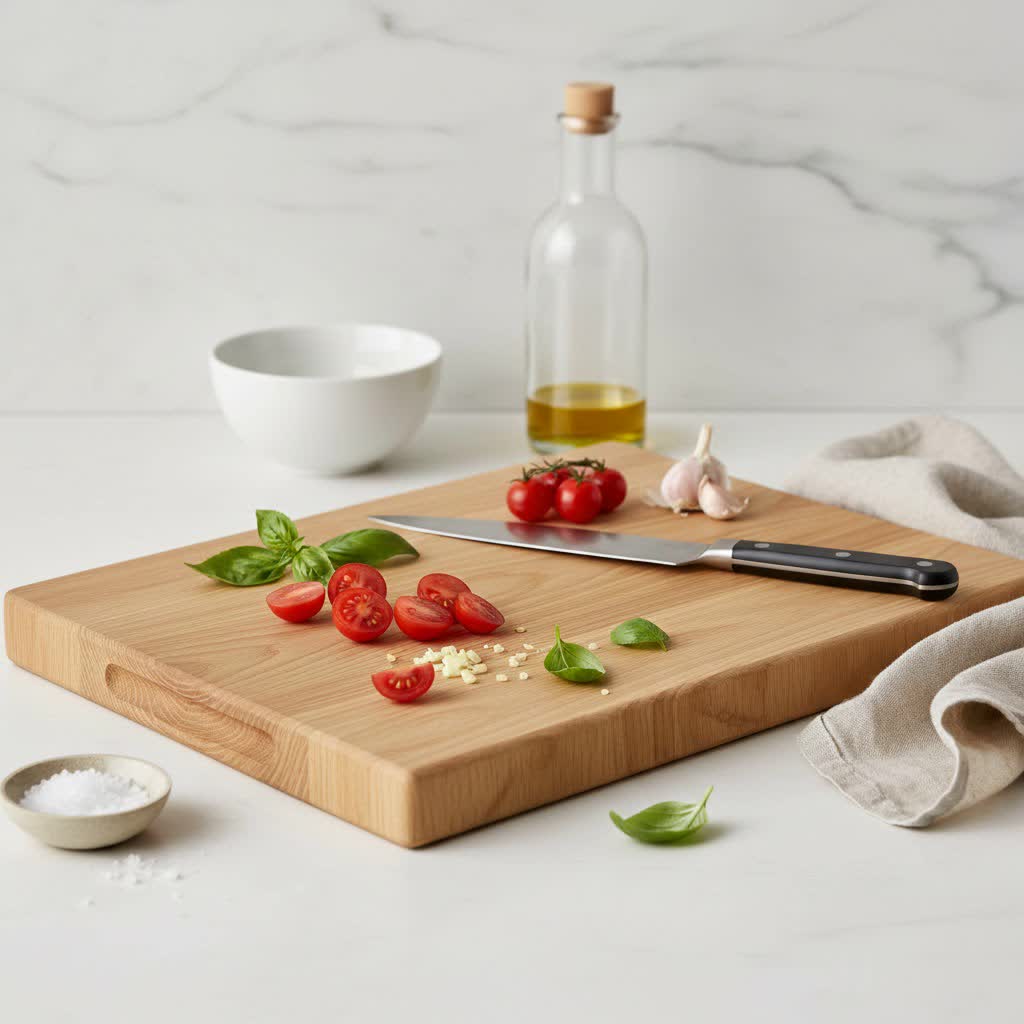
Wooden Cutting Board Overview
A wooden cutting board is a staple in kitchens worldwide, prized for its natural beauty and tactile feel. Beyond its primary function as a sturdy surface for chopping and slicing, wood brings a certain warmth and character that synthetic materials often lack. Historically, wood has been used for food preparation for centuries, evolving from simple slabs to sophisticated, engineered designs.
The term “hardwood” and “softwood” often mistakenly refer to a wood’s physical density. However, these classifications actually relate to the tree’s botanical reproduction. Hardwoods come from deciduous trees that produce flowers and typically shed their leaves annually, such as maple, oak, and cherry. Softwoods, conversely, originate from coniferous trees that bear cones and are generally evergreen, including pine, cedar, and fir. While hardwoods are often denser, this isn’t always a strict rule.
Common types of wood utilized for cutting boards include robust hardwoods like maple, walnut, and cherry, known for their tight grain structure. Bamboo, though technically a grass, is also a popular choice due to its rapid growth and unique properties.
Advantages and Disadvantages of Wooden Cutting Boards
Wooden cutting boards offer a blend of traditional appeal and practical benefits, but they also come with certain considerations. Understanding these can help you make an informed decision for your kitchen.
Advantages
- Aesthetic Appeal: Wood boards add a rustic elegance and warmth to any kitchen décor, making them visually appealing serving platters as well.
- Knife-Friendly Surface: The fibrous nature of wood is forgiving on knife blades, helping to keep them sharper for longer compared to harder surfaces like glass or stone.
- Natural Antimicrobial Properties: Many hardwoods possess natural compounds that inhibit bacterial growth, making them surprisingly hygienic when properly maintained.
- Durability and Longevity: With correct care and maintenance, a high-quality wooden cutting board can last for many years, even decades.
|
Our Picks for the Best Wooden cutting board in 2026
As an Amazon Associate I earn from qualifying purchases.
|
||
| Num | Product | Action |
|---|---|---|
| 1 | Bamboo Cutting Board for Kitchen, 18" Large Wood Charcuterie Cheese Board, Wooden Chopping Block with Side Handles and Juice Grooves |

|
| 2 | Astercook Deep-Carbonized Bamboo Cutting Boards for Kitchen with Wood Storage Stand, Reversible Charcuterie & Chopping Boards with Juice Grooves and Easy-Grip Handles, Knife-Friendly, Kitchen Gift |
|
| 3 | Kikcoin 17”×11” Bamboo Cutting Boards for Kitchen, Healthy Wooden Cutting Boards for Kitchen, Charcuterie, Vegetables, Cheese, Extra Large Chopping Boards with Deep Juice Groove and Handle, Natural |
|
| 4 | Freshware Bamboo Cutting Board Set of 3, Wooden Cutting Boards for Kitchen, Knife Friendly Food Grade Chopping Board, Lightweight with Hanging Hole for Easy Storage |
|
| 5 | 3-Piece Set Bamboo Cutting Board for Kitchen - Crack-Resistant Wood Chopping Boards with Deep Juice Grooves, Pre-Oiled Butcher Block for Meat, Vegetables & Cheese, Carbonized |
|
| 6 | Greener Chef Luxury XL Bamboo Cutting Board Set of 3 with Vertical Grain Strength Technology - Extra Large Wood Cutting Boards for Kitchen and Lightweight Chopping Board Set - Replacements for Life |
|
| 7 | Premium Cutting Board Set – Non-Toxic Carbonized Bamboo & Wooden Cutting Boards for Kitchen Meal Prep, Durable Butcher Block for Meat with Side Handles, Juice Groove, Charcuterie & Chopping (3 Pcs) |
|
| 8 | Extra Large Cutting Board, 17.6" Bamboo Cutting Boards for Kitchen with Juice Groove and Handles Kitchen Chopping Board for Meat Cheese board Heavy Duty Serving Tray, XL, Empune |
|
| 9 | Allsum Bamboo Wood Cutting Board for Kitchen, 1" Thick Butcher Block, Cheese Charcuterie Board, with Side Handles and Juice Grooves, 16x11" |
|
| 10 | Keechee Bamboo Cutting Board, Durable Wood Cutting Boards for Kitchen with Deep Juice Grooves & Built-in Handles, Ideal Charcuterie & Chopping for Meat, Vegetables and Fruits Ideal Kitchen Gifts |
|
Disadvantages
- Prone to Scratches and Stains: Over time, wood can show knife marks and may absorb strong colors or odors from certain foods if not cleaned promptly.
- Requires Regular Maintenance: Unlike plastic or glass, wood needs consistent cleaning, drying, and periodic oiling to prevent warping, cracking, and to maintain its hygienic properties.
- Higher Cost: Quality wooden cutting boards, especially those made from premium hardwoods, typically have a higher upfront cost than their synthetic counterparts.
- Vulnerability to Damage: Prolonged exposure to moisture, extreme temperature changes, or harsh cleaning methods can lead to warping, splitting, or cracking.
Common Types of Wooden Cutting Boards
The world of wooden cutting boards offers a variety of choices, each with distinct characteristics that influence performance, durability, and suitability for food preparation.
Hardwood Cutting Boards
Hardwoods are generally the preferred choice for cutting boards due to their density and tight grain. These woods resist deep knife cuts, which helps prevent bacteria from harboring in crevices.
- Examples: Maple, walnut, cherry, beech, ash.
- Advantages: Exceptional durability, excellent resistance to gouging, less porous (better for hygiene), and a wide range of attractive grain patterns and colors. Maple, in particular, is a top recommendation for its ideal hardness, resisting cuts without dulling knives too quickly.
- Disadvantages: Can be heavier and more expensive than other options. Some darker woods, like walnut, may leach color when new or if left wet.
Softwood Cutting Boards
Softwoods are generally not recommended for cutting boards that will see frequent use, especially for raw foods.
- Examples: Pine, cedar, fir, spruce.
- Advantages: Typically more affordable and lighter in weight.
- Disadvantages: Highly porous with an open grain, making them prone to deep knife marks that can trap food particles, moisture, and bacteria. Many softwoods also contain resins and saps that can impart undesirable flavors to food or even be unsafe when heated.
Bamboo Cutting Boards
Bamboo is technically a fast-growing grass, but it’s often categorized with wood due to its widespread use in kitchenware.
- Advantages: Environmentally friendly and sustainable, possesses natural antimicrobial properties, and is generally hard and durable.
- Disadvantages: Can be very hard, potentially dulling knives faster than softer hardwoods. Many bamboo boards are made from glued strips, and the adhesive used may not always be food-safe if not specified. Quality can vary, with cheaper options prone to delamination.
Butcher Block Cutting Boards
Butcher block refers to a specific construction method rather than a wood type, typically using hardwoods. These boards are composed of individual wood pieces glued together, often in an end-grain or edge-grain configuration.
- Advantages: Extremely durable and stable, less prone to warping, and very forgiving on knives (especially end-grain). They often provide a large, robust working surface.
- Disadvantages: Heavy, typically the most expensive option, and requires diligent oiling and maintenance to prevent cracking or drying out.
Comparison of Wooden Cutting Board Types
Choosing the best cutting board involves balancing durability, hygiene, and knife care. Here’s a comparative overview of common wood types:
| Feature | Hardwood (Maple, Walnut, Cherry) | Softwood (Pine, Cedar) | Bamboo | Butcher Block (Hardwood) |
|---|---|---|---|---|
| Durability | High (resists gouging) | Low (easily scratched, gouged) | High (dense, but can split) | Very High (especially end-grain) |
| Hygiene | Excellent (tight grain, inhibits bacteria) | Poor (open grain, traps bacteria) | Good (natural antimicrobial, dense) | Excellent (tight grain, self-healing properties in end-grain) |
| Price | Moderate to High | Low | Low to Moderate | High |
| Knife Friendliness | Good (gentle on edges) | N/A (not recommended) | Fair to Poor (can dull knives) | Excellent (especially end-grain, very gentle) |
| Ease of Cleaning | Moderate (requires proper care) | N/A (not recommended) | Moderate (can absorb moisture if not cared for) | Moderate (requires diligent oiling) |
| Maintenance Required | Regular oiling, hand washing | N/A | Regular oiling, hand washing | Frequent oiling, hand washing |
| Porousness | Low | High | Low | Low |
| Resin/Sap Content | Very low to none | High (can impart flavor/be toxic) | None | Very low to none |
Buying Guide: How to Choose a Wooden Cutting Board
Selecting the perfect wooden cutting board for your kitchen involves considering several factors beyond just the type of wood. A thoughtful choice will enhance your cooking experience and ensure food safety for years to come.
Determine Your Usage Needs
Before diving into wood types, consider how you’ll use the board.
- Size and Space: Evaluate your kitchen counter space and storage. A large board is great for meal prep but can be cumbersome in a small kitchen. Smaller boards are convenient for quick tasks or serving.
- Food Type: Do you primarily cut vegetables, or will you be handling raw meats and poultry? It’s advisable to have separate boards for raw and cooked foods to prevent cross-contamination.
- Budget: Wooden cutting boards range significantly in price. Determine how much you’re willing to invest in a quality board that meets your needs.
Choose the Right Wood Type
Focus on tight-grained hardwoods for the best performance and hygiene.
- Hardness and Grain: Look for woods with a Janka hardness rating between 900 and 1800 lbf. This range ensures the wood is hard enough to resist deep knife marks that harbor bacteria, but not so hard that it rapidly dulls your knives. Maple, walnut, and cherry are excellent choices. Avoid softwoods like pine or cedar due to their porous nature and potential resin content.
- Source and Treatment: Ensure the wood is food-safe and untreated with harmful chemicals. Avoid wood salvaged from construction or pressure-treated lumber, as these can leach toxins.
- Color: Lighter woods, such as maple, are often preferred as they show stains less and don’t leach color when wet, unlike some darker woods.
Inspect the Quality of the Board
A good cutting board will exhibit certain qualities that speak to its craftsmanship and longevity.
- Surface and Edges: The surface should be smooth, flat, and free of any cracks, splinters, or rough patches. Edges should be smoothly rounded to prevent injury and enhance durability.
- Construction: If choosing a butcher block, ensure the pieces are tightly glued together without visible gaps. Solid pieces of wood are also excellent, but look for proper wood grain orientation to minimize warping.
- Smell: The board should have a natural, clean wood smell. Avoid any boards with chemical odors, which might indicate unsafe treatments or adhesives.
Consider Reputable Brands
Researching brands known for quality and food-safe practices can save you from poor investments.
- User Reviews and Recommendations: Read customer reviews and seek recommendations from trusted sources or experienced cooks.
- Manufacturer Information: Look for brands that clearly state the type of wood used, its origin, and any treatments applied. Transparency is a good indicator of reliability.
How to Clean and Maintain Wooden Cutting Boards
Proper care is paramount for the longevity and hygiene of your wooden cutting board. Neglecting maintenance can lead to warping, cracking, and bacterial buildup.
Proper Cleaning Techniques
Cleaning your wooden board immediately after use is crucial to prevent food particles from drying and bacteria from spreading.
- Hand Wash Only: Always hand wash your wooden cutting board. Dishwashers expose wood to prolonged high heat and moisture, which will cause it to warp, crack, and strip away natural oils.
- Warm Soapy Water: Use warm water and a mild dish soap. Scrub the surface thoroughly with a sponge or a soft brush, paying attention to any grooves or cuts.
- Sanitization: For extra sanitization, especially after cutting raw meat, you can wipe the board with a solution of white vinegar or lemon juice. Allow it to sit for a few minutes before rinsing. A diluted chlorine bleach solution (1 tablespoon bleach per gallon of water) can also be used for sanitization, but rinse thoroughly afterwards.
- Rinse and Dry Immediately: Rinse the board thoroughly with clean water. Then, wipe it dry with a clean towel and allow it to air dry completely, preferably standing on its side to ensure even air circulation. Never leave it soaking in water.
Proper Storage and Conditioning
Beyond daily cleaning, wooden boards need periodic conditioning to stay healthy.
- Regular Oiling: Apply food-grade mineral oil, beeswax, or a specialized board butter regularly (monthly or more frequently with heavy use). This treatment penetrates the wood, preventing it from drying out, cracking, and repelling moisture. Apply generously, let it soak in for several hours or overnight, then wipe off any excess.
- Avoid Extreme Environments: Do not store your board near heat sources like stoves or direct sunlight, which can dry out the wood. Similarly, avoid overly damp areas. A cool, dry, well-ventilated spot is ideal.
- Even Drying: When air drying, prop the board up to allow air to circulate around all sides. This prevents uneven drying and potential warping.
Tips for Using Wooden Cutting Boards
Maximizing the lifespan and safety of your wooden cutting board involves adopting a few simple habits in the kitchen.
- Dedicated Boards: Use separate cutting boards for raw meats and poultry, and another for produce and cooked foods. This prevents dangerous cross-contamination. Labeling them can help maintain this practice.
- Stabilize Your Board: Place a damp cloth or a non-slip mat underneath your cutting board to prevent it from sliding during use. This significantly improves safety and efficiency.
- Gentle Chopping: While wooden boards are durable, avoid excessive force or chopping with cleavers that could deeply gouge the surface. Deeper cuts are harder to clean and can harbor bacteria.
- Rotate and Maintain: Regularly inspect your board for signs of wear, deep cuts, or dryness. If the board looks dull or dry, it’s time for re-oiling. If it develops deep, unrepairable gouges, consider replacing it for hygiene reasons, typically every 1-2 years with heavy use.
Conclusion
The choice between hardwood and softwood for food contact, particularly for cutting boards, leans heavily towards hardwoods for their superior hygiene and durability. Dense, tight-grained hardwoods like maple, walnut, and cherry offer a safe, knife-friendly, and aesthetically pleasing surface that can last for years with proper care. Softwoods, with their porous nature and often high resin content, are generally unsuitable for direct food preparation. By understanding the characteristics of different wood types, diligently cleaning and oiling your board, and practicing safe cutting habits, you can ensure your wooden cutting board remains a hygienic and valuable asset in your kitchen.
Which type of wooden cutting board do you find most essential for your culinary adventures?
Frequently Asked Questions
Is any raw wood safe for food contact?
While most raw, untreated woods are generally considered safe for food contact, it is crucial to select hardwoods with tight grain structures like maple or walnut for cutting boards. Softwoods can be problematic due to their porosity and resin content.
Can softwood cutting boards be made food safe with proper sealing?
While sealing can offer some protection, softwood’s inherent porosity and tendency to create deeper gouges make it less ideal for food preparation, especially with raw meats, compared to dense hardwoods. The integrity of the seal can also degrade over time.
Why is a tight grain important for food safety in wooden cutting boards?
A tight grain means smaller pores within the wood, which significantly reduces the absorption of moisture and prevents food particles and bacteria from embedding deep within the surface. This makes the board easier to clean and more hygienic.
How often should I oil my wooden cutting board?
For frequently used wooden cutting boards, oiling once a month is a good general guideline. However, boards used more often or those showing signs of dryness (lightening in color, rough texture) may benefit from more frequent oiling, even weekly.
What is the Janka hardness scale, and why does it matter for cutting boards?
The Janka hardness scale measures the resistance of wood to denting and wear. For cutting boards, it helps identify woods that are hard enough to resist deep knife cuts, which can harbor bacteria, but not so hard that they will quickly dull your knives. An ideal range is typically between 900 and 1800 lbf.