Walnut wood, with its inherent beauty and remarkable durability, has captivated artisans and homeowners for centuries. From elegant furniture to luxurious flooring, its rich tones and distinctive grain patterns add a touch of timeless sophistication to any space. However, not all walnut is created equal. The two most prominent varieties, American walnut and European walnut, while both stunning, possess unique characteristics that set them apart. Understanding these differences is crucial, whether you’re selecting wood for a bespoke piece of furniture, choosing the perfect flooring, or even just appreciating the culinary nuances of their nuts. This comprehensive guide will explore the distinct features of these two magnificent species, helping you appreciate their individual merits and make informed choices.
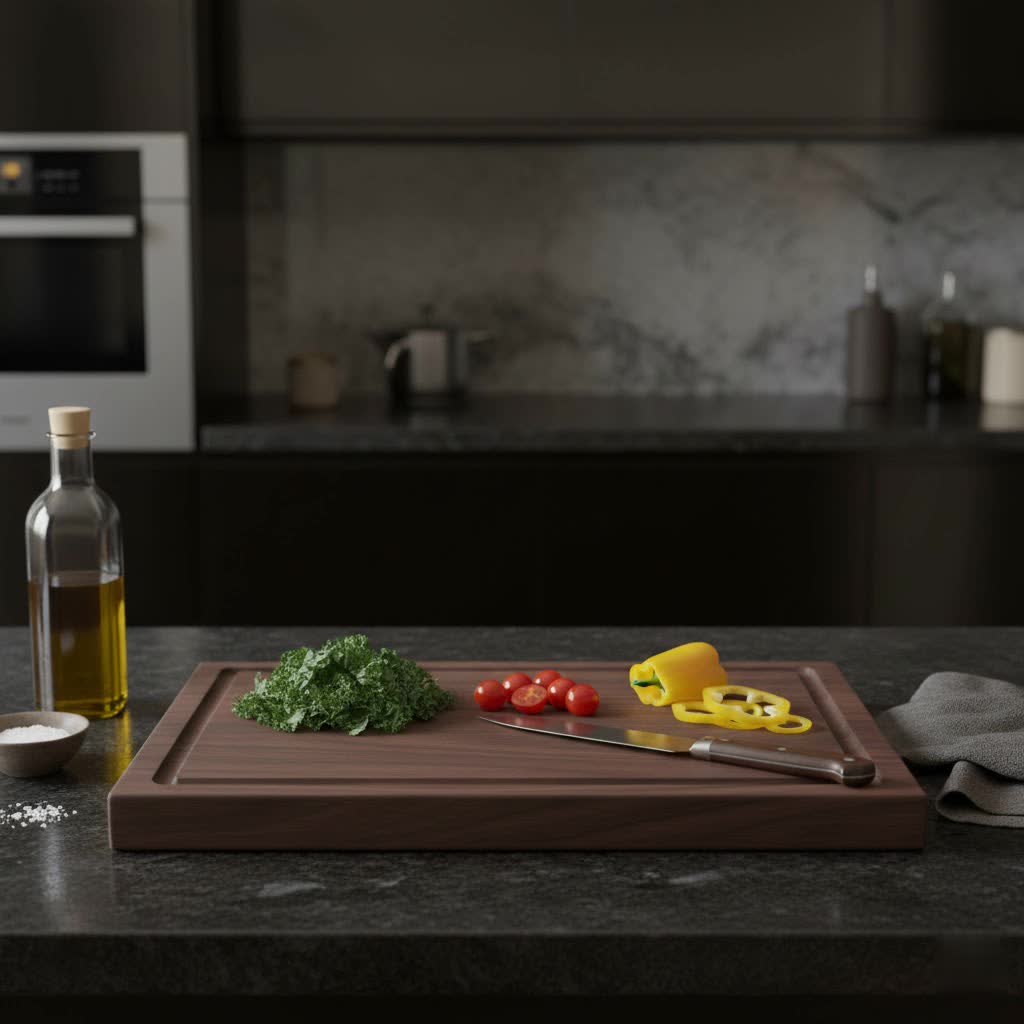
A Comprehensive Overview of Walnut Wood
Walnut, a truly unique natural gem, has long been revered for its versatility and aesthetic appeal. Historically, it served as a sophisticated alternative to expensive imported mahogany, cementing its place as a favorite among carpenters and furniture enthusiasts alike. The name of the family, Juglandaceae, from which both European and American walnuts hail, is said to originate from the Roman god Jupiter, who legendarily sustained himself on walnuts. This family encompasses around 50 species of deciduous trees, producing various nuts, including common walnuts and pecans.
The primary species known for their valuable timber are Juglans regia, commonly known as European, English, Persian, or common walnut, and Juglans nigra, or American black walnut. These trees thrive in distinct geographical regions, contributing to their unique attributes. European walnut grows both cultivated and wild across Europe and Western Asia, while American walnut is native to the USA and Canada. The inherent color and properties of walnut wood vary significantly depending on its origin, making a clear distinction between these two varieties essential for any enthusiast or professional.
Unpacking the Visual Distinctions
While both American and European walnut are cherished for their elegance, their visual characteristics—from the wood itself to the very trees they grow on—present noticeable differences. These distinctions influence their aesthetic appeal and suitability for various applications.
Color Palette
Table is empty.One of the most immediate and striking differences lies in their color. European walnut typically presents a lighter hue, ranging from light to medium brown. It often showcases a more lively and varied color mix, frequently interspersed with yellow, green, or reddish tones, and sometimes with subtle gray nuances. This variegated appearance gives European walnut a distinct, sometimes cloudier, look.
In contrast, American walnut is renowned for its deep, rich, and more uniform dark brown tones, often described as chocolate or even nearing black. It can also exhibit elegant purplish tints. This consistent and intense coloration makes American walnut a popular choice for those seeking a more dramatic and sophisticated statement in their designs.
Grain and Texture
The grain patterns and overall texture of the wood also contribute significantly to their unique characters. European walnut generally features a finer, livelier, and often more irregular grain. This characteristic can lend the wood an especially refined and dynamic appearance, with its natural variations adding depth and individuality to each piece.
American walnut, on the other hand, typically displays a more uniform, elegant, and deep grain. While still possessing a beautiful natural character, its patterns tend to be less erratic than its European counterpart. The bark of the American walnut tree is often described as grayish-brown and heavily diamond-shaped, offering another identifying feature of the species.
Tree Characteristics
Beyond the timber, the trees themselves exhibit distinct growth habits and features. The crown of the European walnut tree is predominantly round, creating a classic, full silhouette. Its leaves are similar to those of the American walnut but tend to be shorter and less numerous. The fruits, or nuts, of the European walnut are typically round with a green shell that opens in late summer.
Conversely, the American walnut tree often has a more elongated crown, with round crowns developing only in solitary trees. Its leaves are generally longer, narrower, and more numerous than those of the European species. The nuts of the American walnut are encased in a green-brown shell, also opening in late summer.
Performance and Practical Applications
The inherent properties of American and European walnut wood dictate their performance in various applications, from furniture making to flooring. Understanding these characteristics is vital for choosing the right wood for a project.
Hardness and Durability
In terms of hardness, there is a slight difference between the two species. European walnut is generally considered slightly softer than American walnut. While both are durable woods, the American variety tends to be slightly harder, contributing to its robust nature. This difference can subtly impact their resistance to dents and scratches over time, though both are valued for their resilience.
Workability and Stability
Both types of walnut wood are highly regarded for their excellent workability. They are relatively easy to polish and finish, allowing craftsmen to highlight their natural beauty. Their technical properties, including resistance to wear and tear, are commendable, making them suitable for demanding applications. Additionally, walnut wood is known for its stability; it does not significantly deform with humidity and is less susceptible to thermal changes, making it a viable option even for environments like bathrooms.
Common Uses
The aesthetic and structural qualities of each walnut type often guide their applications. European walnut is a popular choice for high-quality furniture, veneers, and interior finishing, including timeless parquet flooring. Its variegated tones and unique patterns make it ideal for creating intricate designs and enhancing decorative elements.
American walnut, with its darker, more uniform color and robust nature, is frequently specified for luxury furniture, gunstocks, and musical instruments, where its strength and consistent appearance are highly valued. It is also a preferred material for high-end flooring, known as Canaletto Walnut parquet, offering an intense chocolate color that exudes prestige and timeless charm.
Beyond the Wood: Walnut Nuts
The Differences Between American And European Walnuts extend beyond their timber to the nuts they produce. These variations are significant for culinary enthusiasts and those concerned with food processing.
Taste and Texture
The flavor profiles and textures of the nuts offer distinct experiences. European walnuts are often described as having a sweeter taste, with lighter-colored kernels that can be more easily pulled out whole when cracked. They tend to crack more readily than their American counterparts.
American walnuts, on the other hand, typically possess a stronger, more robust flavor with an astringent quality and a strong telluric taste. Their kernels are darker in color and are generally very hard to crack, often breaking into small pieces. They also tend to have a slightly oilier texture. These robust flavors are often favored for traditional European dishes and artisanal desserts.
Processing Differences
A key distinction in the world of walnut nuts lies in their processing, particularly concerning pasteurization. In the USA, by law, all walnuts must undergo pasteurization to ensure food safety. Steam pasteurization is the most common method for organic walnuts, effectively reducing the risk of bacterial contamination while maintaining their raw status.
In Europe, the situation differs. European organic walnuts are often sold unpasteurized, especially in artisanal markets. While some connoisseurs prefer the unaltered flavor and texture of unpasteurized walnuts, it is important to note that they may carry a slightly higher risk of contamination compared to their pasteurized counterparts.
Environmental Footprint and Sourcing
Consideration of environmental impact and sourcing practices is increasingly important for consumers and businesses alike. The origin and cultivation methods of American and European walnuts contribute to their respective ecological footprints.
European walnut, particularly when sourced regionally, generally has a more favorable environmental impact due to shorter transport distances. It is a species that grows both wild and cultivated across Europe, though wild felling is often protected and requires approval from forestry departments, even from private gardens.
American walnut, while a valuable resource, can have a less favorable environmental profile due to the longer transport distances involved in bringing it to international markets. However, it’s worth noting the significant scale of production; California alone produces 99% of U.S. walnuts and a substantial 70% of organic walnuts worldwide, indicating a robust and efficient domestic supply chain within the US.
Choosing Your Walnut: A Buying Guide
Selecting between American and European walnut ultimately comes down to your specific needs, aesthetic preferences, and the intended use. Both offer exceptional quality and beauty, but understanding their nuances will guide you to the perfect choice.
Aesthetic Preference
If you desire a lighter, more varied wood with dynamic grain patterns and a mix of warm tones, European walnut might be your ideal choice. Its lively character creates a cozy and unique feel. However, if you’re looking for a darker, more uniform wood that delivers a striking, luxurious, and elegant statement, American walnut, with its deep chocolate to nearly black hues, would be more suitable. Consider samples of both in your actual space to see how the light interacts with their distinct colors.
Intended Use
For high-end furniture, veneers, or traditional parquetry that benefits from intricate grain and varied coloration, European walnut excels. Its refined look can enhance classic designs. For luxury furniture, durable flooring that handles heavy traffic, gunstocks, or musical instruments where a consistent, rich dark tone and slightly greater hardness are paramount, American walnut is often preferred. Its stability makes both suitable for various applications, including wet areas like bathrooms when properly finished.
Budget and Availability
The availability and pricing of American and European walnut can vary depending on your location and market conditions. European walnut, especially wild-grown, may have specific felling regulations, potentially affecting its supply and cost. American walnut has a well-established and large-scale production, particularly for its nuts, which can influence wood availability. Researching local suppliers and comparing prices for both types will provide the most accurate picture for your budget. Always prioritize sourcing from reputable suppliers who can provide clear information on the origin and processing of their walnut products.
Conclusion
The world of walnut wood is rich and diverse, with both American and European varieties offering distinct advantages. From the lighter, more varied tones and lively grain of European walnut to the deep, uniform chocolate hues and elegant patterns of its American counterpart, each species presents a unique aesthetic. Beyond appearance, differences extend to the subtle hardness of the wood, their workability, and even the flavor and processing of their nuts. By understanding these key distinctions, you are empowered to make choices that perfectly align with your design vision and functional requirements. Whether you prioritize a classic, warm ambiance or a bold, contemporary statement, there’s a walnut waiting to elevate your project. Which characteristics resonate most with your next endeavor?
Frequently Asked Questions
What is the main visual difference between American and European walnut wood?
The primary visual difference is color. European walnut is typically lighter, with a more varied mix of light to medium browns, often featuring yellowish, greenish, or reddish inserts. American walnut is known for its darker, more uniform chocolate to nearly black tones, sometimes with purplish hues, and a less erratic grain pattern.
Are American and European walnut nuts different in taste?
Yes, they differ in taste and texture. European walnuts are generally sweeter, with lighter kernels that are easier to crack. American walnuts tend to have a stronger, more robust, and astringent flavor, often described as “telluric,” with darker kernels that are much harder to crack.
Which walnut wood is harder?
American walnut is generally considered slightly harder than European walnut. While both are durable woods, the American variety offers a marginally greater resistance to impacts, making it a robust choice for demanding applications.
Why are US walnuts pasteurized?
In the USA, all walnuts are legally required to undergo pasteurization to ensure food safety and reduce the risk of bacterial contamination. This typically involves steam pasteurization for organic walnuts, which helps maintain their raw status while meeting health regulations.
Can European walnut wood be used for flooring?
Yes, European walnut is an excellent choice for flooring, particularly for parquet. Its aesthetic qualities, including its varied tones and lively grain, make it suitable for creating intricate laying patterns and adding a refined, timeless character to interiors.