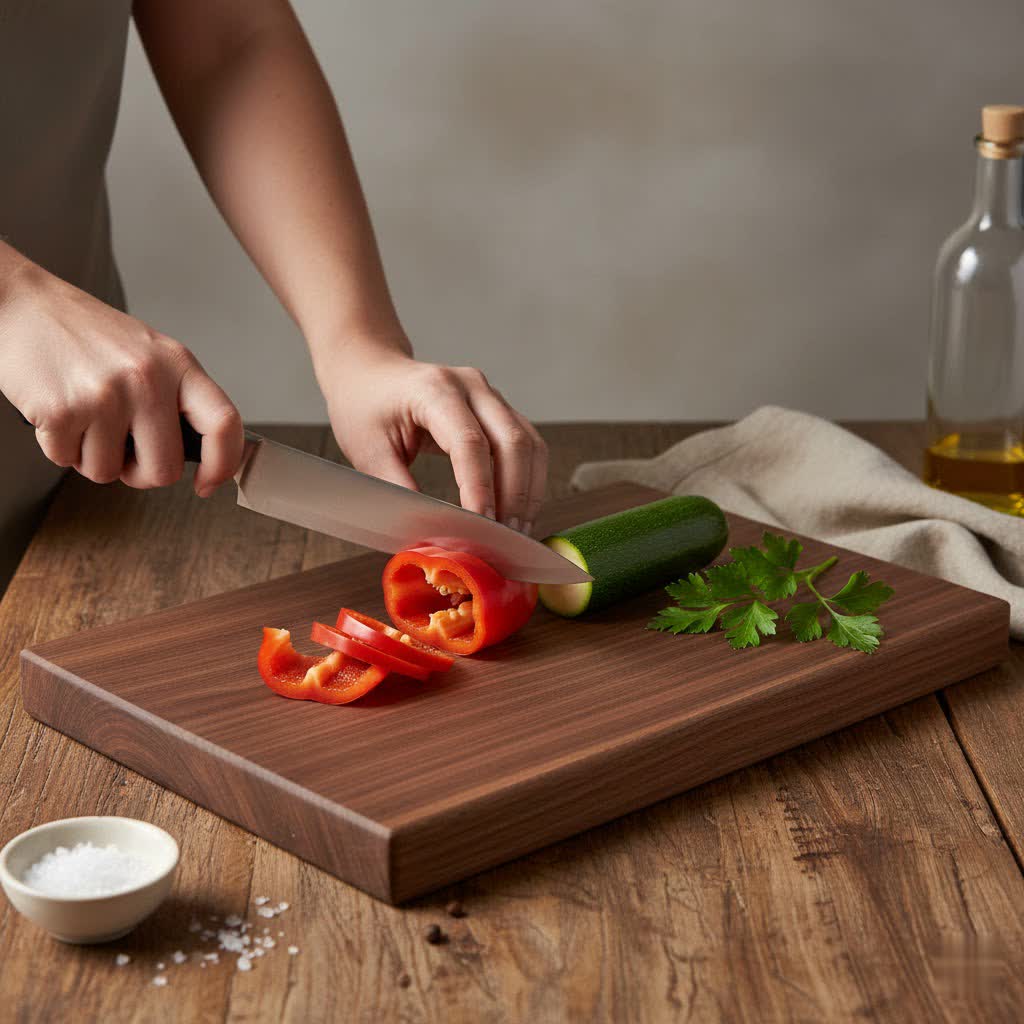
For anyone who cherishes their wooden cutting board, maintaining its cleanliness and integrity is paramount. These culinary workhorses not only bear the brunt of daily meal prep but also add a rustic charm to our kitchens. Yet, with frequent use, they can harbor stains, unpleasant odors, and even bacteria. While commercial cleaners exist, many home cooks seek natural, effective solutions. One age-old remedy that continues to garner attention is the simple yet powerful combination of lemon and salt. This natural approach offers an excellent way to deep clean, deodorize, and refresh your wooden cutting board, helping to keep it in prime condition for years to come.
Understanding Wooden Cutting Boards and Their Hygiene
Wooden cutting boards are a beloved kitchen essential, prized for their aesthetic appeal and knife-friendly surfaces. Unlike plastic boards, wood has natural antibacterial properties that can help minimize bacteria when properly maintained. However, despite these inherent qualities, regular and thorough cleaning is crucial to prevent the buildup of food particles, stains, and odors that can compromise food safety and the board’s longevity. This is where natural methods, like using lemon and salt, shine as an accessible and eco-friendly approach to maintaining kitchen hygiene.
The Power Duo: Lemon and Salt
When it comes to natural cleaning, lemon and salt form a formidable pair, each bringing unique properties that complement the other to effectively tackle common cutting board woes.
The Science Behind Lemon
Table is empty.Lemon juice is rich in citric and ascorbic acids, making it a natural acidic powerhouse. These acids are highly effective at breaking down and lifting a variety of stains, particularly those caused by pigmented fruits, vegetables, or even coffee. Beyond stain removal, lemon’s acidity helps to neutralize strong odors, leaving behind a fresh, clean scent. The ascorbic acid in lemon also works by oxidizing organic materials, which are often the culprits behind lingering smells and unsightly stains. While it significantly minimizes bacteria, it’s important to note that lemon juice alone may not provide the same level of disinfection as some chemical solutions, according to certain cleaning experts.
The Role of Salt
Coarse salt, such as kosher salt or sea salt, acts as an excellent natural abrasive. Its granular texture provides the necessary friction to scrub away stubborn food residues, grime, and embedded stains from the porous surface of the wood. This gentle scrubbing action helps to dislodge particles that might otherwise remain trapped in knife grooves. Furthermore, salt is known to have properties that can help inhibit and reduce bacteria on surfaces. When combined with lemon, its abrasive quality allows the lemon’s acids to penetrate deeper into the wood for a more thorough cleaning action.
Synergistic Effect
The true brilliance of the lemon and salt method lies in their synergistic relationship. The coarse salt physically scrubs and lifts debris, while the lemon juice penetrates the wood fibers, dissolving stains and neutralizing odors. This dual action not only leaves your board visibly cleaner but also eliminates the microscopic organic compounds responsible for smells, making your cutting board feel and smell refreshed. The combination offers a robust, natural way to deep clean and maintain your wooden board, tapping into centuries-old wisdom for kitchen care.
Step-by-Step Guide: Cleaning Your Wooden Cutting Board
Using lemon and salt to clean your wooden cutting board is a straightforward process that requires minimal effort and delivers impressive results. Follow these simple steps to restore your board’s natural beauty and freshness.
Preparation
Before you begin the lemon and salt treatment, ensure your cutting board is free of any loose food particles. Give it a quick rinse under warm running water to remove crumbs, scraps, and any superficial debris. You can use a scraper or spatula to gently remove any stuck-on bits. This initial rinse ensures that the lemon and salt can focus on deeper cleaning, rather than just clearing away surface clutter.
Application
Once the board is rinsed, generously sprinkle coarse salt over its entire surface. Don’t be shy with the salt; you need enough to create a good abrasive layer. Next, cut a fresh lemon in half. Take one of the lemon halves, cut side down, and begin scrubbing the salt into the wood. Use firm, circular motions, applying good pressure to squeeze out the lemon juice as you scrub. Pay extra attention to areas with visible stains, knife marks, or strong odors. The combination of the lemon’s acidic juice and the salt’s abrasive texture will work together to break down grime and refresh the wood.
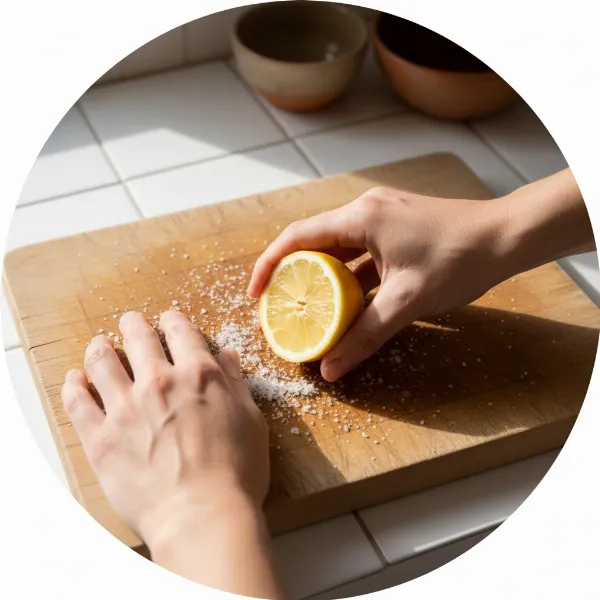 A person scrubbing a wooden cutting board with a halved lemon and coarse salt sprinkled on the surface, illustrating the cleaning process.
Dwell Time
After thoroughly scrubbing the entire surface, allow the lemon and salt mixture to sit on the board. This “dwell time” is crucial, as it gives the lemon’s natural acids more time to penetrate the wood, break down stubborn stains, neutralize odors, and further minimize bacteria. Most experts recommend letting the mixture sit for 5 to 20 minutes, with some sources suggesting 5-10 minutes and others up to 20 minutes. The longer it sits, the more time the natural ingredients have to work their magic.
Rinsing and Drying
Once the dwell time is complete, it’s time to rinse the board. Use warm water to thoroughly wash away all the salt and lemon residue. Ensure no gritty salt particles remain. After rinsing, pat the board dry immediately with a clean cloth or towel. The most critical step in maintaining a wooden cutting board is allowing it to air-dry completely. Stand the board upright or place it on a drying rack to ensure even air circulation on all sides, preventing moisture from getting trapped and potentially leading to warping or cracking. This complete drying process is essential for the board’s longevity and hygiene.
Benefits Beyond Cleaning
The lemon and salt method offers more than just a surface clean; it provides several key benefits that contribute to the overall health and longevity of your wooden cutting board.
Stain Removal
One of the most immediate and noticeable benefits is its effectiveness in removing stains. The citric and ascorbic acids in lemon juice are particularly adept at dissolving common kitchen stains, from vibrant beetroot juice to dark coffee rings. The abrasive action of salt helps to scour away these pigmented residues, leaving the wood looking brighter and cleaner. This natural approach often proves surprisingly powerful against marks that might otherwise seem permanent.
Odor Neutralization
Lingering odors, especially from ingredients like garlic, onions, or strong fish, can be a persistent problem for wooden cutting boards. Lemon’s natural deodorizing properties are exceptional at neutralizing these smells. The acids in the lemon break down the odor-causing compounds, rather than just masking them, resulting in a fresh, clean scent. This makes the lemon and salt treatment an excellent choice for a quick refresh after preparing pungent foods.
Maintaining Wood Integrity
While this method is a powerful cleaner, it’s gentle on the wood itself. There is no evidence that lemon juice and salt cause damage to wooden cutting boards. In fact, by keeping the board free from grime and odors, you contribute to its overall hygiene. However, it’s crucial to remember that wooden boards require ongoing care. Regular oiling with food-grade mineral oil is vital to keep the wood moisturized, prevent it from drying out, and protect against cracking and splintering over time. This consistent maintenance ensures your board remains a durable and beautiful kitchen tool.
Frequency and Best Practices
To keep your wooden cutting board in optimal condition, integrating the lemon and salt method into your routine is highly beneficial, but it’s part of a broader maintenance strategy.
The lemon and salt treatment is recommended for a deep clean and deodorizing periodically, perhaps once every month or two, or whenever you notice significant stains or lingering odors. For daily cleaning, a simpler routine is usually sufficient. After each use, especially when handling raw meats, poultry, or fish, it is essential to wash your board thoroughly with hot, soapy water. Use a brush or sponge to scrub all surfaces, paying attention to knife grooves where food particles can hide. Rinse the board thoroughly to remove all soap residue and then dry it completely as quickly as possible.
Beyond cleaning, proper maintenance involves:
- Oiling: Regularly apply a food-grade mineral oil to your wooden cutting board. This prevents the wood from drying out, cracking, and warping, and helps to seal the surface, making it less absorbent to liquids and odors.
- Avoid Soaking: Never soak a wooden cutting board in water, as this can lead to warping, splitting, and the growth of mold or bacteria.
- No Dishwasher: The high heat and harsh detergents of a dishwasher are detrimental to wooden boards, stripping natural oils and causing irreversible damage.
- Dedicated Boards: Consider using separate cutting boards for raw meats and produce to prevent cross-contamination.
By combining the lemon and salt treatment with diligent daily cleaning and regular oiling, you can ensure your wooden cutting board remains hygienic, beautiful, and functional for a lifetime.
Other Natural Cleaning Alternatives
While lemon and salt are fantastic for cleaning and deodorizing, other natural options offer additional benefits for your wooden cutting boards. Incorporating these into your cleaning regimen can provide a comprehensive, chemical-free approach to kitchen hygiene.
White Vinegar: This pantry staple is a powerful natural disinfectant and deodorizer. Its low pH effectively kills many types of bacteria and germs. To use, simply spray undiluted white vinegar onto your cutting board and let it sit for a few minutes (around 5-10 minutes) before rinsing thoroughly. It’s particularly effective for preventing mold and neutralizing strong odors.
Baking Soda: Known for its abrasive and odor-absorbing qualities, baking soda is excellent for tackling stubborn stains and smells. For tough spots, sprinkle baking soda over the affected area, add a little water to create a paste, and scrub with a brush or sponge. You can even combine it with lemon for an extra boost against stains.
By rotating these natural cleaners, you can address different cleaning needs and keep your wooden cutting boards pristine without resorting to harsh chemicals.
Lemon and Salt: Myths vs. Facts
The topic of natural cleaning methods often comes with questions, especially regarding efficacy. Let’s clarify some common points about using lemon and salt on wooden cutting boards.
- Myth: Lemon and salt are harsh and will damage the wood.
- Fact: There is no evidence to suggest that lemon juice and salt DIY cleaning concoctions damage wood cutting boards. In fact, when used correctly and followed by proper drying and oiling, this method can help preserve the wood’s condition by keeping it clean and free from odor-causing bacteria.
- Myth: Lemon and salt completely sanitize or disinfect a board from all bacteria.
- Fact: While lemon’s acidic properties and salt’s antibacterial qualities minimize bacteria and create an environment less hospitable to germ growth, some cleaning professionals suggest that lemon and salt primarily excel at cleaning and deodorizing rather than providing comprehensive disinfection. For true disinfection, hot soapy water is recommended as a standard step after each use, particularly after handling raw meats. The lemon and salt treatment significantly reduces bacterial load and removes organic residues, which is crucial for hygiene.
Understanding these distinctions helps set realistic expectations for your cleaning efforts, ensuring you leverage the benefits of lemon and salt effectively as part of a holistic board care routine.
Conclusion
Caring for your wooden cutting board doesn’t have to be complicated or involve harsh chemicals. The simple, natural combination of lemon and salt offers a remarkably effective way to clean, deodorize, and refresh your board, tackling stains and lingering odors with ease. By following a straightforward process of sprinkling salt, scrubbing with lemon, allowing a short dwell time, and rinsing thoroughly, you can restore your board’s natural beauty and extend its lifespan. Remember to complement this deep-cleaning method with routine soap and water washes and consistent oiling to maintain the wood’s integrity. Embrace these natural solutions, and your wooden cutting board will remain a cherished and hygienic tool in your kitchen for many years to come. What are your favorite natural methods for keeping your wooden cutting board in top shape?
Frequently Asked Questions
Is lemon and salt a true disinfectant for wood?
While lemon and salt are excellent for cleaning, deodorizing, and significantly minimizing bacteria on wooden cutting boards, experts suggest their primary function is more akin to thorough cleaning rather than comprehensive disinfection, which often requires hot, soapy water for best results.
How often should I clean my wooden board with lemon and salt?
It’s recommended to use the lemon and salt method periodically, roughly once every month or two, or whenever you notice significant stains or persistent odors on your wooden cutting board.
Can I use any type of salt for this method?
For optimal results, it’s best to use coarse salt like kosher salt or sea salt. The larger granules provide the necessary abrasive action to effectively scrub away grime and stains from the wood surface.
Does lemon and salt damage wooden cutting boards?
No, there is no evidence to suggest that using lemon juice and salt for cleaning damages Wooden Cutting Boards. When used correctly and followed by proper drying and oiling, this method helps preserve the wood’s condition.
What if I have really stubborn stains or odors?
For particularly stubborn stains or deeply embedded odors, you can combine the lemon and salt method with baking soda for extra scrubbing power, or consider using white vinegar as an additional natural deodorizer and disinfectant.