A wooden cutting board is more than just a kitchen tool; it’s an investment, a culinary companion that adds warmth and character to your cooking space. Yet, like any fine instrument, it requires proper care to maintain its beauty, hygiene, and functionality. Understanding how to oil and season your wooden cutting board isn’t just about preservation; it’s about unlocking its full potential and ensuring it serves you well for years to come. Neglecting this crucial step can lead to a dry, cracked, and unhygienic board, diminishing its lifespan and your culinary experience. This comprehensive guide will walk you through everything you need to know, from selecting the right products to a step-by-step care routine, ensuring your wooden board remains a cherished fixture in your kitchen.
The Importance of Oiling and Seasoning Wooden Cutting Boards
Why does a beautiful piece of wood require such attention? The answer lies in its very nature. Wood is a porous material, a collection of tiny fibers and cells that can absorb moisture, food juices, and odors. Without proper protection, this porosity makes your cutting board susceptible to several issues. It can dry out, leading to unsightly cracks, splits, and even warping. Moisture ingress can also foster bacterial growth and leave stubborn stains.
Oiling and seasoning a wooden cutting board creates a protective barrier. This barrier helps to repel water, preventing the wood from absorbing excess moisture that causes warping and cracking. It also keeps food particles and odors from penetrating deep into the wood grain, making your board more hygienic and easier to clean. Furthermore, regular oiling replenishes the wood’s natural oils, keeping it supple and resilient against knife marks, which in turn helps keep your knives sharper for longer. A well-oiled and seasoned board will boast a rich, lustrous finish, enhancing its natural beauty and contributing to a more aesthetically pleasing kitchen environment.
Choosing the Right Products: Oils and Waxes
Selecting the appropriate products is fundamental to effective wooden cutting board care. Not all oils are created equal, and using the wrong kind can do more harm than good.
Recommended Oils
Table is empty.The gold standard for oiling wooden cutting boards is food-grade mineral oil. This oil is a non-toxic, non-drying, and tasteless petroleum product that effectively penetrates wood fibers without going rancid. It’s readily available and forms an excellent protective layer.
Walnut oil is another highly regarded option, prized by many woodworkers and chefs. It is a drying oil, meaning it polymerizes and hardens over time, offering a more durable, semi-permanent finish. However, it’s crucial to note that walnut oil should only be used if there are no nut allergies in the household or among those who will use the board, and ensure it is pure, food-grade walnut oil, not a cooking oil blend.
Board Creams and Waxes
For an extra layer of protection and a beautiful sheen, many users opt for cutting board creams or waxes. These products typically combine food-grade mineral oil with beeswax. The mineral oil penetrates and moisturizes the wood, while the beeswax creates a protective, water-resistant seal on the surface. This combination offers superior defense against moisture and can help maintain the board’s finish for longer. These products are easy to apply and buff to a soft, inviting luster.
Oils to Avoid
It is crucial to steer clear of common kitchen oils like vegetable oil, olive oil, canola oil, or sunflower oil. While these might seem like convenient options, they are drying oils that will eventually go rancid, leading to unpleasant odors and a sticky, gummy residue on your board. This rancidity can also become a breeding ground for bacteria.
Similarly, boiled linseed oil is not suitable for cutting boards. Boiled linseed oil contains metallic drying agents that are toxic and not food-safe. While pure linseed oil (flaxseed oil) is food-safe, some prefer to avoid any curing oils on a surface directly exposed to cutting and food preparation, opting instead for mineral oil’s non-curing properties.
Step-by-Step Guide to Oiling Your Wooden Cutting Board
Properly oiling and seasoning your cutting board is a straightforward process, but attention to detail ensures the best results.
Preparation: Clean and Thoroughly Dry
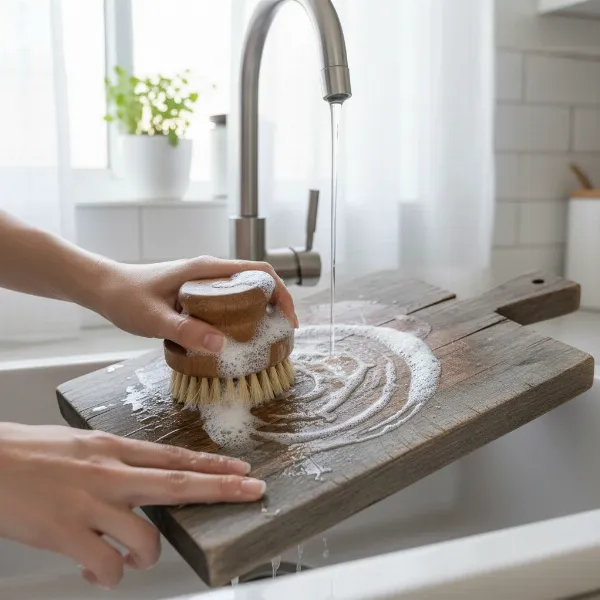
Before applying any oil, your cutting board must be impeccably clean and completely dry. Wash your board thoroughly with warm water and a mild dish soap. Use a soft sponge or cloth to scrub away any food debris. For stubborn stains or odors, you can rub half a lemon over the surface with a sprinkle of coarse salt, then rinse. After washing, rinse the board well and dry it immediately with a clean towel. Crucially, allow the board to air-dry completely for several hours, or even overnight, before oiling. Any residual moisture can be trapped by the oil, potentially leading to issues.
Application: Liberally Apply Oil
Once your board is dry, place it on a clean surface, ideally with a towel underneath to catch any drips. Pour a generous amount of your chosen food-grade mineral oil or walnut oil onto the surface. Don’t be shy; for a new board, you might feel like you’re using “far too much” initially. A few tablespoons is a good starting point for an average-sized board.
Saturation: Let it Soak In
Using a clean, soft cloth or paper towel, begin to rub the oil into the wood in slow, circular motions. Make sure to cover all surfaces of the board, including the edges and especially the end grains, which are the most porous parts of the wood and will absorb the most oil. Continue rubbing until the oil is evenly distributed and the entire board appears saturated.
After applying, let the oil soak into the wood. For best results, allow it to sit for at least a few hours, or ideally, overnight. This gives the wood ample time to absorb the oil deeply. If you’re seasoning a brand-new board, you might notice that the oil is completely absorbed after a short time; this indicates that the wood is very thirsty and will benefit from multiple applications.
Finishing: Wipe Away Excess
After the soaking period, take a clean, dry cloth or paper towel and vigorously buff off any excess oil from the board’s surface. Your goal is for the board to feel smooth and conditioned, not damp or sticky. Continue wiping until no more oil transfers to your cloth. The board should have a satin sheen and feel dry to the touch.
Repeat for New Boards and Regular Maintenance
For a brand-new cutting board, it’s highly recommended to repeat the oiling process multiple times during its initial break-in period. Many experts suggest applying oil once a day for a week, then once a week for a month, then once a month for a year, and finally, once a year for the rest of its life – a classic adage highlighting the importance of initial saturation. This intensive initial seasoning saturates the wood thoroughly, building a strong protective foundation. For regular maintenance, repeat the oiling process monthly or quarterly, or whenever your board starts to look dry and faded.
Oiling Frequency: How Often is Enough?
Determining how often to oil your wooden cutting board depends on several factors, including how frequently you use it, how often it’s washed, and even the climate you live in.
Initial Seasoning for New Boards
As mentioned, new boards are particularly thirsty. The “once a day for a week, once a week for a month, once a month for a year, once a year for the rest of its life” adage serves as a strong guideline for initial seasoning. The goal is to fully saturate the wood, making it robust against moisture and wear from the start.
Ongoing Maintenance Schedule
For established boards, a good rule of thumb is to oil them monthly or at least quarterly. Boards used heavily or washed frequently may need more frequent attention. If you reside in a particularly dry climate, you might also find your boards dry out faster and require more regular oiling.
Visual Cues for Re-oiling
Ultimately, the best indicator for when to re-oil your board is its appearance and feel. If your board starts to look dull, faded, or unusually dry, it’s signaling that it needs attention. Water beads on a well-oiled surface; if water soaks in rather than beading up, it’s definitely time to re-oil. A board that feels rough or looks ‘thirsty’ also needs a good conditioning.
Common Mistakes to Avoid When Caring for Your Wooden Board
Proper care is key to extending the life of your wooden cutting board, and avoiding common pitfalls is just as important as following the correct steps.
Soaking in Water or Dishwashing
One of the most damaging things you can do to a wooden cutting board is to soak it in water or, even worse, run it through a dishwasher. Excessive exposure to water causes the wood to swell, and as it dries unevenly, it can lead to warping, cracking, and splitting. The high heat and harsh detergents of a dishwasher will strip the wood of its natural oils, leaving it dry, brittle, and prone to damage. Always hand wash your wooden board and never let it sit submerged in water.
Using Inappropriate Oils
As discussed earlier, using cooking oils like olive, vegetable, or canola oil on your cutting board is a common mistake. These oils will inevitably turn rancid, creating an unpleasant smell and a sticky, gummy surface that is difficult to clean and unhygienic. Always use food-grade mineral oil, pure walnut oil (if no allergies), or a mineral oil and beeswax blend designed for cutting boards.
Insufficient Drying
Applying oil to a board that isn’t completely dry can trap moisture within the wood, which can lead to mold or mildew growth over time. Ensure your board is thoroughly air-dried after washing before you begin the oiling process. Patience is crucial here; a few hours or an overnight dry can make a significant difference.
Extending the Life of Your Wooden Cutting Board
Beyond oiling and seasoning, a few additional practices can significantly contribute to your board’s longevity and performance.
Gentle Hand Washing
Always hand wash your wooden cutting board immediately after use with warm water and mild dish soap. Use a soft brush or sponge to gently scrub off food residue. Rinse thoroughly but quickly, then dry with a clean towel.
Proper Storage
Store your cutting board in a way that allows air to circulate around all sides. Leaning it against a backsplash, placing it in a rack, or hanging it will prevent moisture from getting trapped on one side, which can cause warping. Avoid storing it flat on a counter or in a drawer if it’s still slightly damp.
Addressing Deep Stains and Odors
For persistent stains, a paste of baking soda and water can be applied, left for 15-20 minutes, then scrubbed and rinsed. For strong odors, rubbing the board with half a lemon and coarse salt, letting it sit briefly, then rinsing and drying, can be very effective.
Conclusion
Caring for your wooden cutting board by regularly oiling and seasoning it is a simple yet vital ritual that ensures its beauty, hygiene, and longevity. By understanding the importance of this maintenance, selecting the right food-safe oils and waxes, and diligently following a step-by-step application process, you can protect your investment for years to come. Avoid common mistakes such as dishwashing or using unsuitable oils, and embrace the routine of gentle cleaning and proper storage. A well-maintained Wooden Cutting Board isn’t just a tool; it’s a testament to good craftsmanship and mindful kitchen practices. Take the time to nourish your board, and it will reward you with a reliable, beautiful surface for all your culinary adventures. What culinary creations will your perfectly seasoned board inspire next?
Frequently Asked Questions
What is the difference between oiling and seasoning a cutting board?
Oiling typically refers to applying a food-safe oil (like mineral oil) to moisturize and protect the wood from drying out and absorbing moisture. Seasoning, particularly for new boards, often implies an initial, more intensive process of repeated oil applications to fully saturate the wood, building a deep protective barrier. The terms are often used interchangeably, but seasoning highlights the foundational treatment.
How long does mineral oil last on a cutting board?
The protective effect of mineral oil on a cutting board can last anywhere from a few weeks to a few months, depending on usage and cleaning frequency. Heavy use and frequent washing will deplete the oil faster, requiring more frequent reapplication.
Can I use coconut oil on my cutting board?
While some fractionated coconut oils (which remain liquid) are marketed for cutting boards, general culinary coconut oil is not recommended. Like other edible oils, it can eventually go rancid and leave a sticky residue, especially if it’s not fully absorbed or if it’s left on for too long. Stick to mineral oil or pure walnut oil for best results.
What are the signs my cutting board needs oiling?
Your cutting board needs oiling if it looks dull, faded, or significantly lighter in color than usual. If water no longer beads up on the surface but instead soaks into the wood, it’s a clear indicator. Additionally, if the board feels rough or dry to the touch, it’s time for a fresh coat of oil.