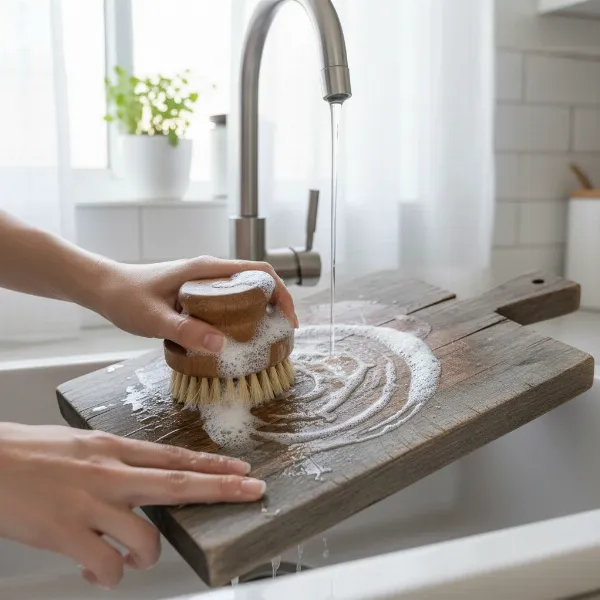
Is your beloved wooden cutting board showing its age? Deep knife marks, stubborn stains, and a dull, dry appearance can make even the finest cutting board look less than appealing. But before you banish it to the recycling bin, consider giving it a new lease on life. Resurfacing and sanding an old wooden cutting board is a rewarding project that can restore its beauty, improve hygiene, and extend its lifespan. With a few simple tools and a bit of effort, you can transform a worn-out kitchen essential into a smooth, vibrant piece ready for many more years of culinary adventures. Let’s dive into the process and rediscover the joy of a perfectly conditioned cutting surface.
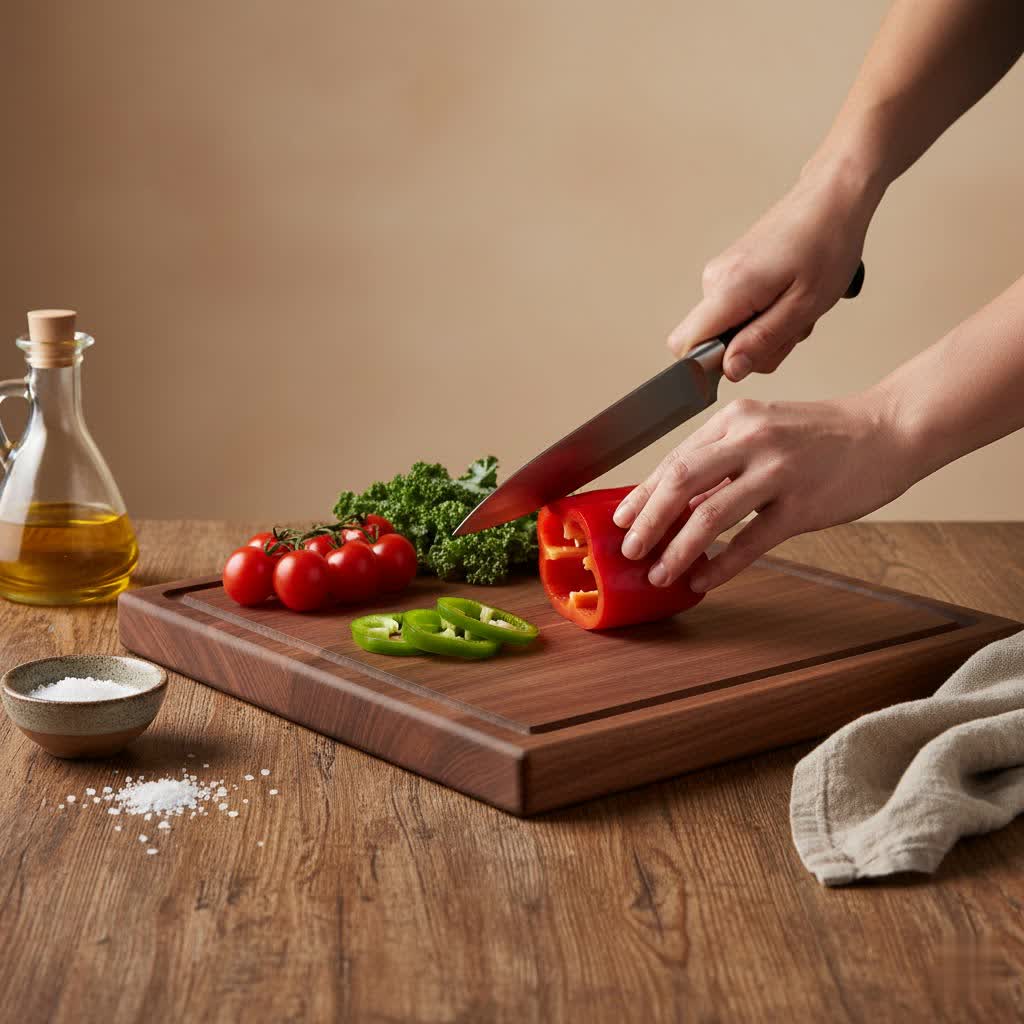
Wooden Cutting Board Overview
Wooden cutting boards are cherished kitchen tools, known for their durability and aesthetic appeal. Far more than just a surface for chopping, they are an integral part of culinary tradition, offering a tactile connection to food preparation. Historically, wood has been a primary material for cutting surfaces due to its natural properties.
These boards come in various types, each made from different woods like walnut, maple, or bamboo, offering unique characteristics in terms of hardness, grain, and resistance to moisture. Understanding your board’s material can help you tailor the resurfacing process for optimal results.
Advantages and Disadvantages of Wooden Cutting Boards
Wooden cutting boards bring a certain warmth and classic elegance to any kitchen, but like all materials, they have their pros and cons. Understanding these can help in appreciating the restoration process.
Advantages
- Aesthetic Appeal: The natural grain and rich tones of wood add a timeless, organic beauty to your kitchen space.
- Knife-Friendly Surface: Wood is inherently softer than your knife blade, which helps keep your knives sharper for longer, reducing the frequency of sharpening.
- Natural Antimicrobial Properties: Many hardwoods possess natural antimicrobial compounds that inhibit bacterial growth, making them a surprisingly hygienic choice when properly maintained.
- Durability and Longevity: With proper care, a quality wooden cutting board can last for decades, often becoming a cherished family heirloom.
Disadvantages
- Prone to Scratches and Odors: While friendly to knives, wood can show knife marks over time. It can also absorb strong food odors if not cleaned promptly.
- Requires Regular Maintenance: Unlike plastic or glass, wood needs consistent cleaning, drying, and oiling to prevent warping, cracking, and maintain its hygienic properties.
- Higher Initial Cost: Good quality wooden cutting boards often have a higher upfront cost compared to their plastic or bamboo counterparts.
- Potential for Warping or Cracking: Without proper conditioning and care, exposure to excessive moisture or extreme temperature changes can cause the wood to warp, split, or crack.
Types of Wooden Cutting Boards
Wooden cutting boards come in various constructions and wood types, each impacting their durability, appearance, and how they respond to sanding and conditioning.
Hardwood Cutting Boards
Hardwoods like maple, walnut, cherry, and oak are popular choices for cutting boards due to their density and closed grain structure.
- Pros: Extremely durable, resistant to deep knife marks, and possess excellent natural antimicrobial properties. They offer a premium feel and beautiful grain patterns.
- Cons: Generally more expensive and heavier. Their hardness can make initial sanding more time-consuming if deep imperfections are present.
Softwood Cutting Boards
While less common for primary cutting boards, some softwoods like pine might be used for decorative purposes or very light use.
- Pros: Lighter and less expensive.
- Cons: Much less durable, prone to deep knife marks, and can harbor bacteria more easily due to their porous nature. Sanding may remove material quickly, requiring a delicate touch.
Bamboo Cutting Boards
Technically a grass, bamboo boards are often grouped with wooden boards. They are made by laminating strips of bamboo together.
- Pros: Environmentally friendly, lightweight, and offer good resistance to water. They are generally hard and less prone to deep gouges than some softwoods.
- Cons: Can dull knives faster than traditional hardwoods. The glues used in lamination can sometimes fail, leading to splitting or delamination over time. Their fibrous nature can sometimes make sanding a bit different, requiring careful attention to avoid splintering.
Butcher Block Cutting Boards
These are typically thick, heavy boards made by gluing together many individual pieces of wood, often in an end-grain or edge-grain construction.
- Pros: Exceptionally durable, self-healing properties (especially end-grain), and very stable. They provide a large, robust cutting surface ideal for heavy-duty tasks.
- Cons: Very heavy, making them harder to move and clean. They are often the most expensive type and require substantial sanding to remove significant imperfections due to their thickness and construction.
Comparing Wooden Cutting Board Types
| Feature | Hardwood (Maple, Walnut) | Softwood (Pine) | Bamboo | Butcher Block (End-Grain/Edge-Grain) |
|---|---|---|---|---|
| Durability | High | Low | Medium-High | Very High |
| Antimicrobial Props. | Good | Low | Good | Good |
| Price | High | Low | Medium | Very High |
| Knife Friendliness | Excellent | Good | Moderate | Excellent (especially end-grain) |
| Ease of Cleaning | Moderate | Moderate | Moderate | Moderate (due to size/weight) |
| Maintenance Needs | Regular oiling | Regular oiling | Regular oiling | Frequent oiling |
| Scratch Resistance | High | Low | Medium | High |
| Weight | Medium-High | Low | Low-Medium | Very High |
How to Resurface and Sand Your Old Cutting Board: A Step-by-Step Guide
Revitalizing a tired wooden cutting board is a straightforward process that yields impressive results. Here’s how to do it:
Step 1: Preparation is Key
Before you begin sanding, ensure your work area is clean and well-ventilated. Sanding creates a significant amount of dust, so wearing a face mask is crucial for your health. Lay down an anti-slip mat or a damp towel to keep the board steady during sanding without needing clamps. Use a razor blade or kitchen scraper to remove any dried food residue or stubborn gunk from the board’s surface. A clean starting point ensures an even sanding process.
Step 2: Initial Coarse Sanding to Remove Deep Imperfections
Begin with coarse-grit sandpaper to tackle deep knife marks, gouges, and stubborn stains. An orbital sander is ideal for this step, but you can also use a sanding block with sandpaper for manual sanding.
- Grit Recommendation: Start with 50-80 grit sandpaper.
- Technique: Sand with the wood grain. Keep the sander moving constantly across the entire surface to avoid creating depressions or uneven areas. Apply light, even pressure.
- Goal: Continue with this grit until all deep scratches, cuts, and discolored areas are completely removed. This may take several passes. Do not move to the next grit until all major blemishes are gone.
Step 3: Progressing Through Finer Grits for a Smooth Finish
Once the deep marks are gone, gradually move to finer grits of sandpaper. Each subsequent grit will remove the sanding marks left by the previous, coarser grit, progressively smoothing the wood surface.
- Grit Sequence: Follow with 100-120 grit, then 150-180 grit, and finally 220 grit. For an exceptionally smooth finish, you can even go up to 320 or 400 grit.
- Technique: Always sand with the grain. Between each grit change, wipe down the board thoroughly with a tack cloth or a slightly damp rag to remove all sawdust. This allows you to clearly see the progress and ensure all previous grit marks are eliminated before moving on.
Step 4: Raise the Grain for Lasting Smoothness
After the final 220-grit (or higher) sanding, lightly mist the entire cutting board with water and let it dry completely (15-20 minutes, or longer if needed). This process “raises the grain” – any wood fibers torn during sanding will swell and stand up, making the surface feel rough again. Once dry, lightly hand-sand the entire board again with your finest grit sandpaper (220 or 320 grit) to knock down these raised fibers. This crucial step ensures your board stays smooth even after it gets wet from washing.
Step 5: Final Cleaning and Dust Removal
After the last sanding and grain raising, it’s vital to remove every trace of sawdust. Rinse the board thoroughly under running water, scrubbing gently with a clean cloth to dislodge any embedded dust. Let the board air dry completely, ideally overnight, standing it on its side to ensure even drying.
Step 6: Nourish and Protect with Food-Safe Oil
Once completely dry, your board is ready for conditioning. This step is critical to hydrate the wood, prevent cracking, and provide a protective barrier against moisture and bacteria.
- Product: Use a food-grade mineral oil or a butcher block conditioner (a blend of mineral oil and wax). Avoid vegetable oils like olive or canola oil, as they can go rancid over time.
- Application: Apply a generous amount of oil to the board, rubbing it into all surfaces (top, bottom, and sides) with a clean, lint-free cloth. You want the wood to look saturated and wet.
- Soaking: Allow the oil to soak into the wood for at least 15-20 minutes, or even a few hours for very dry boards. The wood will absorb the oil, bringing out its natural color and grain.
- Wipe Excess: After soaking, wipe off any excess oil with a clean cloth until the surface feels dry to the touch, not sticky or greasy.
- Repeat: For a new or heavily restored board, consider applying 2-3 coats of oil, allowing adequate soaking and wiping time between each application.
Step 7: Apply a Wax Finish (Optional but Recommended)
For an extra layer of protection and a beautiful sheen, apply a food-grade wood wax or board cream (often a blend of beeswax and mineral oil) after the oil has fully absorbed.
- Application: Rub a small amount of wax into the wood with a clean cloth, working with the grain.
- Buffing: Let the wax sit for 15-30 minutes, then buff it vigorously with a clean, dry cloth until the board shines. This creates a durable, water-resistant barrier.
How to Clean and Maintain Your Resurfaced Cutting Board
Once your cutting board is beautifully restored, proper ongoing care is essential to keep it looking new and hygienic.
Proper Cleaning Techniques
- Wash Immediately: After each use, wash your board promptly with warm water and a mild dish soap.
- Gentle Scrubbing: Use a soft brush or sponge to scrub the surface, focusing on areas with food residue. Avoid abrasive scrubbers that can damage the wood.
- Rinse and Dry Thoroughly: Rinse both sides of the board thoroughly under running water. Immediately wipe the board dry with a clean towel and stand it on its edge or in a rack to allow air circulation on all sides. Never let a wooden board air dry flat, as this can lead to warping.
- Deep Cleaning/Sanitizing: For occasional deep cleaning or odor removal, sprinkle coarse salt on the board and scrub with half a lemon, then rinse. Alternatively, you can use a paste of baking soda and water, let it sit for 15 minutes, then rinse. For extra sanitization, a light mist of 3% hydrogen peroxide, left for 10 minutes before rinsing, can be effective.
Essential Storage and Preservation Tips
- Regular Oiling: Re-oil your cutting board every month or whenever it looks dry. This replenishes moisture and maintains its protective barrier.
- Avoid Soaking: Never soak a wooden cutting board in water, as this can cause it to swell, warp, and crack.
- No Dishwasher: The intense heat and prolonged moisture of a dishwasher are detrimental to wooden cutting boards and will cause severe damage. Always hand wash.
- Proper Storage: Store your board in a dry, cool place, preferably standing on edge or flat where air can circulate around it. Avoid storing it near heat sources like ovens or radiators, which can dry out the wood.
- Rotate Usage: If you have multiple boards, rotate their use to reduce wear and tear on a single board.
Essential Tips for Using Your Wooden Cutting Board
Maximizing the life and performance of your wooden cutting board involves adopting a few smart habits in the kitchen.
- Dedicated Boards: Consider having separate cutting boards for raw meats and cooked foods or produce to prevent cross-contamination.
- Stabilize Your Board: Place a damp cloth or a non-slip mat underneath your cutting board to prevent it from sliding around during use, enhancing safety and stability.
- Mindful Chopping: While wood is resilient, avoid excessively heavy chopping or cleaving that could create very deep gouges or even split the board.
- Regular Inspection: Periodically inspect your board for signs of excessive wear, deep cracks, or persistent odors. While resurfacing can fix many issues, some boards may eventually need replacement for optimal hygiene and safety, typically every 1-2 years depending on usage and maintenance.
- Embrace the Patina: Over time, your cutting board will develop a unique patina from use. These subtle marks tell a story and add character, showcasing its journey as a beloved kitchen companion.
“A well-maintained wooden cutting board isn’t just a tool; it’s an investment in your kitchen that provides both beauty and functionality for years to come.”
Conclusion
Restoring an old wooden cutting board through resurfacing and sanding is a deeply satisfying process that transforms a tired, scarred surface into a beautiful, functional kitchen staple. By carefully following the steps of cleaning, sanding through progressive grits, raising the grain, and finally nourishing it with food-safe oil and wax, you not only extend its life but also rediscover its inherent beauty. This hands-on project not only saves money but also fosters a deeper connection with your kitchen tools.
Isn’t it amazing how a little care can bring so much life back to something you use every day? Give your wooden cutting board the revitalization it deserves and enjoy its renewed elegance and performance in your culinary endeavors. What unique characteristics does your favorite cutting board possess, and how has it served you over the years?
Frequently Asked Questions
Can I resurface a very old and heavily damaged cutting board?
Yes, most Wooden Cutting Boards, even those with significant knife marks, stains, and minor warping, can be successfully resurfaced. The key is to start with a coarse enough grit sandpaper to remove the deepest imperfections and be patient throughout the sanding process. However, if the board has severe structural damage, deep cracks that go all the way through, or signs of mold that can’t be sanded away, it might be beyond restoration.
What kind of sander should I use for a cutting board?
An orbital sander is highly recommended for its efficiency and ability to produce an even surface. For smaller boards or intricate areas, a detail sander can be useful. If you don’t have a power sander, a simple sanding block with sheets of sandpaper will work, though it will require more manual effort and time. Always sand with the grain to avoid visible cross-grain scratches.
How often should I re-oil my wooden cutting board after resurfacing?
After resurfacing, your board will be very thirsty. You should apply several coats of food-safe mineral oil or butcher block conditioner initially, allowing each coat to soak in for several hours before wiping off the excess. Moving forward, re-oil your board at least once a month, or whenever the wood starts to look dry and dull. This regular conditioning is vital to prevent cracking, maintain its protective barrier, and keep it looking its best.
Is it safe to use any type of oil on a wooden cutting board?
No, it is crucial to use only food-safe oils for your cutting board. Mineral oil (often labeled as “butcher block oil” or “cutting board oil”) is the most common and highly recommended choice because it is food-safe, non-toxic, and does not go rancid. Avoid vegetable oils like olive, canola, or sunflower oil, as these can become sticky and rancid over time, leading to unpleasant odors and flavors.
How can I prevent my cutting board from warping after resurfacing?
To prevent warping, always ensure you oil both sides of the cutting board evenly to maintain balanced moisture content. After washing, dry the board immediately and allow it to air dry standing on its edge so both sides can breathe. Avoid soaking the board in water or placing it in a dishwasher, as prolonged exposure to moisture and extreme heat are primary causes of warping.