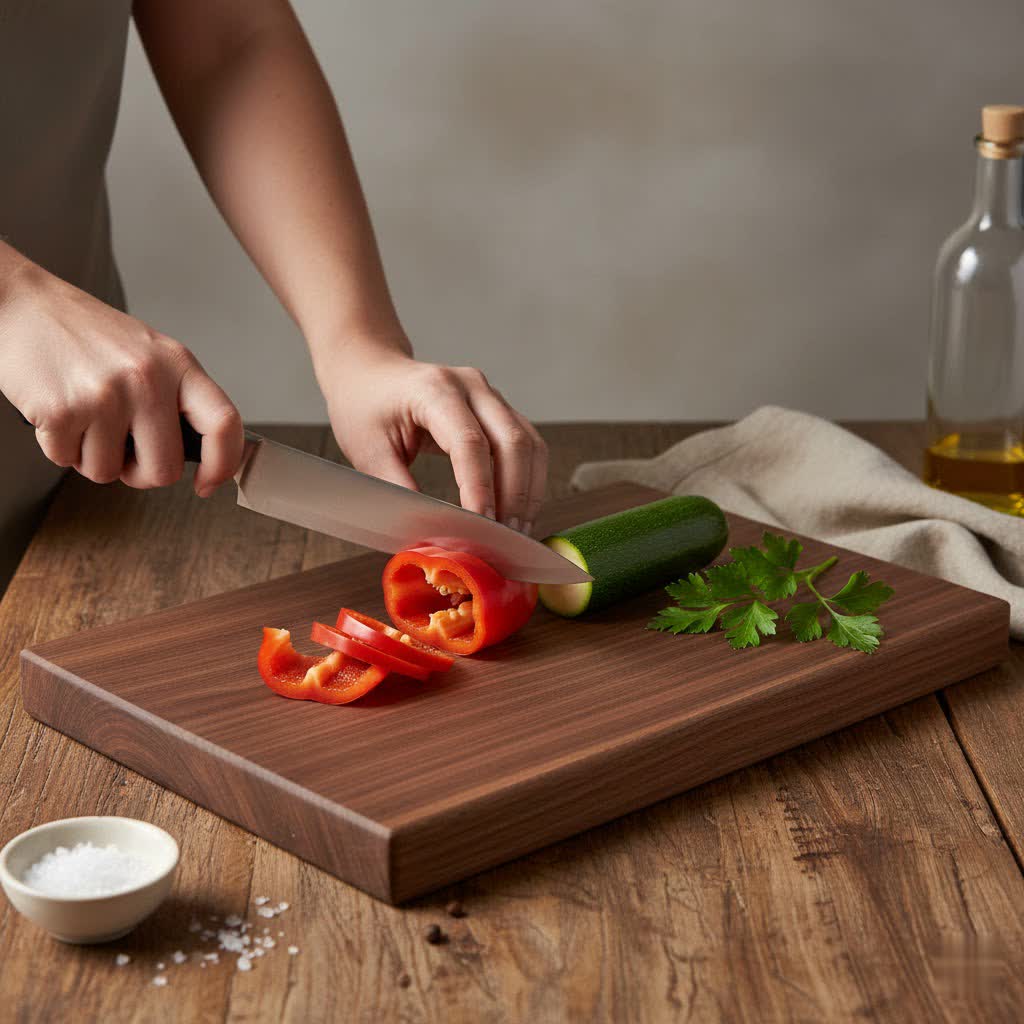
Bringing a new wooden cutting board into your kitchen is like welcoming a timeless piece of culinary artistry. Renowned for their durability, knife-friendliness, and natural antimicrobial properties, wooden boards are a favorite among home cooks and professional chefs alike. However, before you make your first cut, there’s a crucial step that ensures your beautiful board lasts for years to come: seasoning. This process isn’t just a recommendation; it’s an essential ritual that protects the wood, enhances its performance, and maintains its aesthetic appeal. If you’re wondering how to properly season a new wooden cutting board before its first use, you’ve come to the right place. We’ll walk you through the simple yet vital steps to prepare your board for a lifetime of service.
The Essential Benefits of Seasoning Your New Wooden Cutting Board
Seasoning a wooden cutting board is more than just applying oil; it’s a protective measure that safeguards your investment and elevates its functionality. Wood, by its very nature, is porous. Without proper treatment, it can readily absorb liquids, odors, and even bacteria from the food you prepare. This absorption leads to several undesirable outcomes, from staining and lingering smells to, more critically, warping and cracking as the wood repeatedly expands and contracts with moisture exposure. A well-seasoned board forms a robust barrier that repels moisture, ensures hygiene, and keeps your board looking pristine.
Enhanced Durability and Longevity
Table is empty.Seasoning deeply moisturizes the wood fibers, making them more pliable and less prone to brittleness. This internal hydration significantly reduces the risk of your board drying out, developing unsightly cracks, or warping over time. A properly seasoned board stands up better to the rigors of daily chopping, extending its lifespan and keeping it a staple in your kitchen for decades.
Protection Against Moisture and Bacteria
The oil penetrates the wood grain, creating a water-resistant layer that prevents liquids from soaking in. This protective barrier is vital for hygiene, as it stops food juices and moisture from harboring bacteria within the wood itself. Furthermore, it helps prevent stains and the absorption of strong food odors, ensuring your board remains fresh and clean.
Maintaining Aesthetic Appeal
Beyond its practical benefits, seasoning deepens the natural color of the wood, bringing out its rich grain patterns and giving it a lustrous finish. This not only makes your cutting board more visually appealing but also ensures it ages gracefully, developing a beautiful patina that tells the story of countless meals prepared.
Choosing the Right Products for Seasoning
Selecting the correct oil or cream is paramount for effective seasoning. Not all oils are created equal, and using the wrong type can do more harm than good.
Food-Safe Mineral Oil
The gold standard for seasoning wooden cutting boards is food-grade mineral oil. It’s inexpensive, readily available, and, crucially, non-toxic and non-drying. Unlike vegetable oils, mineral oil does not polymerize (harden) or go rancid over time, which would leave your board sticky, smelly, and unhygienic. Look for products specifically labeled as “food-grade mineral oil,” “cutting board oil,” or “butcher block oil.”
Board Cream or Wax Blends
For an extra layer of protection and a more durable finish, many experts recommend following up mineral oil with a board cream or wax blend. These products typically combine mineral oil with natural waxes like beeswax or carnauba wax. The wax helps to seal the oil into the wood, providing enhanced water resistance and a silky smooth finish. It’s particularly effective at filling small imperfections and offering a more robust barrier against moisture.
Oils to Avoid
Steer clear of common kitchen oils such as olive oil, canola oil, sunflower oil, or coconut oil (unless it’s fractionated coconut oil, which is stable). These oils can oxidize and turn rancid over time, leaving an unpleasant smell and sticky residue on your board. Similarly, avoid tung oil or linseed oil unless they are specifically labeled as “food-safe” and “polymerized,” as industrial versions can contain harmful chemicals.
Step-by-Step Guide: How to Season a New Wooden Cutting Board
Seasoning a new wooden cutting board before its first use is a straightforward process that lays the foundation for its long-term health. Follow these steps carefully to ensure your board is perfectly prepared.
Initial Cleaning and Drying
Before applying any oil, your new cutting board must be impeccably clean and completely dry. Wash it thoroughly with warm water and a mild dish soap. Use a soft sponge or cloth to gently scrub away any dust or manufacturing residues. Rinse the board well under running water, ensuring no soap remains. Once clean, dry it immediately with a clean towel. For optimal drying, stand the board upright in a dish rack or lean it against a wall, allowing air to circulate around all surfaces. It’s crucial that the board is bone dry before moving to the next step, as any trapped moisture can hinder oil absorption and lead to problems later.
Generous Application of Oil
Once your board is completely dry, it’s time for the first oil application. Pour a generous amount of food-grade mineral oil directly onto the board’s surface. Don’t be shy; for a new board, you want to saturate the wood thoroughly. Use a clean, lint-free cloth or paper towel to spread the oil evenly across the entire surface. Make sure to cover not only the top and bottom but also all four sides and edges. The wood will begin to soak up the oil almost immediately, revealing its natural grain and color.
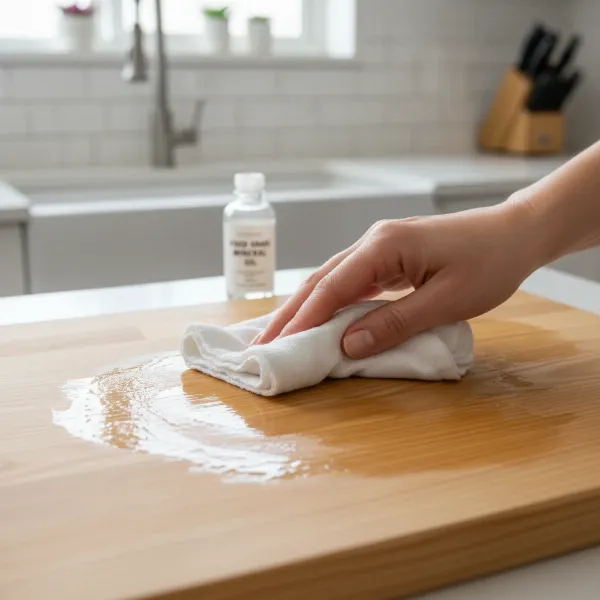 Applying food-grade mineral oil generously to a new wooden cutting board with a cloth to ensure deep absorption and protection.
Allowing for Deep Absorption
After applying the oil, let the board sit and absorb the oil for an extended period. For initial seasoning, aim for at least 4 hours, but preferably overnight. This long soaking time allows the mineral oil to penetrate deep into the wood fibers, providing maximum hydration and protection. You might notice some areas appear drier after a few hours, indicating “thirsty” spots that need more attention.
Repeating the Process for Optimal Saturation
For a brand-new board, one application is rarely enough. The goal is to fully saturate the wood. After the initial soaking period, wipe off any excess oil that hasn’t been absorbed. Then, repeat the oil application process two to three more times, allowing for several hours of absorption between each coat. This multi-coat approach ensures that the board is thoroughly conditioned and creates a strong protective barrier from the start. You’ll know your board is adequately seasoned when the wood no longer rapidly absorbs the oil, and it feels smooth and well-hydrated to the touch.
Applying Board Cream (Optional but Recommended)
Once the board has been thoroughly oiled and has absorbed all it can, consider applying a board cream or wax blend. Take a small amount of the cream and rub it into the board using circular motions with a clean cloth. The wax will help to seal in the mineral oil, offering an extra layer of defense against moisture and helping to maintain the board’s luster. Let the cream penetrate for a few hours, then buff off any excess with a clean, dry cloth until the surface feels smooth and non-greasy.
Maintaining Your Wooden Cutting Board After Initial Seasoning
Initial seasoning is a critical first step, but ongoing maintenance is equally important to keep your wooden cutting board in top condition. Regular care ensures its longevity, hygiene, and beauty.
How Often to Re-season
After the initial seasoning of a new board, you’ll need to re-season it periodically. A good rule of thumb is to oil your board monthly, or more frequently if you use and wash it often. If your board feels dry, looks faded, or appears dull, it’s a clear sign it needs re-oiling.
Signs It Needs Re-seasoning
A simple water test can tell you if your board needs more oil. Sprinkle a few drops of water onto the surface. If the water beads up, your board is still well-protected. If the water soaks into the wood or spreads out and clings to the surface, it’s time for another round of seasoning. Consistent re-seasoning prevents the wood from drying out, cracking, and absorbing unwanted moisture and odors.
General Care Tips
- Clean Immediately: After each use, wash your board promptly with warm water and mild soap. Avoid harsh detergents.
- Dry Thoroughly: Always wipe your board dry with a clean towel and let it air dry completely, standing it upright to allow even air circulation.
- No Dishwasher: Never put your wooden cutting board in a dishwasher. The extreme heat and prolonged exposure to water will cause it to warp, crack, and potentially harbor bacteria.
- Avoid Soaking: Do not submerge your wooden board in water for extended periods. This can lead to swelling and cracking.
Common Mistakes to Avoid When Seasoning
While seasoning is straightforward, a few common errors can undermine your efforts and potentially damage your board. Being aware of these pitfalls can save you time and preserve your board.
- Using the Wrong Oils: As mentioned, vegetable oils that can go rancid are a major no-no. Always opt for food-grade mineral oil or specialized board oils/creams.
- Not Drying Completely: Applying oil to a damp board traps moisture inside, which can lead to bacterial growth, mold, and eventual damage. Ensure your board is bone dry before starting.
- Not Applying Enough Oil: Especially for a new, “thirsty” board, a skimpy application won’t provide adequate protection. Be generous and ensure full saturation, repeating applications as needed.
- Not Allowing Enough Soak Time: Rushing the process means the oil won’t penetrate deeply enough, resulting in a superficial coating that offers limited protection. Patience is key; let the oil soak in for several hours or overnight.
- Neglecting All Surfaces: It’s easy to focus on the main cutting surfaces, but the sides and edges are equally vulnerable to moisture and drying out. Always oil all six sides of your board to ensure even protection and prevent warping.
“A well-seasoned board isn’t just a prettier board; it’s a healthier, more resilient tool that will serve you faithfully for years to come. Skipping this step is like buying a car and never changing the oil.” – Admin, Reviewerix.com, Cutting Board Expert
Conclusion
Seasoning your new wooden cutting board before its first use is an indispensable ritual for any serious cook. This simple yet profound act of care ensures your board’s longevity, enhances its resistance to moisture and bacteria, and preserves its natural beauty. By choosing the right products—food-grade mineral oil and an optional board cream—and diligently following the cleaning, oiling, and soaking steps, you’re not just conditioning wood; you’re building a foundation for years of safe, enjoyable culinary experiences. Remember to embrace regular maintenance, and your wooden cutting board will remain a cherished and reliable companion in your kitchen. What culinary masterpieces will your beautifully seasoned board inspire you to create?
Frequently Asked Questions
Why is it so important to season a new wooden cutting board?
Seasoning a new wooden cutting board is crucial because wood is porous and can absorb moisture, food odors, and bacteria, leading to warping, cracking, and hygiene issues. The seasoning process creates a protective barrier that seals the wood, preventing absorption, enhancing durability, and maintaining its aesthetic appeal.
What kind of oil should I use for seasoning my cutting board?
For seasoning your wooden cutting board, you should exclusively use food-grade mineral oil or a cutting board-specific oil/cream that contains mineral oil and natural waxes like beeswax. These are non-toxic, don’t go rancid, and effectively penetrate and protect the wood without leaving sticky residues.
How often should I season my wooden cutting board after the initial treatment?
After the initial intensive seasoning for a new board, it’s generally recommended to re-season your wooden cutting board about once a month, or whenever it appears dry, faded, or when water no longer beads on its surface. Regular re-oiling keeps the wood hydrated and protected against damage.
Can I use olive oil or vegetable oil to season my wooden cutting board?
No, you should strictly avoid using olive oil, vegetable oil, or other cooking oils for seasoning your wooden cutting board. These oils will oxidize and turn rancid over time, leaving an unpleasant smell, a sticky film, and potentially fostering bacterial growth on your board.
What are the main benefits of using a board cream in addition to mineral oil?
Board cream, typically a blend of mineral oil and beeswax or other natural waxes, provides an additional layer of protection for your Wooden Cutting Board. It helps to seal in the mineral oil, offers enhanced water resistance, and gives the board a smoother, more lustrous finish, further extending its life and beauty.