A sturdy, reliable cutting board is the unsung hero of any kitchen, tirelessly bearing the brunt of daily meal preparation. While countless options exist, the wooden cutting board holds a special place, revered for its aesthetic appeal and functionality. Among the premium choices, the Brooklyn Butcher Blocks End Grain Maple cutting board stands out, promising exceptional performance and durability. But does it truly live up to the hype and investment? Let’s explore its characteristics, benefits, drawbacks, and what makes it a notable contender in the world of high-quality kitchen tools.
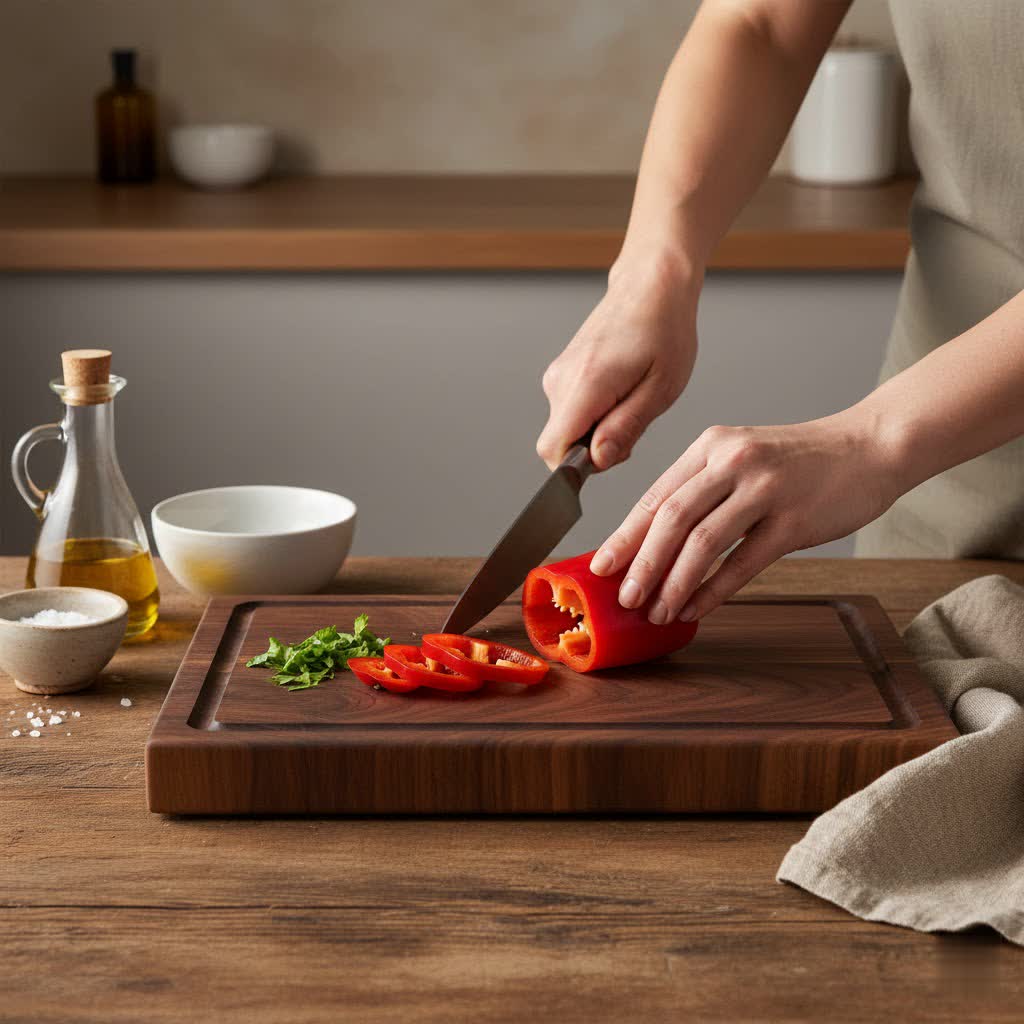
Wooden Cutting Board Overview
A wooden cutting board is more than just a surface for slicing and dicing; it’s a foundational kitchen tool crafted from various types of wood, designed to protect countertops and maintain knife sharpness. These essential pieces of kitchenware have a rich history, evolving from simple slabs of wood to sophisticated, engineered blocks prized by home cooks and professional chefs alike.
Historically, wood has been a natural choice for food preparation surfaces due to its inherent properties. Over centuries, techniques have refined, leading to different constructions like end grain, edge grain, and face grain boards. Today, wood choices are diverse, with popular options including dense hardwoods like maple, walnut, and cherry, known for their resilience and beauty. Bamboo, a fast-growing grass, also offers an eco-friendly alternative, though its high silica content can be tougher on knives. Each type of wood and construction method brings unique characteristics to the cutting experience, influencing durability, maintenance, and overall kitchen aesthetic.
Advantages and Disadvantages of Wooden Cutting Boards
Wooden cutting boards, particularly those made from high-quality hardwoods, offer a compelling blend of benefits alongside a few considerations that users should be aware of before investing.
Advantages
- High Aesthetic Appeal: Wooden boards add a natural, warm, and sophisticated touch to any kitchen decor. Their unique grain patterns and rich colors contribute to a timeless charm.
- Knife-Friendly Surface: Unlike harder materials like glass or plastic, wood is forgiving on knife blades. The softer surface allows the blade to sink slightly into the wood fibers, helping to maintain sharpness and prevent premature dulling.
- Natural Antibacterial Properties: Many hardwoods, including maple, possess natural antimicrobial properties. Wood can absorb bacteria, trapping and eventually killing them within its porous structure, making it a hygienic choice for food preparation if properly cared for.
- Durability and Longevity: With proper maintenance, a high-quality wooden cutting board can last for decades, becoming a cherished heirloom. Their robust construction and ability to be refinished extend their lifespan significantly.
Disadvantages
- Prone to Scratches and Stains: While gentle on knives, wood can show knife marks and absorb stains from highly pigmented foods like beets or berries, especially lighter woods like maple.
- Requires Regular Maintenance: To prevent warping, cracking, and to maintain its hygienic properties, wooden cutting boards require consistent oiling and conditioning. They should never be soaked in water or put in a dishwasher.
- Higher Price Point: Quality wooden cutting boards, especially end-grain varieties, typically come with a higher initial cost compared to plastic or bamboo alternatives due to the craftsmanship and material quality involved.
- Potential for Warping or Cracking: If not properly cared for—such as being exposed to excessive moisture or extreme temperature changes—wooden boards can warp, crack, or split, compromising their functionality and appearance.
Popular Types of Wooden Cutting Boards
Understanding the different constructions of wooden cutting boards is key to choosing the right one for your kitchen. Each type offers distinct characteristics in terms of durability, aesthetics, and knife-friendliness.
Hardwood Cutting Boards
Hardwood boards are crafted from dense, durable woods like maple, walnut, cherry, and oak. These woods are highly prized for their strength, longevity, and ability to withstand repeated chopping. Maple, in particular, is a popular choice due to its fine, tight grain, which resists moisture and bacteria infiltration. Hardwood boards are known for their exceptional durability and resistance to deep scratches, making them a long-term investment for any serious cook. However, their density can also contribute to a higher price point.
Softwood Cutting Boards
While less common for primary cutting surfaces, softwoods such as pine or cedar are sometimes used for lighter tasks or decorative boards. These woods are generally more affordable but lack the density and durability of hardwoods. They are prone to showing knife marks, staining, and may not withstand heavy use over time. Their softer nature means they will wear down more quickly and require more frequent replacement.
Bamboo Cutting Boards
Bamboo cutting boards are an increasingly popular eco-friendly option. Bamboo is a rapidly renewable resource, making it a sustainable choice. These boards are typically harder than many wood varieties and offer good resistance to moisture and bacteria. However, the high silica content in bamboo can be hard on knife edges, potentially dulling them faster than traditional hardwood boards. They are also prone to delamination (splitting into layers) over time, especially if not well-maintained.
Butcher Block Cutting Boards
Butcher block refers more to the construction style than the wood type. These are typically thick, heavy boards made from multiple pieces of wood glued together, often in an end-grain or edge-grain configuration. Butcher block boards are renowned for their robust nature, expansive cutting surfaces, and ability to handle heavy-duty tasks like carving roasts or cleaving meats. They are often considered the pinnacle of cutting board design, offering superior durability and stability. The trade-off is their weight, which can make them difficult to move and clean, and their generally higher cost.
Comparison Table of Wooden Cutting Boards
To help illustrate the differences and aid in your decision-making, here’s a detailed comparison of the most common wooden cutting board types based on key criteria:
| Feature | Hardwood (End Grain) | Hardwood (Edge Grain) | Bamboo | Butcher Block (Thick End Grain) |
|---|---|---|---|---|
| Durability | Extremely high, self-healing | High, very durable | Moderate, can delaminate | Exceptional, long-lasting |
| Knife-Friendliness | Excellent, preserves sharpness | Good, kinder than plastic | Fair, can dull knives faster | Excellent, preserves sharpness |
| Antibacterial | Natural properties | Natural properties | Moderate | Natural properties |
| Price | High | Moderate | Low to Moderate | Very High |
| Maintenance | High (frequent oiling) | Moderate (regular oiling) | Moderate (oiling recommended) | High (frequent oiling) |
| Aesthetic | Checkerboard/brick pattern | Striped, linear grain | Distinctive, often linear | Robust, often thicker patterns |
| Weight | Heavy | Lighter than end grain | Light to moderate | Very heavy |
| Stain Resistance | Moderate (depends on wood type) | Moderate (depends on wood type) | Good | Moderate (depends on wood type) |
| Warping/Cracking | Possible if not maintained | Less prone | Possible if not maintained | Possible if not maintained |
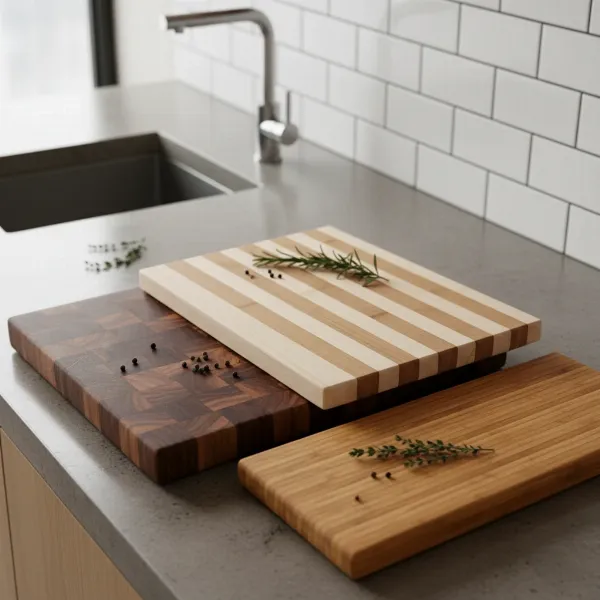 Various types of wooden cutting boards including end grain, edge grain, and bamboo, highlighting their structural differences and aesthetic appeal.
Review: Brooklyn Butcher Blocks End Grain Maple
The Brooklyn Butcher Blocks End Grain Maple cutting board is a testament to the brand’s commitment to craftsmanship and quality. Founded in 2010 by Nils Wessell, Brooklyn Butcher Blocks emphasizes sustainability, sourcing all materials from the USA and minimizing waste in their production process. The End Grain Maple board is one of their flagship products, celebrated for its robust construction and aesthetic appeal.
This board utilizes hard maple, a dense wood known for its exceptional durability and natural antibacterial properties. The end-grain construction means that the wood fibers are oriented vertically, allowing knife blades to slide between them rather than cutting across them. This “self-healing” property is a significant advantage, as it reduces visible knife marks and helps to keep your knives sharper for longer. The resulting surface has a distinctive checkerboard or “brickwork” pattern, which is both visually striking and structurally strong, reducing the odds of splitting.
However, a critical aspect of any product review includes examining the overall customer experience. While the craftsmanship of Brooklyn Butcher Blocks has been lauded by many, some recent customer feedback, particularly from online forums and the Better Business Bureau, highlights concerns regarding communication and delivery delays. The company currently holds an F rating with the BBB due to unanswered complaints, and some customers have reported significant wait times and a lack of responsiveness. While the product itself often receives high praise upon arrival, potential buyers should be aware of these reported service issues.
“A well-crafted end-grain board like the Brooklyn Butcher Blocks Maple is a joy to use, offering a cutting surface that respects your knives and withstands the test of time, provided you give it the care it deserves.” – Chef Isabella Rossi, Culinary Arts Instructor
How to Choose the Right Wooden Cutting Board
Selecting the perfect wooden cutting board involves considering several factors to ensure it meets your specific culinary needs and integrates seamlessly into your kitchen.
Determine Usage Needs
First, assess how you plan to use the board. Consider the size of your kitchen and the typical volume of food you prepare. A smaller board might suffice for light chopping, while a larger, heavier butcher block is ideal for extensive meal prep or carving. Think about the types of food you’ll be cutting—separate boards for raw meats and vegetables are highly recommended to prevent cross-contamination. Finally, set a budget, as premium wooden boards can be a significant investment.
Choose the Appropriate Wood Type
Different woods offer varying degrees of hardness, antibacterial properties, and aesthetic qualities. Hardwoods like maple, walnut, or cherry are excellent choices for their durability and knife-friendliness. Maple is a popular, balanced option, while walnut offers a darker, richer aesthetic. Bamboo is an eco-friendly alternative but can be harder on knives. Research the specific characteristics of each wood to align with your preferences for maintenance, appearance, and knife preservation. Ensure the wood is responsibly sourced and treated with food-safe finishes.
Inspect Board Quality
A quality wooden cutting board should have a flat, smooth surface free from any cracks, splinters, or rough patches. The edges should be neatly finished, ideally with a slight chamfer or round-over for comfortable handling and safety. Check for any unusual odors, which could indicate improper treatment or chemical finishes. High-quality craftsmanship is evident in tight seams and a uniform grain pattern, particularly in end-grain boards.
Consider Reputable Brands
Opting for reputable brands often ensures better quality control, durable materials, and reliable construction. While Brooklyn Butcher Blocks is recognized for its product quality, it’s also important to consider their recent customer service reputation. Reading customer reviews and professional evaluations can provide valuable insights into a brand’s reliability and product performance. Look for brands that offer clear care instructions and stand by their products.
Cleaning and Maintaining Your Wooden Cutting Board
Proper care is paramount to extending the life and maintaining the hygiene of your wooden cutting board, especially a high-quality end-grain maple board.
Correct Cleaning Techniques
After each use, immediately clean your wooden cutting board with warm water and a mild dish soap. Avoid harsh detergents or abrasive scrubbers, which can strip the wood of its natural oils. Use a soft sponge or brush to remove food debris thoroughly. For deeper cleaning or sanitization, a solution of white vinegar (diluted 1:1 with water) or lemon juice can be applied, left for a few minutes, and then rinsed off. Always rinse quickly and avoid soaking the board in water, as prolonged exposure can lead to warping or cracking. Finally, wipe the board dry with a clean cloth and allow it to air dry completely on its side or on feet to ensure even air circulation before storing.
Proper Board Preservation
To prevent your wooden cutting board from drying out, cracking, or warping, regular oiling and conditioning are essential. Apply a food-grade mineral oil liberally to all surfaces of the board at least once a month, or more frequently depending on usage and climate. Let the oil soak in for several hours, or even overnight, then wipe off any excess. For added protection, a board cream or wax (a mixture of mineral oil and beeswax) can be applied after oiling to seal the wood and create a protective barrier against moisture. Never use cooking oils like olive or vegetable oil, as they can go rancid and leave an unpleasant odor and sticky residue. Store your board in a dry, well-ventilated area, away from direct sunlight or extreme temperature changes.
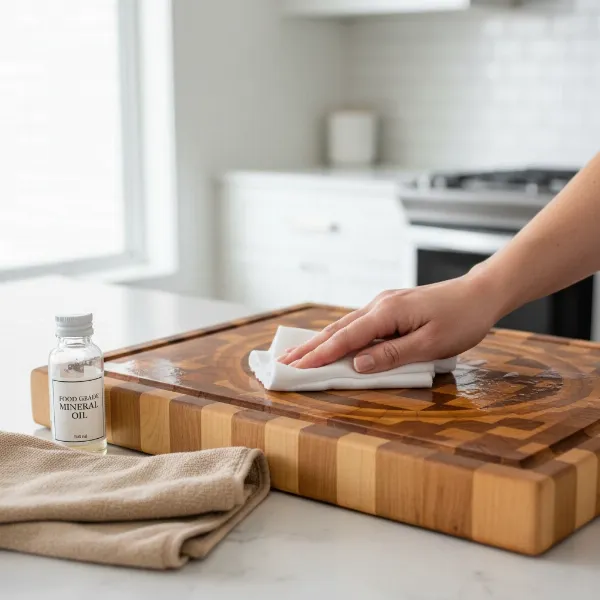 A close-up of an end-grain maple cutting board being oiled with food-grade mineral oil, emphasizing proper maintenance for longevity.
Tips for Using Your Wooden Cutting Board
Maximizing the performance and longevity of your wooden cutting board involves adopting a few best practices in your daily kitchen routine.
- Prevent Cross-Contamination: Dedicate separate cutting boards for raw meats, poultry, and seafood, and another for vegetables, fruits, and cooked foods. This crucial step prevents the spread of harmful bacteria and ensures food safety.
- Stabilize Your Board: To prevent slipping and ensure safety during chopping, place a damp kitchen towel or a non-slip mat underneath your wooden cutting board. This creates a secure surface, allowing for more confident and efficient knife work.
- Gentle Chopping: While durable, wooden cutting boards are not indestructible. Avoid excessive force or repetitive, heavy cleaver chops in the same spot, which can prematurely wear down the wood fibers. Distribute your cutting across the board’s surface to ensure even wear.
- Timely Replacement: Even with diligent care, wooden cutting boards have a lifespan. Inspect your board regularly for deep gouges, excessive splintering, or signs of warping that cannot be remedied. As a general guideline, consider replacing your board every one to two years, or sooner if significant damage or persistent odors occur, to maintain optimal hygiene and performance.
Conclusion
The Brooklyn Butcher Blocks End Grain Maple cutting board represents a significant investment in a high-quality kitchen tool, offering superior knife preservation, durability, and a classic aesthetic. Its end-grain construction and use of resilient maple wood make it an excellent choice for serious cooks seeking a long-lasting, functional, and beautiful cutting surface. While the quality of the product itself is generally highly regarded, potential buyers should also weigh the reported challenges concerning customer service and communication.
Ultimately, choosing an end-grain maple board from Brooklyn Butcher Blocks means embracing both its craftsmanship and the commitment to regular maintenance it requires. Is a premium wooden cutting board the right choice for your kitchen? If you value longevity, knife care, and the timeless beauty of natural wood, and are prepared for the upkeep, then the enduring appeal and performance of an end-grain maple board might be exactly what you need.
Frequently Asked Questions
Why are end-grain cutting boards more expensive than edge-grain?
End-grain cutting boards are more expensive due to the complex and labor-intensive manufacturing process. Each small wood block must be cut, turned to expose the end grain, and meticulously glued together, requiring significantly more time and material waste compared to edge-grain construction. This detailed craftsmanship contributes to their higher price.
How often should I oil my end-grain maple cutting board?
For optimal protection and longevity, an end-grain maple cutting board should be oiled at least once a month. Boards used frequently or residing in dry climates may benefit from more frequent oiling, potentially every two to three weeks, to prevent drying out and cracking.
Can an end-grain cutting board really “self-heal”?
Yes, end-grain cutting boards exhibit a “self-healing” property because the wood fibers are oriented vertically, like a bundle of straws. When a knife edge strikes the surface, it slides between these fibers rather than cutting them, allowing the fibers to close back up and minimize visible knife marks.
What is the best way to disinfect a wooden cutting board?
To disinfect a Wooden Cutting Board, wash it thoroughly with hot, soapy water, then rinse. For an extra layer of sanitation, wipe the surface with white vinegar or a mixture of lemon juice and salt, letting it sit for a few minutes before rinsing. Always ensure the board is completely dry before storing.
Is maple wood a good choice for a cutting board?
Maple is an excellent choice for cutting boards due to its ideal balance of hardness and density. It’s tough enough to withstand cuts and resist bacteria, yet gentle enough on knife blades to prevent dulling. Its tight grain also makes it less porous and easier to clean, contributing to a hygienic surface.