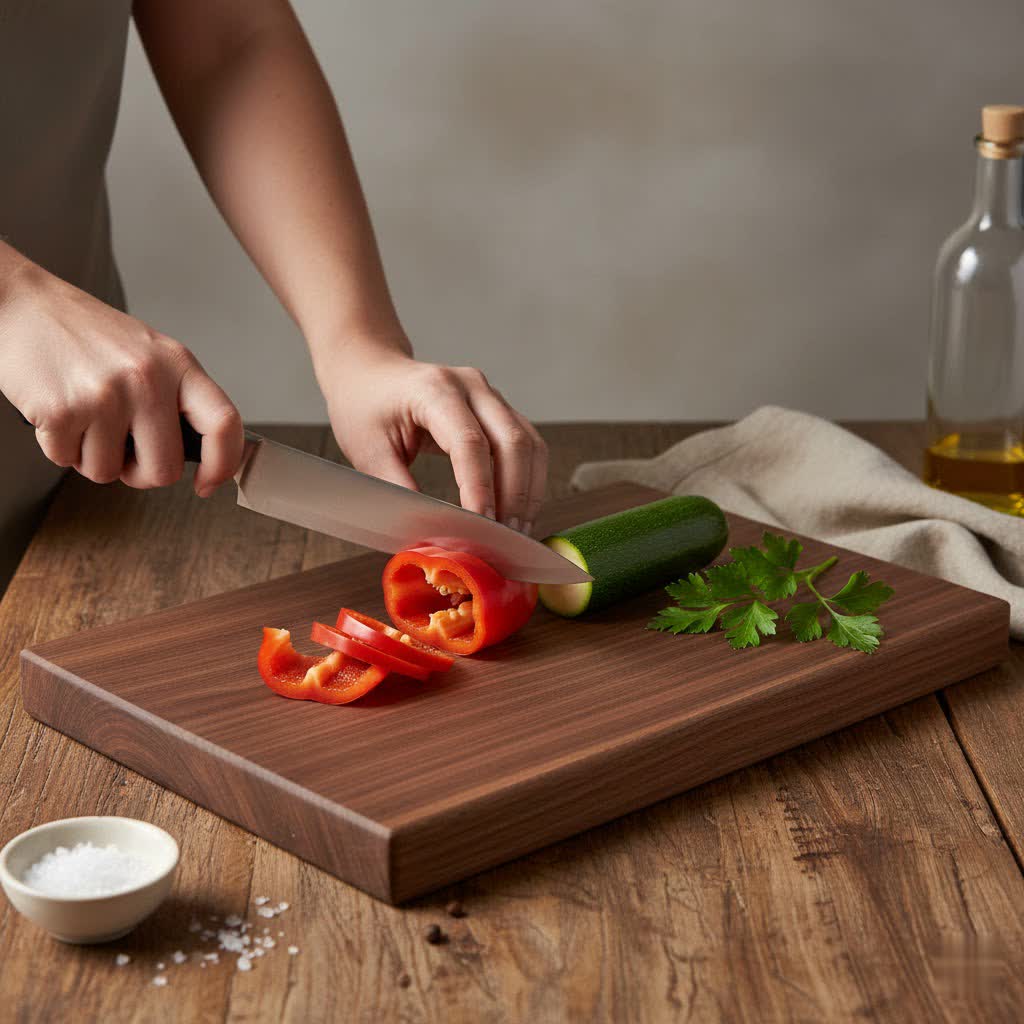
For any home cook or professional chef, the right cutting board is more than just a surface for chopping; it’s a foundational tool that impacts knife longevity, food hygiene, and overall kitchen efficiency. The market is flooded with options, but few command as much attention as the end grain wooden cutting board. Today, we delve into a specific contender: the Daddy Chef End Grain Oak Wood Cutting Board. Is this a worthwhile investment for your culinary endeavors, blending durability, aesthetics, and performance? We’ll explore its features, benefits, potential drawbacks, and crucial care tips to help you decide if this premium board deserves a place in your kitchen.
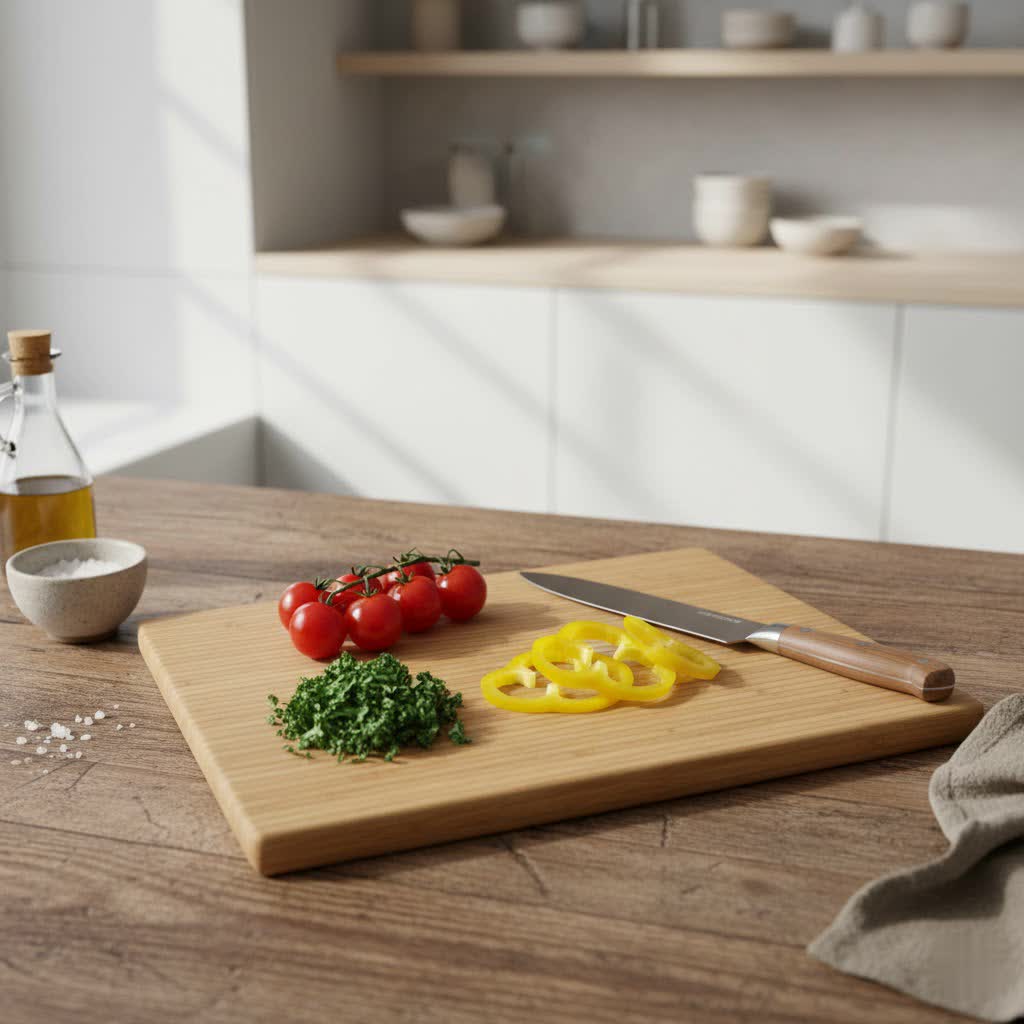
Wooden Cutting Board Overview
A wooden cutting board is a kitchen staple crafted from various types of wood, providing a stable and resilient surface for food preparation. Its history dates back centuries, evolving from simple planks to sophisticated, multi-piece constructions. These boards are prized for their natural qualities and distinct feel under the knife.
The primary types of wood commonly used for cutting boards include hardwoods like maple, walnut, cherry, and oak, as well as softer woods like teak or bamboo. Each wood offers unique characteristics in terms of hardness, grain structure, and aesthetic appeal. End grain cutting boards, specifically, are constructed by arranging small blocks of wood so that the end grain, or the tree’s growth rings, forms the cutting surface. This orientation creates a unique checkerboard pattern that is both visually striking and functionally superior in several aspects compared to traditional edge grain boards.
Advantages and Disadvantages of Wooden Cutting Boards
Choosing a wooden cutting board, especially an end grain oak model like the Daddy Chef, comes with a distinct set of pros and cons that discerning cooks should consider. Understanding these aspects will help you appreciate the investment and commitment required for these culinary workhorses.
Advantages
- Aesthetic Appeal: Wooden cutting boards, particularly those with an end grain construction, offer a warm, natural beauty that enhances any kitchen decor. The unique patterns and varying tones of oak wood provide a rustic yet elegant touch.
- Knife-Friendly Surface: The end grain orientation allows knife blades to glide between the wood fibers, rather than cutting across them. This “self-healing” action helps keep your knives sharper for longer, reducing the frequency of sharpening and extending the life of your blade. This is a significant benefit for expensive, high-quality knives.
- Natural Antimicrobial Properties: Many hardwoods, including oak, possess natural antimicrobial qualities, inhibiting bacterial growth within the wood fibers. When properly cleaned and maintained, wooden boards can be more hygienic than some plastic alternatives.
- Durability and Longevity: With appropriate care, a high-quality wooden cutting board can last for many years, even decades. Its robust construction withstands daily chopping, slicing, and dicing, making it a lasting kitchen asset.
- Stability: A substantial wooden board provides a solid, immovable surface for cutting, enhancing safety and control during food preparation. The inherent weight of quality hardwoods minimizes slippage.
Disadvantages
- Higher Maintenance: Wooden cutting boards require consistent care, including regular oiling and conditioning to prevent drying, cracking, and warping. They cannot be put in a dishwasher and should not be left to soak in water.
- Prone to Stains and Odors: While wood is naturally resistant to bacteria, it can absorb strong odors and stains from certain foods if not cleaned promptly and thoroughly. Juices from beets or red meat can sometimes leave marks.
- Weight and Size: Many high-quality wooden boards, especially large butcher block or end grain models, are considerably heavy and bulky. This can make them cumbersome to move, wash, and store, as noted in reviews for Daddy Chef boards.
- Cost: Wooden cutting boards, particularly end grain designs made from premium hardwoods like oak, are generally more expensive than plastic or bamboo options. This reflects the craftsmanship, material quality, and labor involved in their production.
- Potential for Warping or Cracking: Despite their durability, wooden boards are susceptible to warping, splitting, or cracking if exposed to excessive moisture, extreme temperature changes, or insufficient oiling. This is particularly true for end grain boards if not expertly constructed and maintained, as the numerous glue lines can be points of failure.
Types of Wooden Cutting Boards
The world of wooden cutting boards offers a rich variety, primarily categorized by their grain orientation and wood type. Each construction method and material brings distinct characteristics to the kitchen counter.
Hardwood Cutting Boards
Hardwoods are generally preferred for cutting boards due to their density and durability.
- Examples: Oak, maple, walnut, cherry, ash.
- Advantages: These woods are exceptionally durable, resistant to deep knife marks, and inherently kind to knife edges. Maple and walnut are particularly popular for end grain boards due to their tight grain structures and attractive appearance. White oak, known for its closed grain, is an excellent choice for hygiene and moisture resistance.
- Disadvantages: Hardwood boards tend to be heavier and often come with a higher price tag due to the quality of the material and the labor-intensive crafting process. Some hardwoods, like red oak with its more open grain, can be more prone to moisture absorption if not properly treated and maintained.
Softwood Cutting Boards
While less common for primary cutting surfaces, some softwoods are used, though they are generally not recommended for heavy-duty tasks.
- Examples: Pine, cedar.
- Advantages: Typically more affordable and lighter in weight.
- Disadvantages: Easily scratched and gouged by knives, which can create crevices for bacteria to harbor. They are less durable and will need replacement more frequently.
Bamboo Cutting Boards
Bamboo is technically a grass, not wood, but is often grouped with wooden boards. It’s a popular alternative for its sustainability and affordability.
- Advantages: Environmentally friendly (fast-growing), relatively hard, and often marketed as naturally antibacterial. They are also usually lighter than solid hardwood boards.
- Disadvantages: Can be harder on knife edges than traditional hardwoods. Lower-quality bamboo boards may be prone to delamination (splitting of glued layers) or splintering over time. The presence of bamboo nodes can also create uneven surfaces that are detrimental to knife edges.
Butcher Block Cutting Boards
This term often refers to very thick, substantial cutting boards, which can be either end grain or edge grain. The Daddy Chef End Grain Oak Wood Cutting Board falls into this category by its robust construction.
- Advantages: Offers a large, exceptionally sturdy, and stable cutting surface ideal for heavy-duty tasks like carving roasts or chopping large quantities of vegetables. Their thickness often contributes to their impressive durability.
- Disadvantages: Significantly heavy, making them difficult to move and clean. They also occupy substantial counter space and are typically the most expensive option.
Comparing Different Wooden Cutting Boards
Choosing the right wooden cutting board involves weighing various factors. Here’s a comparative look at common types:
| Feature | Hardwood (End Grain) | Hardwood (Edge Grain) | Bamboo |
|---|---|---|---|
| Durability | Excellent; self-healing, resistant to deep gouges | Very good; durable but may show knife marks over time | Good; can chip or split with heavy use |
| Knife Friendliness | Excellent; gentle on blades, keeps them sharp longer | Good; generally kind to knives | Fair; can be harder on knife edges |
| Antimicrobial Props. | Natural; good hygiene if maintained | Natural; good hygiene if maintained | Natural; often advertised as superior |
| Maintenance | High; frequent oiling, hand wash only | Moderate; regular oiling, hand wash only | Moderate; hand wash, less frequent oiling |
| Aesthetic | Premium, unique checkerboard pattern, rich texture | Classic, linear grain patterns | Modern, distinct striped pattern |
| Weight | Heavy; substantial and stable | Moderate to heavy | Light to moderate |
| Price | High; premium investment | Moderate to high | Low to moderate; budget-friendly |
| Moisture Resistance | Good (especially white oak); requires diligent oiling | Good; less prone to warping than end grain | Fair; prone to splitting if not properly cured |
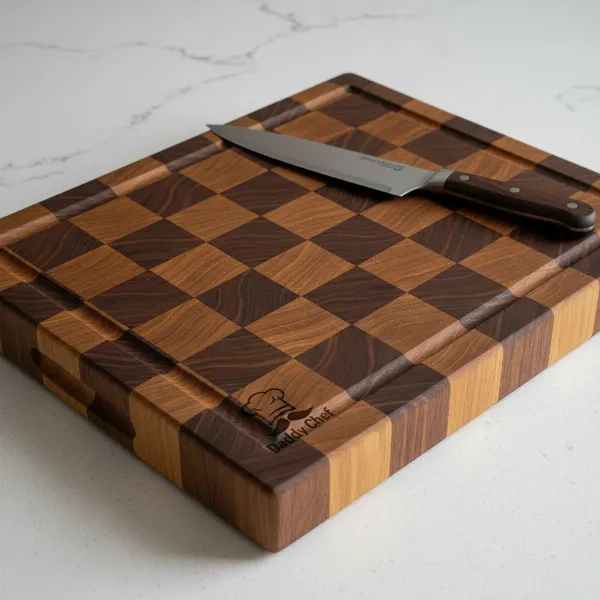 A beautifully crafted Daddy Chef end grain oak wood cutting board showcasing its checkerboard pattern and solid construction.
Buying Guide: How to Choose the Right Wooden Cutting Board
Selecting the perfect wooden cutting board, especially an end grain oak model like the Daddy Chef, involves more than just picking a pretty piece of wood. It requires careful consideration of your kitchen habits, available space, and long-term commitment to maintenance.
Determine Your Usage Needs
- Size and Space: Consider your counter space and the types of food you typically prepare. Large boards, while impressive, can be cumbersome to store and clean in a small kitchen. For general chopping, a board around 16×12 inches is often sufficient, but larger boards (like some Daddy Chef models which can be “extra-large”) are excellent for carving roasts or significant prep work.
- Food Types: If you frequently handle raw meats, you might consider having separate boards for raw and cooked items to prevent cross-contamination. While wood is naturally antimicrobial, extra caution is always good practice.
- Budget: End grain hardwood boards are an investment. Establish your budget, but remember that a high-quality board, properly maintained, can save money in the long run by protecting your knives and lasting for years.
Choose the Right Wood Type
- Oak (White vs. Red): As the Daddy Chef board specifies “Oak Wood,” it’s crucial to understand that white oak is generally superior for cutting boards due to its tight, closed grain structure. This makes it more resistant to moisture absorption and bacterial intrusion. Red oak, with its more open grain, can be less hygienic and more prone to moisture issues. If possible, verify the type of oak used.
- Hardness and Knife-Friendliness: Aim for hardwoods with a Janka hardness rating between 900-1500 pounds-force (lbf). Oak falls within this range, offering a good balance of durability and knife-friendliness. Woods like maple, walnut, and cherry are also excellent choices for end grain construction.
- Grain Structure: End grain boards are lauded for their self-healing properties and gentleness on knives. Edge grain boards are also durable but may show knife marks more readily.
Inspect the Board Quality
- Surface Flatness and Smoothness: A quality board should be perfectly flat and smooth, free from splinters, cracks, or imperfections. Run your hand across the surface to feel for any unevenness.
- Glue Joints: For end grain boards, inspect the glue lines between the wood blocks. They should be tight, uniform, and barely visible, indicating expert craftsmanship and strong adhesion. Weak glue joints can lead to cracking or delamination, a potential concern some sources raise about mass-produced end grain boards.
- Feet and Juice Grooves: Many boards come with rubber feet for stability and juice grooves to catch liquids. Assess if these features align with your needs. A deep juice groove is particularly useful for carving meats.
- No Strange Odors: The board should have a natural wood smell, not a chemical or rancid odor, indicating safe treatment and finishes.
Reputable Brands
- Research Reviews: Look for brands with positive customer feedback and a reputation for quality craftsmanship. While the Daddy Chef board receives praise for its “amazing craftsmanship” and “high-quality wood”, always cross-reference with multiple independent reviews.
- Warranty and Customer Service: A good warranty can provide peace of mind for your investment.
How to Clean and Maintain Your Wooden Cutting Board
Proper care is paramount for extending the life and maintaining the hygiene of your wooden cutting board, especially an end grain oak board like the Daddy Chef. Neglecting maintenance can lead to warping, cracking, and bacterial buildup.
Proper Cleaning Techniques
- Immediate Cleaning: After each use, wash your board promptly with warm water and a mild dish soap. Do not delay, especially after cutting raw meats or pungent foods.
- Scrubbing: Use a soft brush or sponge to thoroughly scrub both sides of the board, removing all food particles and residue. For stubborn spots, a metal or rigid plastic bench scraper can be very effective.
- Rinsing: Rinse the board thoroughly with warm water, ensuring all soap is removed. It is important to wash all six sides to promote even expansion and contraction of the wood fibers, minimizing the risk of warping.
- Sanitizing (Optional but Recommended): For deeper cleaning, especially after handling raw poultry or meat, you can use natural disinfectants. Spray a solution of white vinegar (diluted 1:1 with water) or lemon juice, let it sit for a few minutes, then rinse and dry. A very dilute bleach solution (1 tablespoon bleach per quart of water) can also be used, followed by a thorough rinse.
- Immediate Drying: This is perhaps the most critical step. Immediately wipe the board dry with a clean cloth or paper towel. Do not air dry in a rack where it might stay wet for an extended period, and absolutely do not put it in a dishwasher.
Proper Storage and Conditioning
- Regular Oiling: Wooden boards, particularly end grain types, are “thirsty” and require regular conditioning. Apply a generous amount of food-grade mineral oil (or a specialized cutting board oil) every 2-4 weeks, or whenever the board appears dry or dull. Let the oil soak in for several hours (ideally overnight), then wipe off any excess with a clean cloth. This replenishes moisture, prevents cracking, and creates a protective barrier.
- Conditioning Paste (Optional): For an extra layer of protection and a smoother finish, you can follow up with a mineral oil and beeswax blend or a dedicated cutting board conditioner. This paste helps seal the wood and further repel moisture.
- Avoid Soaking: Never submerge your wooden cutting board in water, and do not leave it sitting in a sink filled with water. Prolonged water exposure is a leading cause of warping and cracking.
- No Dishwasher: The high heat, harsh detergents, and prolonged moisture of a dishwasher are detrimental to wooden boards, stripping natural oils and degrading glue joints, leading to irreversible damage.
- Store Properly: Store your board on its edge or on a dry, flat surface where air can circulate around all sides. Avoid storing it flat on its rubber feet or on a damp surface, as this can trap moisture and lead to warping or mildew. Keep it away from direct sunlight, heating vents, or other extreme heat sources.
Tips for Using Your Wooden Cutting Board
Maximizing the performance and longevity of your Daddy Chef End Grain Oak Wood Cutting Board goes beyond basic cleaning and oiling. Here are some expert tips to enhance your culinary experience and protect your investment:
- Designate Boards: If possible, use separate wooden boards for different food categories. A dedicated board for raw meats and another for fruits, vegetables, and cooked items helps prevent cross-contamination and the transfer of strong flavors or odors.
- Stabilize Your Board: To prevent slipping during use, place a damp cloth, a silicone mat, or a non-slip grip pad underneath your cutting board. This creates a secure surface, enhancing safety and control.
- Even Usage: Try to distribute your cutting across the entire surface of the board rather than concentrating all activity in one area. This helps wear the board evenly and prevents premature hollowing or excessive scoring in one spot.
- Avoid Extreme Force: While oak is a durable hardwood, excessive force with cleavers or heavy chopping can still damage the board or stress the glue joints. Practice controlled cutting motions. Similarly, some experts advise against using serrated knives on end grain boards, as they can tear the wood fibers rather than slicing between them, leading to scarring.
- Regular Resurfacing (Long-Term): Over many years of use, even a well-maintained end grain board might develop surface imperfections, deep scratches, or minor warping. Professional resurfacing or light sanding at home, followed by thorough oiling, can restore your board to like-new condition.
- Address Cracks Promptly: If small cracks appear, especially on the edges, address them immediately. Filling them with food-safe beeswax can prevent them from worsening and stop food particles from getting trapped. Severely cracked boards, particularly those with deep fissures in the main cutting surface, may need to be replaced due to hygiene concerns.
- Listen to Your Board: Pay attention to how your board feels. If it looks dry, feels rough, or water no longer beads on the surface, it’s a clear signal that it needs oiling. If it starts to warp, reassess your cleaning and storage methods.
> “A cutting board is an extension of your knife; treating both with respect and proper care is the hallmark of a true chef.” – Chef Antoine Dubois, Culinary Instructor & Woodenware Artisan
Conclusion
The Daddy Chef End Grain Oak Wood Cutting Board offers an attractive proposition for those seeking a high-quality, durable, and knife-friendly cutting surface. Its end grain oak construction provides a beautiful aesthetic and the practical benefits of protecting your knife edges and offering natural antimicrobial properties. However, its substantial weight and the rigorous maintenance schedule required—including consistent hand washing, immediate drying, and frequent oiling—mean it’s not a set-it-and-forget-it kitchen tool. The investment in a board like this demands an equal investment in its care.
If you are committed to proper maintenance and value a cutting surface that performs exceptionally while adding a touch of elegance to your kitchen, the Daddy Chef End Grain Oak Wood Cutting Board could be an excellent choice. Do you prioritize knife longevity and aesthetic appeal enough to embrace the ongoing care these magnificent boards require?
Frequently Asked Questions
What makes end grain oak better than other wooden cutting boards?
End grain oak cutting boards are often preferred because their wood fibers are oriented vertically, allowing knife blades to slip between them. This “self-healing” action reduces wear on your knives and makes the board more resistant to deep gouges compared to edge grain or plastic boards. Oak, particularly white oak, also offers good hardness and natural antimicrobial properties.
How often should I oil my Daddy Chef End Grain Oak Wood Cutting Board?
For optimal protection and longevity, you should oil your end grain oak cutting board with food-grade mineral oil every 2-4 weeks, or whenever the wood appears dry, dull, or water no longer beads on the surface. New boards may require more frequent oiling initially to ensure they are fully conditioned.
Can I put my wooden cutting board in the dishwasher?
Absolutely not. Placing a Wooden Cutting Board in the dishwasher will expose it to prolonged high heat and moisture, which strips the wood’s natural oils, degrades glue joints, and almost certainly leads to warping, cracking, or splitting, rendering the board unusable. Always hand wash and dry immediately.
Is oak wood hygienic for cutting raw meat?
Yes, properly maintained oak wood cutting boards are hygienic for raw meat. Hardwoods like oak possess natural antimicrobial properties. However, it is crucial to clean the board thoroughly with hot, soapy water immediately after use and to consider using separate boards for raw meats and other foods to prevent cross-contamination.
My wooden cutting board is cracking, what should I do?
Small, minor cracks, especially on the edges, might be filled with food-safe beeswax to prevent them from worsening. However, if your board develops deep cracks or severe splitting on the main cutting surface, it is generally recommended to replace it. These fissures can trap food particles and bacteria, making the board unsafe for food preparation.
Why is my end grain board so heavy?
End grain cutting boards, especially those made from dense hardwoods like oak, are constructed from many individual blocks of wood glued together, often resulting in a thicker, more substantial product. This density and multi-piece construction contribute to their considerable weight, which provides excellent stability during heavy-duty cutting tasks but can make them less convenient to move.