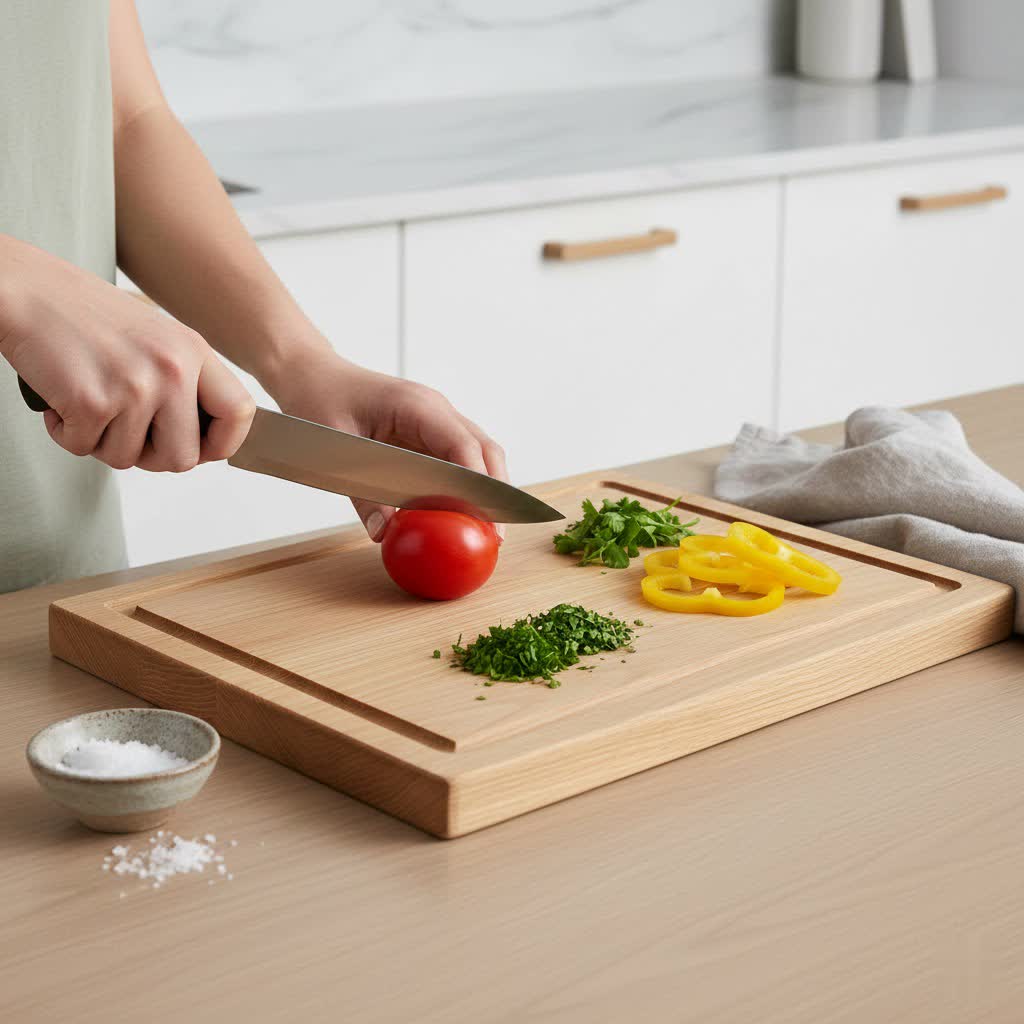
In every chef’s arsenal, whether professional or home cook, a reliable cutting board is indispensable. It’s more than just a surface for slicing and dicing; it’s a foundation for culinary creativity and a tool that can impact the longevity of your knives. Today, we delve into a thorough review of the Hardwood Chef Premium Thick Acacia Board, a product that has garnered attention for its blend of aesthetics, functionality, and robust construction. This deep dive will explore its design, performance, the specific qualities of acacia wood, and crucial care tips to help you decide if this cutting board is the perfect fit for your kitchen.
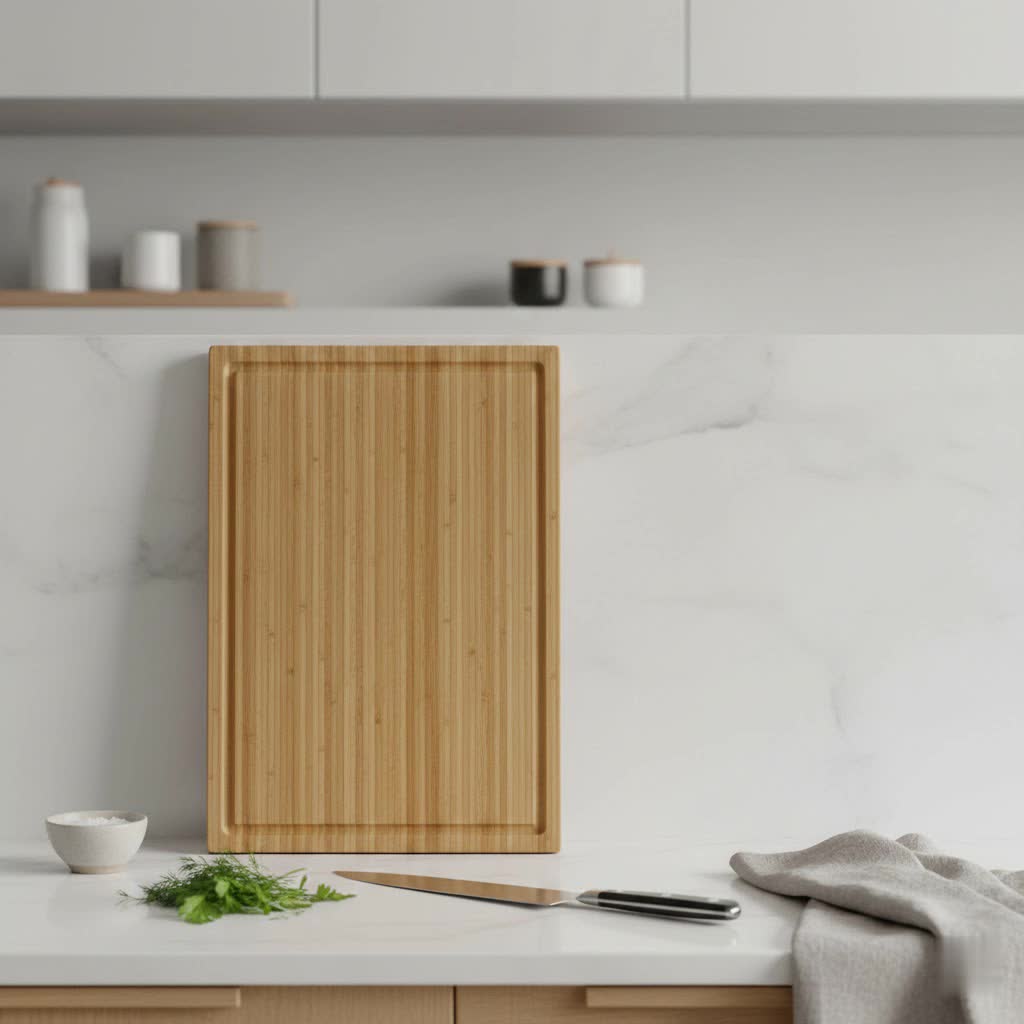
An Overview of the Hardwood Chef Premium Thick Acacia Board
The Hardwood Chef Premium Thick Acacia Board stands out with its impressive specifications and thoughtful design. Crafted from high-quality acacia wood, this particular model features an end-grain construction, a method highly favored for its durability and knife-preserving qualities. Measuring approximately 16 x 12 x 1 3/4 inches, it provides ample surface area for a wide range of culinary tasks, from chopping vegetables to carving roasted meats. Its substantial weight of around 6.2 pounds speaks to its solid build, ensuring stability during use.
Key features include a built-in juice groove along one side, designed to efficiently collect liquids and keep your countertops clean. This board is also reversible, offering a grooved side for messy tasks and a flat, smooth reverse side for general prep or serving. The craftsmanship is often praised for its beautiful design and the rich, varied grain patterns inherent to acacia wood, making it not just a utility item but also an attractive addition to any kitchen decor.
Advantages and Disadvantages of the Hardwood Chef Acacia Board
Like any premium kitchen tool, the Hardwood Chef Premium Thick Acacia Board comes with its own set of pros and cons, which are important to consider for potential buyers.
Advantages
Table is empty.The aesthetic appeal of this board is undeniable. The natural variations in acacia wood create a rustic yet elegant look that can enhance any kitchen’s ambiance. Beyond its beauty, the end-grain construction is notably gentle on knife blades, helping to maintain their sharpness over time compared to harder surfaces. When properly maintained, this board boasts remarkable durability, designed to withstand the rigors of daily kitchen use for many years. Its generous size and sturdy build make it incredibly versatile, suitable for everything from intricate vegetable prep to substantial meat carving, and even elegant serving as a charcuterie board. The integrated juice groove is a practical feature, effectively containing liquids and minimizing mess on your workspace.
Disadvantages
One of the primary considerations for this acacia board is its maintenance requirements. While robust, it needs regular oiling with food-grade mineral oil or board cream to prevent it from drying out, which could lead to cracking or warping. Some users have reported issues with cracking or warping, though these incidents are often linked to improper care, such as submerging the board in water or washing it in a dishwasher. The surface, like most wood boards, can show knife marks and scratches over time, which might bother those seeking a pristine appearance. Furthermore, its substantial weight and dimensions, while contributing to stability, might be a drawback for those with limited counter space or who prefer lighter, easier-to-handle boards.
Understanding Acacia Wood in Cutting Boards
Acacia wood is a popular choice for cutting boards, and understanding its characteristics can shed light on why it’s used in products like the Hardwood Chef board.
Hardwood Cutting Boards
Hardwoods like maple, walnut, and cherry are generally preferred for cutting boards due to their density and closed grain structure, which resists moisture absorption and bacterial penetration. They offer a firm yet forgiving surface for knives, making them a balance of durability and blade preservation.
Acacia Wood Specifics
Acacia wood is known for its impressive hardness and beautiful, distinct grain patterns, which range from light golden to dark reddish-brown. It’s a fast-growing, sustainable wood that is naturally resistant to water, making it a good choice for kitchen environments. While slightly harder than maple, its density contributes to a very sturdy cutting surface. Its natural beauty also ensures that each board is unique.
End-Grain vs. Edge-Grain Construction
The Hardwood Chef board utilizes end-grain construction, where small blocks of wood are arranged with their grain facing upwards. This method is highly valued because the wood fibers separate slightly when a knife cuts down, then close back up, providing a “self-healing” surface that is exceptionally gentle on knife edges. Edge-grain boards, in contrast, have wood strips laid on their sides, offering a very durable and stable surface, but can be harder on knives over time.
Hardwood Chef Acacia Board vs. Other Common Types
When choosing a cutting board, it’s helpful to see how the Hardwood Chef Premium Thick Acacia Board stacks up against other popular options in the market.
| Feature | Hardwood Chef Acacia (End-Grain) | Generic Hardwood (Edge-Grain) | Bamboo Cutting Boards | Plastic Cutting Boards |
|---|---|---|---|---|
| Durability | High (with proper care) | High | Moderate (can delaminate) | Moderate (can warp/scar easily) |
| Knife Friendliness | Excellent (self-healing) | Good (but harder on knives) | Good (but very hard/can dull) | Poor (hard, dulls knives quickly) |
| Maintenance | High (oiling required) | Moderate (oiling beneficial) | Low (some oiling recommended) | Very Low (dishwasher safe) |
| Aesthetics | Excellent (natural beauty) | Good (classic look) | Moderate (distinctive grain) | Poor (utilitarian) |
| Price (Relative) | Premium | Mid-to-Premium | Budget-to-Mid | Budget |
Buying Guide: Is the Hardwood Chef Acacia Board Right for You?
Deciding on the perfect cutting board involves matching a product’s features with your personal cooking style and kitchen environment.
Assessing Your Kitchen Needs
Consider the volume and intensity of your cooking. If you frequently prepare large meals or do a lot of chopping, dicing, and carving, the Hardwood Chef’s size and end-grain durability will be a significant asset. Evaluate your available countertop space; at 16×12 inches, it requires a dedicated area. While it’s a premium product, understanding its value proposition in terms of knife care and longevity can justify the investment for many.
What to Look For (Quality Indicators)
When purchasing, inspect the board for a perfectly flat and smooth surface, free from any initial cracks, warps, or rough patches. The edges should be well-finished, ideally slightly rounded for comfort and safety. A high-quality wood board should also be free of any strange odors or chemical smells, indicating proper and safe treatment of the wood.
Brand Reputation
Hardwood Chef generally enjoys a positive reputation for its cutting boards. Researching user reviews and testimonials, as well as looking at unboxing and care videos, can provide further insights into the brand’s quality control and customer satisfaction. The general consensus points to a well-crafted product, with most issues stemming from a lack of proper care rather than manufacturing defects.
Essential Care and Maintenance for Your Hardwood Chef Board
Proper care is paramount to ensuring your Hardwood Chef Premium Thick Acacia Board lasts for years and retains its beauty.
Cleaning Your Acacia Board
After each use, hand wash your board immediately with warm water and a mild dish soap. Use a soft sponge or brush to remove any food particles. It is crucial to avoid submerging the board in water for extended periods, as this is a primary cause of warping and cracking. Never put a wooden cutting board in a dishwasher; the intense heat and prolonged moisture will severely damage the wood. For sanitization, a solution of white vinegar or a rub with half a lemon and salt can be effective against bacteria and odors. After washing, rinse thoroughly and immediately dry the board with a clean cloth.
Conditioning and Protecting
The secret to a long-lasting wooden cutting board is regular conditioning. Apply a food-grade mineral oil or a specialized cutting board cream liberally to all surfaces of the board at least once a month, or more frequently if it appears dry. Allow the oil to soak in for several hours, or even overnight, then wipe off any excess. This process moisturizes the wood, prevents cracking, and creates a protective barrier against moisture absorption. Always store your board upright or flat in a dry, well-ventilated area, away from direct sunlight or heat sources.
“A well-maintained wooden cutting board isn’t just a kitchen tool; it’s an heirloom. The key is consistent care, especially oiling, which is its lifeblood.” – Chef Antoine Dubois, Culinary Instructor
Expert Tips for Maximizing Your Cutting Board’s Life
Beyond basic care, a few expert tips can further extend the life and performance of your Hardwood Chef board. It’s wise to designate separate cutting boards for raw meats/poultry and for produce to prevent cross-contamination. Always place a damp cloth or non-slip mat underneath your board to keep it secure during chopping, enhancing safety and efficiency. While acacia is durable, avoid excessively forceful chopping or cleaving, which can leave deep marks or even damage the wood. Even with the best care, wooden cutting boards have a lifespan; consider replacing your board every 1-2 years if it shows deep gouges, becomes difficult to clean, or exhibits signs of bacterial buildup.
Conclusion
The Hardwood Chef Premium Thick Acacia Board offers a compelling blend of aesthetic appeal, functional design, and robust construction, making it a valuable asset for any home chef. Its end-grain acacia wood not only looks stunning but also provides a knife-friendly surface that helps preserve your precious blades. While it demands a commitment to regular care and maintenance, the rewards are a durable, hygienic, and beautiful foundation for all your culinary endeavors. For those willing to invest in its upkeep, this board can truly elevate your kitchen experience. What culinary masterpiece will you create on your Hardwood Chef board first?
Frequently Asked Questions
Is the Hardwood Chef Premium Thick Acacia Board dishwasher safe?
No, absolutely not. Wooden Cutting Boards, including the Hardwood Chef acacia board, should never be put in a dishwasher. The high heat and prolonged exposure to water can cause the wood to warp, crack, and potentially harbor bacteria. Always hand wash with warm, soapy water.
How often should I oil my Hardwood Chef acacia cutting board?
It’s generally recommended to oil your Hardwood Chef acacia board at least once a month, or whenever the wood starts to look dry and dull. Regular oiling with food-grade mineral oil or a specialized board cream helps to moisturize the wood, prevent cracking, and maintain its natural beauty.
Can the Hardwood Chef board warp or crack?
While designed for durability, the Hardwood Chef acacia board can warp or crack if not cared for properly. The most common causes are prolonged exposure to water (e.g., soaking in the sink, dishwasher use) or allowing it to dry out without regular oiling. Consistent care is key to preventing these issues.
Is acacia wood good for knives?
Yes, acacia wood, especially in end-grain construction like the Hardwood Chef board, is generally considered good for knives. The end-grain fibers allow the knife edge to slide between them, reducing dulling and prolonging the sharpness of your blades compared to cutting on harder, less forgiving surfaces.