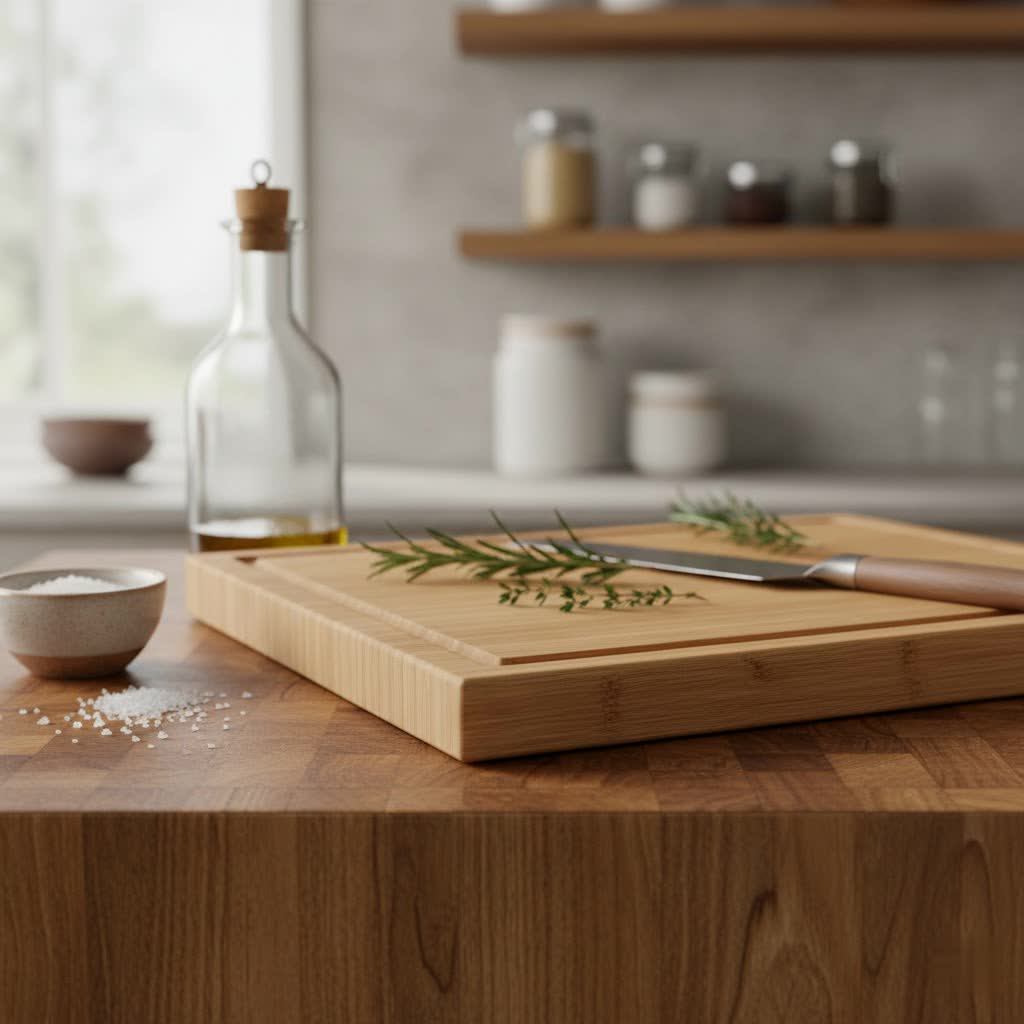
Choosing the right cutting board is as crucial as selecting the perfect knife, especially for home cooks and culinary enthusiasts who value the longevity and performance of their blades. In a world saturated with cutting board options, the Shun Hinoki Cutting Board stands out as a unique and highly praised contender. Crafted from revered Japanese cypress, this board offers a distinctive experience designed to complement high-quality cutlery. Let’s delve into what makes the Shun Hinoki Cutting Board a top consideration for discerning kitchens.
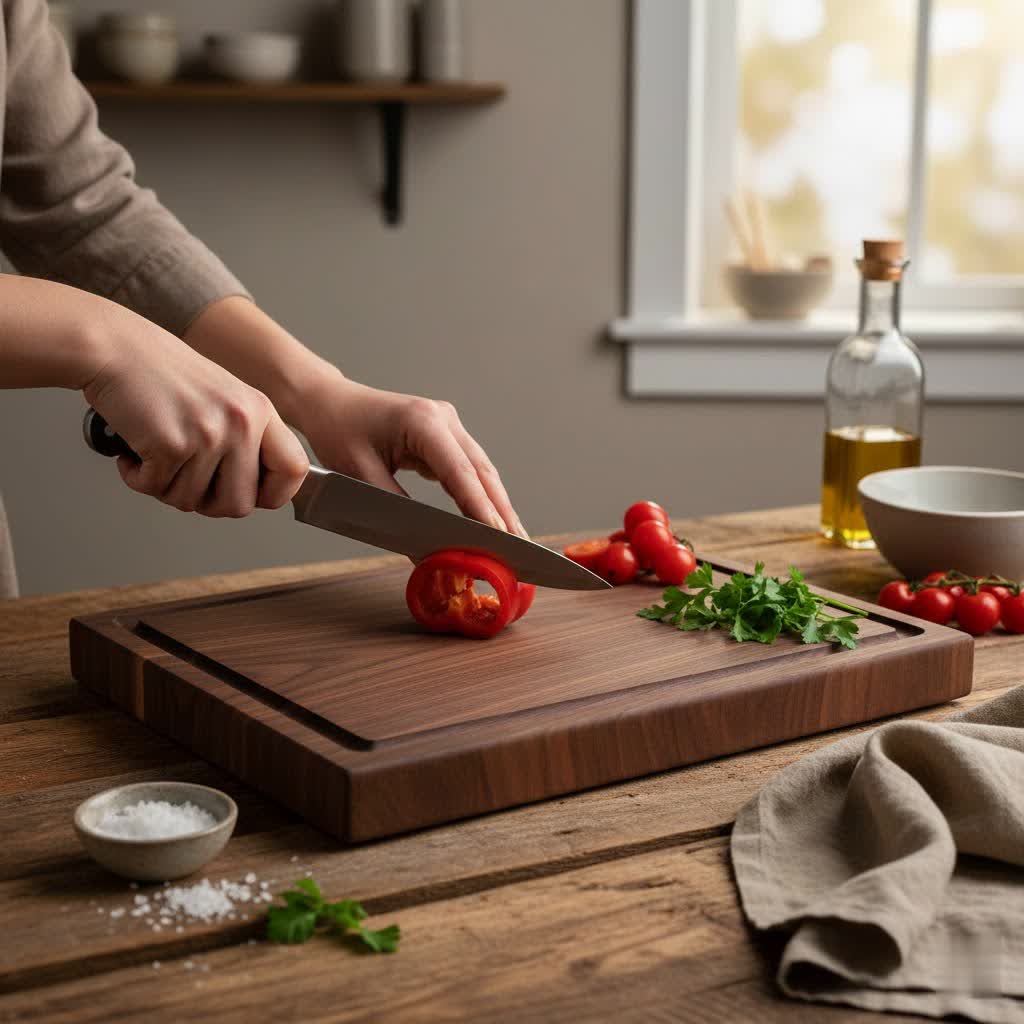
Wooden Cutting Board Overview
Wooden cutting boards have graced kitchens for centuries, evolving from simple blocks of wood into sophisticated culinary tools. They are indispensable for food preparation, providing a stable and hygienic surface for chopping, slicing, and dicing. The history of cutting boards is deeply intertwined with the development of cuisine itself, with different cultures favoring various wood types for their unique properties. From durable end-grain butcher blocks to elegant edge-grain designs, wooden boards offer a tactile experience that plastic or glass alternatives simply cannot replicate.
Among the many species used for cutting boards, hardwoods like maple, walnut, and cherry are popular for their density and resilience. Bamboo, while technically a grass, is also widely used for its sustainability and hardness. However, Hinoki, a soft Japanese cypress, offers a different approach, prioritizing knife edge protection through its unique cellular structure.
Advantages and Disadvantages of Wooden Cutting Boards
Wooden cutting boards are a beloved fixture in many kitchens, offering a blend of aesthetics and functionality. Understanding their pros and cons is essential for making an informed choice.
Advantages
- High Aesthetic Appeal: Wooden boards bring a natural warmth and elegance to any kitchen decor, often featuring beautiful grain patterns that make each piece unique.
- Knife-Friendly Surface: The inherent give of wood is gentle on knife edges, helping to preserve sharpness and extend the life of high-quality blades. This is particularly true for softer woods like Hinoki, which allow the blade to “give” into the surface slightly.
- Natural Antibacterial Properties: Many wood types, including Hinoki, possess natural resins and porous structures that help inhibit bacterial growth, making them surprisingly hygienic when properly maintained.
- Durability and Longevity: With appropriate care, a well-made wooden cutting board can last for many years, even decades, becoming a cherished kitchen heirloom.
|
Our Picks for the Best Wooden cutting board in 2026
As an Amazon Associate I earn from qualifying purchases.
|
||
| Num | Product | Action |
|---|---|---|
| 1 | Bamboo Cutting Board for Kitchen, 18" Large Wood Charcuterie Cheese Board, Wooden Chopping Block with Side Handles and Juice Grooves |

|
| 2 | Freshware Bamboo Cutting Board Set of 3, Wooden Cutting Boards for Kitchen, Knife Friendly Food Grade Chopping Board, Lightweight with Hanging Hole for Easy Storage |
|
| 3 | Extra Large Cutting Board, 17.6" Bamboo Cutting Boards for Kitchen with Juice Groove and Handles Kitchen Chopping Board for Meat Cheese board Heavy Duty Serving Tray, XL, Empune |
|
| 4 | Kikcoin 17”×11” Bamboo Cutting Boards for Kitchen, Healthy Wooden Cutting Boards for Kitchen, Charcuterie, Vegetables, Cheese, Extra Large Chopping Boards with Deep Juice Groove and Handle, Natural |
|
| 5 | Premium Cutting Board Set – Non-Toxic Carbonized Bamboo & Wooden Cutting Boards for Kitchen Meal Prep, Durable Butcher Block for Meat with Side Handles, Juice Groove, Charcuterie & Chopping (3 Pcs) |
|
| 6 | Allsum Bamboo Wood Cutting Board for Kitchen, 1" Thick Butcher Block, Cheese Charcuterie Board, with Side Handles and Juice Grooves, 16x11" |
|
| 7 | Keechee Bamboo Cutting Board, Durable Wood Cutting Boards for Kitchen with Deep Juice Grooves & Built-in Handles, Ideal Charcuterie & Chopping for Meat, Vegetables and Fruits Ideal Kitchen Gifts |
|
| 8 | 3-Piece Set Bamboo Cutting Board for Kitchen - Crack-Resistant Wood Chopping Boards with Deep Juice Grooves, Pre-Oiled Butcher Block for Meat, Vegetables & Cheese, Carbonized |
|
| 9 | Greener Chef Luxury XL Bamboo Cutting Board Set of 3 with Vertical Grain Strength Technology - Extra Large Wood Cutting Boards for Kitchen and Lightweight Chopping Board Set - Replacements for Life |
|
| 10 | Astercook Deep-Carbonized Bamboo Cutting Boards for Kitchen with Wood Storage Stand, Reversible Charcuterie & Chopping Boards with Juice Grooves and Easy-Grip Handles, Knife-Friendly, Kitchen Gift |
|
Disadvantages
- Prone to Knife Marks and Stains: Softer woods, while beneficial for knives, will show knife marks more readily. Additionally, certain foods can stain the wood if not cleaned promptly.
- Requires Regular Maintenance: Unlike plastic boards that can often go into a dishwasher, wooden boards need handwashing, thorough drying, and periodic oiling to prevent drying, cracking, or warping.
- Higher Initial Cost: Quality wooden cutting boards typically come with a higher price tag compared to their plastic or glass counterparts, reflecting the craftsmanship and material.
- Potential for Warping or Cracking: Improper care, such as prolonged soaking or exposure to extreme temperature changes, can lead to the wood warping, splitting, or cracking.
Exploring Popular Types of Wooden Cutting Boards
The world of wooden cutting boards is diverse, with various types catering to different preferences and cooking styles.
Hardwood Cutting Boards
Hardwood boards, made from species like maple, walnut, or cherry, are renowned for their density and resistance to deep cuts. They offer exceptional durability and a beautiful appearance. Their primary advantage lies in their robustness, making them a long-lasting investment. However, their hardness can be slightly less forgiving on knife edges compared to softer woods.
Softwood Cutting Boards
While less common for heavy-duty cutting due to their susceptibility to deeper marks, softwood boards like pine or fir are sometimes used for lighter tasks. Their main benefit is often a lower price point, but they are generally less durable and can harbor bacteria more easily in deep grooves.
Bamboo Cutting Boards
Bamboo boards are a popular choice due to their rapid renewability and appealing, uniform grain. They are often marketed as eco-friendly and possess good antibacterial properties. However, bamboo is quite hard and can be tougher on knife edges than traditional hardwoods or Hinoki. Some bamboo boards are also prone to delaminating over time if not well constructed.
Butcher Block Cutting Boards
Butcher block boards are typically thick, heavy, and made from many pieces of wood joined together. They come in two main constructions: edge-grain (strips of wood glued side-by-side) and end-grain (individual wood blocks oriented so the end grain faces up). End-grain boards are particularly prized for being extremely knife-friendly, as the knife edge slides between the wood fibers rather than cutting across them, which helps blades stay sharper longer and allows the wood to “heal” itself. Their substantial weight makes them very stable for heavy-duty chopping.
The Shun Hinoki Cutting Board: A Detailed Review
The Shun Hinoki Cutting Board, available in medium and large sizes, embodies a unique philosophy centered around preserving knife edges and providing a delightful user experience. Made from Hinoki cypress, a highly regarded wood native to Japan, this board offers a distinct set of characteristics.
Hinoki is a medium-soft wood, a deliberate choice that allows the knife’s sharp edge to gently “give” into the surface rather than hitting a rigid, unyielding platform. This innovative approach significantly prolongs the sharpness of your knives, reducing the frequency of honing and sharpening. While this softness means the board will show knife marks, these indentations are a testament to its knife-protective design and not a flaw.
Beyond its knife-friendly nature, the Shun Hinoki board is praised for its lightweight construction, making it exceptionally easy to maneuver, lift, and clean. This is a stark contrast to many heavy wooden boards that can be cumbersome. It also emanates a subtle, natural, woodsy, or citrusy fragrance, which many users find pleasant and adds to the overall cooking experience. Importantly, the Hinoki wood contains natural resins that contribute to its antibacterial properties and allow it to dry quickly, enhancing hygiene. Shun also ensures its Hinoki wood is FSC-Certified, indicating sustainable forest management practices.
Dimensions: The medium size is approximately 15.75″ x 10.75″ x 0.5″ and weighs around 21 oz (595 g), making it ideal for most general-purpose cutting tasks and suitable for smaller kitchens. The large size offers even more surface area for extensive prep work.
Expert Insight:
“Hinoki’s unique cellular structure provides the ideal surface for high-carbon steel knives, allowing them to perform their best while extending their edge retention. It’s a fundamental tool for any serious cook.” – Chef Kaito Tanaka, Master Knife Sharpener
Comparison Table: Shun Hinoki vs. Other Boards
| Feature | Shun Hinoki Cypress (Softwood) | Hardwood (Maple, Walnut) | Bamboo | End-Grain Butcher Block |
|---|---|---|---|---|
| Durability | Good (shows marks, but “heals”) | Excellent | Good (can delaminate) | Excellent |
| Knife Friendliness | Excellent (soft, protects edge) | Good | Fair (hard, can dull) | Excellent |
| Antibacterial | Natural (resins) | Natural | Natural | Natural |
| Price Range | Mid-High | Mid-High | Low-Mid | High |
| Ease of Cleaning | High (lightweight, quick-drying) | Moderate (heavier) | High | Moderate (heavy) |
| Aesthetics | Light color, subtle grain, fragrant | Rich color, varied grain | Uniform, distinct grain | Intricate pattern |
| Weight | Lightweight | Heavy | Moderate | Very Heavy |
Buying Guide: Selecting Your Ideal Cutting Board
Choosing the perfect cutting board involves balancing your specific needs with the board’s characteristics. Here’s a guide to help you make an informed decision:
Determine Your Usage Needs
- Size: Consider your kitchen counter space and the volume of food you typically prepare. A medium board might suffice for daily tasks, while a large one is better for extensive meal prep or carving.
- Food Type: If you frequently cut raw meats, separate boards for raw and cooked items are recommended to prevent cross-contamination. For general vegetable and fruit prep, most wooden boards are suitable.
- Budget: Set a realistic budget. High-quality wooden boards are an investment, but their longevity can justify the cost.
Choose the Right Wood Type
- Hinoki: Ideal if knife edge preservation, lightweight maneuverability, and a subtle natural fragrance are your top priorities. It’s also great for those who prefer a board that dries quickly.
- Hardwood: Excellent for overall durability and a traditional aesthetic. Best if you prioritize a very dense, long-lasting surface that resists deep gouges.
- End-Grain: The ultimate choice for maximum knife protection and a self-healing surface, especially for heavy chopping and professional use, though it comes with higher weight and cost.
Inspect the Board Quality
- Surface: The cutting surface should be perfectly flat and smooth, free from any cracks, splinters, or rough patches.
- Edges: Well-crafted boards will have smoothly rounded or chamfered edges for comfortable handling and safety.
- Construction: Ensure the wood is well-joined, with no gaps or signs of poor craftsmanship. For laminated boards, check for strong, even glue lines.
- Odor: The board should have a natural wood smell, without any chemical or artificial odors.
Reputable Brands
Researching user reviews and expert recommendations for various brands is always a good practice. Brands known for quality craftsmanship and ethical sourcing, like Shun for their Hinoki boards, often provide better guarantees and product longevity. Purchase from trusted retailers to ensure authenticity.
Caring for Your Shun Hinoki Cutting Board
Proper care is paramount to maintaining the beauty, hygiene, and longevity of your Shun Hinoki Cutting Board.
Correct Cleaning Techniques
- Immediate Wash: After each use, wash the board promptly with warm water and a mild dish soap. Do not let food residues sit for long periods, especially those that might stain.
- Gentle Scrub: Use a soft sponge or brush to remove any stuck-on food particles.
- Disinfection (Optional): For occasional deeper cleaning or to remove odors, rub a cut lemon half with coarse salt over the surface, let it sit for a few minutes, then rinse. Alternatively, a dilute solution of white vinegar can be used.
- Thorough Drying: This is critical. Towel dry the board immediately and completely, then stand it on its edge or use a drying rack to allow air circulation on all sides. This prevents water from pooling and minimizes the risk of warping.
Proper Board Storage and Maintenance
- Oil Regularly: To prevent the wood from drying out and cracking, apply food-grade mineral oil or a wood conditioner specifically designed for cutting boards (like beeswax and mineral oil blend) every few weeks or once a month, depending on usage. Apply a generous coat, let it soak in for several hours (or overnight), then wipe off any excess.
- Avoid Soaking: Never submerge your Hinoki board in water, as prolonged exposure can lead to warping, cracking, and bacterial growth.
- No Dishwasher: The high heat and harsh detergents of a dishwasher will irrevocably damage any wooden cutting board, including Hinoki. Always handwash.
- Store Properly: Store your board in a dry, well-ventilated area, away from direct sunlight or heat sources. Standing it on its edge or using a dedicated board holder is ideal. If it starts to curve, simply flip it over and use the other side to help it re-flatten.
Tips for Using Your Wooden Cutting Board
Maximizing your wooden cutting board’s performance and lifespan involves a few key practices:
- Prevent Cross-Contamination: Designate separate boards for raw meats and poultry, and another for fruits, vegetables, and cooked foods. Color-coded markers or different board types can help distinguish them.
- Ensure Stability: Place a damp cloth or non-slip mat underneath your cutting board to prevent it from sliding around during use, enhancing safety and efficiency.
- Mind Your Pressure: While Hinoki is forgiving, avoid excessively heavy chopping or cleaving that could create unnecessarily deep gouges or potentially damage the board.
- Rotate and Refresh: Periodically rotate your board to use both sides evenly, which helps prevent uneven wear and warping. Consider light sanding and re-oiling if the surface becomes rough or heavily scarred over time. While Hinoki is known for its resilience, replacing heavily worn or deeply grooved boards every 1-2 years, especially if sanitization becomes difficult, is a good hygiene practice.
Conclusion
The Shun Hinoki Cutting Board offers a compelling choice for those who prioritize knife edge longevity, ease of handling, and a touch of natural elegance in their kitchen. Its unique softness, pleasant fragrance, and inherent antibacterial properties set it apart from traditional hardwood and bamboo options. While it requires diligent hand-washing and periodic oiling, the benefits of protecting your valuable knives and enjoying a superior cutting experience make it a worthy investment for any culinary enthusiast.
Are you ready to elevate your knife care and kitchen aesthetic with the distinct advantages of a Hinoki cutting board?
Frequently Asked Questions
Is Hinoki wood naturally antibacterial?
Yes, Hinoki cypress wood contains natural resins that contribute to its antibacterial properties, helping to inhibit the growth of bacteria and making it a hygienic surface for food preparation.
How often should I oil my Shun Hinoki cutting board?
It’s recommended to oil your Shun Hinoki cutting board every few weeks to once a month, depending on how frequently you use and wash it. Regular oiling prevents the wood from drying out, cracking, and helps maintain its protective qualities.
Why does my Shun Hinoki board show knife marks? Is this normal?
Yes, it is completely normal and intended for the Shun Hinoki board to show knife marks. Hinoki is a soft wood designed to “give” as your knife cuts into it, which protects and preserves the sharpness of your knife edge. These marks are a sign that the board is doing its job.
Can I put my Shun Hinoki cutting board in the dishwasher?
No, you should never put your Shun Hinoki cutting board, or any wooden cutting board, in the dishwasher. The high heat and harsh detergents will dry out the wood, causing it to warp, crack, and potentially harbor bacteria. Always handwash and towel dry.
What is the ideal size for a Hinoki cutting board?
The ideal size depends on your kitchen space and cooking habits. The medium Shun Hinoki board (15.75″ x 10.75″) is great for general daily tasks and smaller kitchens, while a larger size would be more suitable for extensive meal preparation or carving.