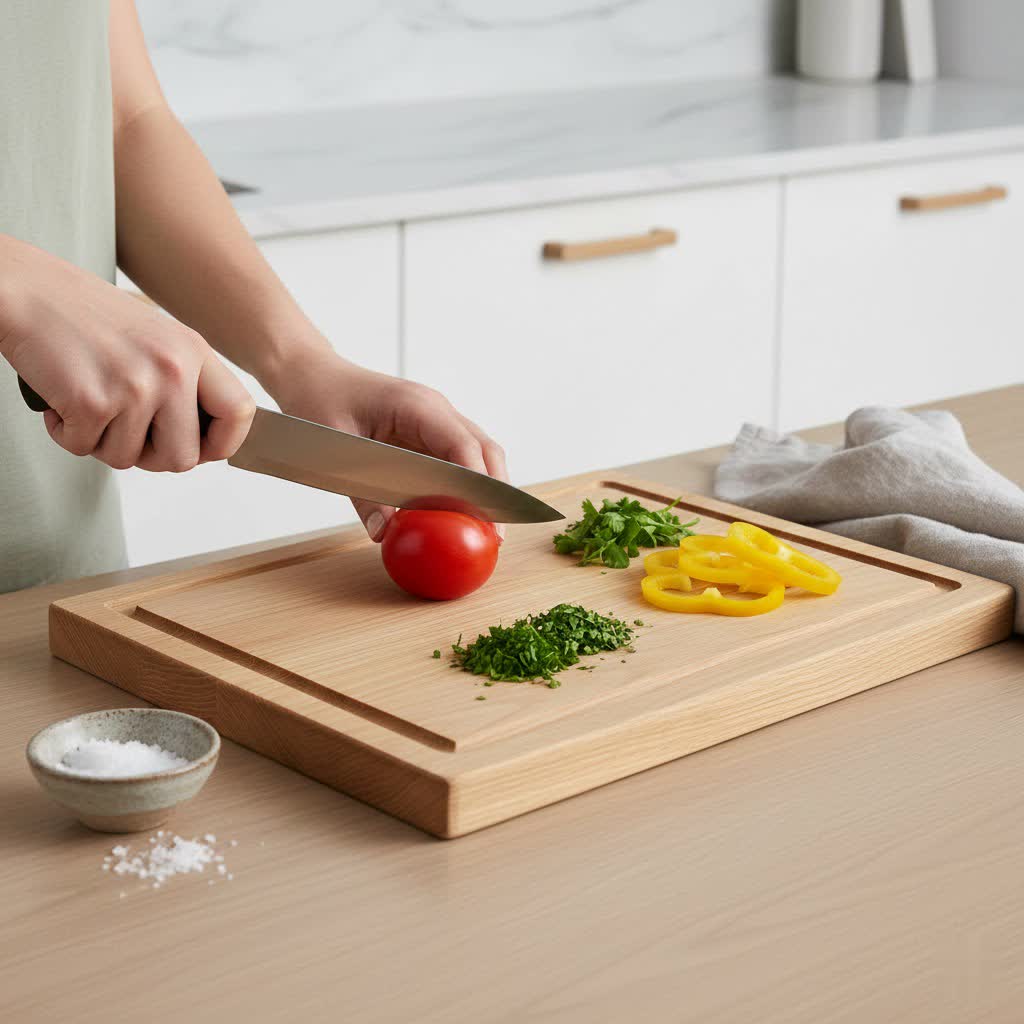
The humble cutting board is more than just a surface for slicing and dicing; it’s a vital tool that impacts your knife’s longevity, food safety, and overall kitchen experience. For those who appreciate the natural beauty and durability of wood, the choice often boils down to two primary styles: end grain vs. edge grain. Understanding the fundamental differences in their construction and performance is key to selecting the perfect wooden cutting board that will serve you well for years to come.
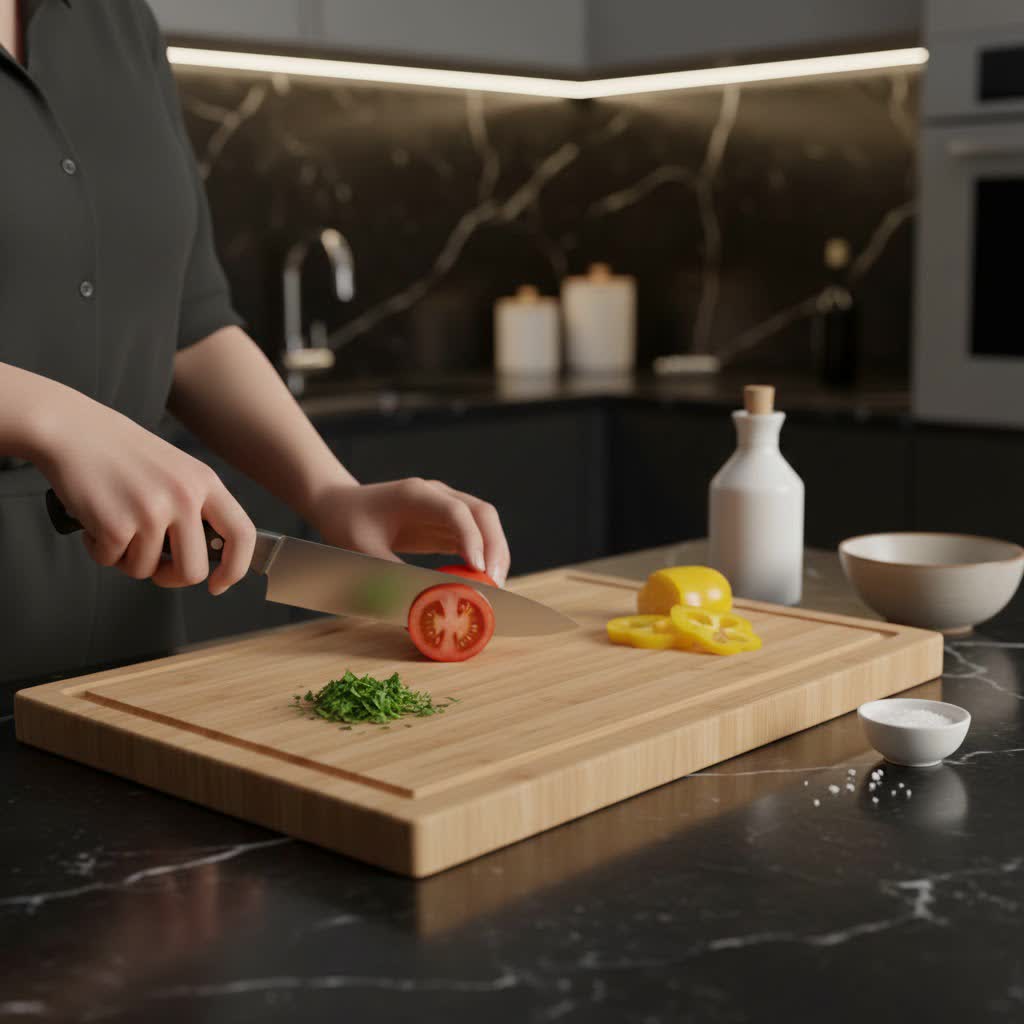
This article delves deep into the characteristics of end grain and edge grain cutting boards, comparing their benefits, drawbacks, and ideal uses. By exploring their unique attributes, from how they interact with your knife blades to their maintenance requirements and aesthetic appeal, you’ll be equipped to make an informed decision for your culinary needs.
Understanding Wooden Cutting Boards
Wooden cutting boards have graced kitchens for centuries, prized for their natural appeal and robust functionality. Unlike plastic or glass alternatives, wood offers a gentle surface that protects knife edges, enhancing both safety and the lifespan of your valuable cutlery. The way a wooden board is constructed, specifically the orientation of its wood fibers, significantly influences its performance and durability. Common hardwoods like maple, walnut, and cherry are often favored for their density and resistance to moisture, making them excellent choices for these essential kitchen tools.
End Grain Cutting Boards: The Premium Choice
End grain cutting boards represent the pinnacle of wooden board craftsmanship, often recognized by their distinctive checkerboard or mosaic patterns. They are a favored choice among professional chefs and serious home cooks due to their superior qualities.
What is End Grain?
|
Our Picks for the Best Wooden cutting board in 2026
As an Amazon Associate I earn from qualifying purchases.
|
||
| Num | Product | Action |
|---|---|---|
| 1 | Astercook Deep-Carbonized Bamboo Cutting Boards for Kitchen with Wood Storage Stand, Reversible Charcuterie & Chopping Boards with Juice Grooves and Easy-Grip Handles, Knife-Friendly, Kitchen Gift |

|
| 2 | Allsum Bamboo Wood Cutting Board for Kitchen, 1" Thick Butcher Block, Cheese Charcuterie Board, with Side Handles and Juice Grooves, 16x11" |
|
| 3 | Premium Cutting Board Set – Non-Toxic Carbonized Bamboo & Wooden Cutting Boards for Kitchen Meal Prep, Durable Butcher Block for Meat with Side Handles, Juice Groove, Charcuterie & Chopping (3 Pcs) |
|
| 4 | Keechee Bamboo Cutting Board, Durable Wood Cutting Boards for Kitchen with Deep Juice Grooves & Built-in Handles, Ideal Charcuterie & Chopping for Meat, Vegetables and Fruits Ideal Kitchen Gifts |
|
| 5 | Bamboo Cutting Board for Kitchen, 18" Large Wood Charcuterie Cheese Board, Wooden Chopping Block with Side Handles and Juice Grooves |
|
| 6 | Kikcoin 17”×11” Bamboo Cutting Boards for Kitchen, Healthy Wooden Cutting Boards for Kitchen, Charcuterie, Vegetables, Cheese, Extra Large Chopping Boards with Deep Juice Groove and Handle, Natural |
|
| 7 | Extra Large Cutting Board, 17.6" Bamboo Cutting Boards for Kitchen with Juice Groove and Handles Kitchen Chopping Board for Meat Cheese board Heavy Duty Serving Tray, XL, Empune |
|
| 8 | 3-Piece Set Bamboo Cutting Board for Kitchen - Crack-Resistant Wood Chopping Boards with Deep Juice Grooves, Pre-Oiled Butcher Block for Meat, Vegetables & Cheese, Carbonized |
|
| 9 | Greener Chef Luxury XL Bamboo Cutting Board Set of 3 with Vertical Grain Strength Technology - Extra Large Wood Cutting Boards for Kitchen and Lightweight Chopping Board Set - Replacements for Life |
|
| 10 | Freshware Bamboo Cutting Board Set of 3, Wooden Cutting Boards for Kitchen, Knife Friendly Food Grade Chopping Board, Lightweight with Hanging Hole for Easy Storage |
|
An end grain cutting board is constructed by cutting wood into small blocks, then arranging and gluing these blocks together so that the wood fibers are oriented vertically, pointing upwards towards the cutting surface. Imagine looking at the rings of a tree stump; that’s the end grain. This unique orientation allows the knife blade to slide between the fibers rather than cutting across them.
Advantages
End grain boards offer several compelling benefits that make them a premium investment for any kitchen.
- Exceptional Knife-Friendliness: The most significant advantage is their ability to protect knife edges. When a blade strikes an end grain surface, the wood fibers separate and then “self-heal,” closing back up once the knife is lifted. This action greatly reduces wear and tear on your knives, keeping them sharper for longer.
- Superior Durability and Self-Healing: This “self-healing” property also means end grain boards are highly resistant to visible knife marks and deep gashes. Over time, they maintain a smoother, less scarred surface compared to other types, contributing to a longer lifespan.
- Distinctive Aesthetics: The intricate patterns formed by the small wood blocks and their exposed grain create a beautiful, often artisanal look. This makes end grain boards not just functional tools but also striking kitchen decor or serving pieces.
Disadvantages
Despite their many benefits, end grain boards do come with a few considerations that potential owners should be aware of.
- Higher Cost: Due to the complex and labor-intensive manufacturing process, end grain boards are typically more expensive than their edge grain counterparts. This reflects the skill and time required to cut, arrange, and glue hundreds of individual wood blocks.
- Increased Maintenance Requirements: These boards tend to be “thirstier” and require more frequent oiling with food-grade mineral oil or board butter to keep the wood moisturized, prevent drying out, and maintain their self-healing properties. Neglecting this can lead to cracking or warping.
- Heavier and Thicker: End grain boards are often thicker and significantly heavier, which can make them more challenging to move, clean, and store, especially larger models.
Edge Grain Cutting Boards: The Everyday Workhorse
Edge grain cutting boards are a widespread and highly practical choice, offering a balanced combination of performance, durability, and affordability. They are a staple in many home kitchens for everyday use.
What is Edge Grain?
An edge grain cutting board is made by gluing together long strips of wood with the grain running horizontally across the board’s surface. Picture the side of a plank of wood; the long, parallel lines of the wood fibers are what define an edge grain board. The knife blade cuts across these fibers rather than between them.
Advantages
Edge grain boards provide a robust and reliable option for a variety of kitchen tasks.
- Greater Affordability: Generally, edge grain boards are less expensive to produce and purchase compared to end grain boards. Their simpler construction involves fewer intricate steps, making them a more budget-friendly option.
- Solid Durability: While they don’t offer the same “self-healing” properties as end grain, edge grain boards are still very durable for general kitchen tasks. They can withstand years of regular use with proper care.
- Easier Maintenance: These boards typically require less frequent oiling than end grain boards, making them a more low-maintenance option for busy households. They are less prone to drying out quickly.
- Lighter Weight: Edge grain boards are often lighter and thinner, making them easier to handle, wash, and store away when not in use. This can be a significant advantage in smaller kitchens or for cooks who prefer lighter tools.
Disadvantages
Understanding the limitations of edge grain boards is important for managing expectations and maintaining your kitchen tools.
- Increased Knife Wear: Since knife blades cut directly across the wood fibers, edge grain boards can dull knives faster over time compared to end grain boards. The resistance from the fibers creates more friction on the blade.
- More Prone to Scarring: Without the self-healing capability, edge grain boards are more susceptible to showing visible knife marks, cuts, and grooves. These can accumulate over time, potentially creating surfaces that are harder to clean.
Face Grain Cutting Boards: The Decorative Option
While the focus is on end grain vs. edge grain, it’s worth a brief mention of face grain boards for context. Face grain boards display the widest surface of the wood plank, showcasing the natural beauty of the wood’s grain patterns most prominently. They are often the most aesthetically pleasing due to their broad, uninterrupted wood patterns. However, for actual cutting, they are the least durable. Knives cut directly into the widest and softest part of the wood fibers, leading to quick scarring and a severely dulled blade. Face grain boards are best reserved for serving charcuterie, cheese, or as decorative pieces, rather than for heavy chopping.
Comparison: End Grain vs. Edge Grain at a Glance
Choosing between these two types of wooden cutting boards often comes down to prioritizing certain features. Here’s a quick comparison to help highlight their differences:
| Feature | End Grain | Edge Grain |
|---|---|---|
| Knife-Friendliness | Excellent (fibers separate and “heal”) | Good (fibers are cut, dulling knives faster) |
| Durability/Longevity | Very High (resists cuts, self-healing) | High (durable, but shows more wear) |
| Visible Cut Marks | Minimal (fibers close back up) | More pronounced (cuts across fibers) |
| Cost | Higher (complex manufacturing) | Lower (simpler construction) |
| Maintenance | More frequent oiling required | Less frequent oiling required |
| Weight | Heavier and thicker | Lighter and thinner |
| Aesthetics | Distinctive mosaic/checkerboard patterns | Linear, natural wood grain patterns |
“The true measure of a cutting board isn’t just its beauty, but how it treats your knives. An end grain board is an investment in your cutlery as much as it is in a kitchen tool.” – Chef Antoine Dubois, Culinary Instructor
Choosing the Right Board for Your Kitchen
Selecting the ideal wooden cutting board involves considering your specific needs, cooking habits, and budget. There’s no single “best” board for everyone; the right choice is highly personal.
Determine Your Usage Needs
Consider how frequently you cook and what types of ingredients you typically prepare. If you’re a serious home chef who chops vegetables daily and frequently uses high-carbon or Japanese knives, the knife-friendly properties of an end grain board might be paramount. For casual cooking or lighter tasks, an edge grain board might be perfectly adequate. Think about the size you need, too—a larger board for expansive prep, or smaller ones for quick tasks or dedicated ingredients like garlic and onions.
Consider Your Knives
The quality of your knives should heavily influence your board choice. If you own expensive, high-performance knives, an end grain board will offer superior protection for their delicate edges, significantly extending the time between sharpenings. For everyday utility knives, an edge grain board is a perfectly suitable and economical choice.
Evaluate Your Budget
End grain boards represent a more significant upfront investment due to their intricate construction. If budget is a primary concern, an edge grain board provides excellent value and durability without breaking the bank. Remember that both types, with proper care, can last for many years, making them a worthwhile kitchen investment.
Assess Your Maintenance Commitment
Wooden cutting boards require care to thrive, but the level of commitment differs. End grain boards are “thirstier” and need more consistent oiling to prevent drying and cracking. If you prefer a lower-maintenance option, an edge grain board, which typically needs less frequent conditioning, might be more appealing.
Kitchen Space and Storage
The size and weight of your board also play a role. Larger end grain boards can be quite heavy and thick, requiring ample storage space. Lighter, thinner edge grain boards are easier to maneuver and store, especially in smaller kitchens.
How to Clean and Maintain Your Wooden Cutting Board
Regardless of whether you choose an end grain or edge grain wooden cutting board, proper care is essential for its longevity, hygiene, and performance. Consistent maintenance prevents warping, cracking, and bacterial buildup.
Cleaning Your Wooden Cutting Board Correctly
After each use, clean your board promptly to prevent food particles from drying and staining.
- Hand Wash Immediately: Use warm water and a mild dish soap. Avoid harsh detergents or abrasive scrubbers, which can strip the wood’s natural oils.
- Scrub Gently: A soft sponge or brush is usually sufficient to remove food residue. For stubborn spots, a paste of baking soda and lemon juice can help.
- Rinse and Dry Thoroughly: Rinse both sides of the board to prevent warping, then immediately wipe it dry with a clean cloth. Never leave a wooden board to air dry completely flat, as this can trap moisture and lead to warping or mildew. Instead, stand it on its edge or use a drying rack to allow air circulation on all sides.
- Sanitize Occasionally: For deeper cleaning, especially after handling raw meat, you can spray the board with a solution of white vinegar (undiluted) and let it sit for a few minutes before rinsing. Lemon halves rubbed with salt can also help deodorize and lighten stains.
Proper Storage and Conditioning
Regular conditioning is vital for keeping your wooden cutting board healthy and durable.
- Oil Regularly: Apply food-grade mineral oil, beeswax conditioner, or a specialized board butter to your board every few weeks, or whenever the wood appears dry and faded. This penetrates the wood fibers, preventing them from drying out, cracking, and becoming brittle. Apply a generous coat, let it soak in for several hours (or overnight), then wipe off any excess.
- Never Submerge or Dishwash: Wooden boards should never be soaked in water or put in a dishwasher. Excessive water exposure can cause the wood to swell, crack, and warp, completely ruining the board.
- Store Properly: Store your board in a dry, well-ventilated area, either flat or standing on its edge. Avoid storing it near heat sources like ovens or direct sunlight, which can cause rapid drying and cracking.
Tips for Maximizing Your Board’s Life
Beyond basic cleaning and oiling, a few habits can further extend the life and performance of your wooden cutting board.
- Dedicated Boards: Consider using separate wooden cutting boards for different food types—one for raw meats and poultry, and another for vegetables, fruits, and cooked foods. This practice significantly reduces the risk of cross-contamination.
- Stabilize Your Board: Place a damp cloth or non-slip mat underneath your cutting board to prevent it from sliding during use. This enhances safety and provides a more stable cutting surface.
- Gentle Chopping: While wooden boards are durable, excessive force or aggressive chopping can still create deeper marks over time, especially on edge grain boards. Use appropriate pressure for your tasks.
- Occasional Resurfacing: For heavily used boards that have developed significant knife marks or an uneven surface, light sanding and re-oiling can restore them to a like-new condition.
Conclusion
The debate between end grain and edge grain wooden cutting boards ultimately boils down to your personal priorities and kitchen habits. End grain boards, with their exceptional knife-friendliness, self-healing properties, and luxurious aesthetics, are a premium investment for those who prioritize the longevity of their high-quality knives and seek a long-lasting, visually striking kitchen centerpiece. Edge grain boards, on the other hand, offer a highly durable, more affordable, and lower-maintenance alternative that excels in everyday kitchen tasks for the casual cook.
Both types of wooden cutting boards provide a superior cutting experience compared to plastic or glass, offering natural beauty and a surface that’s gentle on your blades. By understanding their distinct characteristics and committing to proper care, you can choose the right wooden cutting board that not only meets your culinary demands but also becomes a cherished heirloom in your kitchen. Which grain will grace your culinary adventures, safeguarding your knives and enhancing your cooking joy?
Frequently Asked Questions
Are end grain boards really self-healing?
Yes, end grain boards possess a unique “self-healing” quality. When a knife blade strikes the vertically oriented wood fibers, they momentarily separate and then naturally close back together once the blade is lifted. This process minimizes visible cut marks and significantly reduces wear on both the board and your knives.
Why are end grain boards more expensive?
End grain boards are typically more expensive due to the intricate and labor-intensive manufacturing process. They require precise cutting of numerous small wood blocks, meticulous arrangement to create specific patterns, and careful gluing, all of which demand more time and skill compared to the simpler construction of edge grain boards.
Can I use any wood for a cutting board?
While many types of wood can be used, hardwoods like maple, walnut, and cherry are generally preferred for cutting boards. They are dense enough to resist deep cuts and moisture absorption, yet soft enough not to damage knife blades. Softwoods, treated woods, or exotic woods can be unsuitable due to their porous nature, toxicity, or tendency to splinter.
How often should I oil my wooden cutting board?
The frequency of oiling depends on usage and environment, but a good rule of thumb is every 2-4 weeks, or whenever the wood appears dry, faded, or lighter in color. End grain boards, being “thirstier,” may require more frequent conditioning than edge grain boards to prevent cracking and warping.
Which type of board is better for hygiene?
Both end grain and edge grain wooden cutting boards can be hygienic with proper care. Wood naturally possesses some antimicrobial properties. However, regular and thorough cleaning, immediate drying, and consistent oiling are crucial for both types to prevent bacterial growth and maintain a safe food preparation surface.