Choosing the right cutting board is a fundamental decision for any kitchen, impacting everything from knife sharpness to food hygiene and even kitchen aesthetics. Many home cooks and professional chefs alike find themselves at a crossroads, pondering whether a beautiful and seemingly affordable option like an acacia wood cutting board truly delivers on its promise. Is it merely a budget-friendly choice, or does it offer genuine quality and performance? Let’s delve into the world of acacia wood cutting boards to uncover whether they are a worthwhile investment or just a passing trend.
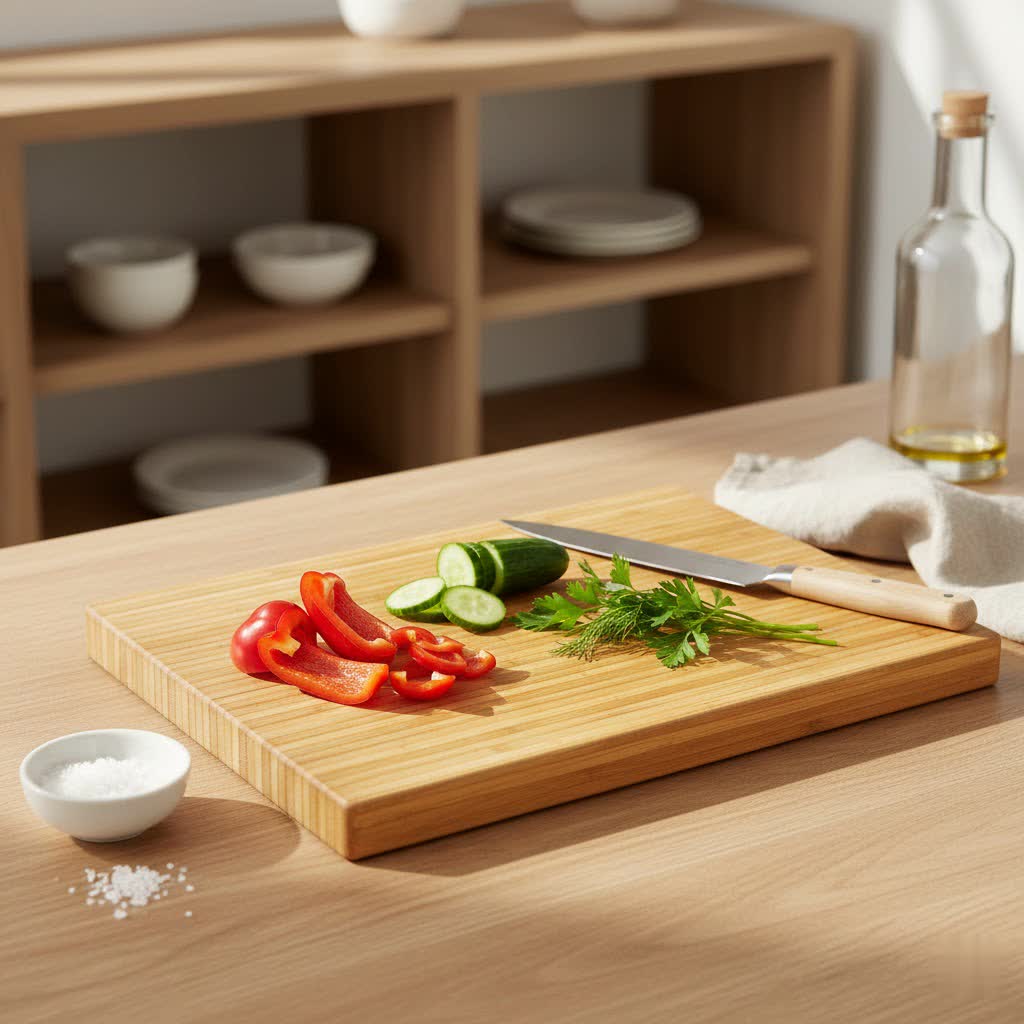
Wooden Cutting Board Overview
Wooden cutting boards are timeless kitchen essentials, celebrated for their natural beauty and functional advantages. Crafted from various wood species, these boards provide a resilient surface for food preparation. Their history dates back centuries, evolving from simple planks to sophisticated, engineered designs. Today, wood remains a preferred material due to its inherent properties and tactile experience, offering a more traditional feel compared to plastic or composite alternatives.
Among the myriad of options, several wood types stand out for cutting board production. Hardwoods like maple, walnut, and cherry are traditional favorites, known for their tight grain and durability. However, other woods, including bamboo (technically a grass) and acacia, have gained significant popularity. Each material brings its own unique set of characteristics, influencing the board’s appearance, performance, and maintenance requirements. Understanding these differences is key to making an informed choice for your culinary space.
Advantages and Disadvantages of Acacia Wood Cutting Boards
Acacia wood cutting boards have carved out a significant niche in the market, thanks to a compelling mix of features. Yet, like any material, they come with their own set of pros and cons that discerning users should consider.
Advantages
- High Aesthetic Appeal: Acacia wood is renowned for its striking, varied grain patterns and warm, rich tones that range from light amber to deep brown. These natural variations ensure each board is unique, adding an elegant and earthy touch to any kitchen countertop or dining table when used for serving.
- Excellent Durability: With a high Janka hardness rating, often around 1,750 lbf or even up to 2,300 psi in some species, acacia is significantly harder than many traditional cutting board woods like maple or walnut. This robust hardness makes acacia cutting boards highly resistant to knife marks, dents, and general wear and tear, promising a long lifespan with proper care.
- Natural Moisture Resistance: Acacia wood is naturally rich in oils, granting it impressive water resistance. This characteristic helps prevent the board from absorbing excessive moisture, which in turn reduces the likelihood of warping, cracking, or drying out, especially when compared to woods with less natural oil content.
- Odor and Stain Resistance: The dense, closed-grain structure of acacia wood is effective at resisting the absorption of strong food odors and preventing unsightly stains from colorful ingredients like beets or turmeric. This makes it a hygienic choice that maintains its clean appearance over time.
- Sustainable Choice: Acacia trees are fast-growing and abundant across various climates, making them a more sustainable and environmentally friendly resource compared to some slower-growing hardwoods. Many acacia boards are sourced from responsibly managed forests, appealing to eco-conscious consumers.
- Knife-Friendly Balance: While some perceive acacia as a harder wood that might dull knives, end-grain acacia boards, in particular, are designed to be forgiving. Their vertical wood fibers allow knife blades to slip between them, preserving blade sharpness over extended use and providing a good balance between board durability and knife care.
|
Our Picks for the Best Wooden cutting board in 2026
As an Amazon Associate I earn from qualifying purchases.
|
||
| Num | Product | Action |
|---|---|---|
| 1 | Extra Large Cutting Board, 17.6" Bamboo Cutting Boards for Kitchen with Juice Groove and Handles Kitchen Chopping Board for Meat Cheese board Heavy Duty Serving Tray, XL, Empune |

|
| 2 | Allsum Bamboo Wood Cutting Board for Kitchen, 1" Thick Butcher Block, Cheese Charcuterie Board, with Side Handles and Juice Grooves, 16x11" |
|
| 3 | 3-Piece Set Bamboo Cutting Board for Kitchen - Crack-Resistant Wood Chopping Boards with Deep Juice Grooves, Pre-Oiled Butcher Block for Meat, Vegetables & Cheese, Carbonized |
|
| 4 | Greener Chef Luxury XL Bamboo Cutting Board Set of 3 with Vertical Grain Strength Technology - Extra Large Wood Cutting Boards for Kitchen and Lightweight Chopping Board Set - Replacements for Life |
|
| 5 | Kikcoin 17”×11” Bamboo Cutting Boards for Kitchen, Healthy Wooden Cutting Boards for Kitchen, Charcuterie, Vegetables, Cheese, Extra Large Chopping Boards with Deep Juice Groove and Handle, Natural |
|
| 6 | Freshware Bamboo Cutting Board Set of 3, Wooden Cutting Boards for Kitchen, Knife Friendly Food Grade Chopping Board, Lightweight with Hanging Hole for Easy Storage |
|
| 7 | Astercook Deep-Carbonized Bamboo Cutting Boards for Kitchen with Wood Storage Stand, Reversible Charcuterie & Chopping Boards with Juice Grooves and Easy-Grip Handles, Knife-Friendly, Kitchen Gift |
|
| 8 | Bamboo Cutting Board for Kitchen, 18" Large Wood Charcuterie Cheese Board, Wooden Chopping Block with Side Handles and Juice Grooves |
|
| 9 | Premium Cutting Board Set – Non-Toxic Carbonized Bamboo & Wooden Cutting Boards for Kitchen Meal Prep, Durable Butcher Block for Meat with Side Handles, Juice Groove, Charcuterie & Chopping (3 Pcs) |
|
| 10 | Keechee Bamboo Cutting Board, Durable Wood Cutting Boards for Kitchen with Deep Juice Grooves & Built-in Handles, Ideal Charcuterie & Chopping for Meat, Vegetables and Fruits Ideal Kitchen Gifts |
|
Disadvantages
- Potential for Knife Dullness: Despite arguments for its knife-friendliness, acacia can still be harder on knife edges than softer hardwoods like maple, especially with lower-quality edge-grain boards or very delicate knife blades. This is sometimes attributed to its density or naturally occurring silica content.
- Requires Regular Maintenance: To maintain its natural beauty, moisture resistance, and prevent drying or cracking, an acacia cutting board needs consistent care. This includes regular oiling, typically every 3-4 weeks for daily use, which can be more frequent than some other materials.
- Not Dishwasher Safe: Like most wooden cutting boards, acacia boards are not suitable for dishwashers. The intense heat and prolonged exposure to water in a dishwasher can strip the wood of its natural oils, leading to irreparable warping, cracking, and damage to the finish.
- Weight and Handling: Some larger acacia butcher block-style boards can be quite heavy, making them more challenging to move, clean, and store compared to lighter plastic or bamboo options.
- Variability in Quality: As acacia wood gains popularity, the market has seen a rise in products with varying quality. Some mass-produced boards may use weaker sealants, composite wood, or improper construction techniques that compromise durability and longevity.
Popular Types of Wooden Cutting Boards
The world of wooden cutting boards is diverse, with various wood types offering distinct characteristics suited for different kitchen needs.
Hardwood Cutting Boards
Hardwoods are the traditional gold standard for cutting boards due to their exceptional durability and tight grain structure. Examples include maple, walnut, and cherry. Maple, particularly hard maple, is a longtime favorite in professional kitchens for its incredible density and ability to resist bacteria. Walnut offers a slightly softer surface than maple, which can be gentler on knives, along with a rich, dark color that beautifully conceals knife marks. Cherry provides a warm, reddish hue and a smooth texture, though it’s generally softer than maple. The primary advantages of hardwood boards are their longevity and resistance to deep cuts. Their main drawback is often a higher price point and the need for consistent oiling to prevent drying and cracking.
Softwood Cutting Boards
While less common for primary cutting surfaces, some softwoods like pine or cedar are occasionally used, typically for lighter tasks or as decorative serving boards. These woods are significantly less durable than hardwoods, prone to deep knife scores, and can harbor bacteria more easily due to their more porous nature. They are generally much cheaper but offer poor long-term performance and are not recommended for heavy-duty food preparation.
Bamboo Cutting Boards
Often mistaken for wood, bamboo is actually a fast-growing grass celebrated for its sustainability. Bamboo cutting boards are typically lightweight, affordable, and boast natural antimicrobial properties. Their dense, fibrous structure makes them quite hard, sometimes even harder than some traditional hardwoods. However, this hardness can also be a double-edged sword, as bamboo is known to dull knife edges more quickly due to its high silica content. Additionally, bamboo boards are often constructed from strips glued together, which can lead to delamination or cracking over time if not properly cared for.
Butcher Block Cutting Boards
Butcher block cutting boards refer to a construction style rather than a specific wood type. These boards are made by gluing together multiple pieces of wood, often hardwoods like maple, walnut, or acacia. They come in two main types:
- Edge-grain: Wood strips are glued together with the edges facing up, creating a linear pattern. These are generally more affordable and more common.
- End-grain: Wood pieces are oriented with the wood fibers facing upwards, resembling a checkerboard pattern. This construction is highly prized because the fibers “self-heal” by closing back together after a knife cut, making them exceptionally gentle on knives and highly resistant to scarring. End-grain boards are typically thicker, heavier, and more expensive, but offer superior durability and knife preservation. Acacia is frequently used in end-grain butcher block construction, providing a beautiful and robust surface.
Comparison of Popular Wooden Cutting Boards
Choosing the ideal wooden cutting board involves weighing several factors, from durability to aesthetics. Here’s a detailed comparison of popular wood types:
| Feature | Hardwood (e.g., Maple, Walnut) | Softwood (e.g., Pine) | Bamboo | Acacia |
|---|---|---|---|---|
| Durability | Very High | Low | High (but prone to splitting) | Very High |
| Knife-Friendliness | Excellent (Maple), Good (Walnut) | Poor | Moderate to Low (can dull knives) | Good (especially end-grain) |
| Moisture Resistance | Moderate (requires oiling) | Poor | Good (due to density) | Excellent (natural oils) |
| Natural Antibacterial | Moderate | Low | Good | Good |
| Aesthetics | Classic, varied grains & colors | Plain | Distinctive striped pattern | Rich, varied, striking patterns |
| Maintenance | Regular oiling (monthly) | Low (but quick degradation) | Regular oiling, prone to delamination | Regular oiling (bi-monthly) |
| Price Range | High | Low | Low to Moderate | Moderate to High |
| Sustainability | Moderate (slower growth) | Moderate | Very High (rapid growth) | High (fast-growing, abundant) |
| Weight | Moderate to Heavy | Light | Light to Moderate | Moderate to Heavy |
How to Choose the Right Acacia Wood Cutting Board
Selecting the perfect acacia wood cutting board involves understanding your culinary habits, kitchen space, and what makes a high-quality board.
Determine Your Usage Needs
Before diving into options, consider how you’ll use your board.
- Size: A larger board provides ample space for prepping multiple ingredients, ideal for avid cooks or families. For smaller kitchens or occasional use, a compact board might be more practical. Measure your counter space and sink to ensure comfortable use and cleaning.
- Food Type: If you primarily chop vegetables and fruits, most acacia boards will suffice. For heavy-duty tasks like carving roasts or deboning poultry, an end-grain butcher block style acacia board will offer superior durability and knife preservation.
- Budget: Acacia boards generally offer excellent value, sitting between cheaper bamboo/plastic and premium maple/walnut. Define your budget to narrow down choices without compromising too much on quality.
Choose the Right Wood Type and Construction
While we’re focusing on acacia, understanding its construction is crucial.
- End-Grain vs. Edge-Grain: For optimal knife health and board longevity, an end-grain acacia cutting board is usually superior. The upward-facing wood fibers allow knife blades to slide between them, reducing dulling and minimizing visible cut marks. Edge-grain acacia boards are more affordable and durable than softwoods, but may show more knife wear over time.
- Source and Treatment: Look for acacia wood that is sourced sustainably and treated with food-safe finishes. Reputable brands often provide details about their wood’s origin and the oils/sealants used. Avoid boards with strong chemical smells, which might indicate unsafe treatments.
Inspect for Quality
A thorough inspection ensures you’re getting a durable product.
- Surface Flatness and Smoothness: The board’s surface should be perfectly flat and smooth, without any warps, cracks, or rough patches. Imperfections can lead to uneven cutting and potential hygiene issues. Run your hand across the entire surface to feel for inconsistencies.
- Construction Integrity: Examine the glue lines, especially on multi-piece boards. They should be tight, uniform, and barely visible, indicating strong, high-quality construction. Any gaps or unevenness can lead to splitting or delamination.
- Edge Finish: Rounded or chamfered edges are a sign of good craftsmanship, preventing sharp corners that can chip or cause injury during handling. The overall finish should be smooth and consistent across all sides.
- Weight and Stability: A good acacia board will feel substantial and stable on your countertop, resisting movement during vigorous chopping. Look for non-slip feet if you prefer extra stability.
Consider Reputable Brands
Researching brands and reading user reviews can offer valuable insights. Brands like Ironwood Gourmet and Villa Acacia are often mentioned for their quality acacia products. While no brand is perfect, a consistently positive track record suggests a commitment to craftsmanship and customer satisfaction. Purchasing from established retailers also provides better assurance regarding product authenticity and customer support.
How to Clean and Maintain Your Acacia Wood Cutting Board
Proper care is paramount to extending the life and beauty of your acacia wood cutting board. Neglecting maintenance can lead to warping, cracking, and bacterial growth.
Correctly Cleaning Your Acacia Wood Cutting Board
After each use, thorough and gentle cleaning is essential.
- Immediate Hand Washing: Always wash your acacia cutting board immediately after use with warm, soapy water. Use a mild dish soap and a soft sponge or brush to remove food residues. Never let food sit on the board for prolonged periods, especially acidic or colorful ingredients, as they can stain or etch the wood.
- Avoid Soaking and Dishwashers: Absolutely never submerge your acacia board in water or place it in a dishwasher. Prolonged exposure to water and high heat will strip the wood of its natural oils, causing it to swell, warp, crack, and potentially harbor bacteria.
- Rinse and Dry Thoroughly: After washing, rinse the board completely with warm water to remove all soap residue. Immediately dry it with a clean towel. Then, allow it to air dry fully by standing it upright in a well-ventilated area. This ensures even air circulation on all sides, preventing moisture from accumulating and minimizing the risk of warping.
- Sanitize Periodically: For an extra layer of hygiene, especially after cutting raw meat or poultry, you can sanitize your board. Wipe it down with a solution of one part white vinegar to four parts water, or rub half a lemon with coarse salt across the surface. Let it sit for a few minutes before rinsing and drying thoroughly.
Proper Acacia Wood Cutting Board Preservation
Beyond daily cleaning, regular conditioning is crucial for preserving your board’s integrity.
- Regular Oiling: Acacia wood benefits significantly from regular oiling. Apply a food-grade mineral oil, butcher block oil, or a beeswax conditioner every 3-4 weeks for frequently used boards, or bi-monthly for lighter use. Generously apply the oil with a clean cloth, allowing it to soak in for several hours (or overnight) before wiping off any excess. This replenishes natural oils, prevents drying and cracking, and enhances its moisture resistance.
- Avoid Harsh Chemicals: Steer clear of harsh cleaning chemicals, abrasive scrubbers, or bleach. These can damage the wood fibers, strip natural oils, and leave behind residues that can contaminate food.
- Strategic Storage: Store your acacia cutting board in a dry, cool place away from direct sunlight, extreme heat sources (like ovens or radiators), or high humidity. Storing it vertically in a rack or against a wall allows for even air circulation and prevents uneven drying that can lead to warping. Avoid laying it flat on a wet surface or stacking it on other boards if it’s not completely dry.
- Rotate and Flip: For boards used frequently, rotating and flipping them periodically (e.g., weekly) ensures even wear and exposure to environmental conditions. This helps distribute any potential stress on the wood and promotes uniform drying.
Tips for Using Wooden Cutting Boards
Maximizing the life and performance of your acacia wood cutting board goes beyond cleaning and oiling; how you use it also plays a significant role.
- Dedicated Boards for Raw and Cooked Foods: To prevent cross-contamination, use separate cutting boards for raw meats, poultry, and seafood versus cooked foods and fresh produce. Consider color-coding or distinct designs to easily differentiate between them.
- Stabilize Your Board: Always place a damp cloth or a non-slip mat underneath your cutting board. This creates friction, preventing the board from sliding around while you chop, enhancing safety and efficiency.
- Avoid Excessive Force: While acacia is durable, consistently chopping or cleaving with extreme force can still create deep gouges or stress the wood. Use appropriate knife techniques that are gentle on both your blade and the board.
- Resurface When Needed: Over time, even with careful use, minor knife marks and unevenness can appear. If your board develops deep grooves or becomes noticeably rough, it can be sanded down and re-oiled to restore its smooth surface and extend its usability.
- Know When to Replace: Even the most well-maintained wooden cutting board has a lifespan. If your board develops deep, irreparable cracks, persistent odors, or becomes significantly warped beyond repair, it’s time to replace it to ensure food safety and optimal performance. Generally, with proper care, a quality acacia board can last 10-15 years or more.
“Acacia wood offers a compelling blend of durability, aesthetic appeal, and affordability, making it a strong contender for any kitchen. However, its longevity truly hinges on consistent, proper care.” – Chef Elena Petrova, Culinary Institute Instructor
Conclusion
The acacia wood cutting board presents a compelling proposition for modern kitchens, striking an impressive balance between cost-effectiveness and high-end performance. Its natural beauty, inherent durability, and robust moisture resistance make it a standout choice that can elevate both the function and aesthetic of your culinary space. While it requires a commitment to regular care, this investment of time ensures a long-lasting, hygienic, and visually appealing cutting surface.
Ultimately, an acacia wood cutting board is indeed a good choice, offering a premium feel without the often prohibitive price tag of other hardwoods. With the right selection and diligent maintenance, it can be a cherished tool in your kitchen for many years to come. Are you ready to embrace the warmth and resilience an acacia cutting board can bring to your cooking?
Frequently Asked Questions
Is an acacia wood cutting board truly sustainable?
Yes, acacia wood is considered a sustainable choice because acacia trees grow relatively quickly and are abundant across various regions, making them a more renewable resource compared to many slower-growing hardwoods. Many manufacturers also source acacia from responsibly managed forests.
Will an acacia cutting board dull my knives quickly?
While acacia is a hard wood, its effect on knife sharpness depends largely on the board’s construction. End-grain acacia boards, where wood fibers face upwards, are generally more gentle on knives as the blade slices between the fibers rather than directly into them. Edge-grain boards might be slightly harder on blades, but overall, with proper knife technique, acacia offers a good balance.
How often should I oil my acacia cutting board?
For optimal protection and longevity, a frequently used acacia cutting board should be oiled with food-grade mineral oil or beeswax every 3 to 4 weeks. If you use your board less often, applying oil every 2 to 3 months should suffice. The key is to keep the wood moisturized to prevent drying and cracking.
Can an acacia cutting board go in the dishwasher?
No, acacia wood cutting boards are not dishwasher safe. The high heat, harsh detergents, and prolonged exposure to water in a dishwasher will strip the wood of its natural oils, causing it to warp, crack, and potentially split, leading to irreversible damage. Always hand wash and dry immediately.
How do acacia cutting boards compare to bamboo boards in terms of durability?
Acacia wood is a true hardwood with natural oils, making it highly durable and resistant to moisture and warping. Bamboo, while hard, is a grass, and bamboo boards are often glued together, which can lead to delamination or splitting over time. Acacia generally offers better long-term durability and stability than many bamboo options.