Are you a home chef passionate about sushi, or simply someone who values razor-sharp knives and a pristine kitchen? Many cutting boards dull your precious blades or harbor bacteria. Discover Hinoki cutting boards – the traditional Japanese choice renowned for protecting knives and elevating your culinary experience. This review dives into why Hinoki, with its unique “medium-soft” properties, is not just suitable but often ideal for sushi and delicate prep, alongside its benefits, drawbacks, and essential care.
An Overview of Hinoki Cutting Boards
Hinoki, derived from the Japanese cypress tree, is a highly prized traditional wood in Japan, cherished for its use in everything from ancient temples to essential kitchen tools like cutting boards. This elegant wood is characterized by its fine grain, light color, and a distinctly subtle, natural fragrance that can bring a calming aroma to your kitchen.
What truly sets Hinoki apart as a cutting board material is its unique “medium-soft” quality. While many might instinctively equate “soft” with less durable, for cutting boards, particularly those used with high-quality Japanese knives, this is a significant advantage. Instead of a hard, unyielding surface that can cause razor-thin knife edges to dull or chip, Hinoki wood “gives” slightly under the blade’s impact. This protective interaction means your knife’s edge lasts longer and stays sharper, which is paramount for precise culinary tasks. You will naturally see knife marks on your Hinoki board, but these are not flaws; they are proof that the board is diligently working to preserve your precious blades.
Advantages and Disadvantages of Hinoki Wood
Like any specialized kitchen tool, Hinoki cutting boards offer a unique set of benefits and considerations. Understanding these can help you determine if this traditional Japanese wood is the right choice for your culinary needs.
Advantages
- Knife-Friendly Surface: The medium-soft texture of Hinoki wood is exceptionally gentle on knife edges. It absorbs the impact of cutting, preventing premature dulling and damage to your valuable blades, especially the thin, sharp edges of Japanese knives.
- Natural Antimicrobial Properties: Hinoki contains natural compounds called phytoncides, which actively inhibit the growth of bacteria and resist mold. This inherent hygiene makes it a superb choice for preparing raw ingredients, like fish for sushi.
- Aromatic Qualities: One of the most delightful aspects of a Hinoki board is its subtle, light, and refreshing citrusy scent. This natural fragrance not only enhances the cooking experience but also signifies the wood’s active antimicrobial properties.
- Lightweight and Maneuverable: Despite its sturdy construction, Hinoki is often lighter than many hardwood alternatives. This makes it easier to handle, move around the kitchen, and clean, particularly during intricate food preparation.
- Quick Drying: Hinoki wood has a relatively low water absorption rate and dries quickly, which further contributes to its hygienic properties and longevity.
- Sustainable Sourcing: Many reputable Hinoki cutting board manufacturers source their wood from sustainably managed forests, often bearing FSC (Forest Stewardship Council) certification. The wood often comes from forest thinning, a practice essential for healthy forest growth.
|
Our Picks for the Best Wooden cutting board in 2026
As an Amazon Associate I earn from qualifying purchases.
|
||
| Num | Product | Action |
|---|---|---|
| 1 | Freshware Bamboo Cutting Board Set of 3, Wooden Cutting Boards for Kitchen, Knife Friendly Food Grade Chopping Board, Lightweight with Hanging Hole for Easy Storage |

|
| 2 | Keechee Bamboo Cutting Board, Durable Wood Cutting Boards for Kitchen with Deep Juice Grooves & Built-in Handles, Ideal Charcuterie & Chopping for Meat, Vegetables and Fruits Ideal Kitchen Gifts |
|
| 3 | Extra Large Cutting Board, 17.6" Bamboo Cutting Boards for Kitchen with Juice Groove and Handles Kitchen Chopping Board for Meat Cheese board Heavy Duty Serving Tray, XL, Empune |
|
| 4 | 3-Piece Set Bamboo Cutting Board for Kitchen - Crack-Resistant Wood Chopping Boards with Deep Juice Grooves, Pre-Oiled Butcher Block for Meat, Vegetables & Cheese, Carbonized |
|
| 5 | Greener Chef Luxury XL Bamboo Cutting Board Set of 3 with Vertical Grain Strength Technology - Extra Large Wood Cutting Boards for Kitchen and Lightweight Chopping Board Set - Replacements for Life |
|
| 6 | Bamboo Cutting Board for Kitchen, 18" Large Wood Charcuterie Cheese Board, Wooden Chopping Block with Side Handles and Juice Grooves |
|
| 7 | Kikcoin 17”×11” Bamboo Cutting Boards for Kitchen, Healthy Wooden Cutting Boards for Kitchen, Charcuterie, Vegetables, Cheese, Extra Large Chopping Boards with Deep Juice Groove and Handle, Natural |
|
| 8 | Premium Cutting Board Set – Non-Toxic Carbonized Bamboo & Wooden Cutting Boards for Kitchen Meal Prep, Durable Butcher Block for Meat with Side Handles, Juice Groove, Charcuterie & Chopping (3 Pcs) |
|
| 9 | Allsum Bamboo Wood Cutting Board for Kitchen, 1" Thick Butcher Block, Cheese Charcuterie Board, with Side Handles and Juice Grooves, 16x11" |
|
| 10 | Astercook Deep-Carbonized Bamboo Cutting Boards for Kitchen with Wood Storage Stand, Reversible Charcuterie & Chopping Boards with Juice Grooves and Easy-Grip Handles, Knife-Friendly, Kitchen Gift |
|
Disadvantages
- Prone to Visible Knife Marks: Due to its medium-softness, Hinoki boards will show knife marks more readily than harder cutting surfaces. While these marks confirm the board is protecting your knife, they might not appeal to those who prefer an unblemished aesthetic.
- Requires Specific Maintenance: Hinoki boards demand careful attention. They are not dishwasher safe and should never be soaked in water, as this can lead to warping or cracking. Regular hand washing and thorough drying are essential.
- Higher Initial Investment: Compared to many common plastic or bamboo cutting boards, Hinoki boards typically come with a higher price tag, reflecting their specialized material and craftsmanship.
- Not Ideal for Heavy Chopping: While durable, the soft nature of Hinoki means it’s best reserved for slicing and delicate cutting tasks. Using heavy-duty cleavers or applying excessive force may cause deeper marks or damage the board over time.
Hinoki for Sushi: A Perfect Pairing?
For aficionados of Japanese cuisine, especially sushi and sashimi, the Hinoki cutting board isn’t just an option—it’s often the gold standard. Its unique properties align perfectly with the demands of preparing delicate raw fish and precisely cut vegetables.
Sushi chefs widely choose Hinoki boards because their medium-soft, gentle surface acts as a safeguard for razor-sharp Japanese knives, such as the Yanagiba. These specialized blades require a surface that “gives” rather than resists, allowing for incredibly clean, fluid cuts through fish without dulling the edge. This translates to pristine slices of sashimi and perfectly prepared ingredients for nigiri and maki rolls, preserving the delicate textures and flavors.
Beyond knife protection, Hinoki’s natural antimicrobial properties are a significant advantage when handling raw fish. The phytoncides within the wood actively work to inhibit bacterial growth, providing an extra layer of food safety. Additionally, a common practice among sushi chefs is to wet the Hinoki board before use. This simple step helps reduce the board’s absorption of odors, particularly from strong-smelling ingredients like fish, and can also prevent staining. The board’s surface also offers excellent natural grip for slippery fish and delicate vegetables, ensuring precision and safety during preparation.
Hinoki vs. Other Cutting Board Materials
Choosing a cutting board often comes down to balancing durability, knife protection, hygiene, and aesthetic appeal. Let’s compare Hinoki with some other popular cutting board materials to highlight its unique position.
Hardwood Cutting Boards (e.g., Maple, Walnut)
Hardwood boards like maple or walnut are popular for their robust durability and classic kitchen aesthetic. They are denser and generally harder than Hinoki, making them very resistant to deep cuts. However, this hardness can also be their drawback; they can be less forgiving on very sharp knives, potentially causing blades to dull faster over time. While durable, their hardness means less “give” against the knife edge.
Plastic/Synthetic Cutting Boards
Often made from polyethylene (PE) or other synthetic polymers, plastic cutting boards are praised for being non-porous, lightweight, and often dishwasher-safe, making them very easy to sanitize. Certain high-quality synthetic boards are designed to be knife-friendly. However, many standard plastic boards are quite hard and can rapidly dull knives. They also lack the natural antimicrobial properties and aesthetic warmth of wood.
Bamboo Cutting Boards
Bamboo boards are often marketed as sustainable and eco-friendly. They are generally harder than Hinoki and can be quite durable and affordable. However, the hardness of bamboo can be detrimental to knife edges, causing them to dull more quickly. Bamboo is also prone to splitting or delaminating over time if not properly cared for, and its grain can be less forgiving than traditional woods.
Table: Hinoki vs. Other Materials for Sushi Prep
| Feature | Hinoki (Japanese Cypress) | Hardwood (Maple) | Plastic (Polyethylene) | Bamboo |
|---|---|---|---|---|
| Knife-Friendliness | Excellent (medium-soft, “gives” to protect blades) | Good (hard, but can dull knives faster) | Varies (some knife-friendly, others hard) | Fair (hard, can dull knives) |
| Antimicrobial Props. | High (natural phytoncides) | Low-Moderate (requires diligent cleaning) | Low (relies on sanitization) | Moderate (natural, but less effective) |
| Odor Absorption | Low (with pre-wetting) | Moderate | Low | Moderate |
| Maintenance | High (hand wash, dry, oil regularly, no soaking/dishwasher) | Moderate (oil regularly, hand wash) | Low (often dishwasher safe) | Moderate (hand wash, dry, prone to splitting) |
| Aesthetic/Sensory | High (natural, fragrant, fine grain) | High (classic, rich grain) | Low (clinical, utilitarian) | Moderate (distinct grain, can be striped) |
| Price | High | Moderate-High | Low-Moderate | Low-Moderate |
| Sushi Specific Suitability | Ideal (protects delicate knives, hygienic) | Not ideal (can dull sushi knives) | Good (certain specialized types are good) | Not ideal (can dull sushi knives) |
Essential Care and Maintenance for Your Hinoki Board
To ensure your Hinoki cutting board remains a cherished and functional tool for years, proper care is paramount. A little routine maintenance goes a long way in preserving its unique qualities.
Daily Cleaning Ritual
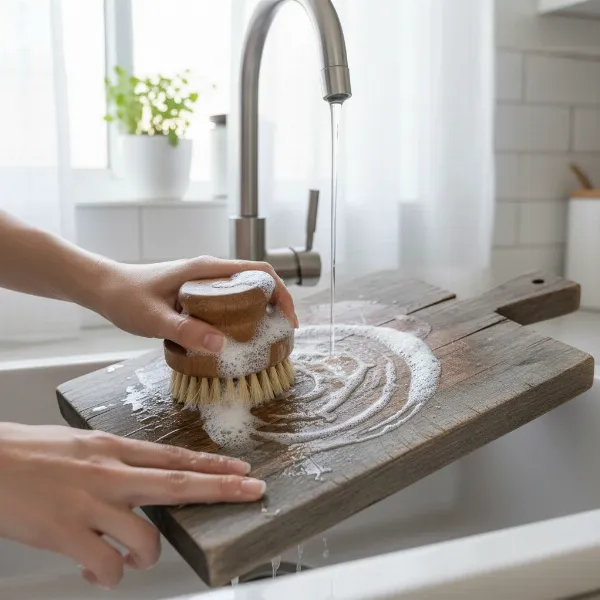
Immediately after each use, especially when working with raw fish or strong-smelling ingredients, wash your Hinoki board promptly. Use mild dish soap and warm water, scrubbing gently along the wood grain with a soft sponge or brush. After washing, thoroughly towel dry the board, then allow it to air-dry completely in an upright position or on its side, away from direct sunlight or heat sources. This prevents moisture from lingering, which can lead to warping or cracking. If you notice any stubborn stains, try rubbing a cut lemon over the area before rinsing; its natural acidity can help lift discoloration.
Long-Term Preservation
One of the most crucial aspects of Hinoki board care is conditioning. Periodically, apply a food-grade mineral oil or a specialized Hinoki oil to the entire surface of the board. This helps to moisturize the wood, prevent it from drying out, and reduce the likelihood of cracking.
“With proper care, a Hinoki board isn’t just a tool, it’s an investment in the longevity of your knives and the quality of your culinary output.”
Never submerge your Hinoki cutting board in water, and absolutely avoid putting it in a dishwasher. The prolonged exposure to moisture and high heat from a dishwasher can severely damage the wood, leading to irreversible warping, cracking, or splitting. If your board does happen to curve slightly over time, a simple trick is to flip it over and use the opposite side. This often allows the wood to naturally re-flatten itself over time. Store your Hinoki board in a dry, well-ventilated area, avoiding enclosed spaces that trap moisture.
Tips for Maximizing Your Hinoki Cutting Board Experience
Getting the most out of your Hinoki cutting board involves understanding its strengths and using it wisely.
Firstly, consider reserving your Hinoki board for delicate tasks. It truly shines when slicing sushi, sashimi, fine vegetables, fruits, and herbs. For heavier-duty chopping or tasks involving bone, consider a different, more robust board to prevent excessive marking or potential damage to your Hinoki. Avoid using heavy-duty cleavers or serrated knives on your Hinoki board, as these can create deeper grooves due to the wood’s relative softness. While Hinoki possesses natural antimicrobial properties, it’s still wise culinary practice to use separate cutting boards for raw meats and poultry to prevent cross-contamination. Finally, embrace the natural knife marks that will appear on your Hinoki board. These are a visual testament to its primary function: protecting and preserving the razor-sharp edge of your cherished knives.
Frequently Asked Questions
Is Hinoki wood truly soft?
Yes, Hinoki is considered a medium-soft wood, typically with a Janka hardness rating between 500-800 lbf. This specific softness is a key advantage, as it allows knife blades to “give” slightly into the surface, protecting their sharp edges from dulling quickly compared to harder woods or synthetic materials.
Why is Hinoki ideal for sushi preparation?
Hinoki’s medium-soft surface is gentle on delicate sushi knives, such as a Yanagiba, allowing for incredibly precise, clean cuts of fish and vegetables without damaging the blade. Additionally, its natural antimicrobial properties are excellent for the hygienic handling of raw ingredients.
Will my Hinoki cutting board show knife marks?
Yes, it will. The visible knife marks on a Hinoki board are actually a sign that the wood is performing its function of absorbing the knife’s impact, thus preserving your blade’s sharpness. These shallow marks are normal and expected with proper use.
How do I properly clean and maintain a Hinoki cutting board?
After each use, wash your Hinoki board immediately with mild soap and warm water, scrubbing along the grain. Towel dry it thoroughly, then let it air-dry completely away from direct sunlight. Never soak it or put it in a dishwasher, and apply food-grade mineral or Hinoki oil periodically to prevent drying.
Does Hinoki wood have a scent?
Yes, Hinoki wood is known for its light, natural, and pleasant citrusy fragrance. This subtle aroma can enhance the cooking experience and is also an indicator of its natural antimicrobial compounds at work.