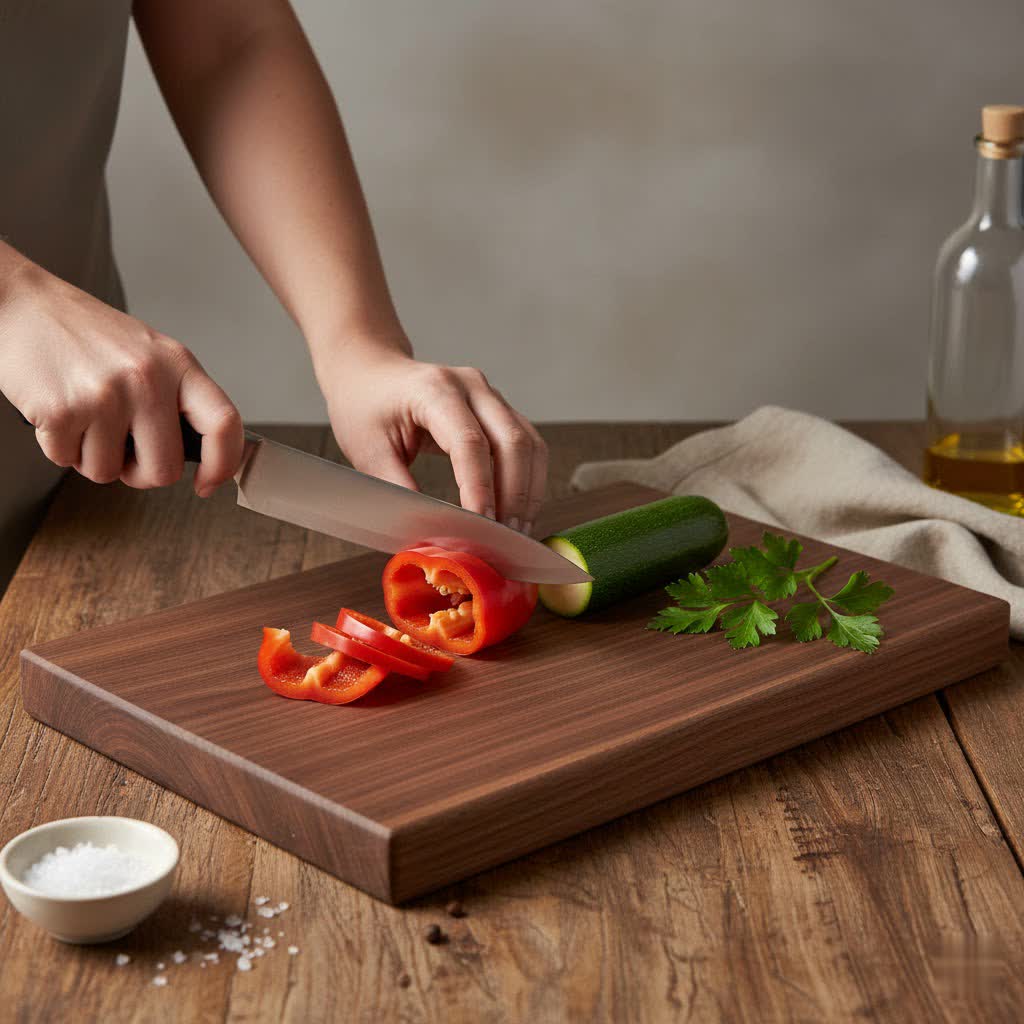
Stepping into a professional kitchen, you’ll often find a common sight: the iconic John Boos maple butcher block. These substantial wooden cutting boards have long been lauded by chefs and home cooks alike, but with their premium price tag, a crucial question arises: Is a John Boos maple block truly worth the investment? As a seasoned technician with over a decade of experience in evaluating wooden cutting boards, I’m here to dive deep into the world of John Boos maple blocks, examining their quality, performance, and the dedication required to keep them in pristine condition. Let’s determine if this revered kitchen essential lives up to its legendary reputation and whether it’s the right choice for your culinary journey.
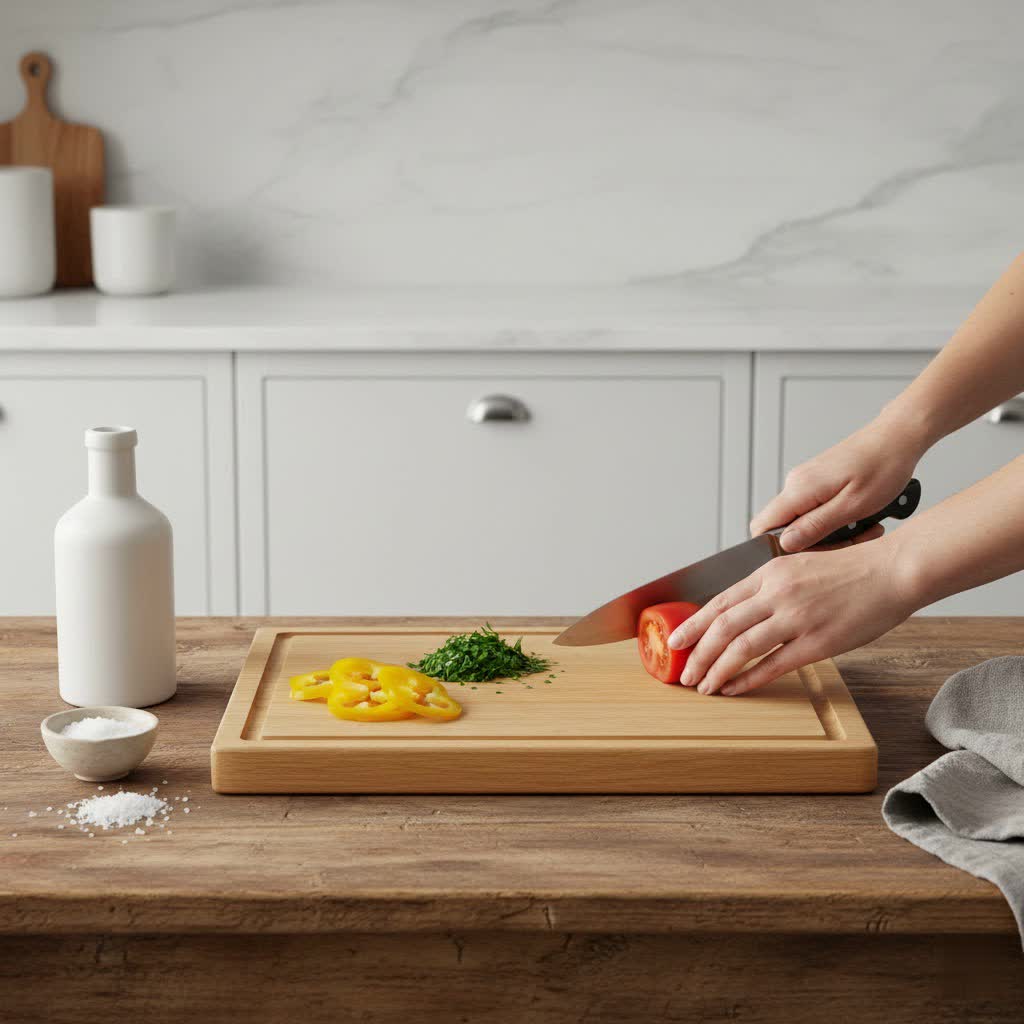
Wooden Cutting Board Overview
A wooden cutting board is more than just a surface for slicing; it’s a foundational tool in any kitchen. Historically, wood has been the material of choice for food preparation, valued for its natural durability and tactile feel. Over centuries, these boards have evolved from simple planks to sophisticated butcher blocks, incorporating advanced joinery and wood treatments. The types of wood commonly used today vary, each offering distinct properties that influence performance and longevity. Among the most popular are robust hardwoods like maple, walnut, and cherry, alongside more accessible options such as bamboo.
Advantages and Disadvantages of Wooden Cutting Boards
Wooden cutting boards bring a unique blend of benefits and challenges to the kitchen. Understanding these can help you appreciate their value and commit to the necessary care.
Advantages
- Aesthetic Appeal: The natural warmth and unique grain patterns of wood add a timeless, inviting touch to any kitchen decor, creating a cozy and professional ambiance.
- Knife-Friendly Surface: Unlike harder materials like glass or some plastics, wood’s inherent softness helps preserve the sharpness of your knife blades, reducing the frequency of sharpening. The wood fibers yield slightly to the blade, which is gentler on the edge.
- Natural Antibacterial Properties: Many hardwoods, particularly maple, possess natural antibacterial qualities. The porous surface can draw bacteria into the wood, where natural enzymes work to inhibit their growth, making them surprisingly hygienic when properly maintained.
- Exceptional Durability: With diligent care, a high-quality wooden cutting board can last for decades, becoming a long-term kitchen companion. Their robust construction stands up to daily rigorous use.
- Stability: Heavier wooden boards, especially butcher blocks, offer superior stability during chopping, dicing, and cleaving, preventing unwanted slips and movements.
|
Our Picks for the Best Wooden cutting board in 2026
As an Amazon Associate I earn from qualifying purchases.
|
||
| Num | Product | Action |
|---|---|---|
| 1 | Allsum Bamboo Wood Cutting Board for Kitchen, 1" Thick Butcher Block, Cheese Charcuterie Board, with Side Handles and Juice Grooves, 16x11" |

|
| 2 | Astercook Deep-Carbonized Bamboo Cutting Boards for Kitchen with Wood Storage Stand, Reversible Charcuterie & Chopping Boards with Juice Grooves and Easy-Grip Handles, Knife-Friendly, Kitchen Gift |
|
| 3 | 3-Piece Set Bamboo Cutting Board for Kitchen - Crack-Resistant Wood Chopping Boards with Deep Juice Grooves, Pre-Oiled Butcher Block for Meat, Vegetables & Cheese, Carbonized |
|
| 4 | Greener Chef Luxury XL Bamboo Cutting Board Set of 3 with Vertical Grain Strength Technology - Extra Large Wood Cutting Boards for Kitchen and Lightweight Chopping Board Set - Replacements for Life |
|
| 5 | Keechee Bamboo Cutting Board, Durable Wood Cutting Boards for Kitchen with Deep Juice Grooves & Built-in Handles, Ideal Charcuterie & Chopping for Meat, Vegetables and Fruits Ideal Kitchen Gifts |
|
| 6 | Bamboo Cutting Board for Kitchen, 18" Large Wood Charcuterie Cheese Board, Wooden Chopping Block with Side Handles and Juice Grooves |
|
| 7 | Extra Large Cutting Board, 17.6" Bamboo Cutting Boards for Kitchen with Juice Groove and Handles Kitchen Chopping Board for Meat Cheese board Heavy Duty Serving Tray, XL, Empune |
|
| 8 | Kikcoin 17”×11” Bamboo Cutting Boards for Kitchen, Healthy Wooden Cutting Boards for Kitchen, Charcuterie, Vegetables, Cheese, Extra Large Chopping Boards with Deep Juice Groove and Handle, Natural |
|
| 9 | Premium Cutting Board Set – Non-Toxic Carbonized Bamboo & Wooden Cutting Boards for Kitchen Meal Prep, Durable Butcher Block for Meat with Side Handles, Juice Groove, Charcuterie & Chopping (3 Pcs) |
|
| 10 | Freshware Bamboo Cutting Board Set of 3, Wooden Cutting Boards for Kitchen, Knife Friendly Food Grade Chopping Board, Lightweight with Hanging Hole for Easy Storage |
|
Disadvantages
- Susceptibility to Scratches and Odors: While knife-friendly, wood surfaces can show knife marks over time. They are also more prone to absorbing strong food odors if not cleaned promptly and thoroughly.
- Requires Regular Maintenance: Unlike plastic boards that can often go into a dishwasher, wooden boards demand consistent hand-washing, thorough drying, and periodic oiling and conditioning to prevent drying, cracking, and warping.
- Higher Initial Cost: High-quality wooden cutting boards, especially those from reputable brands like John Boos, typically come with a higher price tag compared to their plastic or bamboo counterparts, representing a significant upfront investment.
- Potential for Warping or Cracking: If not properly cared for – particularly if exposed to excessive moisture or extreme temperature changes – wooden boards can warp, split, or crack, compromising their functionality and appearance.
Popular Types of Wooden Cutting Boards
The world of wooden cutting boards offers a diverse array of options, each crafted from different wood species with unique characteristics.
Hardwood Cutting Boards
Hardwoods are generally considered the gold standard for cutting boards due to their density and durability.
- Examples: Maple (especially Northern Hard Rock Maple), walnut (American Black Walnut), cherry, and ash.
- Advantages: These woods are exceptionally durable, highly resistant to deep knife marks, and stable. They are also naturally gentle on knife edges and boast inherent antibacterial properties. Maple, in particular, is prized for its closed grain, making it less prone to absorbing moisture.
- Disadvantages: Hardwood boards often come with a higher price point due to the quality of the material and craftsmanship.
Softwood Cutting Boards
While less common for primary cutting surfaces, softwoods are sometimes used for lighter tasks or decorative purposes.
- Examples: Pine, cedar, fir.
- Advantages: Generally more affordable and lighter in weight.
- Disadvantages: Softwoods are easily scratched, prone to deep knife grooves, and can harbor bacteria more readily than hardwoods. They are not recommended for heavy-duty food preparation.
Bamboo Cutting Boards
Bamboo is technically a grass, not a wood, but it’s widely used for cutting boards due to its rapid growth and sustainable nature.
- Advantages: Environmentally friendly, often more affordable, and naturally resistant to bacteria.
- Disadvantages: Bamboo can be very hard on knife edges due to its high silica content, leading to faster dulling. It may also be prone to delamination or cracking over time if the glue joints are not robust.
Butcher Block Cutting Boards
Butcher blocks refer to thick, heavy cutting boards typically made from multiple pieces of hardwood joined together. They can be either edge-grain or end-grain.
- Advantages: Offer a substantial and stable work surface, ideal for heavy-duty chopping and cleaving. They are exceptionally durable and often serve as a semi-permanent fixture in a kitchen.
- Disadvantages: Their weight makes them difficult to move and clean, and they require significant counter space. They are also among the most expensive types of cutting boards.
Comparison Table: Types of Wooden Cutting Boards
| Feature | Hardwood (Maple, Walnut, Cherry) | Softwood (Pine, Cedar) | Bamboo | Butcher Block (Maple, Walnut) |
|---|---|---|---|---|
| Durability | High | Low | Medium to High | Very High |
| Knife-Friendliness | Excellent | Poor | Poor to Medium | Excellent (especially end-grain) |
| Antibacterial Props. | Good (natural) | Poor | Good (natural) | Good (natural) |
| Price Range | Medium to High | Low | Low to Medium | High |
| Ease of Cleaning | Medium | High | Medium | Low (due to weight) |
| Maintenance Needs | Regular oiling & conditioning | Low (but short lifespan) | Regular oiling & conditioning | Intensive oiling & conditioning |
| Aesthetics | High | Low to Medium | Medium | Very High |
John Boos Block Review: Is Maple Worth the Price?
John Boos & Co. has been crafting high-quality wooden butcher blocks and cutting boards since 1887, establishing itself as a benchmark in professional kitchens. Their maple blocks are particularly renowned, and the consensus among culinary experts often leans towards a resounding “yes” when asked about their value.
John Boos maple boards, typically crafted from durable Northern Hard Rock Maple, are celebrated for their resilience and ability to withstand intense daily use without showing significant wear. This wood’s tight, closed grain makes it remarkably resistant to deep knife cuts, while simultaneously being gentle on your knife edges, ensuring they stay sharper for longer. Users consistently report minimal dulling of blades, a critical factor for anyone serious about cooking.
The weight and stability of a John Boos maple block are often highlighted as key benefits. A heavy board stays put, providing a secure and safe surface for all cutting tasks, from delicate slicing to vigorous chopping. Many models are reversible, offering multiple work surfaces and extending the board’s life. While some smaller models might lack juice grooves, their expansive surfaces often mitigate spill concerns.
The initial investment for a John Boos maple block is undoubtedly higher than average. However, considering its longevity – with proper care, these boards can last for decades – the long-term value becomes apparent. It’s a “buy it for life” product that, over its lifespan, can justify its cost by reducing the need for replacements and protecting your expensive knives. Comparing it to other premium brands, John Boos often sits in a competitive mid-to-high price range for its quality.
“A John Boos maple block is more than just a cutting board; it’s a foundational piece of kitchen equipment that can elevate your cooking experience and last for generations.”
Ultimately, if you’re a passionate cook who values durability, knife longevity, hygiene, and a professional-grade tool, a John Boos maple block is indeed worth the price. It’s an investment in your kitchen, your knives, and your culinary enjoyment.
How to Choose the Right John Boos Block for You (Buying Guide)
Selecting the perfect John Boos maple block involves considering your unique kitchen setup and cooking habits.
Determine Your Usage Needs
- Size: Assess your available counter space and the volume of food you typically prepare. John Boos offers various sizes, from compact prep boards to expansive butcher blocks. A larger board provides more workspace but requires more storage.
- Type of Food: If you frequently butcher large cuts of meat, a thick end-grain butcher block might be ideal for its stability and knife-friendliness. For general prep, a versatile edge-grain board is often sufficient.
- Budget: While a John Boos board is an investment, models come at different price points. Determine what you’re comfortable spending while still prioritizing quality.
Choose the Appropriate Wood Construction
While John Boos is famous for maple, they also offer walnut and cherry. Maple is a solid, dense, and durable choice, favored by professionals. Consider whether you prefer edge-grain (more durable, less prone to warping) or end-grain (gentler on knives, more self-healing, but requires more care and typically costs more).
Inspect for Quality
- Surface: The board should be perfectly flat, smooth, and free of any cracks, splinters, or rough patches.
- Edges: Look for well-finished, slightly rounded edges for comfortable handling and safety.
- Wood Origin: Ensure the wood is sourced responsibly and treated safely, ideally with food-grade finishes.
Reputable Retailers
Purchase your John Boos block from authorized dealers or reputable kitchenware stores to guarantee authenticity and quality. Check customer reviews for insights into specific models and vendor reliability.
Cleaning and Maintaining Your John Boos Maple Block
Proper care is paramount to ensuring your John Boos maple block lasts a lifetime. Neglect can lead to warping, cracking, and unsanitary conditions.
Proper Cleaning of Wooden Cutting Boards
- After Each Use: Immediately wash your board with warm water and mild dish soap. Avoid harsh detergents as they can strip the wood of its natural oils.
- Scrubbing: Use a soft sponge or brush to thoroughly remove all food debris. For stubborn stains, a paste of baking soda and water can be gently scrubbed on the affected area.
- Disinfection: For occasional deeper cleaning, especially after cutting raw meat, you can use a solution of 1 part white vinegar to 2 parts water, or a fresh lemon half rubbed with salt. Rinse thoroughly afterward.
- Drying: This is critical. Immediately wipe the board dry with a clean towel. Then, stand the board on its edge to allow even air circulation on all sides. This prevents moisture from pooling, which can lead to warping or mildew.
Proper Storage of Wooden Cutting Boards
- Oiling: Apply a generous coat of food-grade mineral oil (or John Boos Mystery Oil) to all surfaces of your board at least once a month, or whenever the wood appears dry or faded. Let it soak in for several hours or overnight, then wipe off any excess. This moisturizes the wood and prevents it from drying out and cracking.
- Conditioning: For added protection, follow up the oiling with a board cream or beeswax-based conditioner (like John Boos Board Cream). This creates a protective barrier against moisture and stains.
- Avoid Soaking: Never submerge a wooden cutting board in water, as this can cause it to warp, crack, or delaminate.
- No Dishwashers: The high heat and harsh detergents of a dishwasher are extremely damaging to wooden boards and will quickly ruin them.
- Storage Location: Store your board in a dry, cool, and well-ventilated area, preferably standing on its edge. Avoid placing it flat on a damp surface or near heat sources.
Essential Tips for Using Wooden Cutting Boards
Maximize the life and performance of your wooden cutting board with these practical tips.
- Separate Boards: Always use a separate cutting board for raw meats (poultry, beef, fish) and another for ready-to-eat foods like vegetables, fruits, and bread to prevent cross-contamination.
- Stabilize Your Board: Place a damp paper towel or a non-slip mat underneath your board to keep it from slipping during use, enhancing safety and stability.
- Mind Your Knives: While wood is knife-friendly, avoid using cleavers or heavily serrated knives that can dig deep gouges into the surface.
- Rotate Surfaces: If your board is reversible, alternate using both sides regularly. This ensures even wear and helps prevent warping.
- Address Stains and Odors Promptly: Don’t let food sit on the board for extended periods. Clean any stains or strong odors as soon as possible. Lemon and salt can be effective for fresh stains and deodorizing.
- Sanding & Resealing: For very deep knife marks or persistent stains, a wooden board can be lightly sanded and then re-oiled and conditioned to restore its surface.
- Know When to Replace: Even with the best care, boards eventually wear down. If your board develops deep, irreparable grooves that are difficult to clean, or if it splinters significantly, it’s time for a replacement to maintain hygiene and safety.
Conclusion
The John Boos maple block stands as a testament to enduring quality and functionality in the culinary world. While it represents a premium investment, its unparalleled durability, knife-friendly surface, and natural antibacterial properties make it a tool that not only enhances your cooking experience but also promises to last for decades with the right care. Embracing the maintenance routine required for these magnificent wooden blocks is a small price to pay for a lifetime of reliable performance and a touch of timeless elegance in your kitchen. So, are you ready to invest in a legacy piece that will serve generations of culinary creations?
Frequently Asked Questions
What is the primary benefit of a John Boos maple block over other woods?
John Boos maple blocks are prized for their exceptional density and tight grain, offering a remarkably durable surface that is gentle on knives and naturally resistant to bacteria. This combination ensures a long lifespan and superior performance.
How often should I oil my John Boos cutting board?
It is recommended to oil your John Boos board at least once a month, or more frequently if it sees heavy use or if the wood begins to look dry or faded. Consistent oiling is crucial to prevent the wood from drying out, cracking, and warping.
Can I use any mineral oil for my John Boos block?
Yes, you can use any food-grade mineral oil. While John Boos offers its “Mystery Oil,” generic food-grade mineral oil found at most pharmacies works just as effectively to penetrate and moisturize the wood.
How do John Boos end-grain boards compare to edge-grain boards?
End-grain John Boos boards are often considered superior for knife longevity, as the knife edge slides between the wood fibers, leading to less dulling and a “self-healing” appearance. Edge-grain boards are generally more durable and less prone to warping, making them excellent for everyday heavy use.
What should I do if my John Boos board starts to warp or crack?
Warping or cracking usually indicates insufficient oiling or improper drying. Immediately increase your oiling frequency. If the damage is minor, sanding and re-oiling might help. For severe warping or deep cracks, professional repair or replacement might be necessary.