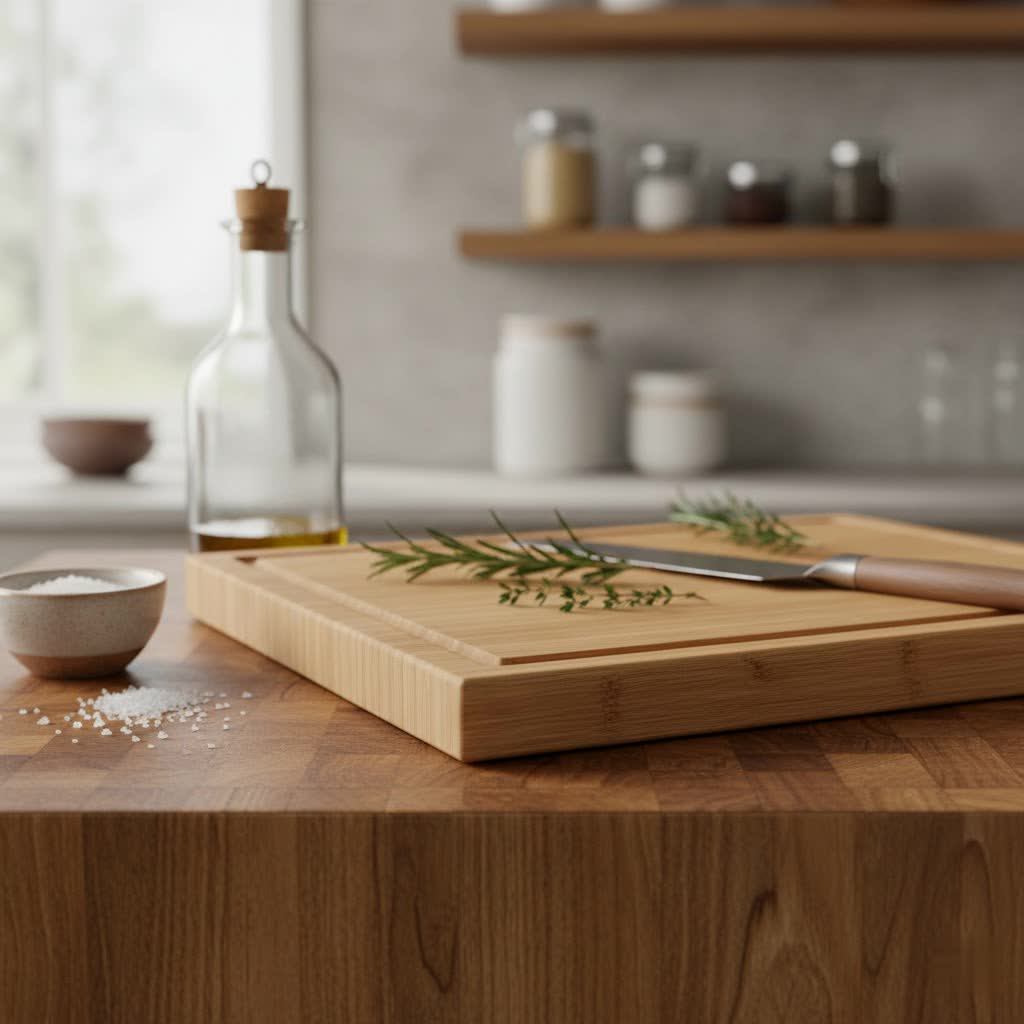
A truly exceptional kitchen requires tools that inspire confidence and elevate every culinary endeavor. Among these, the cutting board stands as a fundamental pillar, often overlooked yet critical to both knife longevity and food preparation hygiene. While countless options flood the market, from plastic to various wood types, the Larch Wood Canada End Grain Cutting Board has carved out a reputation as a premium choice for discerning chefs and home cooks alike. This review delves into what makes these boards a standout, exploring their unique construction, benefits, potential drawbacks, and essential care to help you decide if a Larch Wood board is the right investment for your kitchen.
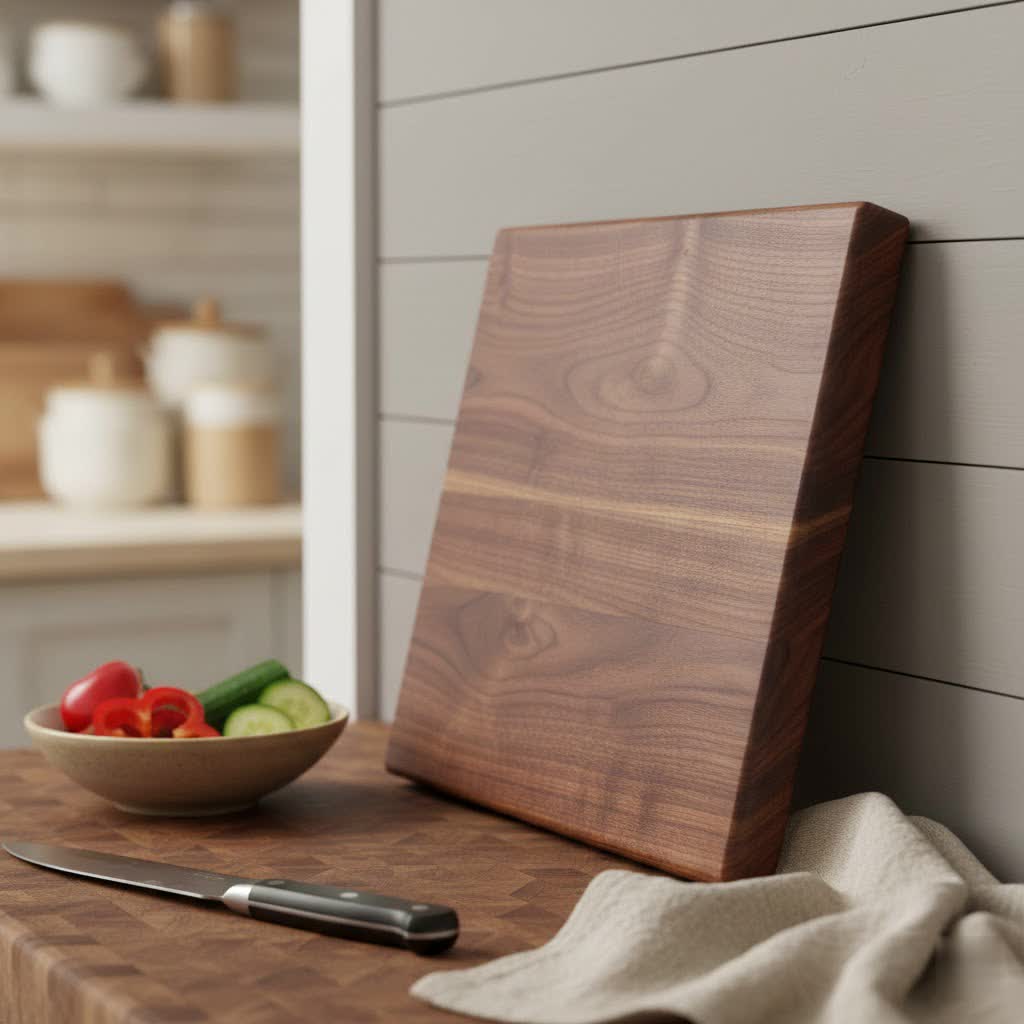
The Larch Wood Difference: Understanding End Grain Construction
At the heart of the Larch Wood cutting board’s appeal lies its innovative end grain construction, a method revered in woodworking for its superior performance and aesthetic beauty. Unlike edge grain boards, where the side of the wood fibers are exposed, end grain boards are crafted by orienting the wood fibers vertically, facing upwards. This design creates a unique “self-healing” surface where knife blades glide between the wood fibers rather than cutting across them. This gentle interaction not only preserves the sharpness of your knives, significantly extending their life, but also helps minimize visible cut marks on the board itself, maintaining its pristine appearance over time.
Larch wood, specifically Eastern Larch (Larix laricina) sustainably harvested from Canadian forests, possesses distinct characteristics that make it ideal for this application. Though technically a softwood, it exhibits a density and resilience that allows it to perform much like a hardwood in a cutting board context. Its natural resin content contributes to its inherent antimicrobial properties and provides superior resistance to moisture and warping, critical factors for any durable kitchen surface. Larch Wood Canada artisans meticulously handcraft each board, leveraging these natural attributes to produce a product that is both functionally excellent and visually striking, often doubling as an elegant serving platter.
Pros and Cons of the Larch Wood End Grain Cutting Board
Choosing a high-quality cutting board is a significant decision. Understanding the strengths and weaknesses of the Larch Wood Canada End Grain Cutting Board can help you determine if it aligns with your culinary needs and lifestyle.
Advantages
The Larch Wood Canada End Grain Cutting Board offers a suite of benefits that justify its premium status.
- Unrivaled Knife-Friendliness: The end grain construction is exceptionally gentle on knife edges. Instead of hitting against hard wood fibers, the blade slides between them, preserving its sharpness and reducing the frequency of sharpening. This is a crucial advantage for anyone investing in quality knives.
- Stunning Aesthetics and Durability: Each board boasts unique, captivating grain patterns and a warm, inviting hue that enhances any kitchen décor. Beyond its beauty, the dense, self-healing properties of larch wood ensure remarkable durability, allowing the board to withstand years of daily use when properly maintained.
- Natural Antimicrobial Properties: Larch wood contains natural resins that contribute to its inherent resistance against bacteria. This makes it a hygienic choice for food preparation, offering peace of mind in your kitchen.
- Moisture and Warp Resistance: Thanks to its natural resin content and carefully engineered end-grain construction, Larch Wood boards exhibit impressive resistance to moisture absorption, reducing the likelihood of warping or cracking, common issues with lesser quality wooden boards.
- Versatility as a Serving Platter: The exquisite craftsmanship and beautiful wood grain mean these boards are not just for chopping; they effortlessly transition into stunning serving platters for charcuterie, cheeses, or breads, making them a versatile addition to your entertaining arsenal.
|
Our Picks for the Best Wooden cutting board in 2026
As an Amazon Associate I earn from qualifying purchases.
|
||
| Num | Product | Action |
|---|---|---|
| 1 | Kikcoin 17”×11” Bamboo Cutting Boards for Kitchen, Healthy Wooden Cutting Boards for Kitchen, Charcuterie, Vegetables, Cheese, Extra Large Chopping Boards with Deep Juice Groove and Handle, Natural |

|
| 2 | Extra Large Cutting Board, 17.6" Bamboo Cutting Boards for Kitchen with Juice Groove and Handles Kitchen Chopping Board for Meat Cheese board Heavy Duty Serving Tray, XL, Empune |
|
| 3 | Keechee Bamboo Cutting Board, Durable Wood Cutting Boards for Kitchen with Deep Juice Grooves & Built-in Handles, Ideal Charcuterie & Chopping for Meat, Vegetables and Fruits Ideal Kitchen Gifts |
|
| 4 | Allsum Bamboo Wood Cutting Board for Kitchen, 1" Thick Butcher Block, Cheese Charcuterie Board, with Side Handles and Juice Grooves, 16x11" |
|
| 5 | Freshware Bamboo Cutting Board Set of 3, Wooden Cutting Boards for Kitchen, Knife Friendly Food Grade Chopping Board, Lightweight with Hanging Hole for Easy Storage |
|
| 6 | Astercook Deep-Carbonized Bamboo Cutting Boards for Kitchen with Wood Storage Stand, Reversible Charcuterie & Chopping Boards with Juice Grooves and Easy-Grip Handles, Knife-Friendly, Kitchen Gift |
|
| 7 | Premium Cutting Board Set – Non-Toxic Carbonized Bamboo & Wooden Cutting Boards for Kitchen Meal Prep, Durable Butcher Block for Meat with Side Handles, Juice Groove, Charcuterie & Chopping (3 Pcs) |
|
| 8 | Bamboo Cutting Board for Kitchen, 18" Large Wood Charcuterie Cheese Board, Wooden Chopping Block with Side Handles and Juice Grooves |
|
| 9 | 3-Piece Set Bamboo Cutting Board for Kitchen - Crack-Resistant Wood Chopping Boards with Deep Juice Grooves, Pre-Oiled Butcher Block for Meat, Vegetables & Cheese, Carbonized |
|
| 10 | Greener Chef Luxury XL Bamboo Cutting Board Set of 3 with Vertical Grain Strength Technology - Extra Large Wood Cutting Boards for Kitchen and Lightweight Chopping Board Set - Replacements for Life |
|
Disadvantages
While the advantages are compelling, there are a few considerations to keep in mind before purchasing a Larch Wood cutting board.
- Initial Investment and Availability: Larch Wood Canada End Grain Cutting Boards are a premium product, and their price reflects their craftsmanship and quality. This initial cost is higher than many synthetic or simpler wooden boards. Additionally, they may not be as widely available in all stores compared to more common brands.
- Ongoing Maintenance Requirements: To maintain its longevity and beauty, a Larch Wood board requires consistent care. This includes regular washing by hand, immediate drying, and periodic oiling or conditioning. Neglecting these steps can lead to dryness, cracking, or warping over time.
- Potential for Staining (Minor): While generally resilient, some users have noted minor staining from highly pigmented foods like sweet potatoes if left on the surface for extended periods. Prompt cleaning helps mitigate this.
Larch Wood vs. Other Popular Cutting Board Materials
Understanding how Larch Wood stacks up against other common cutting board materials can help you appreciate its unique value proposition.
Larch Wood vs. Maple
Maple is a traditional and highly regarded choice for cutting boards due to its hardness and durability. While maple end-grain boards are also excellent for knife preservation, larch wood is often considered slightly softer, providing an even more forgiving surface for your blades. Larch’s natural resins also give it an edge in moisture resistance compared to some maple boards. Visually, larch tends to have a warmer tone and more pronounced grain patterns.
Larch Wood vs. Walnut
Walnut cutting boards are prized for their rich, dark color and natural beauty. They offer a good balance of hardness and knife-friendliness. Larch wood, however, typically offers superior antimicrobial properties due to its inherent resins. For those who prefer lighter-colored wood with exceptional knife care qualities, larch can be a more suitable choice than the darker aesthetic of walnut.
Larch Wood vs. Bamboo
Bamboo cutting boards are often marketed as eco-friendly and hard-wearing. However, bamboo’s extreme hardness can be detrimental to knife edges, dulling them quickly. Furthermore, bamboo boards are typically made from glued-together strips, which can delaminate or splinter over time. Larch Wood, with its end-grain construction, provides a significantly more knife-friendly surface and generally offers greater longevity and resistance to splitting than most bamboo options.
Choosing Your Larch Wood Board: A Buying Guide
Investing in a Larch Wood Canada End Grain Cutting Board means bringing a piece of functional art into your kitchen. Here’s how to ensure you make the best choice.
Size and Kitchen Needs
Consider your typical cooking volume and available kitchen space. Larch Wood boards come in various sizes, from compact designs for small tasks to large butcher blocks suitable for extensive meal prep. A larger board offers more working surface but requires more storage. Think about whether you primarily chop vegetables, carve meats, or need a versatile board for everything.
Understanding Larch Wood’s Quality
Larch Wood Canada maintains high standards across its product lines. While there might be slight variations in grain or minor cosmetic imperfections that differentiate “standard” from “premium” lines (as sometimes noted by enthusiasts), the core end-grain construction and wood quality remain consistent. Focus on the overall craftsmanship—look for smooth surfaces, well-joined blocks, and a solid, substantial feel.
Verifying Authenticity and Quality
Purchase directly from Larch Wood Canada or reputable kitchenware retailers. Always ensure the board feels robust and stable. The surface should be impeccably smooth, free from splinters, cracks, or unevenness. A quality board will also have a natural, pleasant wood scent, free from any chemical odors. Don’t hesitate to read customer reviews from various sources to gain insights into user experiences and brand reputation.
Mastering the Care and Maintenance of Your Larch Wood Board
Proper care is paramount to unlocking the full potential and ensuring the longevity of your Larch Wood Canada End Grain Cutting Board. Think of it as a finely crafted tool that thrives on a consistent, gentle routine.
Daily Cleaning Protocol
After each use, clean your board promptly. The experts at Larch Wood often advise, “Give it a shower, not a bath.” Use warm (not hot) running water, a mild dish soap, and a soft cloth or sponge. Gently scrub away any food residue. Immediately after washing, thoroughly dry the board with a clean towel. Never let it air dry completely, as this can lead to water spots and uneven drying.
Essential Oiling and Conditioning
Regular conditioning is the most crucial aspect of wooden cutting board care. For the first month of ownership, condition your Larch Wood board weekly to allow it to fully adapt to your home environment. Subsequently, a monthly treatment is recommended. Apply a generous coat of food-safe mineral oil or, ideally, a specialized board conditioner (such as Larch Wood’s own beeswax and oil blend) to all surfaces: top, bottom, and sides. Allow the conditioner to absorb for several hours, or even overnight, then buff off any excess with a clean, dry cloth to a subtle sheen. This process keeps the wood hydrated, prevents drying and cracking, and enhances its natural resistance to moisture.
Preventing Common Issues
To proactively safeguard your board, avoid storing it in hot, dry places or near direct sunlight or heat sources, which can cause cracking and warping. Similarly, high humidity can also be detrimental. Storing your board upright on its edge allows for optimal airflow and prevents moisture from accumulating on one side. If you notice minor knife marks or discoloration, a deep conditioning can often help them fade over time.
Expert Tips for Maximizing Your Board’s Lifespan
Beyond routine cleaning and conditioning, a few expert tips can further extend the life and beauty of your Larch Wood Canada End Grain Cutting Board.
- Avoid Dishwashers and Soaking: This is a golden rule for any quality wooden cutting board. The intense heat, harsh detergents, and prolonged water exposure in a dishwasher will inevitably cause warping, cracking, and damage to the wood and its glue joints. Likewise, never submerge your board in water for extended periods.
- Rotate Your Cutting Surfaces: If your board is reversible, make it a habit to alternate the cutting surfaces. This ensures even wear and helps maintain the board’s structural integrity over time. Even if it’s not strictly reversible, periodically using different sections of the board can distribute the impact of cutting.
- Address Stains and Odors Naturally: For persistent odors from garlic or onions, or minor stains, a simple household remedy can work wonders. Sprinkle coarse salt over the affected area, then use half a lemon to scrub the surface vigorously. The lemon’s acidity and the salt’s abrasive action will help draw out odors and lift stains. Rinse with warm water and dry thoroughly afterward.
“A well-cared-for end-grain cutting board isn’t just a kitchen tool; it’s an heirloom, silently absorbing the stories of countless meals shared.”
Conclusion
The Larch Wood Canada End Grain Cutting Board represents a significant investment in your culinary journey, offering a harmonious blend of stunning aesthetics, unparalleled knife-friendliness, and robust durability. Its unique end-grain construction and the inherent properties of Eastern Larch wood ensure that it is gentle on your precious knives, naturally hygienic, and resistant to the common pitfalls of other wooden boards. While it demands a commitment to proper cleaning and regular conditioning, the rewards are a cutting surface that performs beautifully, maintains its elegance, and can truly become an enduring centerpiece in your kitchen for decades to come.
Are you ready to experience the transformative difference a truly exceptional cutting board can make in your daily cooking?
Frequently Asked Questions
Is Larch wood truly better for knives than other woods?
Yes, Larch wood, particularly in end-grain construction, is highly regarded for its knife-friendliness. Its softer fibers allow knife edges to slide between them, reducing dulling and extending the life of your blades more effectively than harder woods or bamboo.
How often should I oil my Larch Wood cutting board?
For new boards, oil weekly for the first month to season it. After that, monthly oiling or conditioning with a food-safe mineral oil or board conditioner is recommended to keep the wood hydrated and prevent cracking.
Can I use my Larch Wood board for raw meat and vegetables?
It is best practice to use separate cutting boards for raw meats and produce to prevent cross-contamination. If you only have one board, ensure it is thoroughly cleaned and disinfected with lemon and salt or diluted vinegar after preparing raw meat.
Why do Larch Wood boards cost more than other cutting boards?
The higher cost reflects the meticulous end-grain construction, the quality of sustainably sourced Eastern Larch wood, and the hand-craftsmanship involved. This results in a superior, more durable, and knife-friendly product that offers long-term value.
What should I do if my Larch Wood board develops a crack?
Small cracks can sometimes be mitigated with a generous application of board conditioner, allowing the wood fibers to rehydrate. For significant cracks, it’s best to consult Larch Wood Canada’s customer service for guidance or potential repair options.
Is Larch Wood Canada an environmentally friendly choice?
Larch Wood Canada is committed to sustainability, sourcing its Eastern Larch from responsibly managed forests in Cape Breton, Nova Scotia. This focus on local, sustainable harvesting contributes to its environmentally conscious appeal.