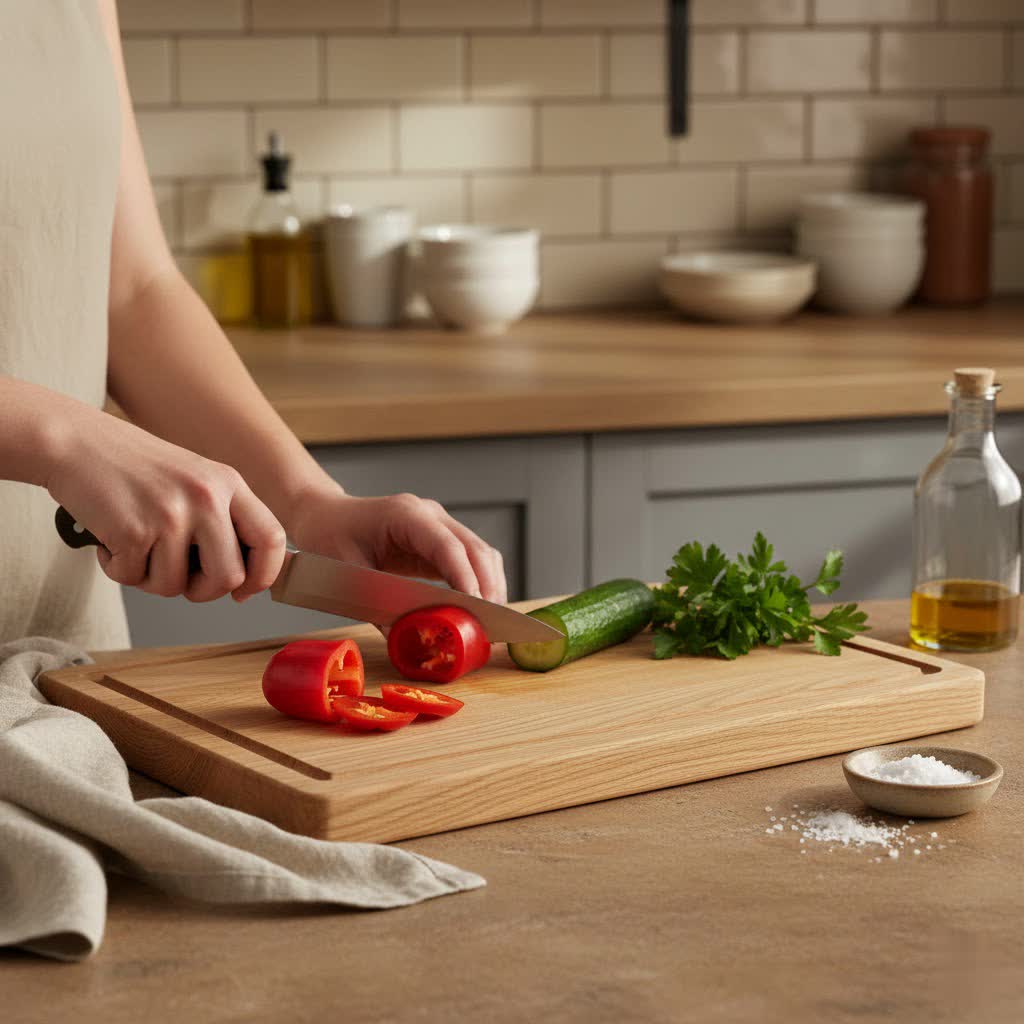
A cutting board is more than just a kitchen tool; it’s the foundation of countless culinary creations, a sturdy partner in every slice, dice, and chop. For discerning home cooks and professional chefs alike, the material and craftsmanship of this essential item can significantly impact both performance and the longevity of your knives. Among the myriad options, hard maple stands out as a top contender, revered for its exceptional balance of durability, knife-friendliness, and aesthetic appeal. When a brand like Thirteen Chefs, known for its commitment to quality kitchen essentials, crafts a hard maple cutting board, it promises a blend of tradition and functional excellence. This review delves into what makes a hard maple cutting board a superior choice and explores the expected attributes and benefits of a Thirteen Chefs Hard Maple Cutting Board, guiding you to understand its place as a reliable cornerstone in any kitchen.
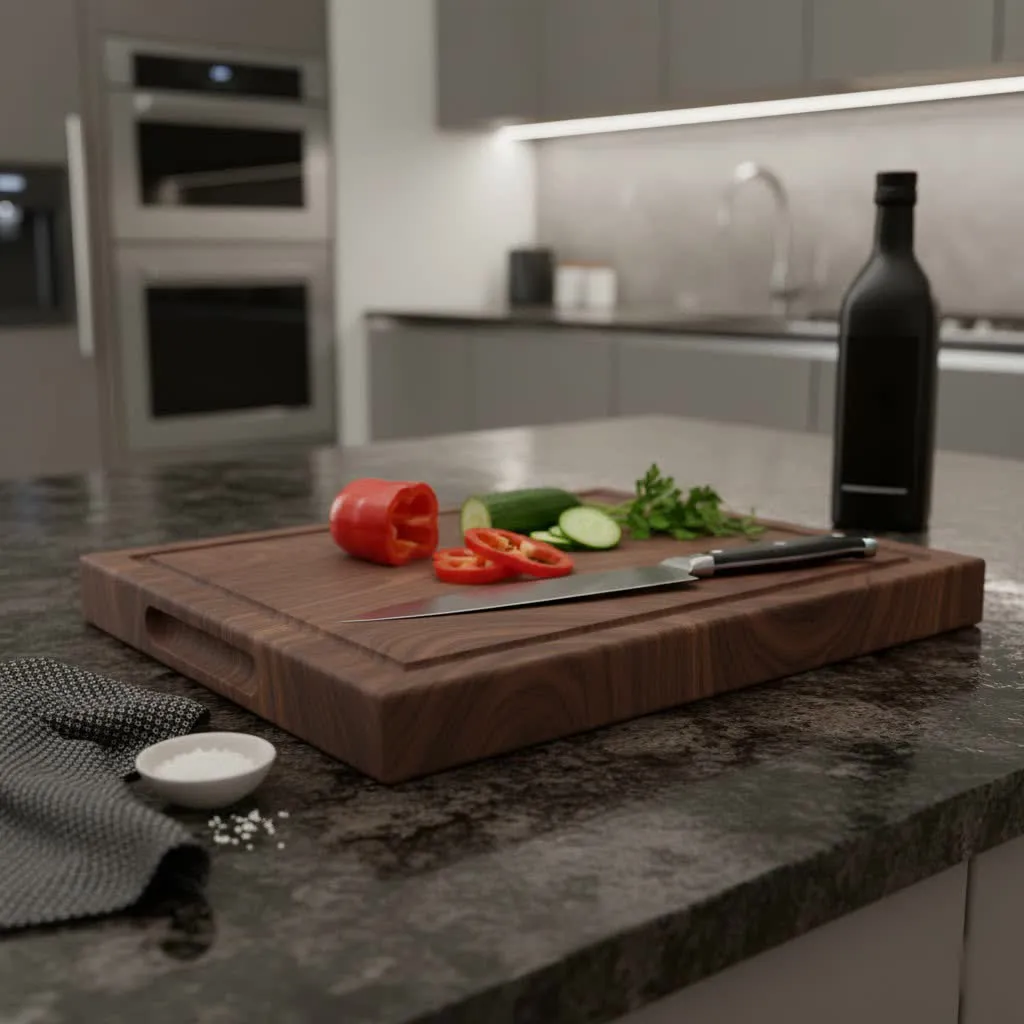
Wooden Cutting Board Overview
Wooden cutting boards have graced kitchens for centuries, valued for their natural beauty and practical advantages. Unlike plastic or glass alternatives, wood offers a forgiving surface that protects knife edges, keeping them sharper for longer. Hard maple, in particular, is a prized wood species for cutting boards due to its inherent qualities. It is a dense, fine-grained wood that resists deep knife marks and provides excellent stability. Historically, these boards were often simple slabs of wood, but modern craftsmanship has evolved to include sophisticated designs like end-grain and edge-grain constructions, enhancing durability and performance. Maple’s light color and subtle grain also contribute to a clean, classic aesthetic that complements a wide range of kitchen decors.
Advantages and Disadvantages of Hard Maple Cutting Boards
Opting for a hard maple cutting board brings a host of benefits, alongside a few considerations. Understanding these can help you appreciate its value and manage its unique requirements.
Advantages
- Exceptional Knife-Friendliness: Hard maple’s dense yet resilient surface is gentle on knife blades, significantly extending their sharpness compared to harsher materials like plastic or glass. The wood fibers “give” slightly as the blade cuts, rather than resisting it.
- Natural Aesthetics and Warmth: The light, creamy color and fine grain of hard maple add an inviting, elegant touch to any kitchen countertop, serving as both a functional tool and a beautiful display piece.
- Durability and Longevity: When properly cared for, a hard maple cutting board can last for decades. Its inherent hardness resists deep gouges and maintains structural integrity even with daily use.
- Natural Antimicrobial Properties: Wood, including maple, possesses natural antibacterial properties that can inhibit bacterial growth, making it a hygienic choice for food preparation. Studies have shown wood can be more resistant to bacterial retention than plastic under certain conditions.
- Stability and Weight: Maple boards are typically substantial, providing a stable surface that won’t slide around during vigorous chopping, enhancing safety and efficiency.
|
Our Picks for the Best Wooden cutting board in 2026
As an Amazon Associate I earn from qualifying purchases.
|
||
| Num | Product | Action |
|---|---|---|
| 1 | Allsum Bamboo Wood Cutting Board for Kitchen, 1" Thick Butcher Block, Cheese Charcuterie Board, with Side Handles and Juice Grooves, 16x11" |

|
| 2 | Bamboo Cutting Board for Kitchen, 18" Large Wood Charcuterie Cheese Board, Wooden Chopping Block with Side Handles and Juice Grooves |
|
| 3 | 3-Piece Set Bamboo Cutting Board for Kitchen - Crack-Resistant Wood Chopping Boards with Deep Juice Grooves, Pre-Oiled Butcher Block for Meat, Vegetables & Cheese, Carbonized |
|
| 4 | Freshware Bamboo Cutting Board Set of 3, Wooden Cutting Boards for Kitchen, Knife Friendly Food Grade Chopping Board, Lightweight with Hanging Hole for Easy Storage |
|
| 5 | Kikcoin 17”×11” Bamboo Cutting Boards for Kitchen, Healthy Wooden Cutting Boards for Kitchen, Charcuterie, Vegetables, Cheese, Extra Large Chopping Boards with Deep Juice Groove and Handle, Natural |
|
| 6 | Greener Chef Luxury XL Bamboo Cutting Board Set of 3 with Vertical Grain Strength Technology - Extra Large Wood Cutting Boards for Kitchen and Lightweight Chopping Board Set - Replacements for Life |
|
| 7 | Astercook Deep-Carbonized Bamboo Cutting Boards for Kitchen with Wood Storage Stand, Reversible Charcuterie & Chopping Boards with Juice Grooves and Easy-Grip Handles, Knife-Friendly, Kitchen Gift |
|
| 8 | Extra Large Cutting Board, 17.6" Bamboo Cutting Boards for Kitchen with Juice Groove and Handles Kitchen Chopping Board for Meat Cheese board Heavy Duty Serving Tray, XL, Empune |
|
| 9 | Keechee Bamboo Cutting Board, Durable Wood Cutting Boards for Kitchen with Deep Juice Grooves & Built-in Handles, Ideal Charcuterie & Chopping for Meat, Vegetables and Fruits Ideal Kitchen Gifts |
|
| 10 | Premium Cutting Board Set – Non-Toxic Carbonized Bamboo & Wooden Cutting Boards for Kitchen Meal Prep, Durable Butcher Block for Meat with Side Handles, Juice Groove, Charcuterie & Chopping (3 Pcs) |
|
Disadvantages
- Requires Regular Maintenance: To prevent warping, cracking, and to maintain its aesthetic, hard maple boards need regular oiling and conditioning. This is a commitment not required by plastic or glass boards.
- Susceptibility to Stains and Odors: While durable, wood can absorb strong colors and smells from certain foods if not cleaned promptly and thoroughly.
- Higher Initial Cost: Quality hard maple cutting boards are generally more expensive than their plastic or bamboo counterparts, reflecting the material cost and craftsmanship involved.
- Not Dishwasher Safe: The harsh heat and prolonged soaking of a dishwasher can severely damage a wooden cutting board, leading to warping, cracking, and splitting. Hand-washing is mandatory.
- Weight and Storage: Larger maple boards can be quite heavy and require ample storage space, which might be a consideration for smaller kitchens.
Types of Hard Maple Cutting Boards
Hard maple cutting boards are primarily categorized by their grain construction, each offering distinct advantages.
Edge-Grain Maple Cutting Boards
- Construction: Made by gluing together long strips of maple with the grain running parallel to the cutting surface.
- Advantages: Generally more affordable than end-grain boards, highly durable, and excellent for all-purpose chopping. The long fibers provide a stable and robust cutting surface.
- Disadvantages: Can show knife marks more readily than end-grain boards, as knives cut across the wood fibers.
End-Grain Maple Cutting Boards
- Construction: Crafted by arranging small blocks of maple with the end-grain facing upwards, creating a checkerboard pattern.
- Advantages: Considered the gold standard for knife-friendliness. The vertical wood fibers allow the knife blade to slide between them, rather than cutting through them, which helps blades stay sharper and makes the board “self-healing” as the fibers close back up. Visually stunning.
- Disadvantages: Typically more expensive due to the intricate construction process, and usually heavier. Requires slightly more frequent oiling to maintain integrity.
“For serious cooks, an end-grain maple board is an investment that pays dividends in knife longevity and a superior cutting experience.” – Chef Antoine Dubois, Culinary Instructor
Comparative Analysis: Hard Maple vs. Other Woods
While Thirteen Chefs offers various cutting board materials like Acacia and HDPP plastic, understanding how hard maple compares illuminates its unique position.
| Feature | Hard Maple | Acacia | Bamboo |
|---|---|---|---|
| Durability | Excellent; dense, resists deep cuts. | Very good; known for hardness and water resistance. | Good; hard, but can delaminate over time. |
| Knife-Friendliness | Excellent; protects edges, can be “self-healing” (end-grain). | Good; gentler than plastic, but harder than maple. | Good; harder than many woods, can dull knives faster than maple. |
| Aesthetics | Light, fine grain; classic, elegant. | Rich, varied grain; often darker, distinctive. | Distinctive linear grain; often laminated. |
| Maintenance | Regular oiling essential to prevent warping/cracking. | Regular oiling recommended, generally durable. | Regular oiling recommended; prone to splitting if dry. |
| Water Resistance | Good; with proper oiling. | Very good; naturally water-resistant. | Good; naturally resistant due to density. |
| Cost | Moderate to high. | Moderate. | Low to moderate. |
| Eco-Friendliness | Sustainable if sourced responsibly. | Sustainable if sourced responsibly. | Highly sustainable; fast-growing grass. |
Hard maple provides a balance of knife protection and durability that is often preferred by culinary professionals. While acacia is a good, water-resistant alternative, and bamboo is eco-friendly, maple’s reputation for protecting knife edges and its timeless aesthetic keep it at the top of many chefs’ lists.
Buying Guide for a Hard Maple Cutting Board
Choosing the right hard maple cutting board, particularly one from a reputable brand like Thirteen Chefs, involves considering several factors to ensure it meets your specific culinary needs.
Determine Your Usage Needs
- Size: Consider your available counter space and the typical volume of food you prepare. A larger board is excellent for prepping big meals or carving roasts, while a smaller one is suitable for quick tasks.
- Primary Use: Will it be for general chopping, heavy butchering, or serving? End-grain boards excel for heavy chopping and knife preservation, while edge-grain boards are robust for everyday tasks.
- Budget: Hard maple boards vary in price. Determine your comfortable spending range, remembering that a quality board is a long-term investment.
Choose the Right Grain Type
- End-Grain: Best for serious cooks who value knife preservation and appreciate the “self-healing” properties. Expect a higher price point.
- Edge-Grain: A durable, more affordable option suitable for most home kitchens, offering excellent performance for general prep.
Inspect for Quality Construction
- Surface: The board should be perfectly flat and smooth, free from any rough patches, splinters, or visible gaps between glued pieces.
- Seams: Check the glue lines. They should be tight, uniform, and barely visible, indicating strong, expert joinery.
- Finish: A quality board will have a food-safe finish, often pre-conditioned with mineral oil or a beeswax blend. Avoid boards with strong chemical odors.
- Features: Consider features like juice grooves for carving meats or rubber feet for stability, though the latter can be added later.
Research Brand Reputation
- While direct reviews for a “Thirteen Chefs Hard Maple Cutting Board” might be specific, the brand’s general reputation for producing quality kitchen tools, like their mineral oil and other cutting boards, suggests a commitment to standards. Look for customer feedback on their other wooden products for an indication of overall quality.
- “Thirteen Chefs is a brand that understands the daily demands of a busy kitchen, and their product range often reflects a focus on durability and practicality.” – Maria Rodriguez, Kitchenware Expert
How to Clean and Maintain Your Hard Maple Cutting Board
Proper care is crucial for the longevity and hygiene of your hard maple cutting board. These steps will ensure it remains a prized kitchen tool for years.
Proper Cleaning After Each Use
- Scrape Off Debris: Use a bench scraper or the blunt side of your knife to remove any food bits.
- Wash with Warm Soapy Water: Use a mild dish soap and a soft sponge or cloth. Avoid harsh scrubbing pads that can damage the wood.
- Rinse Thoroughly: Rinse both sides of the board under warm running water to remove all soap residue.
- Disinfect (Optional): For stubborn stains or odors, sprinkle coarse salt on the board, rub with half a lemon, let sit for 10-15 minutes, then scrape off and rinse. Alternatively, use a solution of one part white vinegar to four parts water.
- Dry Immediately and Completely: Crucial step. Do not air-dry flat. Stand the board on its edge or use a clean towel to dry both sides thoroughly. Ensure it is completely dry before storing.
Essential Preservation and Care
- Regular Oiling: Condition your board regularly (weekly or bi-weekly depending on use) with food-grade mineral oil. This prevents the wood from drying out, cracking, and warping. Apply a generous amount, let it soak in for several hours (or overnight), then wipe off any excess.
- Waxing (Optional): For an extra layer of protection and to enhance the board’s luster, apply a board wax or a mineral oil/beeswax blend after oiling.
- Avoid Soaking: Never submerge your wooden cutting board in water, as this can lead to warping and splitting.
- No Dishwasher: As reiterated, dishwashers are strictly forbidden for wooden cutting boards.
- Proper Storage: Store your board in a dry, well-ventilated area, preferably on its edge or on a rack to allow air circulation around all surfaces.
Tips for Using Your Hard Maple Cutting Board
Maximize the utility and lifespan of your hard maple board with these practical tips.
- Dedicated Boards: Use separate cutting boards for raw meats/poultry/fish and for cooked foods/vegetables to prevent cross-contamination.
- Stable Surface: Always place a damp cloth or non-slip mat underneath your board to prevent it from slipping during use, ensuring safety.
- Even Use: Rotate your board regularly, using both sides evenly, to promote even wear and reduce the risk of warping.
- Gentle Chopping: While durable, avoid excessively forceful chopping or cleaving, which can create deep gouges that are harder to clean and repair.
- Periodic Resurfacing: Over time, knife marks are inevitable. For heavily used boards, professional resurfacing or sanding can restore the smooth cutting surface.
Conclusion
A hard maple cutting board from a brand like Thirteen Chefs represents a significant upgrade for any kitchen, blending functionality with timeless elegance. While specific product details for a “Thirteen Chefs Hard Maple Cutting Board” may vary, the inherent qualities of hard maple—its exceptional durability, knife-preserving surface, and natural beauty—make it an outstanding material choice. By understanding the distinct advantages of hard maple, appreciating the nuances of its construction, and committing to proper care, you invest in a kitchen essential that will not only perform beautifully for years but also enhance your culinary experience. It’s an investment in both your cooking efficiency and the longevity of your cherished knives.
What qualities do you value most in a cutting board, and how does hard maple fit into your ideal kitchen setup?
Frequently Asked Questions
What makes hard maple a superior wood for cutting boards?
Hard maple is prized for its fine, dense grain which provides a firm yet forgiving surface. This density helps prevent deep knife marks, while its slight resilience protects knife edges, keeping them sharp longer. It also possesses natural antibacterial properties, making it a hygienic choice for food preparation.
How often should I oil my hard maple cutting board?
The frequency depends on usage and climate, but a good rule of thumb is every 2-4 weeks with food-grade mineral oil. If your board looks dry, faded, or light in color, it’s time to oil it. Regular oiling prevents the wood from drying out, warping, and cracking.
Can a hard maple cutting board warp or crack?
Yes, if not properly maintained, any wooden cutting board, including hard maple, can warp or crack. This usually happens due to excessive moisture (like soaking in water or dishwasher use) or prolonged dryness. Consistent oiling and proper drying after washing are essential preventative measures.
Is an end-grain or edge-grain maple board better?
End-grain maple boards are generally considered superior for knife longevity and “self-healing” properties, as knives slice between the wood fibers. Edge-grain boards are more affordable, very durable, and suitable for most general kitchen tasks, though they may show knife marks more readily. The “best” depends on your budget and priorities.
How do I remove stubborn stains or odors from my maple cutting board?
For stains and odors, a common method is to sprinkle coarse salt (like kosher salt) over the affected area, then rub it with half a lemon. Let it sit for 10-15 minutes, then scrape off the mixture and rinse thoroughly. Baking soda paste can also be effective for absorbing odors. Always re-oil the board after such treatments.