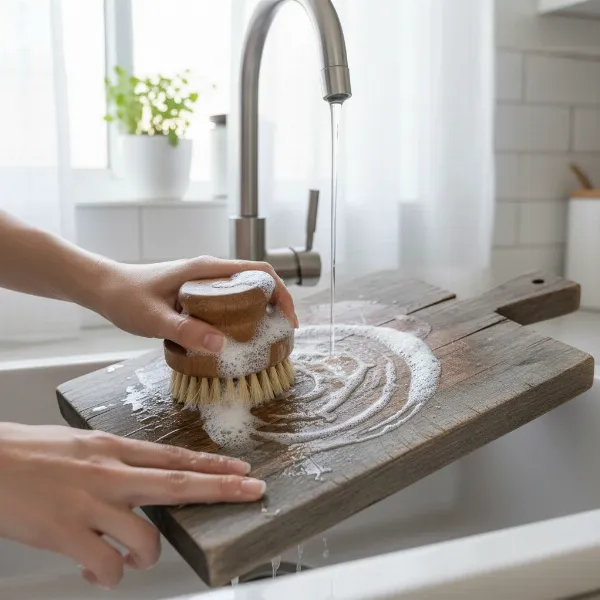
Owning a John Boos Block is a mark of culinary dedication. These iconic wooden cutting boards are revered for their durability and knife-friendly surfaces, becoming the centerpiece of many kitchens. However, like any premium tool, a Boos Block requires diligent care to maintain its pristine condition, hygiene, and longevity. Neglecting proper cleaning and maintenance can lead to warping, cracking, and premature wear, diminishing its beauty and functionality. This comprehensive guide will walk you through every step, from daily cleaning to deep conditioning, ensuring your Boos Block remains a cherished and dependable kitchen companion for years to come.
Understanding Your Wooden Cutting Board
A wooden cutting board, especially a robust Boos Block, is more than just a surface for chopping; it’s an investment in your kitchen. Crafted predominantly from hardwoods like maple, cherry, or walnut, these boards offer a naturally resilient and appealing work area. Historically, wooden boards have been favored for their ability to be gentle on knife blades, keeping them sharper for longer compared to plastic or glass alternatives. The dense grain of a quality hardwood board provides a stable and sanitary surface for food preparation.
John Boos & Co. has been crafting butcher blocks and cutting boards for over 130 years, establishing a legacy of quality and craftsmanship. Their boards are renowned for their robust construction, often featuring end-grain or edge-grain designs that contribute to their exceptional durability and self-healing properties. The wood’s natural properties, when properly maintained, also offer a degree of antimicrobial resistance, making them a safe choice for food preparation.
Advantages and Disadvantages of Wooden Cutting Boards
Wooden cutting boards, particularly those from Boos Block, bring a unique set of characteristics to the kitchen. Understanding these can help you appreciate why proper care is so vital.
Advantages
- Aesthetic Appeal: The natural beauty of wood, with its rich grains and warm tones, adds a sophisticated and inviting touch to any kitchen decor, creating a cozy and classic ambiance.
- Knife-Friendly Surface: Wood is inherently softer and more forgiving on knife edges than harder materials. This helps to preserve the sharpness of your knives, reducing the frequency of sharpening and extending their lifespan.
- Natural Antimicrobial Properties: Many hardwoods, including those used in Boos Blocks, possess natural antimicrobial qualities. When properly cleaned and allowed to dry thoroughly, wood can inhibit bacterial growth, making it a hygienic choice.
- Exceptional Durability: With appropriate care and regular maintenance, a high-quality wooden cutting board can last for decades, often becoming a treasured family heirloom passed down through generations.
|
Our Picks for the Best Wooden cutting board in 2026
As an Amazon Associate I earn from qualifying purchases.
|
||
| Num | Product | Action |
|---|---|---|
| 1 | Astercook Deep-Carbonized Bamboo Cutting Boards for Kitchen with Wood Storage Stand, Reversible Charcuterie & Chopping Boards with Juice Grooves and Easy-Grip Handles, Knife-Friendly, Kitchen Gift |

|
| 2 | Greener Chef Luxury XL Bamboo Cutting Board Set of 3 with Vertical Grain Strength Technology - Extra Large Wood Cutting Boards for Kitchen and Lightweight Chopping Board Set - Replacements for Life |
|
| 3 | Extra Large Cutting Board, 17.6" Bamboo Cutting Boards for Kitchen with Juice Groove and Handles Kitchen Chopping Board for Meat Cheese board Heavy Duty Serving Tray, XL, Empune |
|
| 4 | Premium Cutting Board Set – Non-Toxic Carbonized Bamboo & Wooden Cutting Boards for Kitchen Meal Prep, Durable Butcher Block for Meat with Side Handles, Juice Groove, Charcuterie & Chopping (3 Pcs) |
|
| 5 | Allsum Bamboo Wood Cutting Board for Kitchen, 1" Thick Butcher Block, Cheese Charcuterie Board, with Side Handles and Juice Grooves, 16x11" |
|
| 6 | Freshware Bamboo Cutting Board Set of 3, Wooden Cutting Boards for Kitchen, Knife Friendly Food Grade Chopping Board, Lightweight with Hanging Hole for Easy Storage |
|
| 7 | 3-Piece Set Bamboo Cutting Board for Kitchen - Crack-Resistant Wood Chopping Boards with Deep Juice Grooves, Pre-Oiled Butcher Block for Meat, Vegetables & Cheese, Carbonized |
|
| 8 | Bamboo Cutting Board for Kitchen, 18" Large Wood Charcuterie Cheese Board, Wooden Chopping Block with Side Handles and Juice Grooves |
|
| 9 | Kikcoin 17”×11” Bamboo Cutting Boards for Kitchen, Healthy Wooden Cutting Boards for Kitchen, Charcuterie, Vegetables, Cheese, Extra Large Chopping Boards with Deep Juice Groove and Handle, Natural |
|
| 10 | Keechee Bamboo Cutting Board, Durable Wood Cutting Boards for Kitchen with Deep Juice Grooves & Built-in Handles, Ideal Charcuterie & Chopping for Meat, Vegetables and Fruits Ideal Kitchen Gifts |
|
Disadvantages
- Susceptibility to Stains and Odors: Wood is a porous material, making it more prone to absorbing colors and strong odors from certain foods like beets, garlic, or onions if not cleaned promptly.
- Requires Regular Cleaning and Maintenance: Unlike plastic boards that can often go into a dishwasher, wooden boards demand specific cleaning routines and periodic conditioning to prevent drying out, cracking, or warping.
- Higher Initial Cost: Premium wooden cutting boards, especially those handcrafted by Boos Block, typically come with a higher price tag than their plastic or bamboo counterparts. This cost reflects the quality of materials and craftsmanship.
- Potential for Warping or Cracking: If exposed to excessive moisture, submerged in water, or subjected to extreme temperature changes, wooden boards can warp, crack, or split. This underscores the importance of proper drying and oiling.
Types of Wooden Cutting Boards
While the article focuses on Boos Block, which primarily uses hardwoods and butcher block construction, it’s beneficial to understand the general categories of wooden boards.
Hardwood Cutting Boards
Hardwoods like maple, walnut, and cherry are the preferred choice for high-quality cutting boards due to their dense grain structure.
- Examples: Maple (the most common for Boos Blocks), Walnut, Cherry, Ash.
- Advantages: Extremely durable, resistant to deep knife marks, and excellent for maintaining knife edges. They absorb less moisture than softwoods, making them more stable.
- Disadvantages: Generally more expensive and heavier than other types.
Softwood Cutting Boards
While less common for primary cutting boards, some softwoods are used for decorative or light-duty applications.
- Examples: Pine, Cedar.
- Advantages: More affordable and lighter.
- Disadvantages: Much less durable, prone to deep knife marks, and can splinter easily, making them less hygienic for food prep. These are not typically used for serious culinary work or Boos Blocks.
Bamboo Cutting Boards
Technically a grass, bamboo boards are often grouped with wooden boards. They are made by laminating strips of bamboo together.
- Advantages: Environmentally friendly, naturally resistant to bacteria, and often more affordable than hardwood.
- Disadvantages: Can be harder on knife blades due to their fibrous structure and prone to delamination over time, especially if frequently exposed to moisture.
Butcher Block Cutting Boards
This term often refers to the construction method, where pieces of wood are glued together. Boos Blocks are prime examples.
- Edge-Grain: Strips of wood are glued together with the edges facing up, showing long wood fibers. Durable and good for general use.
- End-Grain: Small blocks of wood are arranged with the end grain facing up. This “self-healing” surface allows knife blades to slide between fibers, minimizing wear on both the board and the knife.
- Advantages: Extremely robust, heavy, and stable. End-grain blocks are exceptionally gentle on knives and highly resistant to scarring.
- Disadvantages: Can be very heavy, making them harder to move and clean. Often the most expensive type. Requires significant maintenance to prevent cracking.
Comparison of Wooden Cutting Board Types
Choosing the right wooden cutting board involves weighing various factors. Here’s a comparison to help illustrate the differences and highlight why Boos Blocks (often hardwood butcher block) are highly regarded.
| Feature | Hardwood (e.g., Maple Boos Block) | Softwood (e.g., Pine) | Bamboo | Butcher Block (End-Grain Boos Block) |
|---|---|---|---|---|
| Durability | Very High | Low | Medium-High | Extremely High |
| Knife-Friendliness | Excellent | Poor | Moderate (can be hard on knives) | Superior (self-healing) |
| Antimicrobial | Good (natural) | Moderate | Good (natural) | Good (natural) |
| Price | High | Low | Medium | Very High |
| Maintenance | Moderate (oiling/conditioning) | Low (less durable) | Moderate (can delaminate if wet) | High (critical oiling/conditioning) |
| Scratch Resistance | High | Low | Moderate | Excellent |
| Water Absorption | Low | High | Moderate | Low |
| Weight | High | Low | Medium | Very High |
| Aesthetics | Premium, classic | Basic | Modern, uniform | Premium, artistic |
How to Clean a Boos Block Effectively
Proper cleaning is the first line of defense in maintaining your Boos Block. It’s crucial to clean it after every use to prevent bacterial buildup and absorption of odors and stains.
Daily Cleaning Steps
- Remove Debris: Immediately after use, use a steel scraper or a sturdy spatula to remove any food scraps or residue from the board’s surface. Avoid using a metal brush, which can damage the wood.
- Wash with Warm, Soapy Water: Use a clean cloth or a soft sponge with warm water and a mild dish soap. Gently scrub the entire surface, ensuring you get into any knife marks or grooves. For tougher spots, a soft-bristled brush can be effective.
- Rinse Thoroughly: Rinse the board under warm running water, or wipe it thoroughly with a clean, damp cloth, until all soap residue is removed. It’s important not to submerge your Boos Block in water, as this can lead to warping or cracking.
- Dry Immediately: This is a critical step. Promptly dry the board with a clean, dry towel. Do not let it air dry on its own without initial towel drying, as prolonged moisture exposure is detrimental to wood.
- Air Dry Completely: After towel drying, stand the board on its edge or use rubber feet/bungs to elevate it, allowing air to circulate around all surfaces. Ensure it is completely dry before storing, ideally for several hours or overnight.
Disinfecting Your Boos Block
For an extra layer of sanitation, especially after cutting raw meat or poultry, disinfection is recommended.
- Vinegar Solution: Mix one part white vinegar with two parts water in a spray bottle. Spray the solution evenly over the board, let it sit for a few minutes, then wipe clean with a damp cloth and dry thoroughly. Vinegar is a natural disinfectant that won’t harm the wood.
- Lemon and Salt: For stubborn stains or odors, sprinkle coarse salt (like kosher salt) over the stained area, then rub half a lemon over it, squeezing gently to release the juice. The salt acts as an abrasive and the lemon as a natural bleach and disinfectant. Rinse and dry thoroughly afterward.
Important Note: Avoid using harsh chemical cleaners, bleach solutions, or putting your Boos Block in the dishwasher. These can strip the wood of its natural oils, cause discoloration, and lead to irreparable damage like warping and cracking.
How to Oil and Condition Your Boos Block
Beyond daily cleaning, regular oiling and conditioning are the cornerstones of Boos Block maintenance. This process moisturizes the wood, prevents it from drying out, and creates a protective barrier against moisture and bacteria.
Essential Products
- Boos Block Mystery Oil: This food-grade mineral oil deeply penetrates the wood fibers, replenishing moisture and protecting against drying and cracking.
- Boos Block Board Cream: A blend of natural, unbleached beeswax and food-grade mineral oil. It seals the wood surface, creating a thicker, long-lasting moisture barrier, ideal for additional protection and during periods of storage or light use.
Oiling Your Boos Block (Mystery Oil)
- Preparation: Ensure your Boos Block is clean and completely dry before oiling. Any food debris or moisture will prevent the oil from penetrating effectively.
- Apply Generously: Pour a generous amount of Boos Block Mystery Oil onto all surfaces of the board, including the sides. The amount needed depends on the board’s size and how dry the wood is.
- Rub In: Use a clean cloth, paper towel, or a Boos Block applicator to rub the oil into the wood in a circular motion. Continue applying until the wood no longer visibly absorbs the oil. For new boards, this initial saturation might require several applications.
- Let it Soak: Allow the oil to penetrate the wood fibers for several hours, or ideally, overnight. This gives the wood ample time to absorb the oil deeply.
- Wipe Off Excess: The next morning, wipe off any excess oil from the surface with a clean, dry cloth. The board should feel nourished, not greasy.
Conditioning Your Boos Block (Board Cream)
- After Oiling: Once the Mystery Oil has fully penetrated and any excess has been wiped away, it’s time to apply the Board Cream.
- Spread Evenly: Apply a substantial layer of Boos Block Board Cream to all surfaces.
- Let it Penetrate: Allow the cream to sit and penetrate the wood for a few hours, or again, overnight for maximum effect.
- Buff Off Excess: Wipe off any remaining cream with a clean, dry cloth, buffing the surface to a smooth, silky finish. The cream creates a protective wax barrier.
Frequency of Oiling and Conditioning
The frequency depends on usage and environmental conditions:
- New Boards: “Once an hour for a day, once a day for a week, once a week for a month, then once a month or when it needs it after that.” is a common guideline for initial seasoning. This rapid initial treatment ensures deep saturation.
- Regular Use: A minimum of once a month for both oil and cream. If you use and wash your board frequently, or if your kitchen is dry, you may need to oil more often.
- Visual Cue: A dry or dull appearance is the clearest sign that your Boos Block needs re-oiling.
“Regular oiling is not just about aesthetics; it’s about preserving the structural integrity of your wooden board. It’s the lifeblood that prevents warping and cracking.” – Chef Britt, Culinary Expert
Troubleshooting Common Boos Block Issues
Even with the best care, sometimes issues can arise. Knowing how to address them can extend your board’s life.
- Warping: If your board starts to warp, it’s usually due to uneven moisture exposure. Try placing the concave side down on a damp towel overnight, or re-oiling the drier side heavily. Consistent oiling on all sides helps prevent this.
- Cracks: Minor surface cracks can sometimes be halted by thoroughly oiling the entire board to rehydrate the wood. Deep cracks may require professional repair or replacement. Proper, consistent oiling is the best preventative measure.
- Deep Stains: For deep stains beyond what lemon and salt can handle, light sanding with fine-grit (#200) sandpaper might be necessary. Always sand with the grain. Afterward, thoroughly re-oil and condition the sanded area, and the entire board if a large section was sanded.
- Persistent Odors: Beyond vinegar or lemon and salt, a paste of baking soda and water can be applied, left for 15-20 minutes, then rinsed and dried.
Tips for Using Your Boos Block
Maximizing the life and hygiene of your Boos Block involves mindful usage habits.
- Dedicated Boards for Raw Meats: To prevent cross-contamination, consider using separate cutting boards for raw meats and poultry versus vegetables and cooked foods. If using the same Boos Block, always clean and sanitize it thoroughly between tasks.
- Stability is Key: Place a damp paper towel or a non-slip mat underneath your Boos Block to keep it from sliding while you chop. This improves safety and efficiency.
- Gentle Cutting: While Boos Blocks are durable, avoid excessive force when chopping or using razor-edged cleavers or serrated knives, as these can cause deep gouges, chipping, or splintering.
- Distribute Your Work: Don’t always cut in the same spot. Distribute your cutting across the entire surface of the board to ensure even wear and tear. If your board is reversible, turn it over periodically to utilize both sides.
- Avoid Prolonged Moisture: Never leave wet foods, liquids, or standing water on your Boos Block for extended periods. This can soften the wood, affect glue joints, and lead to expansion and damage.
- Regular Replacement: While a well-maintained Boos Block can last for decades, exceptionally worn boards with deep, unsanitizable grooves or significant damage may eventually need to be replaced for food safety reasons, typically every 1-2 years for heavy-use, non-Boos boards, but much longer for a well-cared-for Boos Block.
Conclusion
Your Boos Block cutting board is an indispensable kitchen tool, a testament to quality craftsmanship that can enhance your culinary experience for many years. By adhering to a consistent routine of immediate post-use cleaning, periodic disinfection with natural solutions, and, most importantly, regular oiling and conditioning, you are actively preserving its beauty, hygiene, and structural integrity. Remembering never to submerge it in water or expose it to harsh chemicals are fundamental principles that will safeguard your investment.
With dedication to these care practices, your Boos Block will not only continue to perform beautifully but will also develop a rich, seasoned patina that tells the story of countless meals prepared. What has been your biggest challenge in maintaining a wooden cutting board, and what tips have you found most effective?
Frequently Asked Questions
What kind of oil should I use for my Boos Block?
You should use food-grade mineral oil, often marketed as “cutting board oil” or “butcher block oil.” John Boos & Co. specifically recommends their own “Boos Block Mystery Oil,” which is formulated to penetrate deep into the wood fibers, protecting and revitalizing them. Avoid using cooking oils like olive or vegetable oil, as they can go rancid over time.
How often should I oil my Boos Block?
For a new Boos Block, a common recommendation is to oil it daily for a week, weekly for a month, and then monthly or as needed thereafter. For established boards under regular use, aim for at least once a month. If your board appears dry or dull, it’s a clear sign it needs more frequent oiling.
Can I put my Boos Block in the dishwasher?
No, absolutely not. Dishwashers subject wooden cutting boards to prolonged exposure to high heat and excessive moisture, which will cause the wood to warp, crack, and dry out irrevocably. Always hand wash your Boos Block with warm, soapy water and dry it thoroughly.
How do I remove stubborn stains or odors from my Boos Block?
For stains and odors, try sprinkling coarse salt over the affected area, then rub it with half a lemon. The salt acts as an abrasive, and the lemon’s acid helps to bleach and deodorize. For deep odors, a paste of baking soda and water can also be effective. Always rinse and dry thoroughly afterward.
What should I do if my Boos Block starts to crack?
Minor surface cracks can sometimes be mitigated by intensely re-hydrating the wood with multiple applications of Boos Block Mystery Oil over several days. Consistent and thorough oiling is the best preventative measure against cracking. If cracks are deep or structural, professional repair might be needed, or it may be time for a replacement.