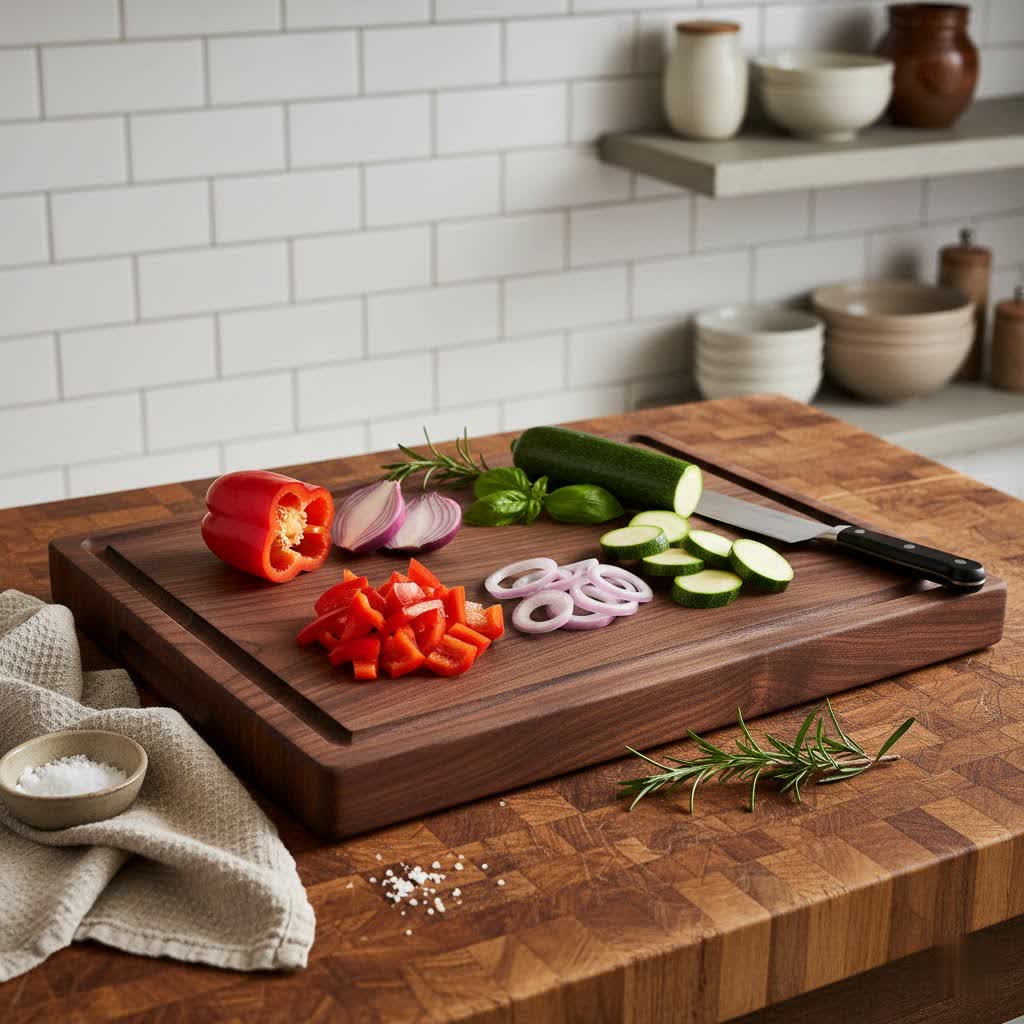
Maintaining wooden kitchenware, particularly cutting boards, is crucial for both hygiene and longevity. While the term “essential oils” often conjures images of natural remedies and pleasant aromas, their direct application as a primary conditioning agent for food-contact wood surfaces requires careful consideration. The goal is to nourish the wood, protect it from moisture, and prevent cracking, all while ensuring the surface remains entirely food-safe. This article delves into the world of wood care, clarifying the role of various oils, and guiding you toward the best food-safe choices for your cherished wooden items.
Understanding Wood Care and Oil’s Role
Wooden cutting boards and utensils are staples in many kitchens, prized for their aesthetic appeal and gentle interaction with knife blades. Over time, wood can dry out, leading to cracking, warping, and an increased susceptibility to bacteria. Oiling is a vital process that penetrates the wood fibers, replenishing natural oils, sealing pores, and creating a protective barrier against moisture absorption. This not only extends the lifespan of the wood but also maintains its hygienic integrity. Historically, various natural oils have been used, and modern understanding emphasizes food safety, especially for surfaces that directly contact food.
The history of oiling wood goes back centuries, with artisans using whatever natural resources were available to preserve their wooden tools and furniture. From linseed oil in ancient times to specialized blends today, the principle remains the same: to nourish and protect. The types of wood used for cutting boards also play a role, with hardwoods like maple, cherry, and walnut being popular choices due to their density and durability, all of which benefit immensely from proper oiling.
Benefits and Considerations of Oiling Wooden Kitchenware
Regularly oiling your wooden cutting boards and utensils offers a host of advantages, but also comes with certain considerations.
Benefits of Oiling Wood
- Enhanced Aesthetics: Oiling brings out the natural grain and richness of the wood, restoring its vibrant appearance and adding a warm, inviting feel to your kitchen.
- Knife-Friendly Surface: A well-oiled surface is softer on knife edges than dry wood or harder materials like plastic, helping your knives stay sharper for longer.
- Natural Antimicrobial Properties: Certain woods, when properly maintained, exhibit natural resistance to bacteria. Oiling helps seal the surface, reducing areas where bacteria could harbor.
- Increased Durability and Longevity: By keeping the wood hydrated, oiling prevents drying, cracking, and warping, significantly extending the life of your wooden items. It forms a barrier that repels water and prevents staining.
- Protection Against Moisture: Oil fills the wood’s pores, making it less absorbent to water and other liquids, which is crucial for preventing bacterial growth and maintaining structural integrity.
|
Our Picks for the Best Wooden cutting board in 2026
As an Amazon Associate I earn from qualifying purchases.
|
||
| Num | Product | Action |
|---|---|---|
| 1 | Premium Cutting Board Set – Non-Toxic Carbonized Bamboo & Wooden Cutting Boards for Kitchen Meal Prep, Durable Butcher Block for Meat with Side Handles, Juice Groove, Charcuterie & Chopping (3 Pcs) |

|
| 2 | Bamboo Cutting Board for Kitchen, 18" Large Wood Charcuterie Cheese Board, Wooden Chopping Block with Side Handles and Juice Grooves |
|
| 3 | Allsum Bamboo Wood Cutting Board for Kitchen, 1" Thick Butcher Block, Cheese Charcuterie Board, with Side Handles and Juice Grooves, 16x11" |
|
| 4 | Astercook Deep-Carbonized Bamboo Cutting Boards for Kitchen with Wood Storage Stand, Reversible Charcuterie & Chopping Boards with Juice Grooves and Easy-Grip Handles, Knife-Friendly, Kitchen Gift |
|
| 5 | Freshware Bamboo Cutting Board Set of 3, Wooden Cutting Boards for Kitchen, Knife Friendly Food Grade Chopping Board, Lightweight with Hanging Hole for Easy Storage |
|
| 6 | Greener Chef Luxury XL Bamboo Cutting Board Set of 3 with Vertical Grain Strength Technology - Extra Large Wood Cutting Boards for Kitchen and Lightweight Chopping Board Set - Replacements for Life |
|
| 7 | Keechee Bamboo Cutting Board, Durable Wood Cutting Boards for Kitchen with Deep Juice Grooves & Built-in Handles, Ideal Charcuterie & Chopping for Meat, Vegetables and Fruits Ideal Kitchen Gifts |
|
| 8 | Kikcoin 17”×11” Bamboo Cutting Boards for Kitchen, Healthy Wooden Cutting Boards for Kitchen, Charcuterie, Vegetables, Cheese, Extra Large Chopping Boards with Deep Juice Groove and Handle, Natural |
|
| 9 | Extra Large Cutting Board, 17.6" Bamboo Cutting Boards for Kitchen with Juice Groove and Handles Kitchen Chopping Board for Meat Cheese board Heavy Duty Serving Tray, XL, Empune |
|
| 10 | 3-Piece Set Bamboo Cutting Board for Kitchen - Crack-Resistant Wood Chopping Boards with Deep Juice Grooves, Pre-Oiled Butcher Block for Meat, Vegetables & Cheese, Carbonized |
|
Considerations for Oiling Wood
- Maintenance Requirement: Unlike plastic or glass, wooden items require ongoing care, including regular cleaning and oiling, to remain in optimal condition.
- Potential for Odor and Staining: If not cleaned immediately, wood can absorb strong food odors and become stained. Choosing the right oil and proper cleaning minimizes this.
- Higher Initial Cost: High-quality wooden cutting boards can be more expensive than their plastic counterparts. However, their longevity with proper care often makes them a worthwhile investment.
- Risk of Warping or Cracking: Improper care, such as prolonged soaking or not oiling regularly, can lead to the wood drying out, warping, or cracking.
Exploring Food-Safe Oils for Wood
When it comes to wooden kitchenware, “food-safe” is paramount. This means any oil applied must be non-toxic and not leach harmful chemicals into food. While some might consider using “essential oils” for their antimicrobial properties or scent, it’s crucial to understand that most essential oils are highly concentrated and not food-safe for direct or prolonged contact with food surfaces, especially for surfaces like cutting boards where residue could transfer. The primary focus should be on carrier oils that are specifically designated as food-grade.
Hardwood Oils (e.g., Walnut Oil, Tung Oil)
Hardwood oils like walnut oil and tung oil are popular choices for wood care because they are “drying oils.” This means they polymerize and harden over time, forming a protective, water-resistant finish within the wood.
- Walnut Oil: Food-safe and offers a beautiful, low-sheen finish. It’s a natural drying oil that penetrates deeply.
- Considerations: Can be an allergen for those with nut allergies. Requires several coats and drying time.
- Tung Oil (100% Pure Food Grade): Provides a durable, water-resistant finish. It’s also a drying oil.
- Considerations: Ensure it’s 100% pure tung oil (not “tung oil finish,” which often contains solvents). Has a distinct odor during application. Can be more expensive.
Mineral Oil (Food Grade)
Food-grade mineral oil is perhaps the most widely recommended and safest option for wooden cutting boards. It is a non-drying oil, meaning it won’t polymerize or go rancid.
- Advantages: Inexpensive, readily available, completely food-safe, colorless, odorless, and easy to apply. It penetrates and hydrates the wood effectively.
- Considerations: Requires frequent reapplication because it doesn’t cure like drying oils.
Bamboo Cutting Board Oils
Bamboo, while technically a grass, behaves similarly to wood in needing conditioning. Mineral oil is an excellent choice for bamboo, as are specialized bamboo conditioning oils, which are often mineral oil or beeswax blends.
Butcher Block Conditioners (Oil and Wax Blends)
Many high-quality wood conditioners combine food-grade mineral oil with beeswax or carnauba wax.
- Advantages: The wax provides an extra layer of protection on the surface, sealing in the oil and repelling moisture more effectively. This results in a more durable and lustrous finish.
- Considerations: Can be slightly more difficult to apply than pure oil alone, requiring some buffing.
“For food-contact surfaces, mineral oil remains the gold standard due to its inert, non-toxic nature and widespread availability. While natural oils like walnut oil offer a beautiful finish, always prioritize certified food-grade options.” – Dr. Eleanor Vance, Food Safety Expert
Comparative Analysis of Food-Safe Wood Oils
To help you decide, here’s a comparison of common food-safe oils for wooden kitchenware:
| Feature | Food-Grade Mineral Oil | 100% Pure Tung Oil | Food-Grade Walnut Oil | Oil/Wax Blends (e.g., Mineral Oil & Beeswax) |
|---|---|---|---|---|
| Durability | Moderate (requires reapplication) | High (cures hard) | Moderate-High (cures) | High (wax provides surface protection) |
| Water Resistance | Good | Excellent | Good | Excellent |
| Food Safety | Excellent (non-toxic, inert) | Excellent (if 100% pure) | Excellent (if food-grade) | Excellent (if ingredients are food-grade) |
| Ease of Application | Very Easy (wipe on) | Moderate (multiple coats, drying) | Moderate (multiple coats, drying) | Moderate (requires buffing) |
| Appearance | Clear, enhances natural color | Clear, satin to matte finish | Warm, amber tone | Rich, slightly glossy finish |
| Allergy Concerns | None | Rare (can be a contact irritant) | Yes (nut allergy) | Rare (check wax source, e.g., bee pollen) |
| Cost | Low | Moderate-High | Moderate-High | Moderate-High |
| Maintenance Frequency | High (monthly or more) | Low (yearly after initial cure) | Moderate (every few months) | Moderate (every few months) |
Your Guide to Choosing the Right Oil for Your Wood
Selecting the best food-safe oil for your wooden kitchenware depends on your specific needs, the type of wood, and how much maintenance you’re willing to commit to.
Determine Your Usage Needs
- Size and Frequency of Use: For heavily used, large cutting boards, you might prefer a more durable, longer-lasting finish like tung oil or a wax blend, reducing maintenance frequency. For smaller, less frequently used items, mineral oil is perfectly adequate.
- Type of Food Prepared: If you frequently prepare strong-smelling foods, a well-sealed board is crucial. All recommended oils help, but a wax blend provides an extra surface barrier.
- Budget: Mineral oil is the most economical choice for consistent, effective care. More specialized oils or blends will have a higher upfront cost.
Choose the Right Type of Oil
- For Everyday Ease: Food-grade mineral oil is highly recommended for its simplicity and safety. It’s perfect for beginners and regular maintenance.
- For Enhanced Durability and Finish: If you desire a more permanent, water-resistant finish and don’t mind a longer curing process, 100% pure tung oil or food-grade walnut oil are excellent choices. Be mindful of nut allergies with walnut oil.
- For Superior Protection and Shine: Oil and wax blends (like mineral oil and beeswax) offer the best of both worlds, providing deep conditioning and a protective surface layer.
Evaluate Product Quality
- Purity and Food Grade Certification: Always ensure any oil you purchase is clearly labeled “food-grade” or “100% pure.” Avoid products with added solvents, fragrances, or non-food-safe ingredients.
- Consistency: The oil should be clear and free of sediment.
- Reputable Brands: Purchase from well-known brands that specialize in wood care or food-grade products to ensure safety and quality.
Proper Care: Oiling and Maintaining Wooden Kitchenware
Once you’ve chosen your oil, consistent application and maintenance are key to preserving your wooden items.
How to Properly Oil Wooden Items
- Clean and Dry: Ensure your wooden item is thoroughly clean and completely dry before oiling. Any moisture trapped under the oil can lead to mold or mildew.
- Apply Generously: Pour a generous amount of your chosen food-safe oil directly onto the wood surface.
- Spread Evenly: Use a clean, soft cloth or paper towel to spread the oil evenly over all surfaces, including the sides and edges.
- Let it Soak: Allow the oil to soak into the wood for at least 30 minutes, or even overnight for the first application or very dry wood. You might notice dry spots where the wood has absorbed more oil; apply more oil to these areas.
- Wipe Excess: After soaking, wipe off any excess oil with a clean, dry cloth. You want the wood to feel conditioned, not greasy.
- Repeat (if necessary): For new or very dry wood, you might need to repeat this process several times until the wood no longer readily absorbs the oil. Drying oils like tung or walnut oil will require specific curing times between coats as per product instructions.
Essential Maintenance Tips
- Regular Reapplication: For mineral oil, reapply every 3-4 weeks, or whenever the wood looks dry. For drying oils or wax blends, maintenance might be less frequent, perhaps every 2-3 months or as needed.
- Avoid Soaking: Never soak wooden cutting boards or utensils in water. This causes the wood to swell, leading to warping and cracking as it dries.
- Hand Wash Only: Do not put wooden items in the dishwasher. The high heat and harsh detergents will strip the wood of its natural oils and can cause irreparable damage.
- Store Properly: Store wooden items upright or flat in a dry, well-ventilated area. Avoid direct sunlight or extreme temperature changes.
Smart Practices for Using Wooden Boards
Maximizing the life and hygiene of your wooden cutting boards goes beyond just oiling.
- Dedicated Boards: Use separate cutting boards for raw meats and produce to prevent cross-contamination. Consider color-coding or different shapes for easy identification.
- Stabilize Your Board: Place a damp paper towel or non-slip mat underneath your cutting board to keep it from sliding during use, enhancing safety.
- Gentle Chopping: While wood is resilient, excessive force when chopping or cleaving can create deep gouges that are harder to clean and can harbor bacteria.
- Periodic Sanitization: Beyond regular washing, occasionally sanitize your board with a mixture of white vinegar and water (1:1 ratio) or a lemon half rubbed with salt. Rinse thoroughly and re-oil after sanitizing.
- Know When to Replace: Even with the best care, wooden boards eventually wear out. If your board has deep cuts, significant warping, or persistent odors that cannot be remedied, it’s time for a replacement to ensure kitchen hygiene.
Conclusion
Caring for your wooden cutting boards and kitchen items is a rewarding practice that ensures their longevity, beauty, and safety. While the notion of “essential oils” for wood care might seem appealing, the truly food-safe and effective solutions lie in food-grade carrier oils such as mineral oil, pure tung oil, or walnut oil, often enhanced by beeswax. These oils nourish the wood, prevent drying, and create a protective barrier crucial for surfaces that come into contact with food. By understanding the properties of these oils and committing to a consistent care routine, you can keep your wooden kitchenware in pristine condition for years to come. What kind of wood care routine will you adopt for your kitchen?
Frequently Asked Questions
What are the best food-safe oils for wooden cutting boards?
The best food-safe oils include food-grade mineral oil, 100% pure tung oil, and food-grade walnut oil. Mineral oil is highly recommended for its safety, availability, and ease of use, while tung and walnut oils provide a more durable, curing finish.
Can I use olive oil or vegetable oil on my wooden cutting board?
It is generally not recommended to use common cooking oils like olive oil, canola oil, or vegetable oil on cutting boards. These oils can go rancid over time, leading to unpleasant odors and a sticky residue on your board.
How often should I oil my wooden cutting board?
For food-grade mineral oil, aim to oil your cutting board at least once a month, or more frequently if it sees heavy use or appears dry. For drying oils like tung or walnut oil, once every few months or as needed after the initial curing is usually sufficient.
What is the difference between “drying” and “non-drying” oils for wood?
Drying oils (e.g., tung, walnut) polymerize and harden when exposed to air, forming a protective, cured finish within the wood. Non-drying oils (e.g., mineral oil) remain liquid and do not cure, requiring more frequent reapplication but offering a simpler, non-allergenic option.
Are essential oils safe for wooden cutting boards?
No, most essential oils are highly concentrated and are generally not considered food-safe for direct or prolonged contact with cutting board surfaces due to potential toxicity or irritant properties if ingested or transferred to food. It’s best to stick to dedicated food-grade carrier oils for conditioning.