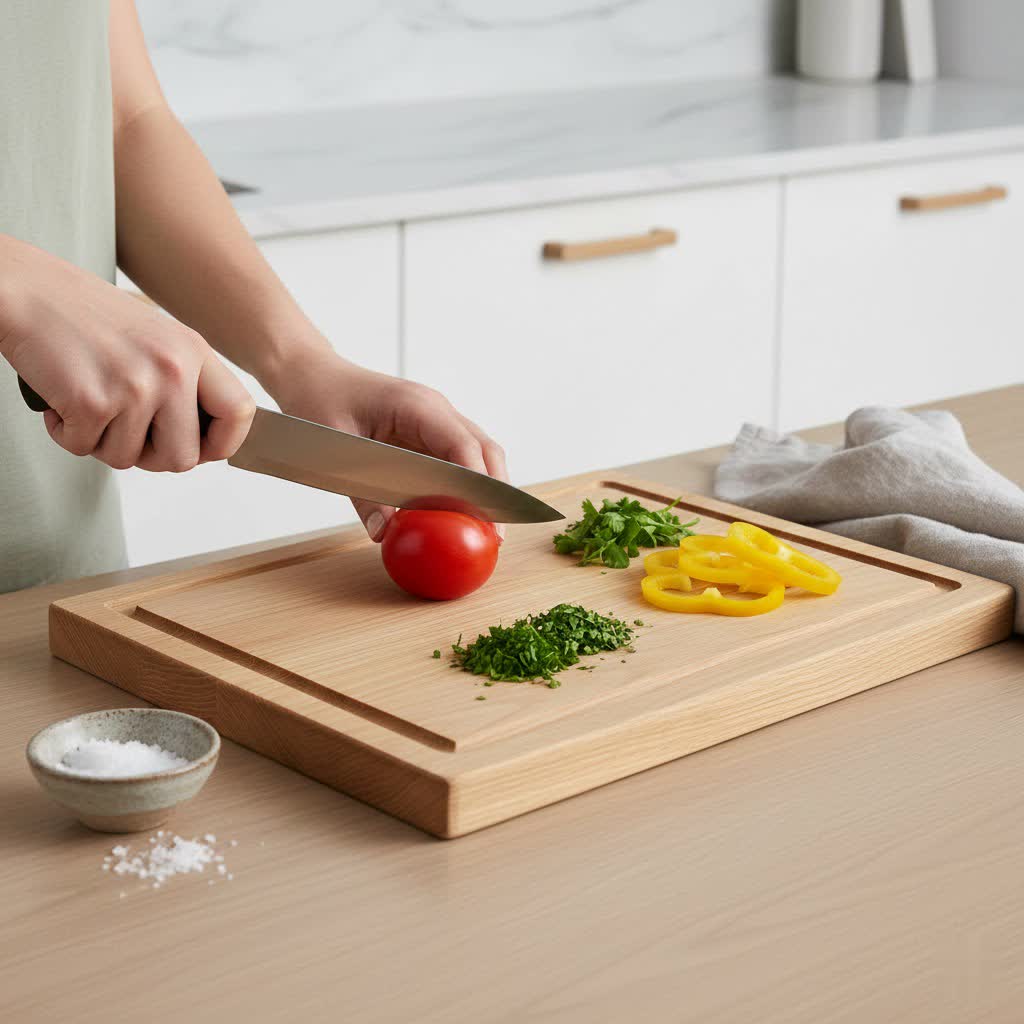
A beautiful wooden cutting board is more than just a kitchen tool; it’s a centerpiece, a reliable partner in culinary creations. However, the joy of owning one can quickly turn into frustration when unsightly cracks begin to appear. These fissures not only mar its aesthetics but also compromise hygiene and durability. Understanding why your cherished board develops cracks and, more importantly, how to prevent them, is crucial for preserving its integrity and extending its lifespan. This comprehensive guide will delve into the science behind wood cracking and provide actionable strategies to keep your cutting board in pristine condition for years to come.
Understanding Wood’s Nature and Susceptibility to Cracking
Wooden cutting boards, beloved for their knife-friendly surface and natural appeal, are made from a living material that reacts dynamically to its environment. Wood is naturally porous, composed of fibers that absorb and release moisture. This inherent characteristic, known as hygroscopy, is the primary reason why cutting boards are susceptible to cracking.
When wood absorbs moisture, its fibers expand. Conversely, when it dries out, the fibers contract. This constant expansion and contraction, especially when uneven or rapid, places immense stress on the wood’s structure, eventually leading to cracks. Imagine the wood grain as tiny straws; they soak up water and then shrink as they dry, causing internal tension. Without proper care, this natural process can accelerate, leading to damage.
Advantages and Disadvantages of Wooden Cutting Boards
Wooden cutting boards offer numerous benefits, making them a popular choice in kitchens worldwide, but they also come with specific care requirements.
Advantages
- Knife-Friendly Surface: Wood is inherently softer than metal, glass, or plastic, which means it’s gentler on knife edges, keeping them sharper for longer.
- Aesthetic Appeal: The natural grain and warmth of wood add a touch of elegance and rustic charm to any kitchen.
- Natural Antibacterial Properties: Many hardwoods, like maple and walnut, possess natural antibacterial qualities that help inhibit bacterial growth.
- Durability: With proper care, a high-quality wooden cutting board can last for decades, becoming a cherished heirloom.
|
Our Picks for the Best Wooden cutting board in 2026
As an Amazon Associate I earn from qualifying purchases.
|
||
| Num | Product | Action |
|---|---|---|
| 1 | Extra Large Cutting Board, 17.6" Bamboo Cutting Boards for Kitchen with Juice Groove and Handles Kitchen Chopping Board for Meat Cheese board Heavy Duty Serving Tray, XL, Empune |

|
| 2 | Astercook Deep-Carbonized Bamboo Cutting Boards for Kitchen with Wood Storage Stand, Reversible Charcuterie & Chopping Boards with Juice Grooves and Easy-Grip Handles, Knife-Friendly, Kitchen Gift |
|
| 3 | Kikcoin 17”×11” Bamboo Cutting Boards for Kitchen, Healthy Wooden Cutting Boards for Kitchen, Charcuterie, Vegetables, Cheese, Extra Large Chopping Boards with Deep Juice Groove and Handle, Natural |
|
| 4 | Freshware Bamboo Cutting Board Set of 3, Wooden Cutting Boards for Kitchen, Knife Friendly Food Grade Chopping Board, Lightweight with Hanging Hole for Easy Storage |
|
| 5 | Allsum Bamboo Wood Cutting Board for Kitchen, 1" Thick Butcher Block, Cheese Charcuterie Board, with Side Handles and Juice Grooves, 16x11" |
|
| 6 | Premium Cutting Board Set – Non-Toxic Carbonized Bamboo & Wooden Cutting Boards for Kitchen Meal Prep, Durable Butcher Block for Meat with Side Handles, Juice Groove, Charcuterie & Chopping (3 Pcs) |
|
| 7 | Greener Chef Luxury XL Bamboo Cutting Board Set of 3 with Vertical Grain Strength Technology - Extra Large Wood Cutting Boards for Kitchen and Lightweight Chopping Board Set - Replacements for Life |
|
| 8 | 3-Piece Set Bamboo Cutting Board for Kitchen - Crack-Resistant Wood Chopping Boards with Deep Juice Grooves, Pre-Oiled Butcher Block for Meat, Vegetables & Cheese, Carbonized |
|
| 9 | Keechee Bamboo Cutting Board, Durable Wood Cutting Boards for Kitchen with Deep Juice Grooves & Built-in Handles, Ideal Charcuterie & Chopping for Meat, Vegetables and Fruits Ideal Kitchen Gifts |
|
| 10 | Bamboo Cutting Board for Kitchen, 18" Large Wood Charcuterie Cheese Board, Wooden Chopping Block with Side Handles and Juice Grooves |
|
Disadvantages
- Susceptibility to Cracking and Warping: Due to its hygroscopic nature, wood can crack or warp if not properly maintained, especially when exposed to extreme moisture fluctuations.
- Requires Regular Maintenance: Unlike plastic or glass boards, wooden boards demand consistent oiling and careful cleaning to prevent drying out and damage.
- Can Absorb Odors and Stains: Without a protective finish, wood can absorb strong odors and become stained over time.
- Higher Initial Cost: Quality wooden cutting boards typically have a higher upfront cost compared to their plastic or glass counterparts.
Common Causes of Cutting Board Cracking
Cracking in wooden cutting boards is rarely a sudden event; it’s usually the cumulative result of several factors related to moisture and temperature. Understanding these causes is the first step toward effective prevention.
- Insufficient Conditioning (Dryness): This is perhaps the most prevalent cause. When a wooden board is not regularly oiled, it loses its natural moisture, becoming brittle and rigid. This dryness makes the wood highly vulnerable to splitting and cracking, similar to how dry skin can crack.
- Excessive Moisture Absorption and Uneven Drying: Submerging a cutting board in water, allowing water to pool on its surface, or placing it in a dishwasher leads to excessive moisture absorption. When the board then dries unevenly (one side drying faster than the other), the rapid expansion and contraction create internal stress, resulting in cracks.
- Rapid Temperature Changes: Exposing a wooden cutting board to extreme and sudden temperature shifts can be detrimental. Washing with very hot water, placing it near a hot stove, or exposing it to direct sunlight can cause the wood to dry out too quickly and unevenly, leading to stress cracks.
- Dishwasher Use: Dishwashers combine high heat and prolonged exposure to water and harsh detergents, stripping the wood of its natural oils and forcing rapid, uneven drying. This environment is highly damaging and almost guarantees warping and cracking.
- Improper Storage: Storing a cutting board flat on a damp surface, leaning it against a wall where only one side dries, or leaving it in an area with extreme humidity fluctuations can encourage uneven moisture absorption and drying, inviting cracks.
Essential Prevention Strategies for Your Wooden Cutting Board
Preventing your wooden cutting board from cracking is a straightforward process centered around consistent care and understanding wood’s needs.
Regular Oiling and Conditioning
Regularly oiling your cutting board is the single most important preventative measure. Oiling penetrates the wood fibers, replenishing lost moisture and creating a protective barrier that repels water.
- What to Use: Food-grade mineral oil is highly recommended as it’s inexpensive, readily available, non-toxic, and won’t go rancid. Other options include beeswax, board creams (a mix of mineral oil and beeswax), or specialized cutting board oils. Avoid cooking oils like olive or vegetable oil, as they can turn rancid over time.
- How Often: For new boards, oil them generously daily for the first week, then weekly for the next month. For established boards, aim to oil at least once a month, or whenever the wood appears dry or dull. If you use your board frequently or wash it often, you may need to oil it more often.
Proper Cleaning Techniques
How you clean your cutting board significantly impacts its longevity and resistance to cracking.
- Gentle Washing: After each use, wash your cutting board with warm (not hot) water and a mild dish soap. Use a soft sponge or brush to scrub away food particles.
- Avoid Submerging: Never submerge your wooden cutting board in water or leave it to soak. This allows the wood to absorb too much moisture, leading to swelling and eventual cracking upon drying.
- Immediate Drying: As soon as you finish washing, thoroughly dry your cutting board with a clean towel. Do not let it air dry completely on its own without initial towel drying, as this can encourage uneven drying.
- Sanitizing (Optional): For deeper cleaning and sanitization, you can occasionally wipe the board with a solution of white vinegar or lemon juice, then rinse and dry thoroughly.
Optimal Storage Conditions
Where and how you store your cutting board plays a crucial role in preventing moisture-related damage.
- Dry and Ventilated Area: Store your cutting board in a dry, well-ventilated space, away from direct sunlight, heat sources (like ovens or radiators), and areas of high humidity.
- Upright or Flat on a Rack: Ideally, store your board standing upright on its edge or on a drying rack that allows air to circulate evenly around all surfaces. Avoid leaving it flat on a counter, especially if one side is prone to moisture or heat. This prevents uneven drying and warping.
A Comparison of Conditioning Agents
Choosing the right conditioning agent is vital for the health of your wooden cutting board. Here’s a comparison of popular options:
| Conditioning Agent | Ease of Use | Frequency | Protection Level | Cost | Notes |
|---|---|---|---|---|---|
| Food-Grade Mineral Oil | Very Easy | Monthly/Bi-weekly | Good moisture barrier | Low | Odorless, colorless, non-toxic, won’t go rancid. Penetrates deeply. |
| Beeswax | Moderate (needs warming) | Every few months | Excellent sealing | Moderate | Creates a harder, more durable surface barrier. Often mixed with mineral oil. |
| Board Cream/Wax | Easy | Monthly/Bi-monthly | Very Good | Moderate-High | Blend of mineral oil and beeswax, offering benefits of both. Easier application than pure wax. |
| Tung Oil (Pure) | Difficult (long cure) | Annually (initial) | Superior long-term seal | Moderate-High | Creates a hard, water-resistant finish. Requires multiple thin coats and long curing times. Ensure it’s 100% pure tung oil (not “tung oil finish”). |
A Step-by-Step Guide to Oiling Your Cutting Board
Proper application of conditioning oil is key to its effectiveness. Follow these steps to ensure your board is adequately protected.
Initial Seasoning for New Boards
When you first get a wooden cutting board, it’s crucial to season it thoroughly before use to build up a strong protective layer.
- Clean and Dry: Ensure the new board is clean and completely dry.
- Generous Application: Apply a very generous amount of food-grade mineral oil, pouring what might seem like too much, evenly across all surfaces, including the sides.
- Rub In: Use a clean, lint-free cloth or paper towel to rub the oil into the wood, following the grain.
- Absorb: Let the oil soak in for several hours, ideally overnight. The wood will absorb a surprising amount.
- Reapply: Wipe off any excess oil. Repeat the process daily for the first week, then weekly for the first month, gradually reducing frequency.
Routine Oiling Process
For ongoing maintenance, follow these steps to keep your board healthy and crack-free.
- Clean and Dry: Always start with a clean, thoroughly dry cutting board.
- Apply Oil: Apply a moderate amount of food-grade mineral oil evenly across the entire surface.
- Spread: Use a clean cloth or paper towel to spread the oil, ensuring full coverage.
- Let it Sit: Allow the oil to penetrate the wood for at least 30 minutes, or up to a few hours. For very dry boards, let it sit overnight.
- Wipe Excess: Wipe off any unabsorbed oil with a clean cloth. The board should feel smooth, not greasy.
When to Re-oil Your Board
The “sleeve test” is a good indicator:
- If your board looks dull or feels dry to the touch, it’s time to re-oil.
- If water no longer beads on the surface and instead soaks into the wood, it definitely needs conditioning.
- A good rule of thumb is at least once a month, or more frequently if you use and wash your board often.
Advanced Tips for Longevity
Beyond regular oiling and cleaning, a few extra measures can significantly extend the life of your wooden cutting board and prevent cracking.
Dealing with Minor Issues
- Light Cracks: For very minor surface cracks, a thorough re-oiling can sometimes help. Saturate the area with mineral oil and let it sit. For slightly larger cracks, some woodworkers use a mixture of wood glue and sawdust, followed by sanding and re-oiling, but this is a repair, not a preventative measure.
- Warping: If your board starts to warp, it’s often due to uneven moisture. Try dampening the concave side slightly and then clamping it flat or laying it on a flat surface with weight on top, allowing it to dry slowly and evenly for several days.
Avoiding Dishwashers and Extreme Heat
- Dishwashers are a “No-Go”: As previously mentioned, the harsh environment of a dishwasher is a death sentence for wooden cutting boards. The combination of high heat, strong detergents, and prolonged water exposure will strip oils, cause warping, and lead to irreparable cracks. Always handwash.
- Keep Away from Heat: Never place your wooden cutting board in a hot oven, microwave, or directly on a hot burner. Avoid leaving it next to a hot stove or in direct, strong sunlight for extended periods. Rapid heat exposure can cause the wood to dry out too quickly, leading to internal stress and cracking.
Expert Insights on Wooden Cutting Board Care
Caring for your wooden cutting board is an art that combines common sense with a little bit of scientific understanding of wood. By integrating these practices into your kitchen routine, you ensure its beauty and functionality endure.
“A wooden cutting board thrives on consistency. Regular, gentle oiling is like moisturizing your skin—it keeps it supple, resilient, and less prone to the environmental stresses that lead to cracking.” – Chef Antoine Dubois, Culinary Instructor and Woodcraft Enthusiast
Using separate boards for raw meats and produce helps prevent cross-contamination and reduces the overall washing burden on any single board. When chopping, avoid excessively heavy blows with cleavers on thin boards, as this can stress the wood fibers and glue joints. For extra stability during use, place a damp kitchen towel or non-slip mat underneath your board to prevent it from sliding, thus reducing accidental stress. Remember, a well-cared-for wooden cutting board will not only enhance your cooking experience but also become a testament to your dedication to kitchen craftsmanship.
Conclusion
Preventing your wooden cutting board from cracking is an achievable goal with consistent and mindful care. By understanding that wood is a natural material that expands and contracts with moisture, you can adopt habits that nurture its longevity. Regular conditioning with food-grade mineral oil, meticulous cleaning practices that avoid excessive water and heat, and proper storage in a dry, well-ventilated space are the cornerstones of keeping your board pristine. These simple yet essential steps will protect your investment, maintain its hygienic surface, and ensure it remains a beautiful and functional staple in your kitchen for many years. Embrace these practices, and your wooden cutting board will serve you faithfully, resisting the common pitfalls of cracking and warping.
What steps will you take today to ensure your wooden cutting board remains a timeless and crack-free companion in your culinary adventures?
Frequently Asked Questions
Why do wooden cutting boards crack even if I oil them?
Cracking can still occur even with oiling if other factors are at play, such as exposure to extreme heat, soaking in water, or very infrequent oiling that allows the board to dry out significantly between treatments. Oiling is crucial, but it’s part of a holistic care routine.
How often should I re-oil my cutting board to prevent cracking?
A good general guideline is to re-oil your wooden cutting board at least once a month. However, if you use and wash it frequently, or if you live in a very dry climate, you may need to oil it every two weeks or whenever the wood appears dry and dull.
Can I use olive oil or vegetable oil to condition my cutting board?
No, it’s best to avoid cooking oils like olive, vegetable, or canola oil. These oils can become rancid over time, leading to unpleasant odors and a sticky residue on your cutting board. Food-grade mineral oil is the safest and most recommended choice.
Is it okay to put my wooden cutting board in the dishwasher?
Absolutely not. Dishwashers combine high heat, harsh detergents, and prolonged water exposure, which are all extremely damaging to wooden cutting boards. This will quickly strip the wood of its natural oils, cause warping, and lead to severe cracking. Always handwash your wooden cutting board.
What should I do if my cutting board already has a small crack?
For very minor surface cracks, immediately clean and thoroughly oil the board. Saturate the cracked area with mineral oil, allowing it to penetrate deeply. For larger cracks, professional repair might be necessary, but prevention remains the best approach.