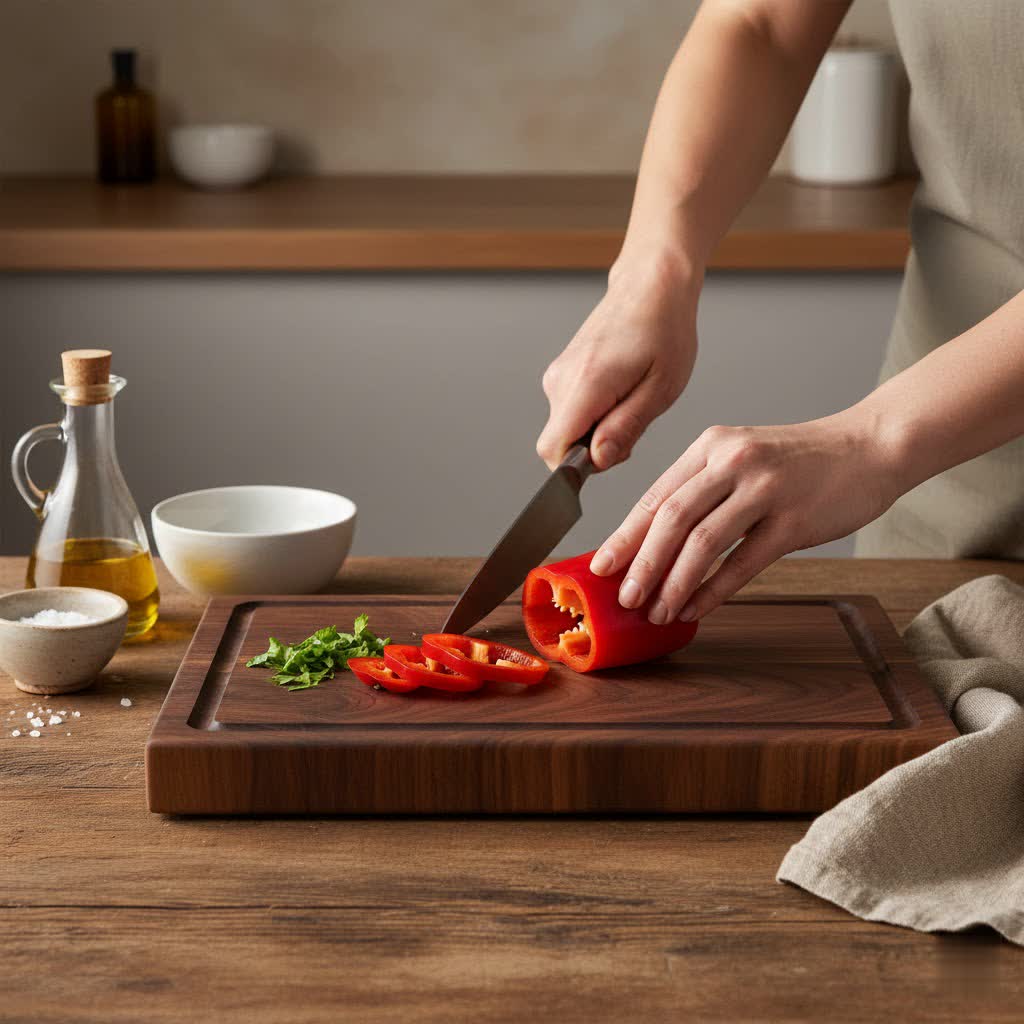
Choosing the right cutting board is a fundamental decision for any kitchen, impacting everything from knife longevity to food safety. While traditional wood and plastic boards have long dominated the market, a unique contender has emerged: Epicurean wood fiber cutting boards. These innovative surfaces promise the best of both worlds, blending the aesthetic appeal of wood with the practicality of modern composites. But do they truly live up to the hype? This comprehensive guide delves into the distinct advantages and potential drawbacks of Epicurean wood fiber boards, helping you determine if they are the perfect fit for your culinary needs.
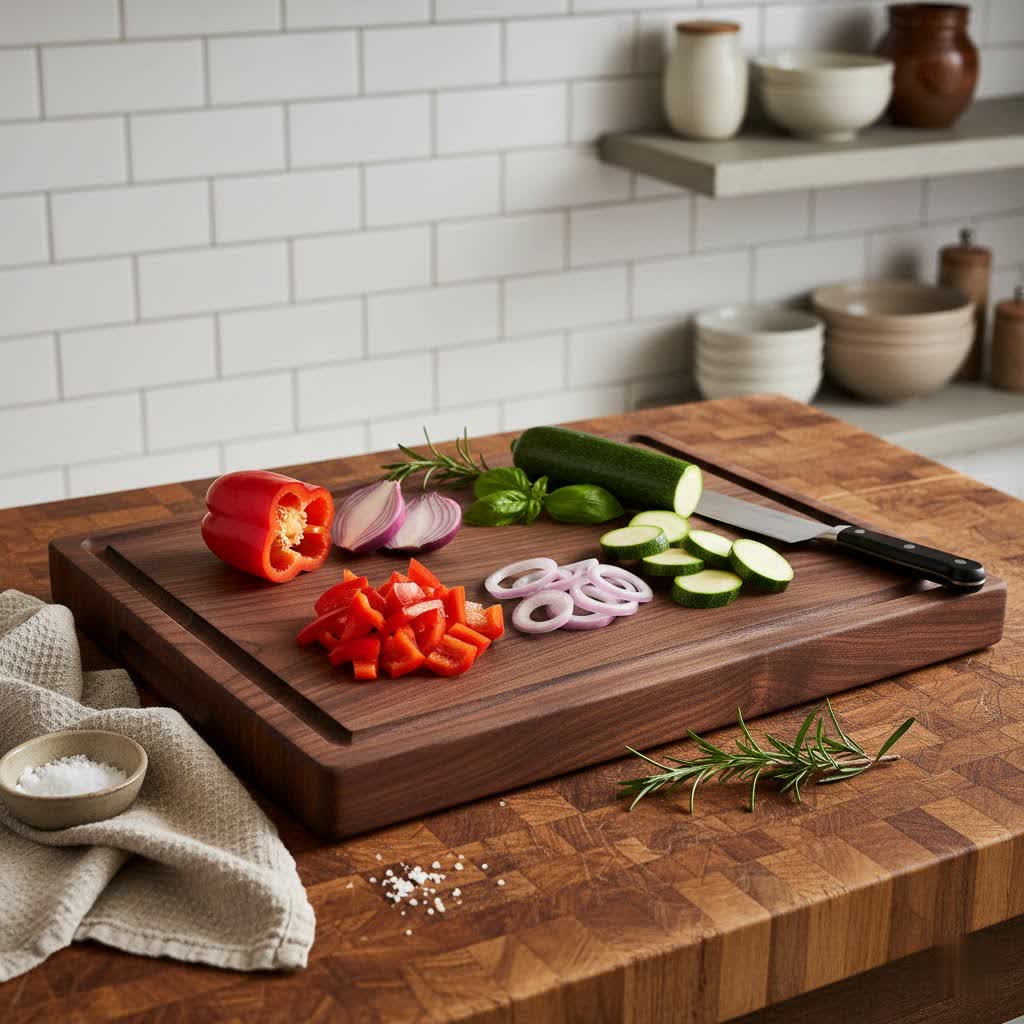
What Are Epicurean Wood Fiber Cutting Boards?
Epicurean wood fiber cutting boards are crafted from Richlite, a remarkable composite material born from the innovative fusion of paper and resin. This unique material is created by layering hundreds of sheets of FSC-certified paper, sourced from sustainably harvested trees, which are then saturated with a food-grade, petroleum-free phenolic resin. These layers are fused together under intense heat and pressure, resulting in a dense, non-porous, and incredibly durable solid panel. This manufacturing process, predominantly done in the USA, transforms humble wood fibers into a high-performance kitchen tool. The material’s origins even trace back to the surfaces used in municipal skate parks, highlighting its inherent toughness and resilience.
The Advantages of Epicurean Wood Fiber Boards
Epicurean boards offer a compelling suite of benefits that address many common frustrations associated with traditional cutting surfaces, making them a popular choice for both home cooks and professional chefs.
Unmatched Durability and Longevity
Table is empty.One of the standout features of Epicurean cutting boards is their exceptional durability. Unlike solid wood boards that can crack, warp, or split over time with improper care, these composite boards are highly resistant to such issues. They can withstand temperatures up to 350°F (176°C), allowing them to double as convenient trivets for hot pots and pans without sustaining damage. This heat resistance also contributes to their overall resilience, ensuring a long lifespan that can extend over a decade with regular use.
Superior Hygiene and Easy Maintenance
For many, the ease of cleaning and hygiene is paramount in the kitchen, and here, Epicurean boards truly shine. Their non-porous surface is a game-changer; it inherently resists the absorption of bacteria, odors, and stubborn stains, a common problem with plastic or improperly maintained wooden boards. This characteristic makes them incredibly sanitary, a quality reinforced by their NSF certification. Crucially, Epicurean boards are dishwasher safe, offering unparalleled convenience for busy kitchens—a distinct advantage over traditional wood boards that require delicate hand washing and oiling. Forget about mineral oil treatments or bleach; these boards simply require a quick wash.
Knife-Friendly Surface
Despite their sturdy composition, Epicurean boards are specifically engineered to be gentle on knife edges. The Richlite material aims to preserve blade sharpness longer than harder surfaces like glass or bamboo, which are notorious for dulling knives quickly. While some users report a slightly firmer feel compared to very soft wood or rubber, the manufacturer’s design intent is to provide a cutting surface that minimizes wear on your precious cutlery, ensuring your blades stay sharper for longer periods between sharpening.
Lightweight and User-Friendly Design
Traditional hardwood cutting boards, especially larger ones, can be cumbersome and heavy, making them challenging to move and store. Epicurean boards, by contrast, are remarkably lightweight for their size, enhancing maneuverability and making them easier to handle, wash, and put away. Many models also feature practical additions like non-slip rubber feet for stability during use and integrated juice grooves to contain liquids, contributing to a cleaner and safer food preparation experience.
Eco-Conscious Choice
In an era where sustainability is increasingly important, Epicurean boards offer an environmentally responsible option. They are made from “eco select” paper harvested under sustainable forestry standards, often utilizing FSC-certified materials or recycled paper. The manufacturing process itself aims for a low carbon footprint, and the fact that they are proudly Made in the USA further reduces transportation-related environmental impact. Choosing an Epicurean board means supporting a product that prioritizes both performance and planetary health.
The Disadvantages of Epicurean Wood Fiber Boards
While Epicurean wood fiber boards boast many impressive qualities, they are not without their potential drawbacks. Understanding these limitations is key to making an informed decision.
Potential Impact on Knife Edges
Despite claims of being “knife-friendly,” some experienced users and professional chefs have noted that Epicurean boards can feel harder than traditional end-grain wood or softer synthetic boards. This perceived hardness, for some, translates to a slightly faster dulling of knife edges during extensive or heavy-duty use. While they are certainly kinder to knives than glass or stone, those accustomed to extremely soft cutting surfaces might notice a difference and require more frequent sharpening.
Surface Wear and Aesthetic Changes
Like any cutting surface, Epicurean boards will show signs of wear over time. While they are resistant to deep gouges, fine scratches and cut marks will accumulate, altering the smooth initial appearance. Some users have also reported that the top layer can begin to chip away after prolonged use, and in isolated cases, particularly with darker colored boards, there have been instances of color transfer to light-colored foods like garlic or onions. While often not a functional issue, these aesthetic changes can be a minor concern for some.
Different Cutting Experience
For those deeply attached to the tactile experience of cutting on natural wood, Epicurean boards might offer a slightly different feel. The composite material lacks the natural “give” and dampening properties that many cooks appreciate in traditional wood, especially during long, intensive chopping sessions. While stable and functional, the cutting feedback can feel distinct, which may require a small adjustment for some users.
Warping Concerns (Rare but Reported)
While Epicurean boards are designed to be resistant to warping and cracking, a few isolated reports from users have indicated that some boards, particularly those with integrated rubber feet, may experience slight warping over time. It’s important to note that many users report no warping even after years of daily use and dishwasher cycles, suggesting that this is not a widespread issue but rather a rare occurrence that some consumers have encountered.
Initial Cost
Compared to inexpensive plastic cutting boards, Epicurean wood fiber boards generally come with a higher upfront cost. While their durability and low maintenance can offer long-term value, the initial investment is something to consider. However, when compared to high-quality, solid hardwood cutting boards, their pricing is often competitive, if not more affordable, especially considering their added benefits like dishwasher safety.
Epicurean Boards Compared: Wood vs. Plastic vs. Wood Fiber
To truly appreciate where Epicurean boards stand, let’s compare them to their most common counterparts across several key criteria.
| Feature | Traditional Wood Boards | Plastic Boards | Epicurean Wood Fiber Boards |
|---|---|---|---|
| Hygiene | Natural antimicrobial properties; requires diligent care to prevent bacterial growth in grooves. | Can harbor bacteria in deep cuts; often dishwasher safe. | Non-porous, NSF-certified, resists bacteria and odors; dishwasher safe. |
| Knife Friendliness | Very gentle on knives, preserves edge well (especially end-grain). | Varies by plastic hardness; can be very gentle or dull quickly. | Generally knife-friendly, designed to preserve edges, though some report it’s harder than soft wood. |
| Durability | High, but prone to warping, cracking, and splitting if not maintained. | Varies greatly; can warp, scratch, and degrade over time. | High; resistant to warping, cracking, and heat. |
| Maintenance | High; requires regular oiling, hand washing, and air drying. | Low; often dishwasher safe, but may need replacement when heavily scarred. | Very low; dishwasher safe, no oiling or special treatment needed. |
| Cost | Mid to high, depending on wood type and construction. | Low to mid. | Mid to high. |
| Eco-Friendliness | Natural, renewable resource, but sourcing can vary; can last decades. | Petroleum-based, often ends up in landfills; some recycled options. | Made from sustainably sourced or recycled wood fiber and resin; Made in USA. |
| Aesthetics | Natural beauty, warm, classic. | Functional, can look cheap or utilitarian. | Warm, natural wood-like appearance, sleek. |
Choosing Your Ideal Cutting Board: Is Epicurean Right for You?
Deciding if an Epicurean wood fiber cutting board is the right choice for your kitchen boils down to your personal priorities and cooking habits.
If you are a busy cook who values convenience and hygiene above all else, the dishwasher-safe, non-porous nature of Epicurean boards makes them an incredibly appealing option. For those who frequently prepare raw meats or poultry and want the assurance of thorough sanitation without the meticulous care required by traditional wood, these boards are a clear winner.
Furthermore, if sustainability and low maintenance are important factors, the eco-friendly materials and hands-off care routine of Epicurean boards align well with those values. They offer a modern solution that marries environmental consciousness with practical kitchen utility.
However, if you are a knife enthusiast whose top priority is the absolute softest cutting surface for ultimate blade edge preservation, or if you prefer the traditional “feel” and aesthetic of a heavy, natural wood board, you might find yourself occasionally reaching for an alternative. But for most home cooks seeking a durable, hygienic, and easy-to-care-for cutting surface that looks great on the counter, Epicurean wood fiber boards present a compelling and innovative solution.
Care and Maintenance Tips for Your Epicurean Board
Maintaining your Epicurean wood fiber cutting board is remarkably simple, designed to fit seamlessly into a busy kitchen routine.
The primary advantage is that Epicurean boards are fully dishwasher safe. Simply place them in your dishwasher after use for a thorough and hygienic clean. For those who prefer hand washing, a quick scrub with warm, soapy water is all that’s needed. Since the material is non-porous, there’s no need for special treatments like oiling, waxing, or bleaching, which simplifies your kitchen chores significantly.
If your board develops surface scratches over time, as any cutting board will, a light sanding with fine-grit sandpaper (e.g., 220-grit) can help smooth out the surface and refresh its appearance. Always ensure the board is thoroughly dry before storing to prevent any potential moisture-related issues, although their resistance to warping is a major benefit here. With minimal effort, your Epicurean board can remain a reliable kitchen companion for many years.
Conclusion
Epicurean wood fiber cutting boards represent a thoughtful evolution in kitchenware, striking an impressive balance between the warmth of wood and the practicality of advanced composites. Their significant advantages, including dishwasher safety, superior hygiene, durability, lightweight design, and eco-friendly construction, make them a highly attractive option for the modern kitchen. While some users might note a firmer cutting feel or occasional surface wear, these minor considerations are often outweighed by the overall convenience and long-term performance. Ultimately, Epicurean boards offer a robust, sanitary, and low-maintenance solution that caters perfectly to the demands of daily cooking, providing a reliable surface that stands ready for every chop, slice, and dice.
Are you ready to experience the blend of tradition and innovation that Epicurean wood fiber boards bring to the kitchen?
Frequently Asked Questions
Are Epicurean cutting boards bad for knives?
Epicurean cutting boards are designed to be gentle on knives, aiming to preserve blade sharpness longer than harder materials like glass. While some users find them slightly firmer than very soft wood, they are generally considered knife-friendly and will not dull your blades excessively.
Can you sand Epicurean cutting boards?
Yes, you can sand Epicurean cutting boards to refresh their surface. If your board accumulates scratches or develops minor imperfections over time, a light sanding with fine-grit sandpaper (such as 220-grit) can help smooth out the surface and restore its appearance.
Are Epicurean boards truly eco-friendly?
Epicurean boards are considered eco-friendly due to their construction from Richlite, a material made from sustainably harvested or recycled wood fiber and food-grade resin. They are also Made in the USA, further contributing to a lower carbon footprint in manufacturing and distribution.
How long do Epicurean cutting boards last?
With proper care, Epicurean cutting boards are known for their exceptional longevity. Their durable composite material is resistant to cracking, splitting, and warping, allowing them to last well over a decade, even with frequent use and regular dishwasher cleaning.
Do Epicurean boards stain?
Thanks to their non-porous surface, Epicurean boards are highly resistant to staining and odor absorption. This makes them an excellent choice for cutting colorful or strongly scented ingredients, ensuring that your board remains pristine and fresh after cleaning.