In the heart of every well-equipped kitchen lies a cutting board, an unsung hero of meal preparation. While countless options flood the market, from plastic to bamboo, a quality wooden cutting board stands apart, offering a blend of aesthetics, functionality, and knife care that few can match. Among these, the Kook Maple Wood Cutting Board, representative of premium maple craftsmanship, emerges as a top contender, promising a superior culinary experience. If you are seeking to elevate your kitchen’s utility and style, understanding the nuances of such a board is essential. This in-depth guide will explore why a maple cutting board, exemplified by the Kook brand’s commitment to quality, is an invaluable investment, covering its benefits, care, and what makes it an indispensable tool for any home chef.
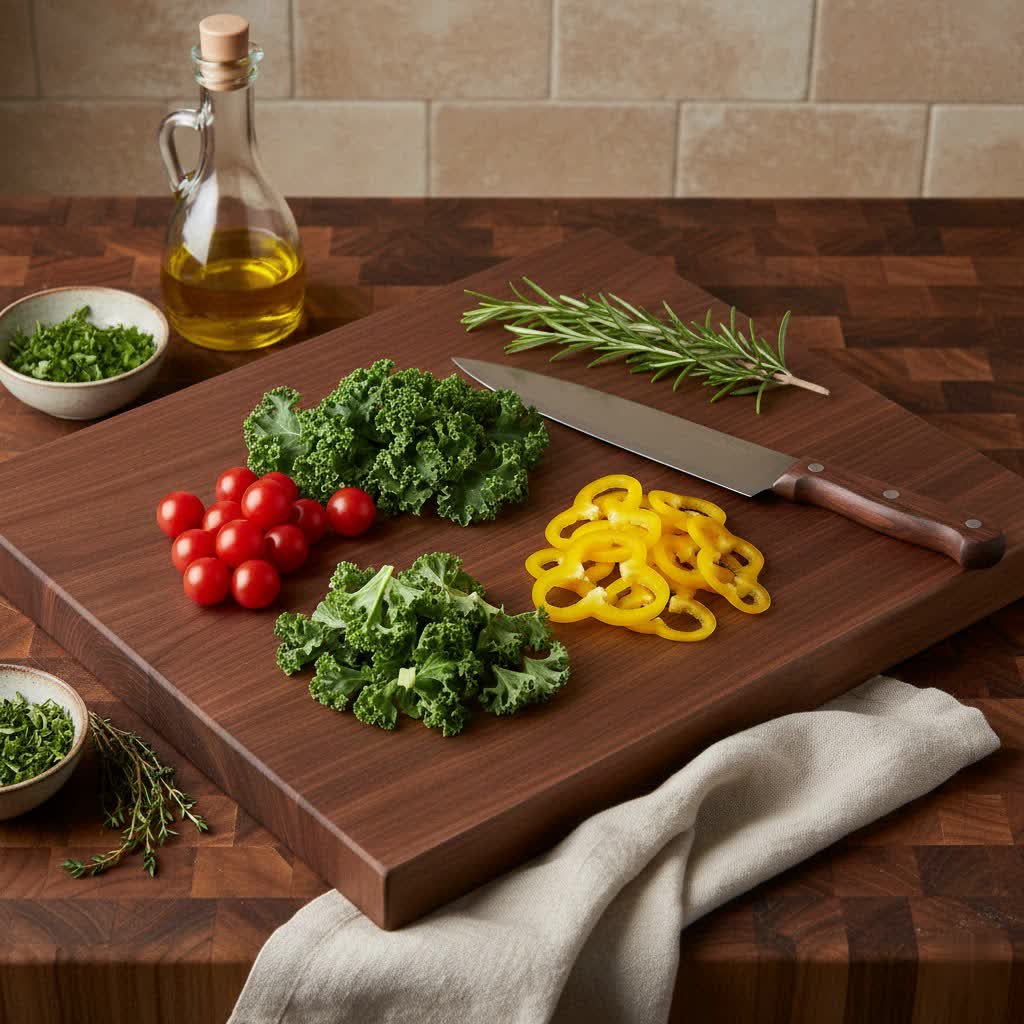
An Overview of Wooden Cutting Boards
A wooden cutting board is more than just a surface for slicing and dicing; it’s a foundational piece of kitchen equipment that influences everything from knife sharpness to food safety. Historically, wood has been the material of choice for centuries, valued for its natural properties. Today, advancements in wood treatment and design have only enhanced its appeal. While various woods are utilized, including walnut, cherry, and bamboo, maple consistently ranks as a preferred material due to its unique balance of hardness and density.
The Kook Maple Wood Cutting Board: Advantages and Disadvantages
When considering a cutting board like the Kook Maple Wood Cutting Board, its distinct characteristics contribute to both its strengths and areas requiring attention.
Advantages
A maple cutting board brings a host of benefits to your kitchen:
- Exceptional Aesthetics: With its pale, uniform grain and smooth finish, maple wood adds a touch of natural elegance and warmth to any kitchen décor. It’s not just a tool, but a centerpiece.
- Knife-Friendly Surface: Maple’s ideal hardness allows it to be forgiving on knife edges, helping your blades stay sharper for longer. Unlike harder materials like glass or bamboo, it won’t prematurely dull your knives.
- Natural Hygienic Properties: Maple has a dense, closed-grain structure, which resists the penetration of liquids and bacteria. Studies have shown that properly maintained wooden cutting boards can actually be more sanitary than plastic alternatives, as wood possesses natural antimicrobial qualities.
- Remarkable Durability: When cared for correctly, a maple cutting board can withstand years of daily use, resisting nicks, gouges, and warping. Its resilience makes it a long-term investment that ages beautifully.
Disadvantages
Despite its many virtues, a maple cutting board also comes with certain considerations:
- Demanding Maintenance: Unlike plastic boards that can be tossed in a dishwasher, maple wood requires regular hand washing, immediate drying, and periodic oiling to prevent cracking, warping, and drying out. This consistent care is crucial for its longevity.
- Higher Initial Cost: Quality maple cutting boards often come with a higher price tag compared to their plastic or bamboo counterparts. However, this investment typically pays off in extended durability and superior performance.
- Weight and Storage: Larger maple cutting boards, especially butcher block styles, can be quite heavy and cumbersome, potentially posing storage challenges in smaller kitchens.
- Potential for Scratches and Odor Absorption: While resilient, maple boards can still show knife marks over time. They may also absorb strong odors from certain foods if not cleaned promptly and thoroughly, though this can be mitigated with proper care.
Exploring Different Types of Maple Cutting Boards
Maple cutting boards come in various constructions, each offering specific benefits for different culinary tasks.
Hardwood Cutting Boards
Maple, a hardwood, is highly regarded for its robust properties. Compared to softer woods, it offers superior resistance to knife marks and greater longevity. Its fine, uniform texture also contributes to its aesthetic appeal. Other hardwoods like walnut and cherry are also popular, but maple often strikes the best balance of hardness, durability, and cost-effectiveness.
Edge Grain vs. End Grain
The way a wooden cutting board is constructed—specifically how the wood fibers are oriented—significantly impacts its performance and durability.
- Edge Grain Boards: These boards are made by gluing strips of wood together with the wood grain running parallel to the cutting surface. They are generally very durable, resistant to warping, and more affordable. However, they can show knife marks more readily than end-grain boards.
- End Grain Boards: In contrast, end-grain boards are constructed by arranging small blocks of wood so that the end grain faces upwards, similar to the bristles of a brush. This orientation allows knife blades to slide between the wood fibers, which then “self-heal” or close up. This makes end-grain boards exceptionally gentle on knives and highly resistant to scarring, though they are typically more expensive and require more meticulous maintenance.
Butcher Block Cutting Boards
Often synonymous with end-grain construction, butcher block cutting boards are typically thick, heavy, and extremely robust. These substantial boards are designed for heavy-duty chopping, cleaving, and even serving as a permanent countertop fixture. Their significant weight provides stability during intense prep work, making them a favorite among professional chefs and serious home cooks alike.
Comparative Analysis of Maple Cutting Boards
To truly appreciate the Kook Maple Wood Cutting Board, it’s helpful to compare its characteristics against other common cutting board materials.
| Feature | Kook Maple (Hardwood) | Bamboo | Plastic | Glass |
|---|---|---|---|---|
| Durability | Excellent; long-lasting with care | Good; can split/delaminate | Moderate; stains, warps, wears out | Very Durable; but brittle |
| Knife-Friendliness | Excellent; preserves blade edges | Fair; can dull knives quickly | Good; but develops deep grooves | Poor; severely dulls knives |
| Hygiene | Natural antimicrobial; closed grain | Good; but can harbor bacteria in cracks | Can harbor bacteria in deep grooves | Very hygienic; non-porous |
| Maintenance | Hand wash, oiling, dry upright | Hand wash, oiling | Dishwasher safe | Dishwasher safe |
| Cost | Moderate to High | Low to Moderate | Low | Low to Moderate |
| Aesthetics | High; natural, elegant | Moderate; distinct grain | Low; utilitarian | Low; prone to scratches |
| Weight | Moderate to Heavy | Lightweight to Moderate | Lightweight | Moderate to Heavy |
Your Guide to Choosing the Right Maple Cutting Board
Selecting the perfect cutting board, such as a Kook Maple Wood Cutting Board, involves thoughtful consideration of your personal cooking style and kitchen environment.
Assess Your Needs
Begin by evaluating how you’ll primarily use the board:
- Size: Consider your kitchen counter space and the volume of food you typically prepare. A large butcher block might be great for big meals but impractical for a small apartment.
- Usage: Will it be for daily chopping of vegetables, carving roasts, or doubling as a serving platter? Different tasks may call for different sizes or features like juice grooves.
- Budget: While quality maple boards are an investment, they come in various price points. Define your budget to narrow down options.
Select the Ideal Wood Type
Focus on the benefits of maple: its optimal hardness, knife-friendliness, and beautiful aesthetic. Decide between an edge-grain board for everyday durability or an end-grain board for superior knife preservation and self-healing properties, often favored for heavy chopping. Prioritize boards made from sustainably sourced maple.
Quality Check
Always examine the board before purchasing:
- Surface: It should be perfectly flat, smooth, and free from any visible cracks, gaps, or splinters, which can harbor bacteria.
- Edges: Well-made boards have smoothly sanded or rounded edges for comfortable handling and safety.
- Odor: The board should have a natural wood smell, without any harsh chemical odors, indicating safe and non-toxic treatment.
Reputable Brands
While specific product lines can vary, look for brands known for their commitment to quality woodworking and food-safe finishes. Reading customer reviews and seeking recommendations can guide you toward manufacturers with a strong reputation for durable and well-crafted wooden cutting boards. A reputable brand often signifies a commitment to proper wood sourcing and construction techniques.
Care and Maintenance for Your Kook Maple Wood Cutting Board
Proper care is paramount to ensuring your Kook Maple Wood Cutting Board lasts for decades, maintaining its beauty and hygienic qualities.
Proper Cleaning Techniques
- Hand Wash Only: Never place your maple cutting board in a dishwasher. The extreme heat and prolonged exposure to water will cause it to warp, crack, and potentially delaminate.
- Warm Soapy Water: After each use, wash the board thoroughly with warm water and a mild dish soap. Use a soft brush or sponge to gently scrub away food particles.
- Sanitize Naturally: For deeper cleaning and sanitization, periodically wipe the board down with a solution of equal parts white vinegar and water, or rub with half a lemon and salt, then rinse thoroughly.
- Dry Immediately and Properly: Do not let the board soak in water. After washing, wipe it dry with a clean towel and allow it to air dry completely, preferably standing on its edge or with air circulating around all sides, to prevent warping.
Essential Board Preservation
- Regular Oiling: Maple wood needs to be conditioned regularly to prevent it from drying out, cracking, and losing its luster. Apply a food-grade mineral oil or a beeswax-based conditioner generously to all surfaces of the board, allowing it to soak in overnight, then wipe off any excess. Do this monthly, or whenever the board looks dry.
- Avoid Submersion: Prolonged exposure to water is the enemy of any wooden cutting board. Always avoid submerging it in water.
- Proper Storage: Store your board in a dry, cool place, away from extreme temperature changes or direct sunlight, which can cause cracking.
- Sanding for Renewal: Over time, deep knife marks can accumulate. Lightly sanding your board with fine-grit sandpaper (e.g., 220-grit) along the grain can restore its smooth surface and eliminate bacteria-harboring grooves. Always re-oil after sanding.
Maximizing Your Maple Cutting Board Experience
To truly get the most out of your Kook Maple Wood Cutting Board, adopt these practices:
- Dedicated Boards: Consider having separate cutting boards for raw meats and cooked foods or produce to prevent cross-contamination.
- Non-Slip Stability: Place a damp paper towel or a non-slip mat underneath your board to keep it securely in place during vigorous chopping.
- Gentle Handling: Avoid excessive force or cleaving directly onto the board, as this can create deeper gouges that are harder to repair.
- Know When to Replace: While well-maintained maple boards can last for decades, if your board develops deep, irreparable cracks or becomes excessively warped, it’s time to consider a replacement for hygiene and safety.
Conclusion
Investing in a high-quality cutting board, such as the Kook Maple Wood Cutting Board, is a decision that enhances both the efficiency and aesthetic appeal of your kitchen. Its natural beauty, knife-friendly surface, inherent hygienic properties, and enduring durability make maple an exceptional choice for any culinary enthusiast. By committing to the simple yet crucial steps of proper cleaning and regular oiling, you can ensure that your maple cutting board remains a cherished, functional, and beautiful fixture in your kitchen for many years to come. Isn’t it time your kitchen experienced the timeless quality of maple?
Frequently Asked Questions
Why is maple wood considered superior for cutting boards?
Maple is highly prized for its cutting boards due to its optimal balance of hardness, density, and a closed-grain structure. This combination makes it exceptionally durable, gentle on knife blades, and naturally resistant to bacteria, providing a hygienic and long-lasting surface for food preparation.
How often should I oil my maple cutting board?
For regular use, it is generally recommended to oil your maple cutting board at least once a month. However, you should re-oil it more frequently if the board appears dry, lightens in color, or after very heavy use and washing, to prevent drying and cracking.
Can a maple cutting board harbor bacteria?
While Wooden Cutting Boards, including maple, have natural antimicrobial properties, they can harbor bacteria if not cleaned and maintained properly. The closed-grain structure of maple helps resist bacterial penetration, but consistent cleaning with soap and water, sanitizing with vinegar, and thorough drying are essential for hygiene.
Is an end-grain maple cutting board better than an edge-grain one?
End-grain maple cutting boards are often considered superior for knife preservation and self-healing properties because the knife cuts into the wood fibers, not across them. Edge-grain boards are typically more durable against warping and less expensive, making the “better” choice dependent on individual priorities and budget.
What kind of oil should I use for my maple cutting board?
Always use a food-grade mineral oil, beeswax-based conditioner, or other food-safe wood oils specifically designed for cutting boards. Avoid vegetable oils like olive or canola oil, as they can go rancid over time and produce unpleasant odors.