Every culinary journey, from a humble home meal to a Michelin-star dish, begins on a cutting board. This foundational kitchen tool dictates not only the efficiency of preparation but also the lifespan of your knives and, critically, the hygiene of your food. While plastic cutting boards have gained popularity for their perceived convenience, a closer look reveals why discerning professionals consistently reach for the natural elegance and superior performance of a wooden cutting board. This article delves into the profound reasons behind this preference, exploring the benefits, types, care, and overall impact of wood versus plastic in the demanding world of professional kitchens.
A Legacy of Craftsmanship: Wooden Cutting Board Overview
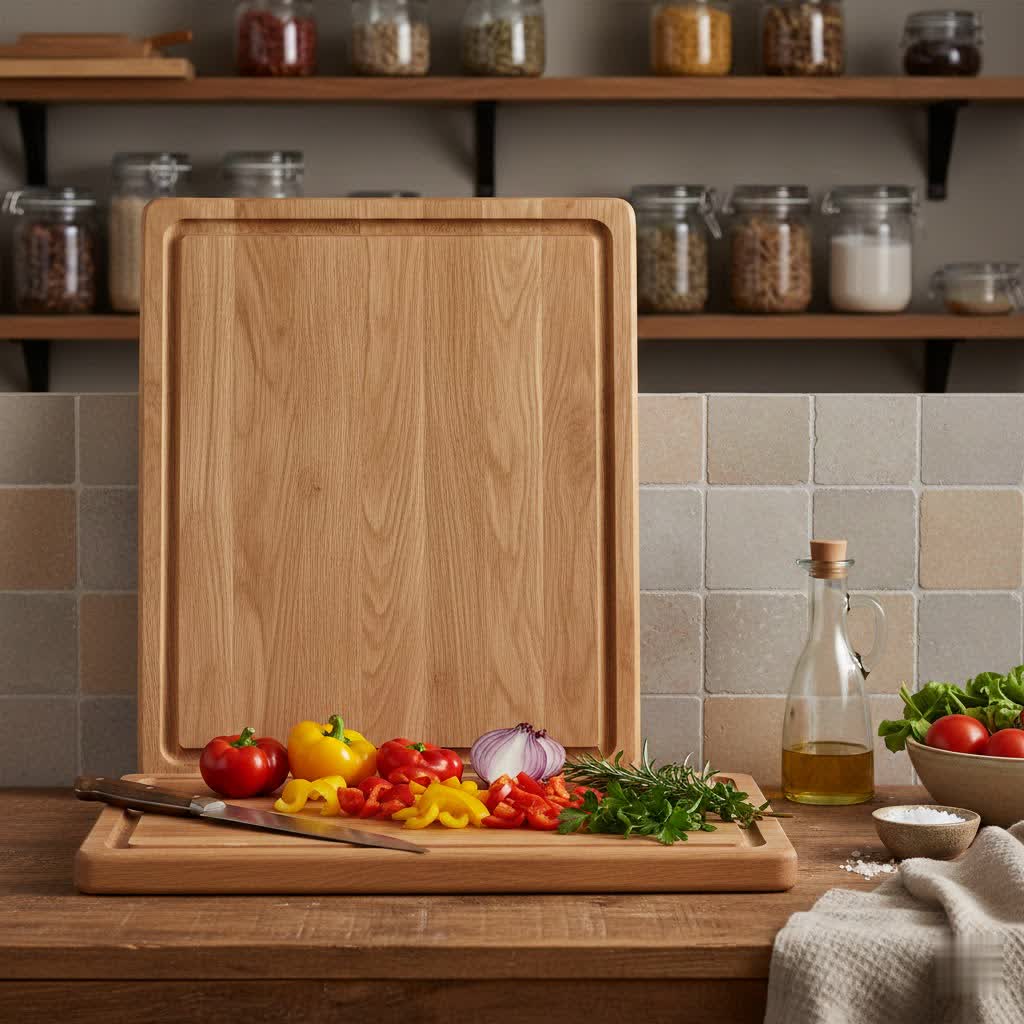
A wooden cutting board is more than just a surface for slicing and dicing; it’s a testament to centuries of culinary tradition. Essentially, it’s a sturdy block of wood, typically a hardwood, used to protect countertops and provide a stable platform for food preparation. Its purpose extends beyond mere utility, influencing knife maintenance, food safety, and even the aesthetic of the kitchen.
The history of cutting boards dates back thousands of years to ancient civilizations in Mesopotamia, Egypt, and Rome, where stone slabs and wooden planks served as rudimentary prep surfaces. By the Middle Ages, wooden boards became the standard in European kitchens due to their availability and ease of use. The 19th century saw the emergence of specialized butcher blocks, robust wooden surfaces designed for heavy-duty meat preparation. The mid-20th century introduced plastic alternatives, often marketed as more sanitary. However, ongoing research and the consistent practices of professional chefs have reaffirmed the enduring value of wood.
The most common types of wood favored for cutting boards include hardwoods such as maple, walnut, cherry, and oak. These woods are prized for their density, fine grain, and durability. Maple is a classic choice, known for its hardness and light color. Walnut offers a beautiful dark hue and natural oils that resist bacteria. Cherry is another popular option, offering a rich color that deepens with age. Oak provides exceptional hardness and distinctive grain patterns. While softwoods like pine or cedar are cheaper, they are generally less suitable for cutting boards due to their susceptibility to deep knife marks and lower durability. Bamboo, often touted as a “green” alternative, is technically a grass and can be very hard, potentially dulling knives faster and sometimes prone to splitting or delamination over time.
The Unrivaled Advantages of Wooden Cutting Boards
Professional chefs don’t choose wooden cutting boards merely out of tradition; they select them for a host of practical benefits that directly impact their craft and the quality of their output. These advantages often far outweigh those offered by plastic.
Knife Preservation and Enhanced Cutting Experience
|
Our Picks for the Best Wooden cutting board in 2026
As an Amazon Associate I earn from qualifying purchases.
|
||
| Num | Product | Action |
|---|---|---|
| 1 | Bamboo Cutting Board for Kitchen, 18" Large Wood Charcuterie Cheese Board, Wooden Chopping Block with Side Handles and Juice Grooves |

|
| 2 | Kikcoin 17”×11” Bamboo Cutting Boards for Kitchen, Healthy Wooden Cutting Boards for Kitchen, Charcuterie, Vegetables, Cheese, Extra Large Chopping Boards with Deep Juice Groove and Handle, Natural |
|
| 3 | Freshware Bamboo Cutting Board Set of 3, Wooden Cutting Boards for Kitchen, Knife Friendly Food Grade Chopping Board, Lightweight with Hanging Hole for Easy Storage |
|
| 4 | Greener Chef Luxury XL Bamboo Cutting Board Set of 3 with Vertical Grain Strength Technology - Extra Large Wood Cutting Boards for Kitchen and Lightweight Chopping Board Set - Replacements for Life |
|
| 5 | 3-Piece Set Bamboo Cutting Board for Kitchen - Crack-Resistant Wood Chopping Boards with Deep Juice Grooves, Pre-Oiled Butcher Block for Meat, Vegetables & Cheese, Carbonized |
|
| 6 | Astercook Deep-Carbonized Bamboo Cutting Boards for Kitchen with Wood Storage Stand, Reversible Charcuterie & Chopping Boards with Juice Grooves and Easy-Grip Handles, Knife-Friendly, Kitchen Gift |
|
| 7 | Premium Cutting Board Set – Non-Toxic Carbonized Bamboo & Wooden Cutting Boards for Kitchen Meal Prep, Durable Butcher Block for Meat with Side Handles, Juice Groove, Charcuterie & Chopping (3 Pcs) |
|
| 8 | Allsum Bamboo Wood Cutting Board for Kitchen, 1" Thick Butcher Block, Cheese Charcuterie Board, with Side Handles and Juice Grooves, 16x11" |
|
| 9 | Extra Large Cutting Board, 17.6" Bamboo Cutting Boards for Kitchen with Juice Groove and Handles Kitchen Chopping Board for Meat Cheese board Heavy Duty Serving Tray, XL, Empune |
|
| 10 | Keechee Bamboo Cutting Board, Durable Wood Cutting Boards for Kitchen with Deep Juice Grooves & Built-in Handles, Ideal Charcuterie & Chopping for Meat, Vegetables and Fruits Ideal Kitchen Gifts |
|
One of the most compelling reasons for the professional preference for wood is its unparalleled friendliness to knife blades. Unlike hard plastic surfaces that can rapidly dull and damage expensive cutlery, wood fibers compress slightly upon impact, providing a forgiving surface that helps maintain a knife’s sharpness. This “self-healing” quality, particularly prominent in end-grain butcher blocks, reduces the need for frequent sharpening, saving time and extending the life of high-quality knives. Furthermore, the tactile experience of cutting on wood offers a natural resistance that enhances control and precision, allowing chefs to make more accurate and consistent cuts, which is crucial for delicate ingredients and consistent cooking results. The inherent stability of a weighty wooden board also prevents slipping and sliding, contributing to a safer and more confident cutting motion.
Superior Hygiene and Food Safety
Despite a common misconception that plastic boards are inherently more sanitary due to their non-porous nature, studies and professional experience suggest otherwise. While wood cutting boards are porous, food safety experts note that wood behaves differently than plastic when it comes to bacteria. “From a microbiology standpoint, plastic boards let bacteria stay on the surface where they linger… Wood behaves differently. It pulls liquid and bacteria into the grain almost right away. However, within a few minutes, the microbes can’t be recovered from the surface. As the board dries, the trapped bacteria die off,” says Jennifer Pallian, RD, food scientist and founder of Foodess. Many hardwoods, such as oak, maple, and cherry, also possess natural antimicrobial properties, further inhibiting bacterial growth. In contrast, plastic boards, especially once scarred with knife cuts, can develop deep grooves that become difficult to clean and sanitize effectively, turning into breeding grounds for bacteria. The Food Standards Agency has confirmed that hospitality businesses are free to use wooden cutting boards, provided they are properly maintained, dispelling lingering concerns about their use in commercial settings.
Aesthetic Appeal and Durability
Beyond functionality, wooden cutting boards bring an undeniable aesthetic appeal to any kitchen. Their natural grain patterns, rich colors, and warm textures add a touch of timeless elegance and organic beauty that plastic simply cannot replicate. In professional kitchens, where presentation often extends beyond the plate to the entire cooking environment, a collection of well-maintained wooden boards elevates the workspace. Moreover, with proper care and conditioning, a high-quality wooden cutting board can last for decades, becoming a cherished tool that improves with age. This durability makes them a sustainable and long-term investment, reducing waste compared to frequently replaced plastic boards.
Environmental and Health Concerns of Plastic
A growing concern in modern kitchens is the issue of microplastics. Repeated knife cuts on plastic cutting boards can cause tiny plastic particles to shed into food. “There is less of a chance of particles getting in your food while cutting,” says Quinton Middleton, founder of Middleton Made Knives, referring to wooden boards. Research indicates that ingesting microplastics may have potential health implications, including intestinal inflammation and allergic reactions, though the full extent is still being studied. Opting for a wooden cutting board eliminates this concern entirely, contributing to a healthier cooking environment and a reduced ecological footprint.
Debating the Downsides: Challenges of Wooden Cutting Boards
While the benefits are significant, it’s important to acknowledge that wooden cutting boards do come with certain considerations that require attention and understanding.
Maintenance Requirements
Unlike plastic boards that can often be tossed into a dishwasher, wooden cutting boards demand a more hands-on approach to cleaning and maintenance. They are not dishwasher-safe and require immediate hand washing with warm, soapy water after each use. Furthermore, to prevent drying, cracking, and warping, wooden boards need to be regularly oiled with food-grade mineral oil. This conditioning process, while simple, adds a step to the routine that some might find tedious.
Cost
The initial investment for a high-quality wooden cutting board, especially those made from premium hardwoods or featuring end-grain construction, is typically higher than for most plastic alternatives. This can be a barrier for some, particularly those on a tighter budget. However, when considering their longevity and benefits to knife life, the long-term value often justifies the upfront expense.
Susceptibility to Damage
Without proper care, wooden cutting boards can be susceptible to damage. Prolonged soaking in water can lead to warping, cracking, or splitting. Exposure to extreme temperature changes or excessive dryness can also cause structural issues. Stains and odors can penetrate the wood if not cleaned promptly, although these can often be mitigated with specific cleaning techniques like lemon and salt.
Navigating Your Options: Types of Wooden Cutting Boards
The world of wooden cutting boards offers a variety of choices, each with unique characteristics that appeal to different culinary needs and preferences. Understanding these distinctions is key to making an informed decision.
Hardwood Cutting Boards (Maple, Walnut, Cherry, Oak)
Hardwoods are the gold standard for cutting boards due to their density, durability, and fine grain.
- Maple: Often considered the industry standard, maple is exceptionally hard, dense, and resistant to scarring. Its light color is also appealing.
- Walnut: A beautiful, dark wood that is slightly softer than maple but still highly durable. Its natural oils enhance its resistance to bacteria and moisture.
- Cherry: Known for its striking reddish-brown hue that deepens over time. It’s a moderately hard wood, gentle on knives, and offers excellent stability.
- Oak: A very hard and strong wood, oak is durable and often features prominent grain patterns. It also possesses natural antibacterial qualities.
These boards excel in knife preservation, offer superior hygiene, and possess a timeless aesthetic, making them ideal for everyday use in professional and serious home kitchens.
Softwood Cutting Boards (Pine, Cedar)
Softwoods are generally less dense and more porous than hardwoods. While cheaper, they are not typically recommended for primary cutting surfaces because they are prone to deep knife marks, splintering, and can harbor bacteria more easily. They are better suited for decorative purposes or very light-duty tasks.
Bamboo Cutting Boards
Bamboo cutting boards are popular for their sustainability and hardness. However, their density can be a double-edged sword: while durable, they can be harder on knife edges than traditional hardwoods. Bamboo also tends to be glued together in strips, and cheaper boards can delaminate or splinter over time. Quality bamboo boards are still a viable option, but one should be aware of these potential drawbacks.
Butcher Block (End-Grain vs. Edge-Grain)
Butcher block refers to a specific construction method, often using hardwoods, that dramatically impacts a board’s performance.
- Edge-Grain: Constructed by gluing long strips of wood together side-by-side, with the wood grain running parallel to the cutting surface. These boards are very durable, stable, and generally less expensive than end-grain.
- End-Grain: Made by arranging small blocks of wood so that the ends of the wood fibers face upwards, forming the cutting surface. This orientation allows the knife blade to slide between the fibers rather than cut across them, making them incredibly gentle on knives and offering a “self-healing” property where knife marks tend to close up. End-grain boards are often considered the pinnacle of cutting board design for professional use, though they are typically heavier and more expensive.
Wooden Cutting Board Comparison Table
| Feature | Hardwood (Maple, Walnut, Cherry) | Bamboo | Plastic (HDPE) |
|---|---|---|---|
| Durability | Excellent, long-lasting with care | Good, but can delaminate | Good, but grooves develop |
| Knife Friendliness | Excellent, preserves blade sharpness | Fair, can dull knives faster | Poor, dulls knives quickly |
| Hygiene | Excellent, natural antimicrobial | Good, less porous than wood | Fair, harbors bacteria in grooves |
| Maintenance | Requires oiling & hand wash | Hand wash, occasional oil | Dishwasher safe, easy clean |
| Cost | Medium to High | Low to Medium | Low |
| Aesthetic | High, natural beauty | Medium | Low, utilitarian |
| Microplastic Risk | None | None | High |
The Chef’s Guide: Choosing the Right Wooden Cutting Board
Selecting the perfect wooden cutting board involves more than just picking a pretty piece of wood. It requires thoughtful consideration of your culinary habits and kitchen environment.
Assess Your Culinary Needs
Before purchasing, consider how you’ll primarily use the board.
- Size: A larger board provides more workspace, ideal for meal prepping or handling larger cuts of meat. Smaller boards are convenient for quick tasks or limited counter space.
- Thickness: Thicker boards offer greater stability and durability, especially end-grain varieties that stand up to heavy chopping.
- Types of Food: Will you be using it for raw meats, vegetables, bread, or a combination? While general-purpose boards are common, some chefs prefer dedicated boards for different food types to prevent cross-contamination.
- Kitchen Space: Ensure the board’s size is practical for both use and storage in your kitchen.
Select the Ideal Wood Type
As discussed, different woods offer varying characteristics.
- For ultimate knife preservation and durability, maple, walnut, cherry, or oak hardwoods are top choices. Consider end-grain construction for the most professional performance.
- Understand the nuances: maple for hardness, walnut for rich color and natural oils, cherry for aesthetics, and oak for strength.
- While bamboo is sustainable, weigh its hardness against your knife investment.
Inspect for Quality
A high-quality wooden cutting board should exhibit specific characteristics upon inspection.
- Surface: It must be perfectly flat, smooth, and free from any cracks, splinters, or rough patches.
- Edges: Well-crafted boards will have smoothly rounded or chamfered edges for comfortable handling and safety.
- Construction: If it’s a glued board (edge or end-grain), inspect the seams for tight, uniform joins with food-safe glue.
- Smell: The board should have a natural wood scent, not a strong chemical or artificial odor, indicating proper treatment and finish.
Reputable Brands
Investing in a wooden cutting board from a reputable brand or artisan ensures you’re getting a product made with quality wood, proper construction techniques, and food-safe finishes. Researching user reviews and seeking recommendations from experienced cooks or culinary professionals can guide you to trusted suppliers.
Extending the Life of Your Investment: Care and Maintenance
Proper care is paramount to maintaining the beauty, hygiene, and longevity of your wooden cutting board. Neglecting it can lead to warping, cracking, or bacterial contamination.
Proper Cleaning Techniques
- Immediate Wash: Always wash your wooden cutting board immediately after each use. Do not let food residue sit on it for long periods.
- Warm Soapy Water: Use warm water and a mild dish soap. Scrub the surface thoroughly with a soft sponge or brush, paying attention to any grooves or marks.
- Sanitize Naturally: For deeper cleaning and sanitization, especially after cutting raw meat, you can rub half a lemon over the board’s surface with coarse salt, let it sit for a few minutes, then rinse. Alternatively, spray with a diluted white vinegar solution (1:1 with water) and let it sit for a few minutes before rinsing and drying.
- Rinse and Dry Thoroughly: Rinse the board completely to remove all soap or cleaning solutions. Immediately wipe it dry with a clean cloth.
Essential Conditioning
- Oil Regularly: Wooden boards need regular oiling to prevent them from drying out, cracking, and absorbing odors and moisture. Use food-grade mineral oil, beeswax conditioner, or a specialized cutting board oil.
- Application: Apply a generous amount of oil to all surfaces of the board, including the sides. Let it soak in for several hours or overnight.
- Buff: Wipe off any excess oil with a clean cloth, buffing the surface until it’s smooth and dry to the touch. The frequency depends on use, but monthly is a good starting point for regular users.
What to Avoid
- No Soaking: Never soak a wooden cutting board in water, as this will cause it to warp, crack, and potentially harbor bacteria.
- No Dishwasher: The intense heat and prolonged exposure to water in a dishwasher will severely damage a wooden board.
- No Extreme Temperatures: Avoid exposing your board to direct sunlight, placing hot pots on it, or storing it near heat sources like ovens, as rapid temperature changes can cause cracking.
Storage
Store your wooden cutting board upright on its edge or lying flat in a dry, well-ventilated area. Avoid storing it flat on a countertop for extended periods, as this can trap moisture underneath and lead to warping or mildew.
Expert Tips for Maximizing Your Wooden Board’s Potential
Integrating a wooden cutting board into your kitchen routine effectively involves a few best practices that professionals swear by.
- Dedicate Boards: To prevent cross-contamination, use separate wooden cutting boards for raw meats, poultry, and seafood, and another for cooked foods, fruits, and vegetables. Labeling them can be helpful in a busy kitchen.
- Stabilize Your Board: Always place a damp cloth or a non-slip mat underneath your wooden cutting board to prevent it from sliding during use. This simple step significantly enhances safety.
- Gentle Chopping: While wooden boards are durable, avoid excessively hard chopping or cleaving, which can create deep marks and shorten the board’s lifespan. Let the sharpness of your knife do the work.
- Rotate and Flip: Regularly rotate and flip your cutting board between uses to ensure even wear and exposure to moisture, which helps prevent warping.
- Know When to Replace: Even with the best care, wooden cutting boards will eventually show significant wear and tear. Deep, irreparable grooves that are difficult to clean, significant warping, or splintering are signs it’s time to replace your board to maintain optimal hygiene and safety.
Conclusion
The enduring preference of professional chefs for a wooden cutting board over plastic is rooted in a clear understanding of its superior qualities. From its unparalleled ability to preserve knife edges and provide a refined cutting experience to its inherent hygienic advantages and timeless aesthetic, wood stands as the ultimate choice for serious culinary work. While demanding a bit more care and an initial investment, the longevity, performance, and health benefits of a well-maintained wooden board far outweigh these considerations. By embracing the tradition and science behind these essential tools, you too can elevate your kitchen and culinary artistry. What kind of impact could a high-quality wooden cutting board have on your everyday cooking?
Frequently Asked Questions
Are wooden cutting boards allowed in professional kitchens?
Yes, wooden cutting boards are indeed allowed in professional kitchens, provided they are properly maintained and regularly sanitized. The Food Standards Agency confirms their permitted use, debunking the common misconception that only plastic is acceptable in commercial settings.
What is the best type of wood for a cutting board?
Hardwoods like maple, walnut, and cherry are generally considered the best for cutting boards due to their density, durability, and fine grain which resists deep knife cuts and helps inhibit bacterial growth. End-grain construction is often preferred for its self-healing properties and knife preservation.
How often should I oil my wooden cutting board?
The frequency of oiling depends on how often you use and wash your wooden cutting board. As a general rule, aim to oil it at least once a month. If your board looks dry or feels rough, it’s an indication that it needs oiling sooner.
Do wooden cutting boards harbor more bacteria than plastic ones?
Contrary to popular belief, studies suggest that wooden cutting boards can be as, or even more, hygienic than plastic. Wood fibers draw bacteria into the interior where they die off as the board dries, while plastic grooves can trap bacteria and be difficult to sanitize.
Can I put my wooden cutting board in the dishwasher?
Absolutely not. Placing a wooden cutting board in the dishwasher will expose it to prolonged high heat and moisture, which will almost certainly cause it to warp, crack, split, and dry out excessively, rendering it unusable. Always hand wash and dry immediately.
Why are wooden cutting boards better for knives?
Wooden cutting boards are better for knives because wood is a softer material than plastic. The wood fibers give way slightly to the knife’s edge, allowing the blade to stay sharper for longer by reducing direct impact and abrasion, unlike rigid plastic which can dull blades quickly.
What is the difference between end-grain and edge-grain cutting boards?
End-grain cutting boards are made with the wood fibers facing up, allowing knives to slide between them, which is easier on blades and gives a self-healing effect. Edge-grain boards have the wood strips laid on their sides, making them very durable but slightly harder on knives than end-grain.