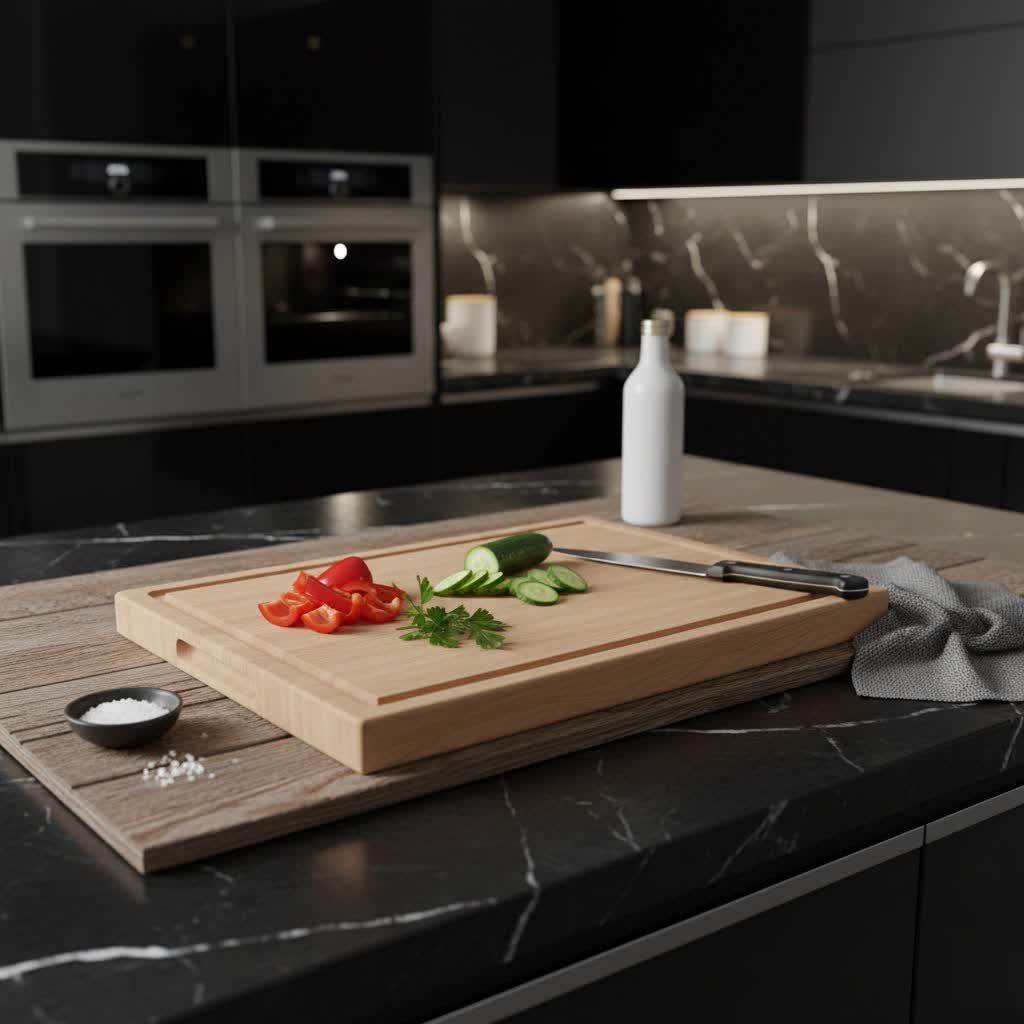
Stepping into a kitchen often feels like entering the heart of a home, and at its core, for many passionate cooks and chefs, is the trusty wooden cutting board. More than just a surface for chopping, a quality wooden cutting board is an investment in culinary precision, knife longevity, and kitchen aesthetics. But with countless options available, how do you navigate the world of wood to find your perfect match? This guide will dive deep into the best wooden cutting boards of 2026, offering insights to help you choose a board that stands the test of time and countless meals.
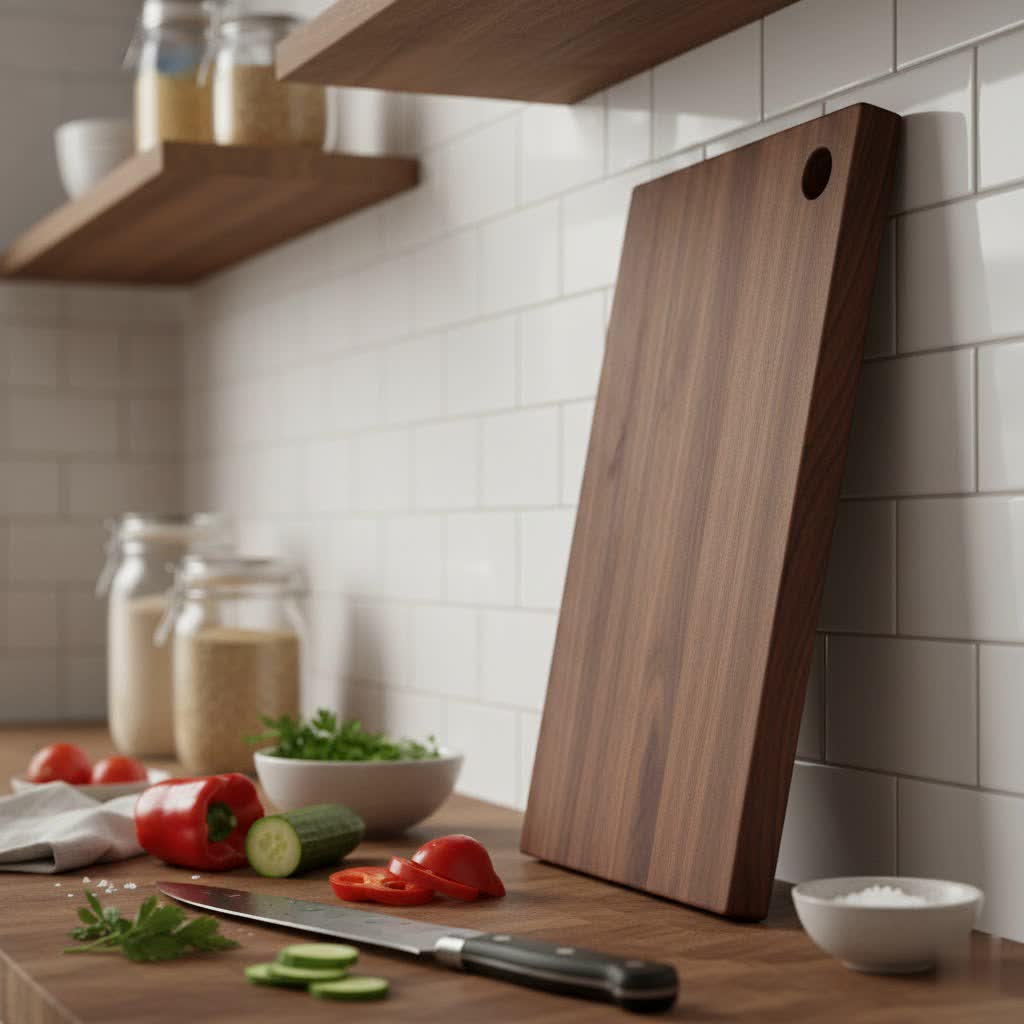
Wooden Cutting Board Overview
A wooden cutting board serves as a fundamental kitchen tool, providing a stable and resilient surface for slicing, dicing, and chopping ingredients. Beyond its primary utility, it also offers a natural warmth and aesthetic appeal that synthetic materials often lack. Historically, wooden boards have been a cornerstone in kitchens worldwide, prized for their durability and ability to keep knives sharp.
Today, cutting boards are crafted from various wood species, each bringing unique characteristics to the table. Common choices include hardwoods like maple, walnut, and cherry, known for their dense grains and resilience. Softer woods such as pine and cedar are less common for cutting surfaces due to their tendency to show knife marks more readily. Additionally, bamboo and teak have gained popularity, offering sustainable or water-resistant alternatives.
Advantages and Disadvantages of Wooden Cutting Boards
Wooden cutting boards are celebrated for many qualities but also come with specific considerations. Understanding these can help you decide if a wooden board is the right choice for your culinary space.
Advantages
- High Aesthetic Appeal: Wooden boards introduce a natural, organic beauty to any kitchen, ranging from light maple tones to rich walnut hues, enhancing the overall decor.
- Knife-Friendly Surface: The fibrous nature of wood is much gentler on knife blades compared to harder surfaces like glass or stone, helping to maintain their sharpness and prolonging their life.
- Natural Antibacterial Properties: Many types of wood possess natural antimicrobial qualities, which can inhibit bacterial growth. Studies suggest that wood’s porous structure can trap bacteria, causing them to die off rather than multiply on the surface, especially in end-grain constructions.
- Exceptional Durability and Longevity: With proper care, a high-quality wooden cutting board can last for decades, becoming a cherished heirloom in your kitchen. Unlike plastic, wood can also be sanded down to remove deep cuts and rejuvenate its surface.
|
Our Picks for the Best Wooden cutting board in 2026
As an Amazon Associate I earn from qualifying purchases.
|
||
| Num | Product | Action |
|---|---|---|
| 1 | Greener Chef Luxury XL Bamboo Cutting Board Set of 3 with Vertical Grain Strength Technology - Extra Large Wood Cutting Boards for Kitchen and Lightweight Chopping Board Set - Replacements for Life |

|
| 2 | Premium Cutting Board Set – Non-Toxic Carbonized Bamboo & Wooden Cutting Boards for Kitchen Meal Prep, Durable Butcher Block for Meat with Side Handles, Juice Groove, Charcuterie & Chopping (3 Pcs) |
|
| 3 | Extra Large Cutting Board, 17.6" Bamboo Cutting Boards for Kitchen with Juice Groove and Handles Kitchen Chopping Board for Meat Cheese board Heavy Duty Serving Tray, XL, Empune |
|
| 4 | Astercook Deep-Carbonized Bamboo Cutting Boards for Kitchen with Wood Storage Stand, Reversible Charcuterie & Chopping Boards with Juice Grooves and Easy-Grip Handles, Knife-Friendly, Kitchen Gift |
|
| 5 | Bamboo Cutting Board for Kitchen, 18" Large Wood Charcuterie Cheese Board, Wooden Chopping Block with Side Handles and Juice Grooves |
|
| 6 | Keechee Bamboo Cutting Board, Durable Wood Cutting Boards for Kitchen with Deep Juice Grooves & Built-in Handles, Ideal Charcuterie & Chopping for Meat, Vegetables and Fruits Ideal Kitchen Gifts |
|
| 7 | 3-Piece Set Bamboo Cutting Board for Kitchen - Crack-Resistant Wood Chopping Boards with Deep Juice Grooves, Pre-Oiled Butcher Block for Meat, Vegetables & Cheese, Carbonized |
|
| 8 | Allsum Bamboo Wood Cutting Board for Kitchen, 1" Thick Butcher Block, Cheese Charcuterie Board, with Side Handles and Juice Grooves, 16x11" |
|
| 9 | Kikcoin 17”×11” Bamboo Cutting Boards for Kitchen, Healthy Wooden Cutting Boards for Kitchen, Charcuterie, Vegetables, Cheese, Extra Large Chopping Boards with Deep Juice Groove and Handle, Natural |
|
| 10 | Freshware Bamboo Cutting Board Set of 3, Wooden Cutting Boards for Kitchen, Knife Friendly Food Grade Chopping Board, Lightweight with Hanging Hole for Easy Storage |
|
Disadvantages
- Requires Consistent Maintenance: Wooden boards are not dishwasher-safe and require handwashing, thorough drying, and regular oiling to prevent warping, cracking, and dryness.
- Prone to Stains and Odors: Without proper sealing and care, wood can absorb strong odors and colors from certain foods, though regular oiling and sanitizing can mitigate this.
- Heavier and Potentially More Expensive: High-quality wooden cutting boards, especially those made from dense hardwoods or in a butcher block style, can be quite heavy and generally come with a higher price tag than plastic alternatives.
- Susceptible to Warping and Cracking: If not dried properly or if left to soak in water, wooden boards can absorb moisture unevenly, leading to warping or cracking over time.
Exploring Different Wooden Cutting Board Types
The diversity of wooden cutting boards extends beyond just the type of wood; it also includes how the wood is constructed, significantly impacting its performance and longevity.
Hardwood Cutting Boards
Hardwoods like maple, walnut, and cherry are widely regarded as the best materials for cutting boards. Maple, in particular, is a popular choice due to its fine grain, hardness, and durability, striking a perfect balance between being tough enough to withstand heavy use and soft enough to be gentle on knives. Walnut offers a striking dark aesthetic and excellent durability, while cherry wood is also highly valued for its beautiful reddish-brown hue and good resistance to warping. These woods are dense, minimizing deep knife marks, and can last for many years with proper care.
Teak and Acacia Cutting Boards
Teak is renowned for its natural water resistance, making it an excellent choice, particularly for carving boards or environments with high humidity. Teak boards often require less frequent oiling compared to other hardwoods. However, some culinary experts note that teak, along with acacia, can contain higher amounts of naturally occurring silica, which may dull knives slightly faster over extended use. Acacia wood offers a beautiful, often varied grain pattern and is typically more affordable than premium hardwoods, presenting a good value option for a durable board.
Bamboo Cutting Boards
Bamboo boards are a popular, eco-friendly option as bamboo is a fast-growing, renewable resource. They are naturally resistant to bacteria and relatively hard. However, bamboo is technically a grass, not a wood, and its fibrous structure, when glued together, can sometimes lead to splitting or delamination over time if not well-maintained. While durable, some bamboo boards can also be harder on knife edges compared to traditional hardwoods.
End-Grain vs. Edge-Grain Cutting Boards
The construction of a wooden cutting board, specifically its grain orientation, dramatically influences its performance and durability:
- End-Grain: In end-grain boards, the wood fibers are oriented vertically, like the rings of a tree stump. When a knife cuts into an end-grain board, the blade slides between these fibers, which then “self-heal” or close back up as the knife is lifted. This makes end-grain boards exceptionally gentle on knives, minimizing dulling. They are also highly durable and, theoretically, better at preventing bacterial transfer because microbes can become trapped and die within the fibers. End-grain boards are typically more expensive due to the intricate construction process of gluing many small wood blocks together.
- Edge-Grain: Edge-grain boards are made by arranging wood strips with their fibers running horizontally, similar to slicing lengthwise into a bundle of spaghetti. While robust and generally more affordable, edge-grain boards are harder on knife blades, as the blade cuts across the fibers rather than between them. They are also more prone to showing knife marks and deeper gashes over time.
Butcher Block Cutting Boards
Often made with end-grain construction, butcher block cutting boards are typically very thick, heavy, and feature a large surface area. They are designed for heavy-duty chopping, cleaving, and carving tasks, making them a staple in professional kitchens and for home cooks who prepare large quantities of food. Their substantial weight provides exceptional stability, preventing slippage during rigorous prep work.
Comparison Table of Wooden Cutting Board Types
| Feature | Hardwood (Maple, Walnut, Cherry) | Teak / Acacia | Bamboo | End-Grain | Edge-Grain |
|---|---|---|---|---|---|
| Durability | Excellent | Very Good | Good | Excellent | Very Good |
| Knife-Friendliness | Excellent | Good (can dull knives faster due to silica) | Good (can dull knives faster) | Excellent (self-healing) | Good (more knife wear) |
| Maintenance | High (regular oiling) | Moderate (Teak less) | High (prone to splitting) | High (regular oiling) | Moderate (regular oiling) |
| Cost | High | Moderate to High | Low to Moderate | High | Moderate |
| Hygiene | Very Good (natural properties) | Good | Good (natural properties) | Excellent (traps microbes) | Good (can harbor bacteria in deep cuts) |
| Aesthetics | Classic, diverse grains | Exotic, varied grains | Distinctive striped | Visually striking | Traditional, linear grains |
How to Choose the Right Wooden Cutting Board
Selecting the perfect wooden cutting board involves a blend of practical considerations, personal preferences, and an understanding of the material.
Determine Your Usage Needs
Start by evaluating how and where you’ll use the board. Consider the size that fits your kitchen space and sink for cleaning. A large board offers ample prep area, but a smaller one might be more practical for tight spaces or quick tasks. Think about the types of food you prepare most often; a board with a juice groove is ideal for carving meats, while a flat surface suits general chopping or dough work. Lastly, establish a budget to narrow down your options, knowing that premium hardwoods and end-grain constructions are typically more expensive.
Select the Appropriate Wood Type and Grain
For longevity and knife preservation, prioritize hardwoods like maple, walnut, or cherry. These offer an excellent balance of durability and gentleness on blades. If water resistance is key, especially in humid environments, consider teak. For budget-conscious buyers, acacia provides good value with attractive aesthetics. When it comes to construction, end-grain boards are generally superior for knife care and hygiene due to their self-healing properties, making them a top choice for serious cooks. Edge-grain boards are a more affordable and still durable option.
Inspect the Quality of the Board
Before purchasing, always perform a quality check. The board’s surface should be perfectly flat and smooth, free from any visible cracks, gaps, or splintering. Pay attention to the edges; they should be well-finished and often slightly rounded for comfort and safety. A good quality board will also feel substantial and solid. Avoid any boards that emit a strong chemical odor, as this could indicate unsafe adhesives or finishes.
Choose a Reputable Brand
Investing in a cutting board from a well-known and respected brand often guarantees higher quality craftsmanship and better materials. Brands like John Boos, Boardsmith, and TeakHaus are frequently recommended by chefs and culinary experts for their durable and well-made products. Reading user reviews and testimonials can also provide valuable insights into a brand’s reputation and product performance.
Essential Care and Maintenance for Wooden Cutting Boards
Proper care is paramount to ensuring your wooden cutting board lasts for years, remains hygienic, and performs optimally.
Proper Cleaning of Wooden Cutting Boards
After each use, handwash your board immediately with warm water and a mild dish soap. Use a soft sponge or brush to remove any food debris. It is crucial never to put a wooden cutting board in the dishwasher, as the high heat and prolonged exposure to water can cause it to warp, crack, or split. Similarly, avoid submerging or soaking your board in water in the sink. After washing, thoroughly wipe the board dry with a clean cloth, then allow it to air dry completely by standing it on its side or in a dish rack, ensuring air circulates evenly around all surfaces. Uneven drying can lead to warping.
Regular Oiling and Conditioning
To prevent your board from drying out, cracking, and to maintain its natural beauty, regularly apply a food-grade mineral oil or a specialized board butter/wax. This should be done monthly for frequently used boards, or whenever the wood appears dry and lighter in color. Apply a generous amount of oil, spreading it evenly across all surfaces (front, back, and sides) with a clean cloth, and let it soak in overnight. Wipe off any excess oil the next morning. This conditioning process helps to seal the wood, repel water, and prevent stains and odors from penetrating the fibers.
Sanitizing and Deodorizing
For deeper cleaning and deodorizing, especially after preparing raw meats or strong-smelling foods, you can use natural solutions. A mixture of one part white vinegar to four parts water can be used to wipe down the board, followed by a rinse and dry. Alternatively, sprinkle coarse salt over the board, then rub it with half a lemon. Let it sit for a few minutes before scraping off the mixture and rinsing. These methods help to eliminate bacteria and neutralize odors.
Addressing Damage
Minor scratches and dullness are natural with regular use. For deeper knife marks or to restore a severely worn surface, your wooden cutting board can be lightly sanded. Use fine-grit sandpaper (e.g., 220-grit for initial sanding, followed by 400-grit for a smoother finish) to gently remove the top layer of wood. After sanding, wipe away any dust with a damp cloth, let it dry, and then re-oil the entire board thoroughly to re-seal and protect the fresh wood.
Tips for Using Your Wooden Cutting Board
Maximize the life and performance of your wooden cutting board with these practical tips.
- Practice Cross-Contamination Safety: To prevent the spread of bacteria, use separate wooden cutting boards for raw meats, poultry, and seafood, and another for vegetables, fruits, and cooked foods. This simple practice significantly enhances kitchen hygiene.
- Ensure Stability: Place a damp cloth or a non-slip mat underneath your wooden cutting board before you start chopping. This provides a secure grip on your countertop, preventing the board from slipping and ensuring safety during food preparation.
- Handle with Care: While wooden boards are durable, avoid excessively forceful chopping or cleaving that can create deep gouges or potentially damage the board. Distribute your cutting across the board’s surface rather than concentrating on one spot to ensure even wear.
- Know When to Replace: Even the most well-maintained wooden cutting board has a lifespan. If your board becomes severely splintered, develops deep, unrepairable cracks, or becomes warped beyond flatness, it’s time for a replacement to ensure hygiene and safety in your kitchen. High-quality boards can last a decade or more, but always prioritize function over sentiment.
Top Wooden Cutting Boards of 2026: Top Picks
As an expert in the world of wooden cutting boards, I’ve seen countless designs and materials. Here are 10 exceptional wooden cutting boards that stand out for their quality, durability, and user experience in 2026, suitable for a range of budgets and culinary needs.
- The Boardsmith Maple End-Grain Cutting Board: Renowned for its exceptional craftsmanship and durability, this end-grain maple board is a favorite among professionals. Its “self-healing” surface is incredibly gentle on knives, ensuring they stay sharper longer. The sheer thickness and weight provide unparalleled stability. “This board is an absolute workhorse; its end-grain construction truly makes a difference in preserving knife edges while standing up to years of daily abuse,” says Grace Kelly, Senior Editor at Serious Eats.
- John Boos Maple Butcher Block (Chop-N-Slice or R-Board Series): A classic and highly respected name, John Boos boards are a staple in many professional kitchens. The maple butcher block offers a robust, reversible design. Rochelle Bilow, an editor at Serious Eats, has owned her John Boos board for five years, noting that it shows only superficial knife cuts despite daily use, praising its stability and striking checkerboard pattern.
- TeakHaus Edge Grain Carving Board: This teak carving board excels with its natural water resistance and a deep juice groove, making it ideal for carving juicy meats like roasts and turkeys. Teak is a strong and durable wood that resists cracking and warping, even under harsh conditions. Its edge-grain construction provides a reliable cutting surface that can withstand heavy use. [cite: 2 (search)]
- Brooklyn Butcher Blocks End Grain Cherry Butcher Block: This board stands out for its beautiful cherry wood and excellent end-grain construction. It’s gentle on knives and highly resistant to deep scratches, maintaining a near-new appearance even after rigorous testing. Its spacious design offers ample room for prep work.
- Ironwood Gourmet End-Grain Acacia Wood Cutting Board: For those seeking a quality end-grain board on a budget, this acacia option is a fantastic choice. It’s lighter than traditional maple butcher blocks but still offers a durable, knife-friendly surface. Despite acacia’s higher silica content, tests indicate it minimally dulls chef’s knives, making it a reliable, cost-effective pick.
- Williams Sonoma Larch Wood Original Board: This visually stunning end-grain board features unique swirls and whirls of larch wood, making it a beautiful addition to any kitchen. Beyond aesthetics, it performs admirably, being gentle on knives and withstanding numerous chops and slices with only minor scratching. It’s a superb mid-priced option.
- Made In Butcher Block Cutting Board: While an edge-grain board, this maple option performed exceptionally well in tests, proving gentle on knives with minimal dulling. Its 18×12-inch size hits a sweet spot for versatility, being spacious enough for most tasks yet easy to move and clean.
- Virginia Boys Kitchens Walnut Cutting Board: This walnut board is prized for its rich, dark color and dense grain. Walnut is a highly durable hardwood that is naturally knife-friendly and resistant to warping. It offers a sophisticated look and robust performance for everyday culinary tasks. [cite: 3 (search)]
- Yes4All Durable Acacia Cutting Board: Another excellent budget-friendly choice, this end-grain acacia board offers a solid cutting surface for under $50. It demonstrated minimal knife dulling and cleaned up nicely with regular oiling. Its reversible design, with one side featuring a juice groove, adds to its functionality.
- Ziruma Handmade Teak Wood Board: This handmade teak board is lauded for its durability and water-resistant properties, offering the benefits of teak with less maintenance than some other wood types. Its construction is tough yet lightweight, providing a good workspace without occupying excessive counter space. [cite: 4 (search)]
Conclusion
The enduring appeal of wooden cutting boards lies in their blend of beauty, durability, and practical advantages for any kitchen. From the knife-preserving properties of end-grain maple to the water resistance of teak, there’s a perfect wooden board out there for every cook and every culinary task. By understanding the different wood types, constructions, and committing to simple maintenance routines, your chosen board will not only serve as a functional tool but also as a beautiful, long-lasting centerpiece in your kitchen.
What wooden cutting board will become the next cherished addition to your kitchen?
Frequently Asked Questions
What type of wood is best for a cutting board?
Hardwoods such as maple, walnut, and cherry are generally considered the best for cutting boards due to their density, durability, and gentleness on knife blades. Maple is particularly popular for its fine grain and balanced properties.
Are wooden cutting boards more hygienic than plastic?
When properly maintained, wooden cutting boards can be quite hygienic. Many studies indicate that wood possesses natural antibacterial properties, and end-grain wood can trap bacteria within its fibers, where they eventually die off, potentially offering better hygiene than scratched plastic boards.
How often should I oil my wooden cutting board?
For frequently used wooden cutting boards, it is recommended to oil them at least once a month, or whenever the wood starts to look dry and light in color. Regular oiling prevents cracking, warping, and helps to maintain the board’s protective seal.
Can I put my wooden cutting board in the dishwasher?
No, wooden cutting boards should never be placed in a dishwasher. The high heat and prolonged exposure to water in a dishwasher can cause the wood to warp, crack, split, and strip away its natural oils, severely damaging the board.
How do I remove deep knife marks from a wooden cutting board?
Deep knife marks can be removed by sanding the board. Use fine-grit sandpaper (e.g., 220-grit) to sand the affected area, then progressively finer grits (e.g., 400-grit) for a smooth finish. After sanding, thoroughly clean and re-oil the board.
How long do wooden cutting boards typically last?
A high-quality wooden cutting board, especially an end-grain hardwood model, can last a decade or even a lifetime with proper care and regular maintenance, including cleaning, oiling, and occasional sanding.
Is bamboo a good material for cutting boards?
Bamboo is an eco-friendly option that is quite hard and resistant to bacteria. However, some bamboo boards, being made from glued-together grass fibers, can be harder on knives and more prone to splitting or delaminating over time compared to traditional hardwood boards.