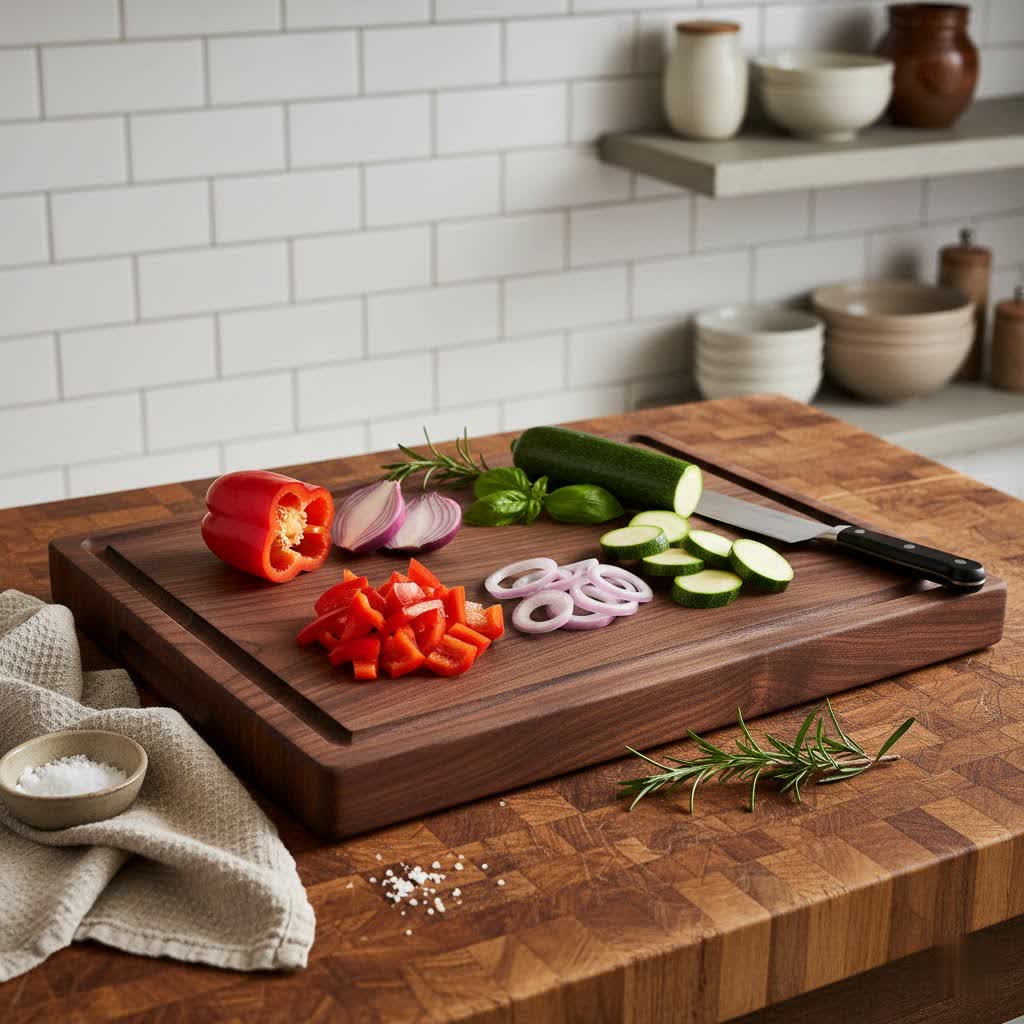
Bringing together friends, family, and delectable food is an age-old tradition, and at the heart of any memorable gathering often lies a beautifully presented spread of cheese and wine. While the cheeses and wines themselves are stars, the vessel they’re served upon—a wooden board—plays a crucial role in both aesthetics and functionality. More than just a serving surface, a well-chosen wooden board elevates the entire experience, creating a warm, inviting focal point that speaks of natural elegance and thoughtful hospitality. But with countless options available, how do you select the perfect wooden board that not only looks stunning but also serves your culinary creations flawlessly?
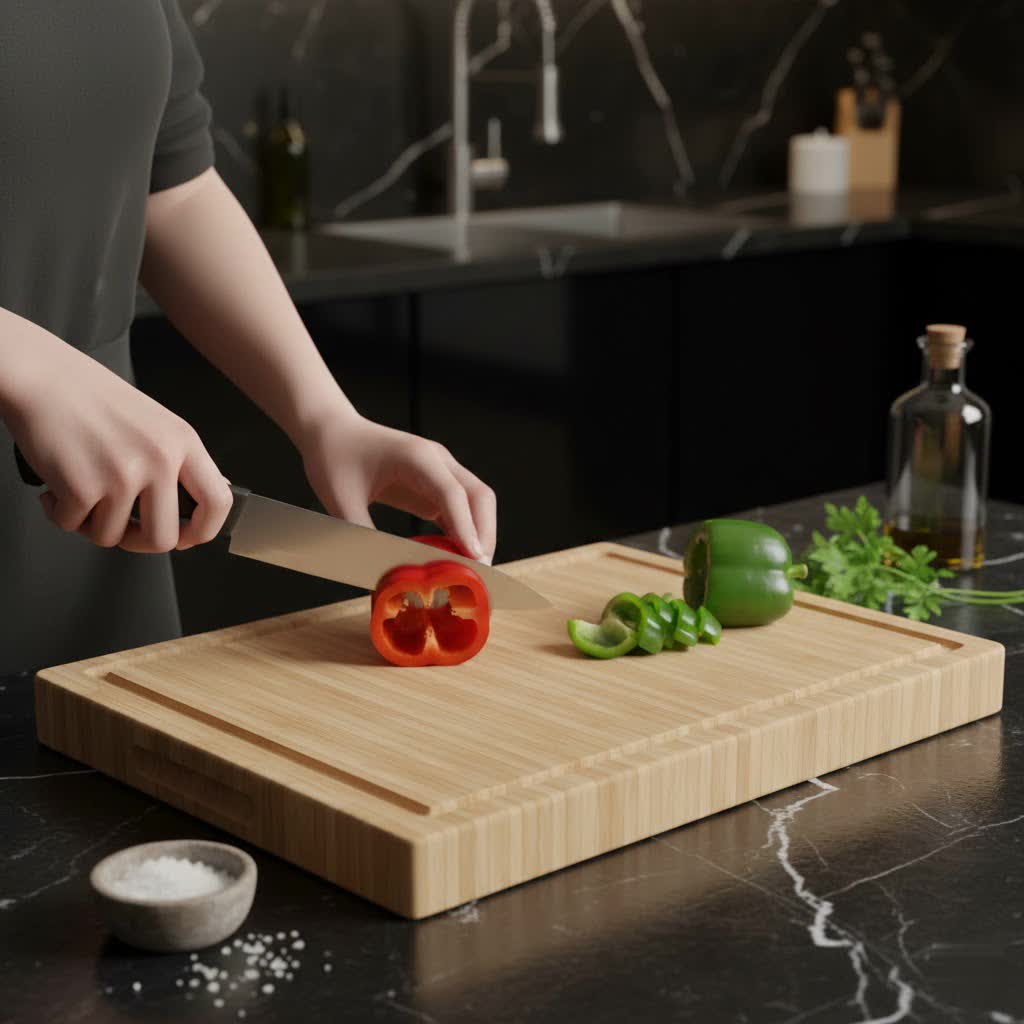
The journey to finding your ideal wooden cheese and wine board begins with understanding the rich world of wood, its unique characteristics, and the care it demands. From the sturdy grain of a classic maple to the exotic beauty of olivewood, each type offers distinct advantages, ensuring your board is as much a conversation starter as the delicacies it holds. This guide will navigate you through the best wooden boards for serving cheese and wine, offering insights into types, care, and selection, so you can host with confidence and style.
The Allure of Wooden Boards for Cheese and Wine
Wooden boards have long been cherished as the quintessential choice for presenting cheese and wine, embodying a rustic charm and timeless elegance that plastic or glass simply cannot replicate. These boards are not just utilitarian items; they are foundational elements that enhance the visual appeal and sensory experience of your culinary arrangements. Traditionally, wooden surfaces have been used for food preparation and serving for centuries, adapting to modern needs while retaining their classic appeal. Today, a wooden board for cheese and wine symbolizes warmth, craftsmanship, and a connection to natural elements, making it an indispensable item for entertainers and food enthusiasts alike.
Beyond their aesthetic contribution, wooden boards offer practical benefits. Their sturdy construction provides a stable foundation for an array of cheeses, cured meats, fruits, and crackers, while their natural properties can even contribute to the food’s presentation and enjoyment. The diverse range of wood types, from light to dark, with varying grain patterns, ensures there’s a board to complement any home decor or occasion, transforming a simple spread into an artistic display.
Advantages and Disadvantages of Wooden Serving Boards
Wooden serving boards are favored for their inviting aesthetics and practical benefits, yet they also come with certain considerations. Understanding both their strengths and weaknesses is key to making an informed choice for your cheese and wine presentations.
Advantages
Wooden boards bring a unique character and warmth to any table setting, creating an inviting atmosphere that enhances the dining experience. Their natural beauty, with rich textures and varied grain patterns, makes them inherently appealing.
- High Aesthetic Appeal: The organic textures and diverse color palettes of different woods, from light maple to deep walnut, offer a sophisticated backdrop for any spread. They create a cozy, rustic, or elegant feel, depending on the wood type and finish.
- Knife-Friendly Surface: Unlike harder surfaces like slate or marble, wood is gentler on your knives. It helps to maintain the sharpness of cheese knives and other utensils, preventing them from dulling quickly over time.
- Natural Appeal: There’s an undeniable charm in natural wood that synthetic materials can’t replicate. It adds an authentic, earthy touch to your presentation, appealing to those who appreciate natural materials in their home.
- Durability and Longevity: With proper care and maintenance, a high-quality wooden board can last for many years, even decades. Hardwoods, in particular, are known for their resilience and ability to withstand repeated use.
|
Our Picks for the Best Wooden cutting board in 2026
As an Amazon Associate I earn from qualifying purchases.
|
||
| Num | Product | Action |
|---|---|---|
| 1 | Greener Chef Luxury XL Bamboo Cutting Board Set of 3 with Vertical Grain Strength Technology - Extra Large Wood Cutting Boards for Kitchen and Lightweight Chopping Board Set - Replacements for Life |

|
| 2 | Keechee Bamboo Cutting Board, Durable Wood Cutting Boards for Kitchen with Deep Juice Grooves & Built-in Handles, Ideal Charcuterie & Chopping for Meat, Vegetables and Fruits Ideal Kitchen Gifts |
|
| 3 | Premium Cutting Board Set – Non-Toxic Carbonized Bamboo & Wooden Cutting Boards for Kitchen Meal Prep, Durable Butcher Block for Meat with Side Handles, Juice Groove, Charcuterie & Chopping (3 Pcs) |
|
| 4 | Allsum Bamboo Wood Cutting Board for Kitchen, 1" Thick Butcher Block, Cheese Charcuterie Board, with Side Handles and Juice Grooves, 16x11" |
|
| 5 | Extra Large Cutting Board, 17.6" Bamboo Cutting Boards for Kitchen with Juice Groove and Handles Kitchen Chopping Board for Meat Cheese board Heavy Duty Serving Tray, XL, Empune |
|
| 6 | Freshware Bamboo Cutting Board Set of 3, Wooden Cutting Boards for Kitchen, Knife Friendly Food Grade Chopping Board, Lightweight with Hanging Hole for Easy Storage |
|
| 7 | 3-Piece Set Bamboo Cutting Board for Kitchen - Crack-Resistant Wood Chopping Boards with Deep Juice Grooves, Pre-Oiled Butcher Block for Meat, Vegetables & Cheese, Carbonized |
|
| 8 | Bamboo Cutting Board for Kitchen, 18" Large Wood Charcuterie Cheese Board, Wooden Chopping Block with Side Handles and Juice Grooves |
|
| 9 | Astercook Deep-Carbonized Bamboo Cutting Boards for Kitchen with Wood Storage Stand, Reversible Charcuterie & Chopping Boards with Juice Grooves and Easy-Grip Handles, Knife-Friendly, Kitchen Gift |
|
| 10 | Kikcoin 17”×11” Bamboo Cutting Boards for Kitchen, Healthy Wooden Cutting Boards for Kitchen, Charcuterie, Vegetables, Cheese, Extra Large Chopping Boards with Deep Juice Groove and Handle, Natural |
|
Disadvantages
Despite their many advantages, wooden boards do require specific attention to maintain their beauty and hygiene.
- Requires Regular Cleaning and Maintenance: Wood is a natural material that needs consistent care. It’s more susceptible to absorbing odors and stains if not cleaned immediately, and requires regular oiling to prevent drying out and cracking.
- Prone to Staining and Odor Absorption: Certain foods, especially those with strong colors or intense aromas like red wine, berries, or pungent cheeses, can potentially stain or leave lingering odors on the board if not promptly wiped away.
- Higher Initial Cost: High-quality wooden boards, particularly those made from premium hardwoods, often have a higher upfront cost compared to their plastic or glass counterparts. This is an investment in durability and aesthetic value.
- Risk of Warping or Cracking: Without proper care, such as thorough drying and regular oiling, wooden boards can be susceptible to warping, cracking, or splitting due to changes in moisture and temperature. Avoiding soaking and dishwashers is crucial.
Popular Wood Types for Cheese and Wine Boards
The type of wood used significantly influences a serving board’s durability, appearance, and suitability for cheese and wine. Different woods offer unique properties that cater to various preferences and needs.
Hardwood Boards
Hardwoods are generally preferred for serving boards due to their density, durability, and often beautiful grain patterns. These characteristics make them ideal for resisting knife marks and moisture absorption.
- Examples: Walnut, Maple, Acacia, Cherry, Oak, Olivewood, Teak, and Hickory are among the best choices.
- Advantages: Hardwoods like walnut and maple offer exceptional durability, resisting scratches and dents from cheese knives. Their tight grain also helps to repel moisture and stains, making them more hygienic and easier to maintain. Acacia and olivewood provide unique, striking grain patterns that are highly prized for their aesthetic appeal. Cherry offers a beautiful reddish hue that deepens with age.
- Disadvantages: Hardwood boards often come with a higher price tag due to the quality and density of the wood. Some, like oak, can have a more open grain, making them less ideal unless properly sealed and maintained.
Bamboo Boards
Bamboo boards have emerged as a popular alternative, offering a blend of sustainability and functionality.
- Advantages: Bamboo is an environmentally friendly choice, as it’s a rapidly renewable resource. It’s also naturally dense, offering good resistance to moisture and knife marks. Many bamboo boards are also praised for their natural antimicrobial properties, contributing to food safety.
- Disadvantages: While dense, bamboo is technically a grass, not a wood. Its construction often involves gluing strips together, which can sometimes lead to delamination or splitting over time, especially if not properly cared for. The uniform grain might also lack the distinct character of traditional hardwoods for some users.
Other Options
While less common for dedicated cheese and wine boards, other wood types can be found, often as part of specialty or artisan designs. These include woods like Beech or Ash. When considering these, it’s important to evaluate their grain density and hardness to ensure they are suitable for food contact and can withstand the demands of serving.
Comparing Different Wooden Board Materials
Selecting the ideal wooden board involves weighing various factors, from its robustness to how it fits your budget and aesthetic preferences. The table below offers a detailed comparison of popular wood types used for serving cheese and wine.
| Feature | Hardwood (e.g., Walnut, Maple, Acacia, Olive) | Bamboo |
|---|---|---|
| Durability | Very high; resists scratches and dents well. | High; relatively hard and resilient. |
| Aesthetic Appeal | Excellent; rich, varied grain patterns and colors. Often develops a beautiful patina. | Good; clean, contemporary look with a consistent grain. |
| Moisture Resistance | High; tight grain minimizes absorption. | High; naturally resistant to water. |
| Knife-Friendliness | Excellent; gentle on knife edges. | Good; generally gentle on knives. |
| Maintenance | Requires regular oiling; hand wash only. | Requires oiling; hand wash only, avoid prolonged soaking. |
| Price | Generally higher. | Generally moderate. |
| Sustainability | Sourced from mature trees, can be sustainable with responsible forestry. | Highly sustainable; fast-growing grass. |
Choosing the Best Wooden Board for Your Needs (Buying Guide)
Selecting the perfect wooden board for serving cheese and wine is an investment in your entertaining experience. By considering a few key factors, you can find a board that is both beautiful and functional for years to come.
Determine Your Serving Style
Before diving into wood types, consider how you envision using your board. This will guide your choices in terms of size and specific features.
- Board Size: Match the board’s dimensions to your entertaining habits. For intimate gatherings, a smaller board (10-14 inches) might suffice. For larger parties or grand displays, opt for a medium (16-20 inches) or large (20+ inches) board that offers ample space for a diverse spread.
- Food Types: Think about the variety of foods you typically serve. If you frequently include juicy fruits or soft, crumbly cheeses, a board with a slightly raised edge or a channel can prevent liquids from spilling. Consider a board with removable marble or slate inserts for messier items, making cleanup easier and protecting the wood.
- Budget: Wooden boards vary widely in price. Establish a budget to narrow down your options, keeping in mind that a higher-quality board is a long-term investment.
Select the Right Wood
The type of wood dramatically impacts the board’s durability, appearance, and maintenance requirements. Hardwoods are generally recommended for their resilience and tight grain.
- Hardness and Grain: Prioritize hardwoods like maple, walnut, cherry, acacia, or olivewood. These woods boast a dense, closed grain structure that is highly resistant to knife marks, moisture absorption, and bacterial growth. Avoid porous woods like open-grained oak or softer woods like pine, which can absorb liquids and harbor bacteria more easily.
- Aesthetic Preference: Each wood type has a unique color and grain pattern. Walnut offers a rich, dark hue; maple is lighter with a fine grain; cherry boasts a reddish tone; and olivewood presents intricate, swirling patterns. Choose a wood that complements your kitchen decor and personal style.
- Sourcing and Safety: Ensure the wood is food-safe and, if possible, ethically sourced. Boards finished with food-grade mineral oil or beeswax are ideal, as these treatments protect the wood without introducing harmful chemicals.
Inspect Quality and Craftsmanship
A quality wooden board should feel solid and look impeccably finished. Take the time to examine these details.
- Surface and Edges: The board’s surface should be perfectly flat and smooth, free from any rough patches, splinters, or inconsistencies. Check for any visible cracks, knots, or imperfections that could compromise its integrity or cleanliness. The edges should be smoothly rounded or chamfered, not sharp, for safe handling.
- Stability: A good board should lie flat without wobbling. Test its stability on a countertop to ensure it provides a secure surface for your food.
- Finish: The finish should be uniform and smooth, indicating proper sanding and sealing. A well-finished board will resist stains better and be easier to clean.
Reputable Brands
Investing in a board from a trusted manufacturer often guarantees a higher standard of quality and customer service.
- User Reviews: Consult online reviews and testimonials from other users. Look for feedback on durability, ease of cleaning, and how the board stands up over time.
- Brand Reputation: Stick to brands known for their craftsmanship and use of food-safe materials. These companies often provide clear care instructions and stand behind their products.
Essential Care and Maintenance for Wooden Serving Boards
Proper care is paramount to extending the life and beauty of your wooden cheese and wine board. Neglecting it can lead to warping, cracking, and a dull appearance.
Proper Cleaning Techniques
Immediate and correct cleaning after each use is crucial to prevent staining and odor absorption.
- Hand Wash Immediately: After each use, promptly wash your board by hand using warm water and a mild dish soap. This prevents food residues from drying and odors from setting in.
- Gentle Scrubbing: Use a soft sponge or cloth to gently scrub the surface, removing any food particles. For stubborn spots, a plastic scraper can be helpful. Avoid abrasive scrubbers like steel wool, which can damage the wood’s finish.
- Sanitize and Deodorize: To sanitize and remove lingering odors, wipe the board down with a solution of one part white vinegar to four parts water. Alternatively, you can sprinkle coarse salt on the board, rub it with half a lemon, and then rinse.
- Thorough Drying: This is perhaps the most critical step. After washing, immediately towel-dry both sides of the board. Then, stand it on its edge in a well-ventilated area to allow it to air dry completely and evenly. This prevents moisture from accumulating, which is the primary cause of warping and cracking. Never place a wet board flat to dry.
Long-term Board Preservation
Beyond daily cleaning, wooden boards benefit from regular conditioning to keep them hydrated and protected.
- Regular Oiling: Apply a food-grade mineral oil, beeswax conditioner, or a blend of both every 3-4 weeks, or whenever the board appears dull and dry. Generously coat all surfaces, allow the oil to soak in for several hours (or even overnight), then wipe off any excess with a clean cloth. This moisturizes the wood, creates a protective barrier against moisture, and enhances its natural luster.
- Avoid Soaking: Never submerge your wooden board in water. Prolonged exposure to water can cause the wood to swell, leading to warping and cracking.
- No Dishwashers: The intense heat and harsh detergents in a dishwasher are detrimental to wooden boards, stripping them of their natural oils and causing irreversible damage like warping, cracking, and splitting. Always hand wash.
- Proper Storage: Store your board in a dry, cool, and well-ventilated area. Avoid enclosed spaces where moisture can build up. Storing it upright or on its edge, where air can circulate freely around both sides, is ideal.
Tips for Elevating Your Cheese and Wine Presentation
A well-chosen wooden board is only the beginning; how you arrange and present your cheese and wine significantly enhances the overall experience. Thoughtful styling can transform a simple snack into a lavish spread.
- Create Visual Balance: Arrange items with varying colors, textures, and shapes to create an appealing visual feast. Distribute cheeses, meats, fruits, nuts, and crackers evenly across the board, leaving a little breathing room for guests to easily pick up items.
- Utilize Small Bowls and Ramekins: For liquid items like honey, jams, olives, or pickles, use small decorative bowls or ramekins. This keeps the board clean, prevents staining, and adds another layer of visual interest and height variation.
- Incorporate Fresh Elements: Garnish your board with fresh herbs like rosemary or thyme, edible flowers, or small bunches of grapes. These natural additions add color, aroma, and a touch of sophistication.
- Consider Dedicated Utensils: Provide appropriate cheese knives for different cheese types (soft, hard, crumbly). Small tongs for meats or forks for olives can also improve hygiene and ease of serving.
- Stabilize Your Board: If your board tends to slide on smooth surfaces, place a non-slip mat or a damp cloth underneath it. This provides stability, preventing accidental spills or movements during serving.
- Warmth and Atmosphere: Pair your wooden board with ambient lighting, such as candles, to enhance the cozy and inviting atmosphere. The natural beauty of the wood shines under gentle illumination, setting the perfect mood for enjoying cheese and wine.
“A wooden board isn’t just a surface; it’s the canvas for your culinary artistry. Treat it with care, and it will tell a story for years to come.” – Elara Vance, Gourmet Food Stylist
Conclusion
Choosing the best wooden boards for serving cheese and wine is a thoughtful process that marries aesthetics with practicality. By understanding the unique characteristics of various wood types, prioritizing quality craftsmanship, and committing to proper care, you can select a board that not only enhances your culinary presentations but also becomes a cherished piece in your home. From the rich hues of walnut to the eco-friendly appeal of bamboo, each wooden board offers a distinct charm, promising to elevate every cheese and wine experience. A well-maintained wooden board isn’t just a tool; it’s an heirloom, ready to host countless celebrations and intimate moments.
What kind of stories will your perfect wooden board help you create?
Frequently Asked Questions
What type of wood is best for a cheese and wine board?
Hardwoods like maple, walnut, acacia, and olivewood are generally considered best due to their durability, tight grain structure that resists moisture and bacteria, and beautiful aesthetic qualities. These woods are also gentle on knives, ensuring your utensils stay sharp.
How often should I oil my wooden serving board?
You should oil your wooden serving board every 3-4 weeks, or whenever it starts to look dry and dull. Regular oiling with food-grade mineral oil or beeswax conditioner helps prevent the wood from drying out, cracking, and warping, and maintains its lustrous appearance.
Can I put my wooden cheese board in the dishwasher?
No, you should never put a wooden cheese board in the dishwasher. The extreme heat and harsh detergents can strip the wood of its natural oils, leading to warping, cracking, and irreparable damage. Always hand wash your wooden board with warm water and mild soap.
How do I remove stains or odors from my wooden board?
To remove stains or odors, you can create a paste with coarse salt and rub it with half a lemon, then rinse. Alternatively, wipe the board with a solution of one part white vinegar to four parts water. Always dry the board thoroughly immediately after treatment.
What size wooden board is ideal for entertaining?
The ideal size depends on the number of guests and the variety of items you plan to serve. For intimate gatherings (2-4 people), a 10-14 inch board is suitable. For larger parties (6+ people), a 16-20 inch board or even larger will provide ample space for a diverse and impressive spread.