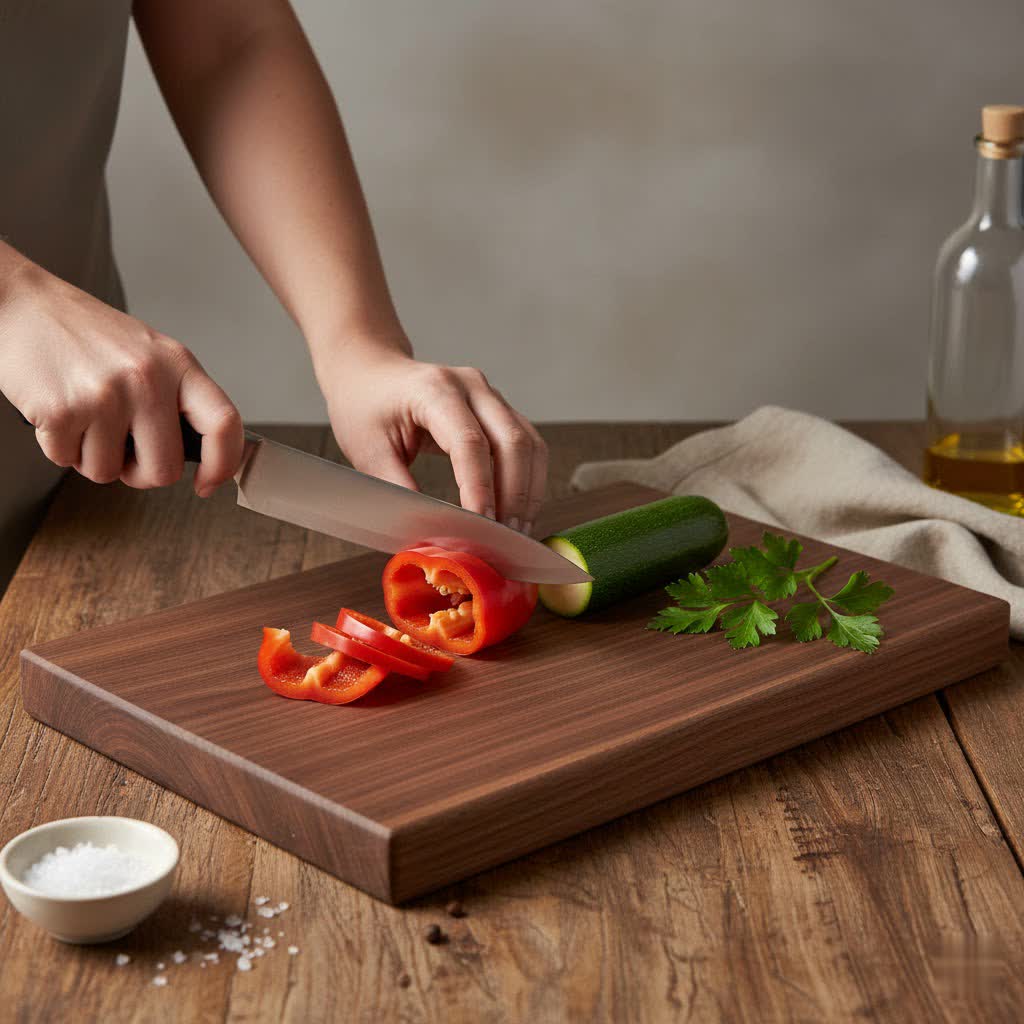
Stepping into a modern kitchen, you’re greeted by an array of cutting board materials. Among them, rubberwood has emerged as a compelling option, often praised for its eco-friendly origins and practical features. But is this versatile wood truly the best choice for your culinary needs? Understanding the nuances of rubberwood cutting boards can help you make an informed decision for your home or professional kitchen.
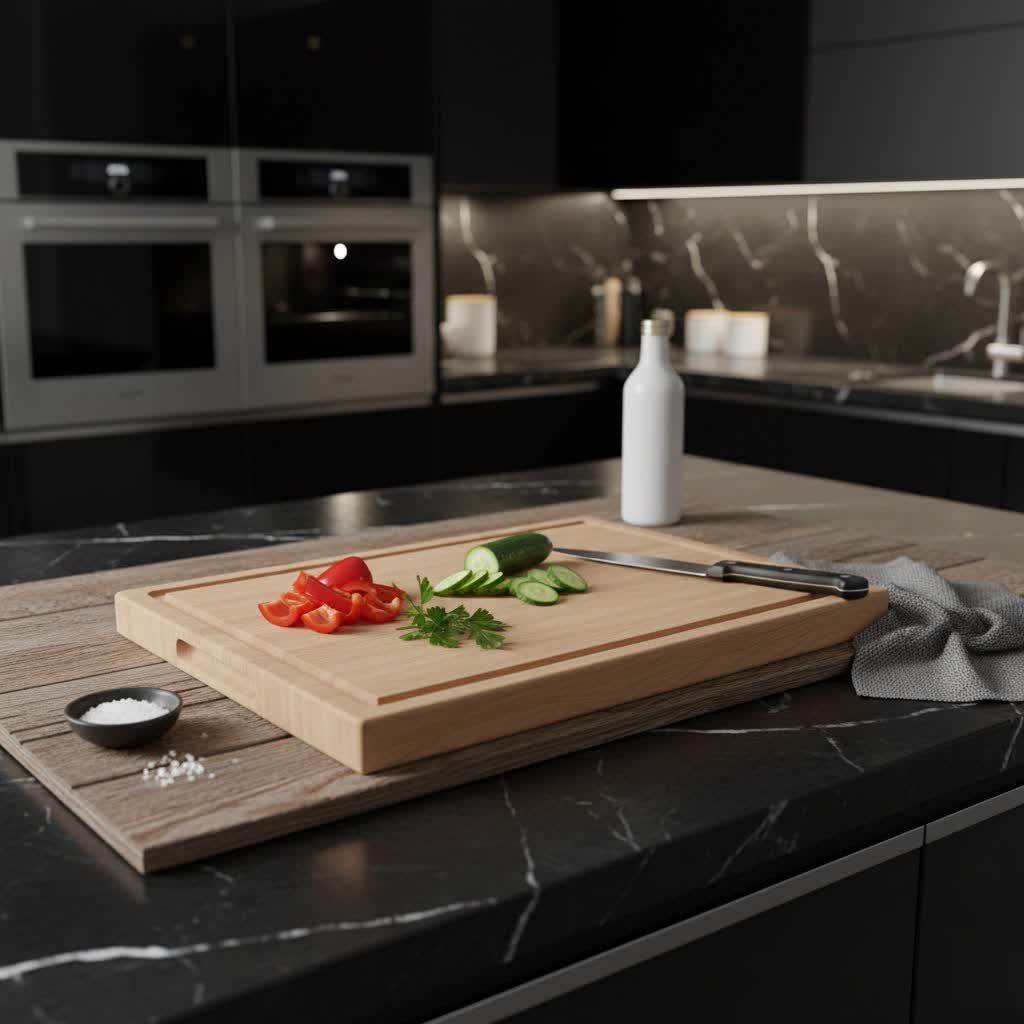
Understanding Rubberwood
Rubberwood, also known as plantation hardwood or parawood, originates from the Hevea brasiliensis tree, commonly known as the rubber tree. Unlike traditional hardwoods harvested solely for timber, rubberwood is a sustainable byproduct of the latex industry. After approximately 25 to 30 years of producing natural rubber, these trees complete their latex-producing cycle. Instead of being burned, the wood is harvested and repurposed, making it an incredibly eco-conscious material. This process gives a second life to trees that have already served a primary purpose, significantly reducing environmental impact.
Advantages of Rubberwood Cutting Boards
Rubberwood offers a unique combination of characteristics that make it an attractive material for cutting boards, balancing practicality with environmental responsibility.
Eco-Friendly Choice
|
Our Picks for the Best Wooden cutting board in 2026
As an Amazon Associate I earn from qualifying purchases.
|
||
| Num | Product | Action |
|---|---|---|
| 1 | Kikcoin 17”×11” Bamboo Cutting Boards for Kitchen, Healthy Wooden Cutting Boards for Kitchen, Charcuterie, Vegetables, Cheese, Extra Large Chopping Boards with Deep Juice Groove and Handle, Natural |

|
| 2 | Keechee Bamboo Cutting Board, Durable Wood Cutting Boards for Kitchen with Deep Juice Grooves & Built-in Handles, Ideal Charcuterie & Chopping for Meat, Vegetables and Fruits Ideal Kitchen Gifts |
|
| 3 | 3-Piece Set Bamboo Cutting Board for Kitchen - Crack-Resistant Wood Chopping Boards with Deep Juice Grooves, Pre-Oiled Butcher Block for Meat, Vegetables & Cheese, Carbonized |
|
| 4 | Extra Large Cutting Board, 17.6" Bamboo Cutting Boards for Kitchen with Juice Groove and Handles Kitchen Chopping Board for Meat Cheese board Heavy Duty Serving Tray, XL, Empune |
|
| 5 | Greener Chef Luxury XL Bamboo Cutting Board Set of 3 with Vertical Grain Strength Technology - Extra Large Wood Cutting Boards for Kitchen and Lightweight Chopping Board Set - Replacements for Life |
|
| 6 | Freshware Bamboo Cutting Board Set of 3, Wooden Cutting Boards for Kitchen, Knife Friendly Food Grade Chopping Board, Lightweight with Hanging Hole for Easy Storage |
|
| 7 | Allsum Bamboo Wood Cutting Board for Kitchen, 1" Thick Butcher Block, Cheese Charcuterie Board, with Side Handles and Juice Grooves, 16x11" |
|
| 8 | Bamboo Cutting Board for Kitchen, 18" Large Wood Charcuterie Cheese Board, Wooden Chopping Block with Side Handles and Juice Grooves |
|
| 9 | Premium Cutting Board Set – Non-Toxic Carbonized Bamboo & Wooden Cutting Boards for Kitchen Meal Prep, Durable Butcher Block for Meat with Side Handles, Juice Groove, Charcuterie & Chopping (3 Pcs) |
|
| 10 | Astercook Deep-Carbonized Bamboo Cutting Boards for Kitchen with Wood Storage Stand, Reversible Charcuterie & Chopping Boards with Juice Grooves and Easy-Grip Handles, Knife-Friendly, Kitchen Gift |
|
Rubberwood stands out as an exceptionally sustainable material. Its use in cutting boards supports the repurposing of plantation resources, diverting a material that was once considered waste into valuable products. This aspect resonates strongly with consumers prioritizing environmentally friendly kitchenware.
Knife-Friendly Surface
One of rubberwood’s most lauded benefits is its gentle impact on knife blades. With a Janka hardness rating typically ranging from 960 to 995 lbf, it sits in a “sweet spot”—hard enough to withstand chopping without immediate gouging, yet soft enough to absorb knife impacts. “Rubberwood’s medium density means it cushions the blade, helping maintain sharpness longer than harder woods or abrasive materials,” notes Chef Javier Roncero, a culinary expert. This fibrous structure allows knife edges to slide between the wood fibers, preserving the longevity and sharpness of your valuable kitchen cutlery.
Good Dimensional Stability
Rubberwood exhibits surprising dimensional stability, meaning it doesn’t shrink or swell as drastically with changes in humidity compared to some other domestic hardwoods. This stability is crucial in a dynamic kitchen environment, helping to prevent the cutting board from warping or cupping over time, ensuring a consistently flat and reliable surface for food preparation.
Affordability
Compared to premium hardwoods like hard maple or black walnut, rubberwood cutting boards are significantly more affordable. This makes them an excellent value proposition for home cooks or commercial establishments looking for a durable, functional cutting surface without a hefty price tag. You can often find thick, high-quality rubberwood boards for a fraction of the cost of their domestic hardwood counterparts.
Hygienic Properties
When properly treated and maintained, rubberwood’s tight grain structure makes it less prone to absorbing water and bacteria. This inherent resistance contributes to its hygienic properties, helping to prevent the growth of harmful microorganisms on the board’s surface.
Disadvantages and Considerations of Rubberwood Cutting Boards
While rubberwood boasts several compelling advantages, it also comes with certain considerations and drawbacks that prospective buyers should be aware of.
Moisture Sensitivity
Rubberwood is notably porous and can act like a “giant sponge” if left untreated or submerged in water. It absorbs moisture faster than denser hardwoods like maple, which can lead to rot, cracking, or the breakdown of glues used in its construction. Proper sealing and diligent maintenance are therefore critical to its longevity.
Susceptibility to Scratches
Despite its durability, rubberwood is not as hard as some premium cutting board woods such as maple or walnut. Consequently, it may be more susceptible to showing knife marks and scratches over prolonged heavy use. While superficial marks typically don’t affect functionality, they can impact the board’s aesthetic appearance over time.
Aesthetic Limitations
The grain pattern of rubberwood is often described as “fuzzy” or speckled, lacking the elegant, swirling patterns found in woods like cherry or the rich, deep tones of walnut. While it presents a clean, light-blonde-to-straw color that suits modern or utilitarian kitchen aesthetics, it may not serve as the luxurious centerpiece some high-end kitchens desire.
Chemical Treatment Concerns
Due to its high sugar content and tropical origin, raw rubberwood lumber is susceptible to fungus and insects. To mitigate this, the wood is typically treated with chemicals, such as boron, immediately after felling. For cutting board applications, it is crucial to ensure that the product is explicitly labeled “Food Grade” or “Food Safe,” indicating that the manufacturer has properly sealed the wood and utilized FDA-approved glues.
Potential Latex Allergies
Since rubberwood originates from a latex-producing tree, a concern for individuals with latex allergies occasionally arises. While the wood itself contains very little residual latex once kiln-dried and processed, individuals with extremely severe, life-threatening latex allergies might consider opting for alternatives like North American hard maple to ensure absolute safety.
Rubberwood vs. Other Popular Cutting Board Materials
When selecting a cutting board, comparing rubberwood to other common materials helps clarify its standing and suitability.
| Feature | Rubberwood | Hard Maple | Bamboo | Plastic |
|---|---|---|---|---|
| Durability | High | Very High | High | Low |
| Knife Friendliness | Excellent | Excellent | Poor (Dulls knives) | Good |
| Sustainability | Best (reclaimed resource) | Good (renewable) | Great (fast-growing grass) | Poor |
| Price | Low/Mid | High | Low | Very Low |
| Maintenance | Moderate | Moderate | Moderate | Low |
Hard Maple: Hard maple is often considered the “gold standard” for wooden cutting boards due to its superior hardness (Janka 1450 lbf), exceptional durability, and resistance to deep cuts. It maintains a clean cutting surface and is highly knife-friendly. However, maple is significantly more expensive than rubberwood and its slower growth rate makes it less eco-friendly in terms of resource turnover. “While rubberwood is a great budget-friendly option, for unmatched longevity and knife preservation in a high-volume kitchen, hard maple is often the top choice,” says Jorge Battle, a seasoned woodworker.
Bamboo: Bamboo cutting boards are popular for their affordability and rapid renewability. However, bamboo is technically a grass and is often held together with significant amounts of glue. Its high silica content can be abrasive, dulling knives more quickly than wood. Rubberwood is generally considered a better choice as it is a true hardwood and much kinder to cutlery.
Ensuring Food Safety with Rubberwood
The food safety of rubberwood cutting boards is a paramount concern for many. While the tree produces latex, the wood itself contains negligible amounts after kiln-drying and processing, posing minimal risk for most individuals. The critical factor lies in the treatment process. Because rubberwood’s high sugar content makes it prone to pests and fungi, it is typically treated with chemicals like boron. Therefore, always choose rubberwood cutting boards explicitly labeled “Food Grade” or “Food Safe.” This certification ensures that the wood has been properly sealed and constructed with FDA-approved glues, making it safe for food contact.
Essential Care and Maintenance for Rubberwood Cutting Boards
To unlock the full potential and longevity of your rubberwood cutting board, a consistent maintenance routine is essential.
Initial Seasoning
Upon acquiring a new rubberwood board, thorough seasoning is key. Apply a generous coat of food-grade mineral oil, allowing it to soak in for at least 20 minutes before wiping off any excess. Repeat this process until the wood no longer “drinks” the oil, creating a protective barrier against moisture.
Regular Cleaning
After each use, clean your rubberwood board with warm, soapy water. Avoid submerging or soaking the board for prolonged periods, as this can lead to moisture absorption, warping, or cracking. Use a soft brush or sponge to gently scrub the surface, then rinse quickly and dry immediately with a clean towel. Standing the board on its edge allows for even air drying.
Oiling and Conditioning
Because rubberwood is more porous, it benefits from more frequent oiling than some other hardwoods. Aim to oil your board monthly, or whenever it appears pale or feels dry to the touch. A blend of food-grade mineral oil and beeswax (a 3-to-1 ratio is often recommended) can create a robust physical barrier that helps repel water and prevent drying and cracking.
Resurfacing
If your board develops deep knife scars or an uneven surface over time, it can often be restored. Sanding with progressively finer grits (e.g., 80-grit, then 120-grit, followed by 220-grit) can smooth out imperfections. After sanding, thoroughly clean and re-oil the board to bring it back to a near-new condition.
Avoiding Dishwashers and Vegetable Oils
Never place a rubberwood (or any wooden) cutting board in a dishwasher. The extreme heat and prolonged moisture will cause it to warp, crack, or delaminate. Additionally, avoid using common cooking oils like olive, canola, or sunflower oil for seasoning. These organic oils can go rancid over time, imparting unpleasant odors and compromising the board’s hygiene. Always opt for food-grade mineral oil or specialized butcher block conditioners.
Choosing Your Rubberwood Cutting Board: Edge-Grain vs. End-Grain
The construction style of a wooden cutting board significantly influences its performance and durability.
- Edge-Grain: In edge-grain boards, the wood strips are laid flat, with the long grain facing up. These are generally more affordable and common. While suitable for light prep work, they tend to show knife marks more readily as the blade cuts across the wood fibers.
- End-Grain: End-grain cutting boards are considered the “pro” choice. Here, the wood fibers are oriented vertically, like a bundle of straws. When a knife strikes an end-grain board, the blade slides between the fibers rather than cutting through them, making it exceptionally kind to knives and more resistant to showing cuts. For rubberwood, an end-grain construction is highly recommended, as it leverages the wood’s inherent structure to compensate for its porosity by allowing oil to penetrate deeper and offering superior knife preservation and scar resistance.
Conclusion
Rubberwood cutting boards present a compelling blend of sustainability, affordability, and practical kitchen performance. They offer a knife-friendly surface that helps preserve your cutlery’s sharpness and boast good dimensional stability against warping. However, their moisture sensitivity and slightly softer surface demand diligent care, including regular oiling and avoiding harsh cleaning methods. Choosing a “Food Grade” certified rubberwood board is crucial for safety.
Ultimately, rubberwood is an excellent “workhorse” for everyday meal preparation, particularly if you prioritize an eco-friendly choice and value a more budget-conscious investment. It’s a smart wood that, with proper maintenance and respect, can serve your kitchen reliably for years. For heirloom quality or extreme heavy-duty professional use, premium hardwoods like maple might still hold a slight edge in sheer durability and aesthetic elegance. The choice is yours: are you ready to embrace the sustainable, practical charm of rubberwood in your kitchen?
Frequently Asked Questions
Does rubberwood smell like rubber?
No, once rubberwood is processed and dried, it has a neutral, often slightly sweet woody scent, not like synthetic rubber. Any initial scent on a new board is usually from packaging or conditioning oils.
Is rubberwood better than bamboo for cutting boards?
Many experts prefer rubberwood over bamboo. While bamboo is eco-friendly, it’s a grass, not wood, and typically relies on significant glue. Its high silica content can also dull knives faster than rubberwood, which is a true hardwood.
Can I use olive oil to season my rubberwood board?
No, you should never use cooking oils like olive, canola, or vegetable oil on any wooden cutting board. These oils are organic and will go rancid over time, leading to unpleasant odors and compromising the board’s hygiene. Always use food-grade mineral oil or specialized butcher block conditioners.
How often should I oil a rubberwood cutting board?
Due to its relatively more porous nature compared to denser hardwoods, it’s recommended to oil a rubberwood cutting board once a month if used daily. A good indicator is when the wood starts to look pale or feels dry to the touch, signaling it’s time for another coat.
Can rubberwood cutting boards handle raw meat?
Yes, rubberwood cutting boards can handle raw meat safely, provided they are properly seasoned with mineral oil and wax. This seasoning fills the wood’s pores, preventing meat juices from soaking in. After use, thoroughly sanitize the board with a mild bleach solution or white vinegar, wash it with soap, dry it immediately, and re-apply a light coat of oil for ongoing protection.
Is rubberwood considered a hardwood or softwood?
Rubberwood is classified as a hardwood. Despite its medium hardness compared to some other hardwoods like maple, its density and structure qualify it as a hardwood species.
How does rubberwood compare in weight to other cutting boards?
Rubberwood cutting boards typically fall into a light to medium weight range, making them generally lighter than dense maple or butcher block boards, but usually heavier than plastic. This can be an advantage for ease of handling in the kitchen.