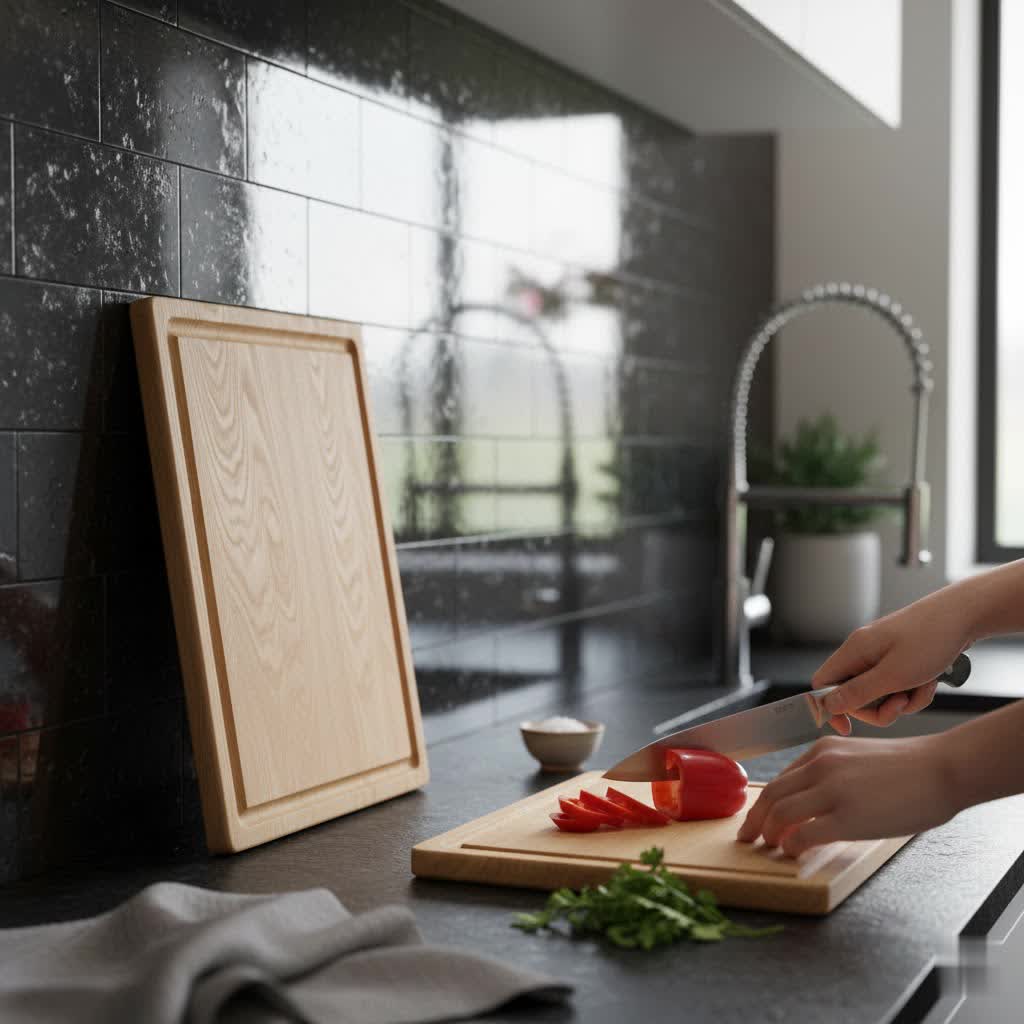
In any bustling kitchen, efficiency and hygiene are paramount. A cornerstone tool that addresses both these needs is the reversible cutting board. Imagine seamlessly transitioning from preparing raw meats to fresh vegetables without a pause, or the worry of cross-contamination. This innovative design offers two distinct surfaces, doubling its utility and revolutionizing your meal preparation. This guide will delve into the world of reversible cutting boards, exploring their types, benefits, and how to select the perfect one to elevate your culinary experience.
Understanding Reversible Cutting Boards
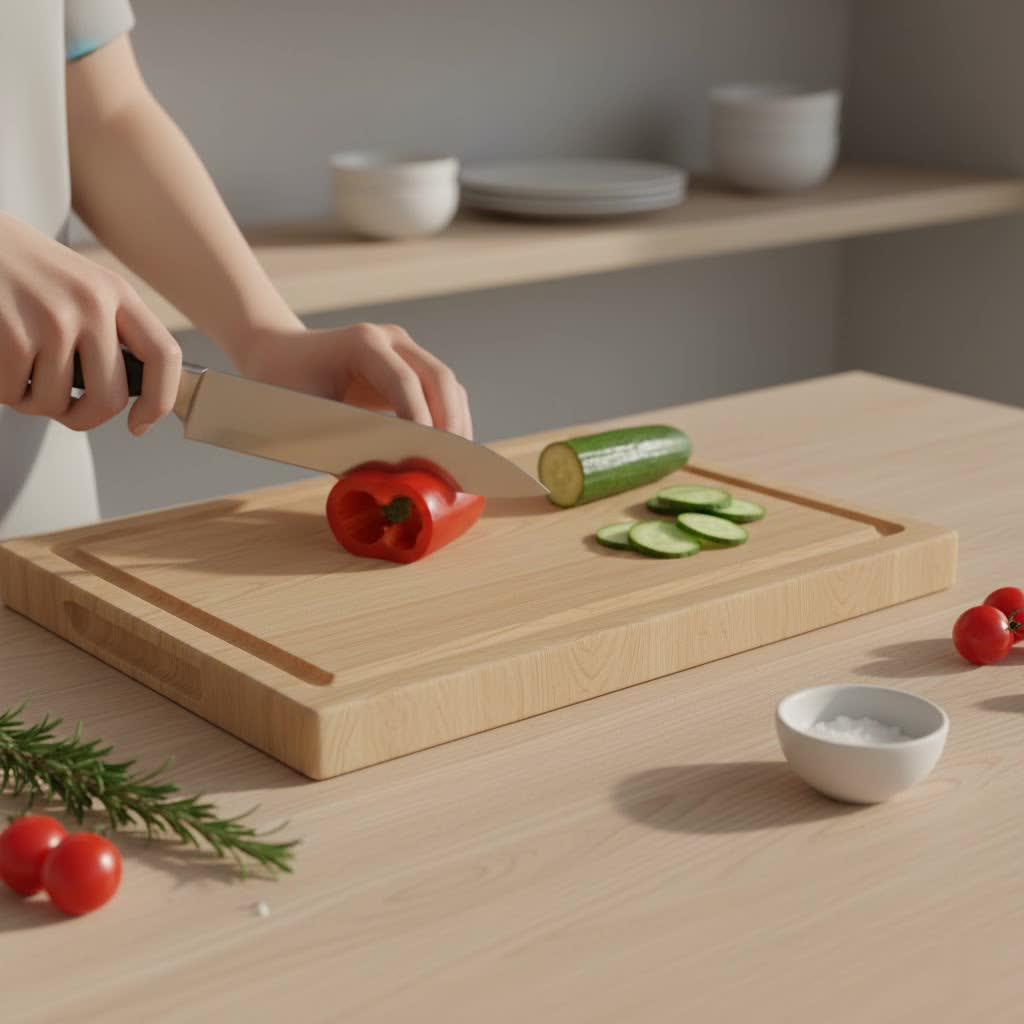
A reversible cutting board, by its very nature, features two functional surfaces, allowing you to utilize both sides for different food items. This simple yet effective design minimizes flavor transfer and simplifies cleanup, making it a valuable asset in both home and professional kitchens. The concept behind these boards is to maximize utility and prolong their lifespan by distributing wear and tear evenly across two surfaces.
Historically, cutting boards have been a fundamental kitchen tool, evolving from simple flattened stones or wood blocks to sophisticated, multi-material designs. The development of reversible boards is a testament to the ongoing quest for improved food safety and kitchen efficiency.
Various materials are commonly employed in the crafting of reversible cutting boards, each offering unique properties:
- Hardwoods: Maple, walnut, cherry, and teak are popular choices, known for their durability and knife-friendly surfaces.
- Softwoods: While less common for reversible boards due to their lower durability, some varieties like pine are used for lighter tasks.
- Bamboo: An eco-friendly and fast-growing option, bamboo offers natural antimicrobial properties and a distinctive grain.
- Plastic/Polypropylene: Lightweight, non-porous, and often dishwasher-safe, plastic boards are excellent for raw meats where high sanitation is critical.
- Wood Fiber Composite: These boards offer the aesthetic of wood with the low maintenance of plastic, being heat-resistant and non-porous.
- Hybrid Designs: Some modern innovations feature a combination of materials, such as one side with non-porous titanium for raw proteins and the other with wood for vegetables.
Advantages and Disadvantages of Reversible Cutting Boards
Reversible cutting boards offer a compelling blend of functionality and design, yet like any kitchen tool, they come with their own set of pros and cons.
Advantages
- Aesthetic Appeal: Many reversible boards, especially those crafted from natural wood, bring a warm, inviting feel to the kitchen. Their rich grain and robust presence can transform a utilitarian item into a decorative statement piece.
- Knife-Friendly Surface: Wooden cutting boards are renowned for being gentle on knife blades, helping to maintain their sharpness longer than harder surfaces like glass or ceramic. The wood fibers yield to the blade, reducing dulling.
- Natural Antimicrobial Properties: Certain woods, such as maple and acacia, possess natural antimicrobial qualities that can help inhibit bacterial growth, making them a hygienic choice for food preparation.
- Enhanced Food Safety: The primary benefit of a reversible design is the ability to dedicate one side for raw meats, poultry, or fish, and the other for fresh produce, cooked foods, or bread. This crucial separation significantly reduces the risk of cross-contamination, a key concern in any kitchen.
- Durability and Longevity: By utilizing both surfaces, wear and tear are distributed, effectively doubling the usable life of the board. With proper care, a high-quality reversible board can last for many years, proving to be a wise investment.
- Space-Saving: One reversible board can perform the job of two single-sided boards, making it an ideal solution for smaller kitchens or those seeking to minimize clutter.
|
Our Picks for the Best Wooden cutting board in 2026
As an Amazon Associate I earn from qualifying purchases.
|
||
| Num | Product | Action |
|---|---|---|
| 1 | Greener Chef Luxury XL Bamboo Cutting Board Set of 3 with Vertical Grain Strength Technology - Extra Large Wood Cutting Boards for Kitchen and Lightweight Chopping Board Set - Replacements for Life |

|
| 2 | Allsum Bamboo Wood Cutting Board for Kitchen, 1" Thick Butcher Block, Cheese Charcuterie Board, with Side Handles and Juice Grooves, 16x11" |
|
| 3 | Freshware Bamboo Cutting Board Set of 3, Wooden Cutting Boards for Kitchen, Knife Friendly Food Grade Chopping Board, Lightweight with Hanging Hole for Easy Storage |
|
| 4 | Kikcoin 17”×11” Bamboo Cutting Boards for Kitchen, Healthy Wooden Cutting Boards for Kitchen, Charcuterie, Vegetables, Cheese, Extra Large Chopping Boards with Deep Juice Groove and Handle, Natural |
|
| 5 | Bamboo Cutting Board for Kitchen, 18" Large Wood Charcuterie Cheese Board, Wooden Chopping Block with Side Handles and Juice Grooves |
|
| 6 | Keechee Bamboo Cutting Board, Durable Wood Cutting Boards for Kitchen with Deep Juice Grooves & Built-in Handles, Ideal Charcuterie & Chopping for Meat, Vegetables and Fruits Ideal Kitchen Gifts |
|
| 7 | 3-Piece Set Bamboo Cutting Board for Kitchen - Crack-Resistant Wood Chopping Boards with Deep Juice Grooves, Pre-Oiled Butcher Block for Meat, Vegetables & Cheese, Carbonized |
|
| 8 | Premium Cutting Board Set – Non-Toxic Carbonized Bamboo & Wooden Cutting Boards for Kitchen Meal Prep, Durable Butcher Block for Meat with Side Handles, Juice Groove, Charcuterie & Chopping (3 Pcs) |
|
| 9 | Astercook Deep-Carbonized Bamboo Cutting Boards for Kitchen with Wood Storage Stand, Reversible Charcuterie & Chopping Boards with Juice Grooves and Easy-Grip Handles, Knife-Friendly, Kitchen Gift |
|
| 10 | Extra Large Cutting Board, 17.6" Bamboo Cutting Boards for Kitchen with Juice Groove and Handles Kitchen Chopping Board for Meat Cheese board Heavy Duty Serving Tray, XL, Empune |
|
Disadvantages
- Maintenance Requirements: Wooden reversible boards, particularly, demand more attention than their plastic counterparts. They require regular oiling to prevent drying, cracking, and warping, and are generally not dishwasher-safe.
- Potential for Staining and Odor Absorption: Porous materials like wood can absorb strong odors from ingredients like garlic or onion, and may stain from colorful foods such as beets or berries if not cleaned promptly.
- Higher Upfront Cost: High-quality wooden or hybrid reversible cutting boards often have a higher initial price point compared to basic plastic boards. However, their extended lifespan can offset this cost over time.
- Weight and Portability: Some larger, thicker wooden reversible boards can be quite heavy, making them more challenging to move, clean in the sink, or store.
- Vulnerability to Damage: While durable, wood can still be susceptible to warping, cracking, or splitting if exposed to excessive moisture, extreme temperature changes, or improper care. Deep knife marks can also accumulate over time, potentially harboring bacteria if not regularly cleaned and maintained.
Popular Types of Reversible Cutting Boards
The market offers a diverse range of reversible cutting boards, each with distinct characteristics that cater to various culinary needs and preferences.
Hardwood Cutting Boards
Hardwoods like walnut, maple, and teak are highly prized for their density, durability, and stunning aesthetic.
- Examples: John Boos boards (often made from maple or walnut), Ironwood Gourmet Acacia boards, Sage & Ember Teak boards.
- Advantages: Extremely durable, gentle on knife edges, possess natural antimicrobial properties, and develop a beautiful patina over time. Many high-end models feature end-grain construction, which is even more forgiving on knives and more resistant to scarring. Some come with juice grooves on one side for carving meats.
- Disadvantages: Typically higher in price, heavier, and require consistent maintenance (oiling) to prevent drying and cracking. Not dishwasher-safe.
Softwood Cutting Boards
While less common for high-performance reversible boards, softwoods like pine or cedar might be found in more rustic or decorative options.
- Examples: Generally not recommended for heavy-duty food prep.
- Advantages: Lighter weight, more affordable.
- Disadvantages: Much less durable, prone to deep knife marks, easily stain, and can harbor bacteria due to their softer nature.
Bamboo Cutting Boards
Bamboo boards are a popular, eco-friendly alternative to traditional wood.
- Examples: Totally Bamboo Reversible Bamboo Cutting Board.
- Advantages: Sustainable, lightweight, and often more affordable than hardwoods. Bamboo has natural antibacterial properties and resists water absorption well.
- Disadvantages: Can be harder on knife edges than traditional wood over time. Some bamboo boards are made with adhesives that can degrade, leading to delamination or splitting. Requires regular oiling, similar to wood.
Wood Fiber Composite Cutting Boards
These innovative boards combine compressed wood or paper fibers with resin, offering a unique blend of wood and plastic properties.
- Examples: Epicurean Reversible Cutting Boards.
- Advantages: Lightweight, thin profile, non-porous (resists stains and odors), often dishwasher-safe, and heat-resistant (can double as a trivet). Provides a knife-friendly surface similar to wood without the high maintenance.
- Disadvantages: Can be harder on knives than true end-grain wood over time. May show cosmetic scratches.
Plastic/Polypropylene Cutting Boards
Modern plastic boards are engineered for maximum hygiene and convenience.
- Examples: OXO Good Grips Reversible Carving Board, Farberware Reversible Plastic Cutting Board Set.
- Advantages: Non-porous, highly resistant to bacteria, dishwasher-safe, lightweight, and often feature non-slip edges. Some designs include deep juice grooves on one side specifically for carving meats. Often come in color-coded sets to further prevent cross-contamination.
- Disadvantages: Can dull knife edges faster than wood. Prone to deep scratches and gouges over time, which can harbor bacteria if not replaced. Some studies suggest plastic boards can release microplastics into food.
Comparison Table: Reversible Cutting Board Materials
| Feature | Hardwood (Maple, Walnut, Teak) | Bamboo | Wood Fiber Composite (Epicurean) | Plastic (Polypropylene) | Hybrid (Titanium/Wood) |
|---|---|---|---|---|---|
| Durability | Excellent (with care) | Good | Excellent | Good (replace when scarred) | Excellent |
| Knife Friendliness | Excellent | Good | Good | Fair (can dull knives) | Excellent (wood side), Fair (titanium) |
| Hygiene | Good (natural antimicrobial) | Good (natural antimicrobial) | Excellent (non-porous) | Excellent (non-porous, dishwasher-safe) | Excellent (titanium side) |
| Maintenance | High (oiling, hand-wash) | Medium (oiling, hand-wash) | Low (dishwasher-safe) | Low (dishwasher-safe) | Medium (wood side oiling) |
| Aesthetics | High | High | Modern | Functional | Modern/Hybrid |
| Cost | High | Medium | Medium | Low to Medium | High |
| Juice Grooves | Common on one side | Less common | Some models | Common on one side | Less common |
| Weight | Heavy | Medium | Light | Light | Medium to Heavy |
| Sustainability | Good (if sustainably sourced) | Excellent (fast-growing) | Good (recycled materials) | Poor (microplastic concern) | Good (if wood is sustainable) |
Buying Guide: How to Choose the Best Reversible Cutting Board
Selecting the perfect reversible cutting board involves a thoughtful consideration of your culinary habits, kitchen space, and personal preferences.
Determine Your Usage Needs
- Size: Consider your counter space and the volume of food you typically prepare. A larger board (e.g., 21-inch width) offers ample room for prepping multiple ingredients, while a compact option suits smaller kitchens or apartments.
- Food Type: If you frequently carve large roasts or juicy fruits, a board with a deep juice groove on one side is invaluable for mess-free prep. For general chopping of vegetables and bread, a flat surface is usually preferred.
- Budget: Determine how much you are willing to invest. While premium wood boards have a higher upfront cost, their longevity can offer better value in the long run.
Choose the Right Material
Each material has unique characteristics affecting performance and maintenance:
- Hardwood (Maple, Walnut, Teak): Ideal for those who prioritize knife care, durability, and aesthetic appeal. Excellent for heavy-duty chopping and can double as a beautiful serving platter. Requires regular oiling and hand-washing.
- Bamboo: A sustainable and often more affordable option with good durability and natural antibacterial properties. Best for everyday chopping, but may be slightly harder on knives than maple.
- Wood Fiber Composite (Epicurean): A great compromise if you want the look of wood with the ease of plastic. It’s lightweight, non-porous, and typically dishwasher-safe, making it suitable for busy kitchens.
- Plastic (Polypropylene): The most hygienic choice for raw meats, especially if you prefer dishwasher cleaning. Look for BPA-free, non-porous options that resist deep scratches. Be mindful of potential knife dulling and microplastic concerns.
- Hybrid (e.g., Titanium/Wood): Offers the best of both worlds – a hygienic, non-porous side for raw proteins and a knife-friendly wood side for other tasks. A high-end choice for optimal food safety and versatility.
Inspect the Board Quality
- Surface: The board’s surface should be perfectly flat and smooth, free from any cracks, splinters, or rough patches.
- Edges: Check that the edges are smoothly finished or slightly rounded to prevent injury during handling and to prolong the board’s life.
- Stability: A good cutting board should feel solid and stable on your countertop. Some boards incorporate non-slip feet or a silicone trim for added grip.
- Construction: For wooden boards, look for solid, well-joined pieces. End-grain construction is often preferred for durability and knife-friendliness. Ensure any adhesives used are food-safe.
Consider Reputable Brands
Researching brands known for quality and craftsmanship can ensure you invest in a reliable product. Brands like John Boos, OXO Good Grips, Epicurean, Totally Bamboo, Ironwood Gourmet, and Sage & Ember are often recommended for their performance and durability. Reading user reviews can provide valuable insights into real-world performance and longevity.
How to Clean and Maintain Reversible Cutting Boards
Proper care is essential to ensure the longevity, hygiene, and optimal performance of your reversible cutting board.
Proper Cleaning Techniques
- After Each Use: Always wash your cutting board immediately after use with warm water and mild dish soap.
- Scrubbing: Use a soft brush or sponge to remove any food particles or juices. Avoid abrasive scrubbers that can damage the surface.
- Disinfection (for wood): For a natural disinfectant, occasionally wipe wooden boards with a solution of white vinegar (1 part vinegar to 4 parts water) or rub with half a lemon and salt. Rinse thoroughly afterward.
- Drying: This is crucial. After washing, thoroughly dry the board with a clean towel and then allow it to air dry completely, standing on its side if possible, before storing. Never leave a wooden board soaking in water.
- Dishwasher Safety: Most wooden and bamboo boards are not dishwasher-safe. High heat and prolonged exposure to water in a dishwasher can cause them to warp, crack, or split. Many plastic and wood fiber composite boards, however, are dishwasher-safe. Always check the manufacturer’s instructions.
Proper Storage and Conditioning
- Oiling (for wood and bamboo): To prevent wooden and bamboo boards from drying out, cracking, and warping, apply a food-grade mineral oil (or a beeswax/mineral oil blend) regularly. This should be done monthly for frequently used boards, or whenever the wood appears dry. Apply generously, let it soak in for several hours (or overnight), then wipe off any excess.
- Avoid Soaking: Never submerge wooden cutting boards in water for extended periods.
- Avoid Extreme Temperatures: Do not expose wooden boards to extreme heat or cold (e.g., placing them in a hot oven or refrigerator, or washing with very hot water followed by cold rinsing), as this can cause warping or cracking.
- Storage Location: Store boards in a dry, well-ventilated area, preferably standing upright to allow for even airflow on all sides. Avoid storing them flat on a wet surface or directly next to a heat source.
Tips for Using Reversible Cutting Boards
Maximizing the utility and safety of your reversible cutting board involves adopting a few smart habits in the kitchen.
- Designate Sides: To prevent cross-contamination effectively, always dedicate one side of your board for raw meats, poultry, and fish, and the other side for fruits, vegetables, and cooked foods. Some reversible boards are designed with a juice groove on one side, making that the ideal “meat” side.
- Stabilize Your Board: A slippery cutting board is a dangerous one. Place a damp paper towel or a thin silicone mat underneath your board to prevent it from sliding on the countertop during use.
- Gentle Chopping: While cutting boards are designed for durability, avoid excessive force or chopping with the full weight of your body, especially on wooden boards, as this can cause deep gouges or damage.
- Rotate Usage: If both sides of your board are identical, make a conscious effort to alternate usage between the two sides. This helps distribute wear evenly and can extend the board’s overall lifespan.
- Consider Replacement: Even the most durable cutting boards will eventually show significant wear, deep knife marks, or become difficult to clean. For hygiene reasons, it is generally recommended to replace heavily scarred plastic boards regularly (e.g., every 1-2 years) and wooden boards when they show irreparable damage or signs of bacterial growth despite cleaning.
Conclusion
Reversible cutting boards are an undeniable asset in any kitchen, offering a practical, hygienic, and often aesthetically pleasing solution for diverse food preparation needs. By providing two distinct surfaces, they not only enhance food safety by preventing cross-contamination but also extend the life of the board and conserve valuable kitchen space. Whether you opt for the classic elegance of hardwood, the eco-conscious appeal of bamboo, the modern convenience of composite, or the practicality of plastic, choosing a high-quality reversible board is a smart investment for a cleaner, more efficient culinary journey.
What kind of culinary adventures will you embark on with your perfect reversible cutting board?
Frequently Asked Questions
Why should I use a reversible cutting board?
A reversible cutting board offers two usable surfaces, allowing you to designate one side for raw meats and the other for vegetables or cooked foods. This significantly reduces the risk of cross-contamination, enhances food safety, and helps keep your kitchen organized. It also doubles the lifespan of the board by distributing wear.
Is wood or plastic better for a reversible cutting board?
Both materials have advantages. Wood is generally more knife-friendly and can possess natural antimicrobial properties, making it excellent for general prep and presentation. Plastic is typically non-porous, dishwasher-safe, and highly hygienic for raw proteins. The “best” choice depends on your priorities for knife care, cleaning convenience, and sustainability.
How do I prevent my wooden reversible cutting board from warping?
To prevent warping, never soak your wooden board in water, avoid placing it in a dishwasher, and ensure it dries thoroughly and evenly after washing. Store it upright to allow air circulation on all sides. Regularly oiling your board with food-grade mineral oil also helps maintain its moisture balance and prevents cracking.
Can I use the same reversible cutting board for raw chicken and vegetables if I wash it in between?
While thorough washing between uses reduces risk, it is highly recommended to dedicate separate sides (or even separate boards) for raw meat and fresh produce to ensure maximum food safety. The reversible design specifically enables this separation, minimizing any potential for bacteria transfer, even after washing.
How often should I oil my wooden reversible cutting board?
The frequency depends on how often you use and wash the board. As a general rule, oil your wooden reversible cutting board monthly. If it appears dry or dull, or if water is no longer beading on the surface, it’s a good indication that it needs oiling sooner.