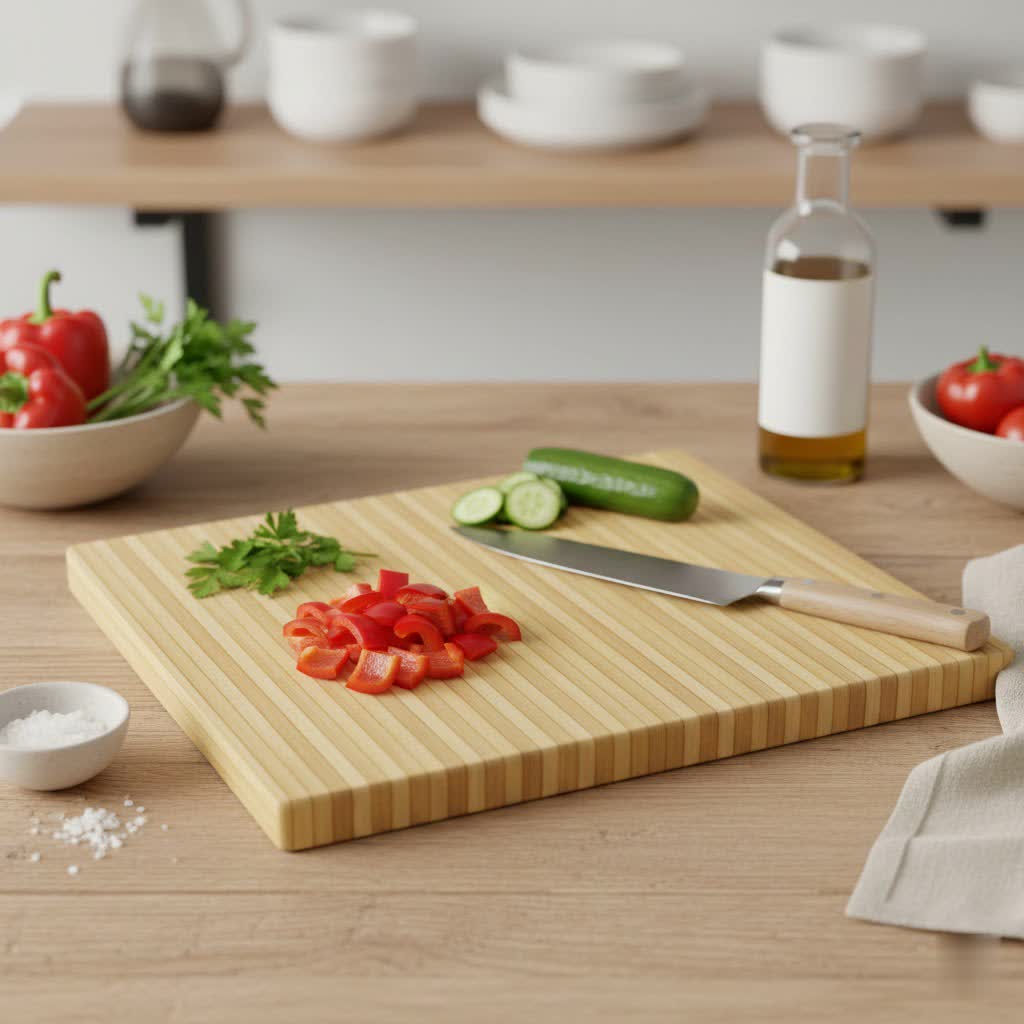
Are you searching for a cutting board that combines natural elegance with exceptional performance in your kitchen? The right cutting board can transform your meal prep, protecting your countertops and preserving your knives. While countless options exist, the Empune Bamboo Cutting Board stands out as a thoughtful choice for home chefs seeking durability, sustainability, and aesthetic appeal. This comprehensive guide will delve into the world of bamboo cutting boards, highlight the unique features of Empune products, and equip you with the knowledge to make an informed decision and care for your board for years to come.
The Evolution of Kitchen Work Surfaces: A Wooden Cutting Board Overview
For centuries, wooden cutting boards have been indispensable tools in kitchens worldwide. Far more than just a surface for chopping, these boards have shaped culinary traditions, providing a stable and sanitary platform for preparing ingredients. Early cutting boards were often simple slabs of wood, but over time, their design and materials have evolved, reflecting advancements in woodworking and a deeper understanding of hygiene.
Today, wooden cutting boards encompass a wide range of materials, each with its own characteristics. Traditional hardwoods like maple, walnut, and cherry are prized for their density and resilience. Softer woods, such as pine, offer a more budget-friendly option, though they may show wear more quickly. In recent decades, bamboo has emerged as a highly popular alternative, bridging the gap between traditional wood and modern eco-consciousness. While botanically a grass, bamboo’s strength and unique growth cycle lend it properties often compared to hardwood, making it a sustainable and practical choice for modern kitchens.
Why Choose a Bamboo Cutting Board? Advantages and Disadvantages
Bamboo cutting boards offer a compelling blend of benefits that make them a favorite among home cooks and professional chefs alike. However, like any kitchen tool, they also come with certain considerations. Understanding both the upsides and downsides is key to determining if a bamboo board is right for you.
Advantages
- Eco-Friendly and Sustainable: Bamboo is an incredibly fast-growing, renewable resource, often maturing in just 3-5 years. Unlike trees, it doesn’t require replanting after harvesting, making it a highly sustainable choice that minimizes environmental impact compared to slow-growing hardwoods or petroleum-based plastics.
- Durability and Hardness: Despite being a grass, bamboo boasts a hard and dense texture, offering excellent durability for daily use. This inherent strength helps bamboo boards resist knife marks and general wear over time, providing a reliable surface for all your chopping needs.
- Knife-Friendly Surface: Many users find bamboo to be gentle on knife blades, helping to maintain their sharpness longer than materials like glass or hard plastic. Its resilient surface provides enough give to prevent excessive dulling, yet is firm enough for precise cuts.
- Moisture Resistance and Hygiene: Bamboo is naturally less porous than many traditional woods, giving it superior water resistance. This characteristic makes it less prone to absorbing liquids, reducing the likelihood of warping, cracking, and limiting the absorption of food juices, which can contribute to better hygiene, especially when preparing meats.
- Lightweight and Versatile: Often lighter than comparable hardwood boards, bamboo cutting boards are easier to handle, move, and store. Their attractive, natural aesthetic also means they can effortlessly double as elegant serving platters for appetizers, cheese boards, or charcuterie.
- Aesthetic Appeal and Affordability: With its distinctive grain and warm, natural golden finish, a bamboo cutting board adds a touch of organic elegance to any kitchen. Moreover, they are generally more affordable than premium hardwood boards, offering excellent value for a durable and stylish product.
|
Our Picks for the Best Wooden cutting board in 2026
As an Amazon Associate I earn from qualifying purchases.
|
||
| Num | Product | Action |
|---|---|---|
| 1 | Kikcoin 17”×11” Bamboo Cutting Boards for Kitchen, Healthy Wooden Cutting Boards for Kitchen, Charcuterie, Vegetables, Cheese, Extra Large Chopping Boards with Deep Juice Groove and Handle, Natural |

|
| 2 | Extra Large Cutting Board, 17.6" Bamboo Cutting Boards for Kitchen with Juice Groove and Handles Kitchen Chopping Board for Meat Cheese board Heavy Duty Serving Tray, XL, Empune |
|
| 3 | Greener Chef Luxury XL Bamboo Cutting Board Set of 3 with Vertical Grain Strength Technology - Extra Large Wood Cutting Boards for Kitchen and Lightweight Chopping Board Set - Replacements for Life |
|
| 4 | Premium Cutting Board Set – Non-Toxic Carbonized Bamboo & Wooden Cutting Boards for Kitchen Meal Prep, Durable Butcher Block for Meat with Side Handles, Juice Groove, Charcuterie & Chopping (3 Pcs) |
|
| 5 | 3-Piece Set Bamboo Cutting Board for Kitchen - Crack-Resistant Wood Chopping Boards with Deep Juice Grooves, Pre-Oiled Butcher Block for Meat, Vegetables & Cheese, Carbonized |
|
| 6 | Freshware Bamboo Cutting Board Set of 3, Wooden Cutting Boards for Kitchen, Knife Friendly Food Grade Chopping Board, Lightweight with Hanging Hole for Easy Storage |
|
| 7 | Astercook Deep-Carbonized Bamboo Cutting Boards for Kitchen with Wood Storage Stand, Reversible Charcuterie & Chopping Boards with Juice Grooves and Easy-Grip Handles, Knife-Friendly, Kitchen Gift |
|
| 8 | Allsum Bamboo Wood Cutting Board for Kitchen, 1" Thick Butcher Block, Cheese Charcuterie Board, with Side Handles and Juice Grooves, 16x11" |
|
| 9 | Bamboo Cutting Board for Kitchen, 18" Large Wood Charcuterie Cheese Board, Wooden Chopping Block with Side Handles and Juice Grooves |
|
| 10 | Keechee Bamboo Cutting Board, Durable Wood Cutting Boards for Kitchen with Deep Juice Grooves & Built-in Handles, Ideal Charcuterie & Chopping for Meat, Vegetables and Fruits Ideal Kitchen Gifts |
|
Disadvantages
- Potential for Knife Dullness: While generally considered knife-friendly, some softer hardwoods like maple may be even gentler on knife edges in the very long term. The natural silica content in bamboo, while contributing to its hardness, can potentially dull knives slightly faster than these softer, more forgiving wood types.
- Not Dishwasher Safe: A significant drawback for many, bamboo cutting boards are unequivocally not suitable for dishwashers. The high heat and prolonged exposure to water in a dishwasher can cause bamboo to warp, crack, or delaminate.
- Maintenance Requirements: To ensure longevity and maintain its best appearance, a bamboo cutting board requires regular hand washing and periodic oiling. This level of care can be more involved than simply tossing a plastic board into the dishwasher.
- Risk of Warping or Cracking: While moisture-resistant, bamboo boards are still susceptible to warping or cracking if exposed to excessive moisture for too long (e.g., soaking in the sink) or if not dried properly after washing.
- Quality Variation: The quality of bamboo cutting boards can vary, particularly regarding the adhesives used to laminate the bamboo strips. Lower-quality boards might use glues that are not food-safe or that can degrade over time, leading to delamination. Always choose reputable brands that prioritize food-safe construction.
Diving Deeper: The Empune Bamboo Cutting Board
Empune has carved a reputation for crafting premium kitchen tools, and their bamboo cutting boards exemplify their commitment to quality and thoughtful design. These boards are specifically engineered to enhance your culinary workflow while bringing natural beauty to your kitchen.
Empune bamboo cutting boards are crafted from 100% premium bamboo, ensuring a hard and durable texture ready for rigorous daily use. Many Empune boards come pre-coated with an oil layer, providing an initial smooth, burr-free surface that is safe and pleasant to use right out of the box. This pre-treatment also helps with initial moisture resistance and knife friendliness.
Beyond material, Empune integrates thoughtful design features to maximize functionality. You’ll often find deep juice grooves expertly carved along the perimeter, designed to capture liquids from meats, fruits, and vegetables, keeping your countertops clean and organized. Built-in handles are a common feature, making it easy to lift, move, and carry even generously sized boards from counter to table. Some Empune bamboo cutting boards also feature non-slip silicone corners, adding crucial stability during active chopping and slicing tasks, preventing frustrating and potentially dangerous slippage.
Empune offers a range of sizes, including impressive extra-large options (e.g., 30×20 inches), providing ample space for substantial meal preparation, whether you’re carving a whole brisket or preparing multiple ingredients for a family feast. Their aesthetic appeal means these boards are also perfect for serving, effortlessly transitioning from a functional work surface to an elegant platter for charcuterie, bread, or roasted meats. Empune often provides boards in sets of multiple sizes, sometimes accompanied by a convenient bamboo holder for organized storage, catering to diverse kitchen needs.
Comparing Cutting Board Materials
Choosing a cutting board often comes down to balancing various factors, from durability to daily maintenance. Here’s a comparative look at common cutting board materials:
| Feature | Hardwood Cutting Boards (Maple, Walnut) | Softwood Cutting Boards (Pine) | Bamboo Cutting Boards | Plastic Cutting Boards |
|---|---|---|---|---|
| Durability | Very High | Moderate | High | Moderate to High (can scar) |
| Knife-Friendly | Very Good | Good | Good (can dull knives faster than softest hardwoods) | Poor (dulls knives quickly) |
| Water Resistance | Moderate (requires frequent oiling) | Low (prone to warping) | High | Very High |
| Maintenance | High (regular oiling, hand wash) | Moderate (hand wash) | Moderate (regular oiling, hand wash) | Low (dishwasher safe) |
| Price | High | Low | Moderate | Low |
| Eco-friendliness | Low (slow-growing) | Low (slow-growing) | Very High (rapidly renewable) | Very Low (petroleum-based) |
Your Guide to Choosing the Perfect Wooden Cutting Board
Selecting the ideal cutting board is a personal decision, deeply influenced by your cooking habits and kitchen setup. By considering a few key aspects, you can find a board that serves you well for years.
Assess Your Kitchen Needs
Before you even begin to look at materials, consider how you cook. Think about the size of your kitchen space and available storage. Do you have ample countertop space for a large board, or is a more compact option better suited? Next, reflect on the types of food you typically prepare. Do you frequently carve large roasts, or is your cooking mainly limited to vegetables and small cuts of meat? This will inform the ideal dimensions and features, such as juice grooves. Finally, set a realistic budget. Quality cutting boards are an investment, but options exist across various price points to meet different financial plans.
Material Matters: Why Bamboo Stands Out
The material of your cutting board significantly impacts its performance and longevity. When it comes to bamboo, you’re choosing a material celebrated for its inherent properties: remarkable hardness, natural resistance to moisture, and a generally smooth surface that’s kind to your knives. It’s crucial to prioritize safe and sustainable sourcing. Look for brands like Empune that emphasize 100% premium bamboo construction and, ideally, use food-safe adhesives, ensuring no harmful chemicals leach into your food. This commitment to ethical and safe materials makes bamboo an exceptional choice for the health-conscious and environmentally aware cook.
Quality Check
Once you’ve narrowed down your choices, a thorough quality inspection is essential. Run your hands over the surface of the cutting board; it should feel perfectly flat and smooth, free from any rough patches, splinters, cracks, or chips that could harbor bacteria or damage your knives. Inspect the edges of the board to ensure they are well-finished and often slightly rounded, which not only looks better but also prevents uncomfortable sharp edges. Give the board a sniff—it should have a natural, clean scent, without any strong or unusual chemical odors that might indicate questionable finishes or adhesives.
Brand Reputation
In today’s market, brand reputation is a strong indicator of product quality and reliability. Before making a purchase, take time to research different brands and read customer reviews. Companies with a history of positive feedback, clear product information, and responsive customer service often produce more dependable items. Choosing to buy from reputable retailers or directly from established brands ensures you’re investing in a product backed by a commitment to quality, like Empune’s dedication to premium kitchen tools.
Mastering Care and Maintenance for Your Bamboo Board
Proper care is the secret to extending the life and beauty of your Empune bamboo cutting board. With a few simple habits, you can keep your board hygienic, warp-free, and looking its best for years.
Daily Cleaning Ritual
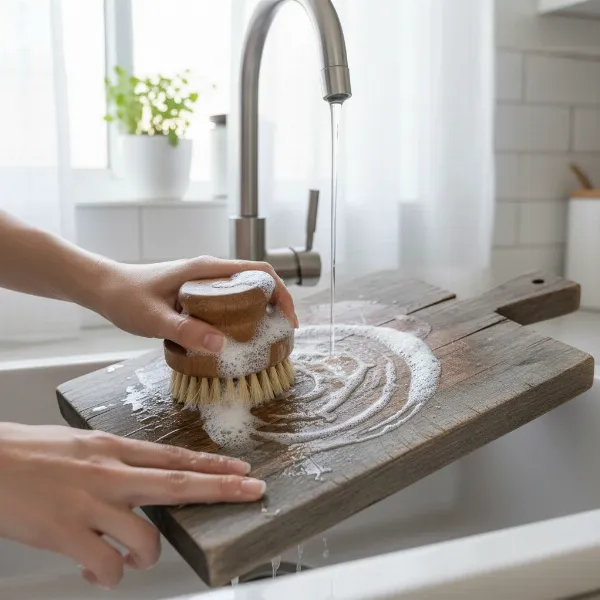
After each use, immediately attend to your cutting board. The golden rule for bamboo is hand washing only. Use warm water and a mild dish soap, gently scrubbing the surface with a soft sponge or cloth to remove all food residues. Avoid harsh abrasive cleaners, scouring pads, or steel wool, as these can scratch the bamboo surface. For any stubborn stains or lingering odors, a natural solution of salt and lemon juice can work wonders; simply sprinkle salt, rub with half a lemon, let it sit briefly, then rinse thoroughly.
The crucial drying steps are often overlooked. After washing, rinse the board completely with warm water. Immediately dry it thoroughly with a clean towel. Never allow water to sit on the surface, and never leave your bamboo board to air dry flat on a countertop. Instead, stand the board vertically on its side or place it in an open-air dish rack to ensure even airflow and complete drying. This prevents moisture from seeping into the bamboo and causing warping or cracking.
Long-Term Preservation
Beyond daily cleaning, your bamboo board benefits from periodic nourishment. The importance of oiling cannot be overstated. Regularly applying a food-grade mineral oil or a specialized board cream (a mixture of mineral oil and beeswax) helps to condition the bamboo, replenish its moisture barrier, and protect it from drying out and cracking. For Empune boards, which are often pre-oiled, you can start this routine after a few uses. Apply a generous amount with a clean cloth, rubbing it into all surfaces. Allow the oil to penetrate for at least 24 hours, then buff off any excess with a clean, dry cloth. This routine should be performed every few months, or more frequently if your board appears dry.
Perhaps the most vital piece of advice for bamboo board longevity is what to avoid: never, under any circumstances, soak your bamboo cutting board in water. Prolonged exposure to moisture is the quickest way to damage its structural integrity. And as reiterated, never place it in the dishwasher. The intense heat and harsh detergents will inevitably lead to irreversible damage.
Pro Tips for Cutting Board Longevity
Maximizing the lifespan of your Empune bamboo cutting board involves a few smart practices beyond regular cleaning and oiling.
- Dedicated Boards: For optimal hygiene, consider using separate cutting boards for raw meats and poultry versus cooked foods, fruits, and vegetables. This prevents cross-contamination and maintains a cleaner surface for fresh produce.
- Stability during Use: Always place your cutting board on a stable, non-slip surface. A simple trick is to place a damp cloth or paper towel underneath the board. This prevents dangerous slippage during chopping and carving, enhancing safety in the kitchen.
- Gentle Cutting: While bamboo is durable, excessive force can still cause deep gouges or accelerate wear. Practice a gentle, controlled chopping motion, allowing your knife’s sharpness to do the work rather than brute force. This protects both your board and your knives.
- Knowing When to Replace: Even with the best care, all cutting boards have a lifespan. If your Empune bamboo board develops deep grooves that are difficult to clean, significant cracks, or begins to show signs of delamination, it’s time to replace it. This ensures optimal hygiene and continued safe food preparation. Typically, a well-maintained bamboo board can last for several years, but routine inspection is key.
Empune bamboo cutting boards offer a fantastic blend of eco-conscious design, robust durability, and kitchen-friendly features. From their premium materials to thoughtful additions like juice grooves and handles, they are crafted to elevate your cooking experience. With proper care—consistent hand washing, thorough drying, and regular oiling—your Empune board will remain a beautiful and functional centerpiece in your kitchen for years.
What culinary creations will you bring to life with your new Empune bamboo cutting board?
Frequently Asked Questions
Are Empune bamboo cutting boards pre-seasoned?
Many Empune bamboo cutting boards come pre-coated with an oil layer, offering a smooth and ready-to-use surface. While this provides initial protection, regular oiling with food-grade mineral oil is still recommended every few months to maintain its optimal condition and extend its lifespan.
Can I put my Empune bamboo cutting board in the dishwasher?
No, Empune bamboo cutting boards are not dishwasher safe. The high heat and extended water exposure in a dishwasher will cause the bamboo to warp, crack, or delaminate, significantly shortening its lifespan and compromising its integrity. Always hand wash with warm, soapy water.
How often should I oil my bamboo cutting board?
For best results, aim to oil your Empune bamboo cutting board every 2-3 months, or more frequently if it appears dry or dull. Use a food-grade mineral oil or a specialized board cream. This process helps hydrate the bamboo, prevents cracking, and enhances its natural resistance to moisture and bacteria.
Is bamboo really better for knives than other cutting board materials?
Bamboo is generally considered kinder to knife edges than harder surfaces like plastic or glass. Its dense yet resilient nature helps preserve blade sharpness. However, softer hardwoods like maple may offer a slightly more forgiving surface in the long term, though bamboo still provides an excellent balance of durability and knife protection.
How do I remove stubborn stains from my bamboo cutting board?
For tough stains or lingering odors on your Empune bamboo cutting board, a simple mixture of salt and lemon juice can be very effective. Sprinkle a generous amount of salt on the stained area, then rub it with half a lemon. Let it sit for a few minutes before rinsing thoroughly with warm water and drying immediately.