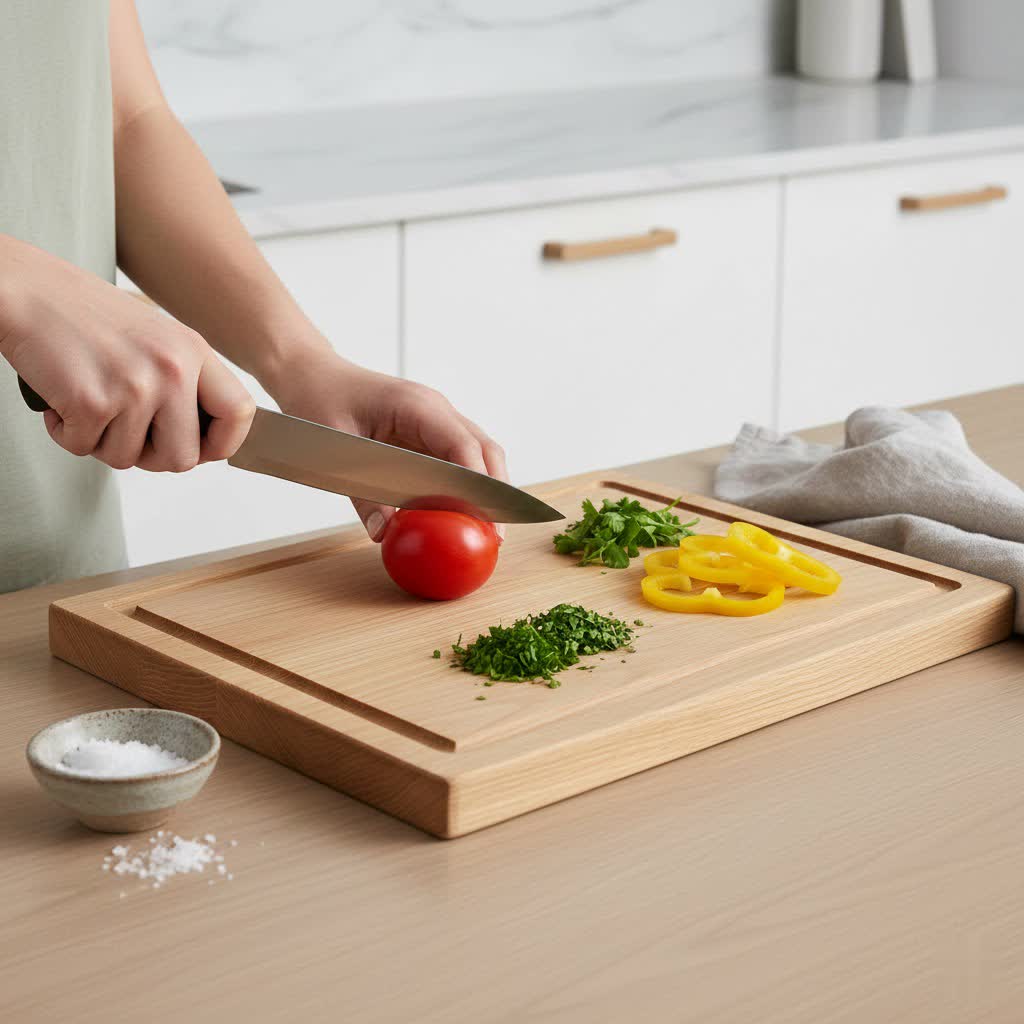
Selecting the right cutting board is a pivotal decision for any kitchen, impacting everything from knife longevity to food hygiene and overall cooking efficiency. Among the myriad options, wooden cutting boards stand out for their timeless appeal and performance. In this comprehensive review, we delve into the Villa Acacia Wood Cutting Board, examining its construction, benefits, drawbacks, and why it might be the ideal choice for your culinary space. With acacia wood’s growing popularity, understanding its unique characteristics and the craftsmanship of a brand like Villa Acacia is essential for making an informed purchase.
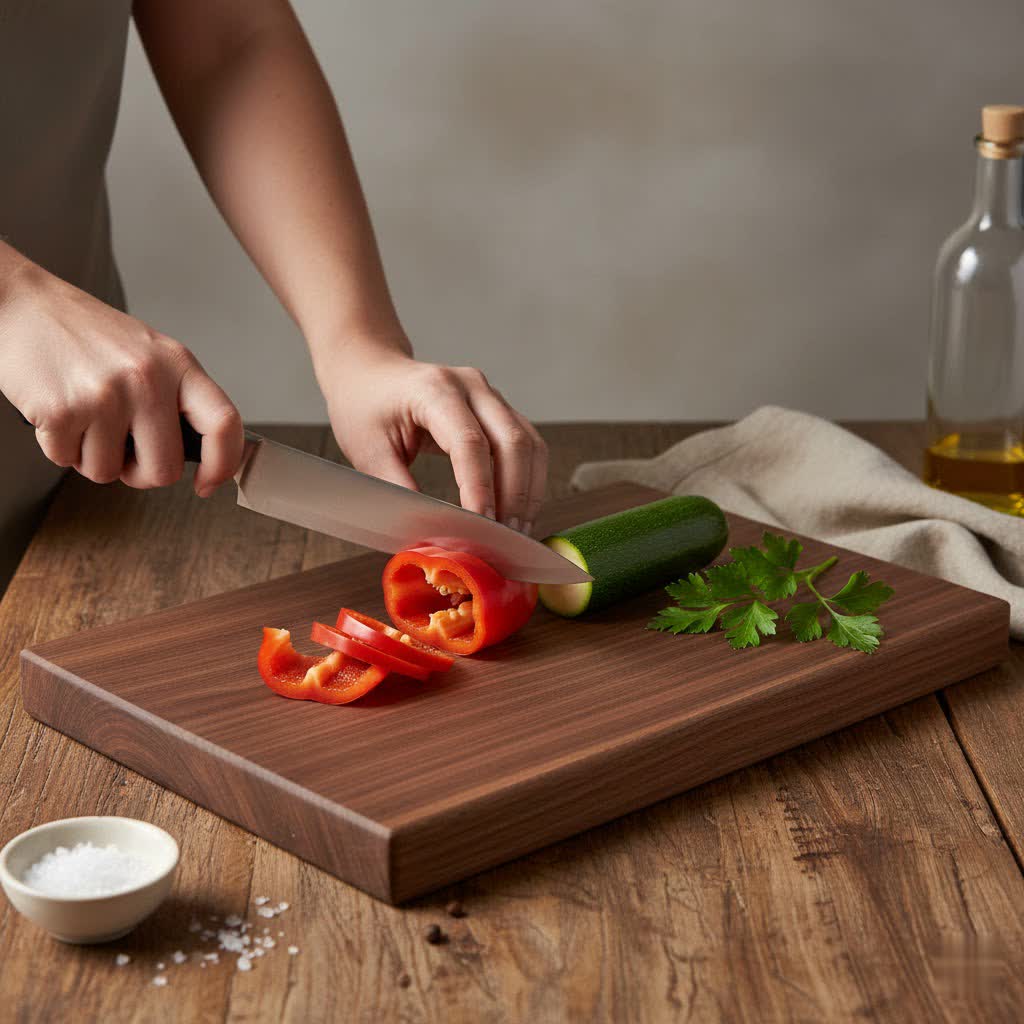
Overview of Wooden Cutting Boards
Wooden cutting boards have graced kitchens for centuries, evolving from simple blocks to sophisticated culinary tools. They are primarily used as a protective surface for cutting, chopping, and slicing food, safeguarding countertops and keeping knives sharper longer. Historically, wood was the material of choice due to its availability and inherent properties. Today, advancements in woodworking and sustainable sourcing have brought forth a variety of wooden boards, each with distinct advantages.
Acacia wood, in particular, has emerged as a favored material for contemporary cutting boards. It is a dense tropical hardwood celebrated for its robust nature and striking grain patterns. Unlike many other woods, acacia is naturally resistant to water, making it an excellent choice for kitchen environments where moisture is prevalent. The Villa Acacia brand specifically prides itself on using sustainably harvested acacia, ensuring that their products are not only durable and aesthetically pleasing but also environmentally responsible. This commitment to quality and sustainability underscores the brand’s position in the market.
Advantages and Disadvantages of Wooden Cutting Boards
Wooden cutting boards offer a blend of aesthetic appeal and functional benefits, though they also come with certain considerations. Understanding these can help you appreciate why specific woods, like acacia, are chosen for superior kitchen tools.
Advantages
- High Aesthetic Appeal: Wooden cutting boards naturally enhance the warmth and beauty of any kitchen. The varied tones and intricate grain patterns of acacia wood, in particular, provide a beautiful, natural aesthetic that can double as a serving platter.
- Knife-Friendly Surface: Wood surfaces are notably gentler on knife blades compared to harder materials like glass or bamboo. They allow the knife edge to sink slightly into the grain, preserving sharpness and extending the life of your cutlery. Villa Acacia boards are designed to be kind to your knives, minimizing dulling with regular use.
- Natural Anti-Bacterial Properties: Many hardwoods, including acacia, possess natural antimicrobial properties. Wood can draw bacteria into its surface where it dies off, making it a hygienic choice when properly cleaned and maintained. Acacia’s density and closed-grain structure contribute to its resistance to moisture and bacteria.
- High Durability: When cared for correctly, wooden cutting boards can last for many years, even decades. Acacia is a dense hardwood known for excellent resistance to scratches and warping, offering exceptional longevity.
- Sustainability: Brands like Villa Acacia prioritize sustainably harvested wood, making their products an eco-friendly option.
|
Our Picks for the Best Wooden cutting board in 2026
As an Amazon Associate I earn from qualifying purchases.
|
||
| Num | Product | Action |
|---|---|---|
| 1 | Extra Large Cutting Board, 17.6" Bamboo Cutting Boards for Kitchen with Juice Groove and Handles Kitchen Chopping Board for Meat Cheese board Heavy Duty Serving Tray, XL, Empune |

|
| 2 | Bamboo Cutting Board for Kitchen, 18" Large Wood Charcuterie Cheese Board, Wooden Chopping Block with Side Handles and Juice Grooves |
|
| 3 | 3-Piece Set Bamboo Cutting Board for Kitchen - Crack-Resistant Wood Chopping Boards with Deep Juice Grooves, Pre-Oiled Butcher Block for Meat, Vegetables & Cheese, Carbonized |
|
| 4 | Kikcoin 17”×11” Bamboo Cutting Boards for Kitchen, Healthy Wooden Cutting Boards for Kitchen, Charcuterie, Vegetables, Cheese, Extra Large Chopping Boards with Deep Juice Groove and Handle, Natural |
|
| 5 | Keechee Bamboo Cutting Board, Durable Wood Cutting Boards for Kitchen with Deep Juice Grooves & Built-in Handles, Ideal Charcuterie & Chopping for Meat, Vegetables and Fruits Ideal Kitchen Gifts |
|
| 6 | Allsum Bamboo Wood Cutting Board for Kitchen, 1" Thick Butcher Block, Cheese Charcuterie Board, with Side Handles and Juice Grooves, 16x11" |
|
| 7 | Greener Chef Luxury XL Bamboo Cutting Board Set of 3 with Vertical Grain Strength Technology - Extra Large Wood Cutting Boards for Kitchen and Lightweight Chopping Board Set - Replacements for Life |
|
| 8 | Freshware Bamboo Cutting Board Set of 3, Wooden Cutting Boards for Kitchen, Knife Friendly Food Grade Chopping Board, Lightweight with Hanging Hole for Easy Storage |
|
| 9 | Premium Cutting Board Set – Non-Toxic Carbonized Bamboo & Wooden Cutting Boards for Kitchen Meal Prep, Durable Butcher Block for Meat with Side Handles, Juice Groove, Charcuterie & Chopping (3 Pcs) |
|
| 10 | Astercook Deep-Carbonized Bamboo Cutting Boards for Kitchen with Wood Storage Stand, Reversible Charcuterie & Chopping Boards with Juice Grooves and Easy-Grip Handles, Knife-Friendly, Kitchen Gift |
|
Disadvantages
- Requires Regular Maintenance: Wooden cutting boards are not entirely maintenance-free. They require regular oiling with food-safe mineral oil to prevent drying, cracking, and warping, and to maintain their aesthetic appeal. Skipping this can significantly shorten their lifespan.
- Potential for Stains and Odors: While acacia is more resistant, all wooden boards can absorb strong odors or become stained by certain foods if not cleaned promptly.
- Price Point: Wooden cutting boards, especially those made from high-quality hardwoods with superior craftsmanship, often have a higher initial cost than their plastic counterparts.
- Weight: Thicker, larger wooden boards can be quite heavy, making them challenging to move and wash, though some Villa Acacia models are designed to be lightweight for easier handling.
- Susceptibility to Damage: Prolonged exposure to water (e.g., soaking or dishwasher use) or extreme temperature changes can cause warping or cracking. This necessitates handwashing and proper drying.
Popular Types of Wooden Cutting Boards
The world of wooden cutting boards offers a diverse range of materials and constructions, each suited for different culinary needs.
Hardwood Cutting Boards
Hardwoods are generally preferred for cutting boards due to their density, durability, and knife-friendliness.
- Examples: Maple, Walnut, Cherry, Acacia, Teak.
- Advantages: Exceptionally durable, highly resistant to knife marks and moisture absorption, and gentle on knife edges. They often feature beautiful, tight grain patterns. Acacia is a prime example, offering excellent resistance to scratches and warping.
- Disadvantages: Typically more expensive and can be heavier than other types.
Softwood Cutting Boards
Softwoods are less common for cutting boards due to their softer nature.
- Examples: Pine, Cedar.
- Advantages: Generally less expensive and lighter.
- Disadvantages: Prone to deep knife cuts, which can create grooves that harbor bacteria and are difficult to clean. Not recommended for primary cutting surfaces.
Bamboo Cutting Boards
Bamboo boards are often marketed as eco-friendly and hard-wearing.
- Advantages: Rapidly renewable resource, making them sustainable. They are also highly resistant to moisture.
- Disadvantages: Bamboo is very hard, which can dull knives quickly. Its fibrous structure can also splinter over time, creating an uneven surface.
Butcher Block Cutting Boards
These are typically thick, heavy boards made from individual pieces of wood joined together, often in an end-grain configuration.
- Advantages: Extremely durable and stable, providing a robust surface for heavy-duty chopping and butchering. The end-grain construction allows knife blades to go between the wood fibers, healing more effectively and preserving knife edges. Villa Acacia offers end-grain butcher blocks with juice grooves, designed for serious culinary tasks.
- Disadvantages: Can be very heavy and require significant counter space. They also tend to be the most expensive type of cutting board.
Comparison of Wooden Cutting Boards
Choosing the best wooden cutting board depends on a balance of factors including durability, maintenance, and budget. The table below provides a detailed comparison of common types, including the characteristics of acacia wood, which is central to Villa Acacia’s offerings.
| Feature | Hardwood (e.g., Maple, Walnut) | Acacia Wood (Villa Acacia) | Bamboo Cutting Boards | Butcher Block (End-Grain) |
|---|---|---|---|---|
| Durability | Very high; excellent resistance to wear and tear. | Very high; dense, natural resistance to scratches and warping. | High, but can splinter over time. | Extremely high; designed for heavy use and longevity. |
| Knife-Friendliness | High; gentle on knife edges, helps maintain sharpness. | High; firm yet not too hard, maintains knife sharpness. | Low; very hard and can dull knives quickly. | Highest; allows knife to go between fibers, self-healing. |
| Antibacterial | Good; naturally resistant to bacteria when properly maintained. | Good; naturally resistant to moisture and bacteria. | Good; some natural resistance. | Good; natural resistance when well-maintained. |
| Maintenance | Regular oiling (monthly or more). | Regular oiling (at least monthly), easy to clean. | Regular oiling, prone to splitting if dry. | Regular oiling (can be more frequent due to construction). |
| Price | Moderate to High. | Moderate to High, often more affordable than premium maple/walnut. | Low to Moderate. | High. |
| Aesthetics | Beautiful, classic grain patterns. | Distinctive, varied tones and intricate grain patterns. | Uniform, lighter color; can appear striped. | Often stunning, showcasing wood grain in unique patterns. |
| Environmental Impact | Generally sustainable if sourced responsibly. | Highly sustainable; fast-growing, sustainably harvested. | Highly sustainable; rapidly renewable resource. | Generally sustainable if sourced responsibly. |
Buying Guide: How to Choose a Villa Acacia Wood Cutting Board
Choosing the right cutting board involves more than just aesthetics; it’s about matching the tool to your culinary habits and kitchen environment. Here’s a guide to help you select a Villa Acacia wood cutting board that perfectly suits your needs.
Determine Your Usage Needs
Before purchasing, consider how you intend to use the board:
- Size: Assess your kitchen counter space and the typical volume of food you prepare. Villa Acacia offers various sizes, from compact options suitable for small tasks to large pastry boards (e.g., 28×22 inches) perfect for baking or extensive meal prep.
- Food Types: Will you be carving roasts, chopping vegetables, or preparing dough? Some Villa Acacia boards feature juice grooves ideal for meats, while others are designed with lips for stability during pastry work.
- Budget: While Villa Acacia boards represent a quality investment, having a budget in mind helps narrow down options, from standard cutting boards to thicker butcher blocks.
Select the Appropriate Wood Type (Acacia Specifics)
Villa Acacia specializes in acacia wood, which offers several beneficial characteristics:
- Hardness and Grain: Acacia is a dense hardwood, ideal for durability and knife-friendliness. Its closed-grain structure naturally resists moisture and bacteria.
- Source and Treatment: Villa Acacia emphasizes sustainably harvested wood and food-safe finishes, ensuring a safe and eco-friendly product. Avoid boards that use unknown chemicals or treated wood.
Inspect the Quality of the Board
A good cutting board exhibits specific quality indicators:
- Surface Finish: The board should be flat, smooth, and free from any cracks, splinters, or rough patches. Villa Acacia boards are known for their quality construction, featuring full-length wood strips to prevent warping.
- Edges and Corners: Edges should be smoothly rounded to prevent injury and enhance handling.
- Odor: The board should have a natural wood smell, without any strong chemical or unpleasant odors, indicating a safe, untreated finish.
Consider Reputable Brands
While the generic term “acacia wood” is common, Villa Acacia stands out for its craftsmanship and transparent sourcing. Researching user reviews and brand reputation, as seen with Villa Acacia’s high ratings, can provide confidence in your purchase. Look for brands that offer warranties or clear return policies.
How to Clean and Maintain Your Villa Acacia Wood Cutting Board
Proper care is crucial for extending the life and maintaining the hygienic quality of your Villa Acacia wood cutting board. Neglecting maintenance can lead to warping, cracking, or bacterial buildup.
Proper Cleaning Techniques
- Immediate Wash: After each use, wash your board promptly with warm water and mild dish soap. Do not let food residues dry on the surface.
- Gentle Scrubbing: Use a soft sponge or brush to remove food particles. Avoid abrasive scrubbers that can scratch the wood.
- Disinfecting (Optional): For deeper cleaning or after handling raw meat, you can disinfect the board. A solution of white vinegar (1 part vinegar to 4 parts water) or half a lemon rubbed with salt can naturally sanitize the surface. Rinse thoroughly afterward.
- Thorough Drying: This is perhaps the most critical step. Immediately after washing, dry the board thoroughly with a clean towel. Then, stand the board on its edge or use a drying rack to allow air to circulate evenly around all surfaces, ensuring it dries completely. Never lay a wet board flat, as this can cause warping.
Proper Storage and Conditioning
- Regular Oiling: Villa Acacia boards, like all wooden cutting boards, require conditioning with food-safe mineral oil (or a wood butter/wax) at least once a month, or more frequently if used often or if the board appears dry. This step is vital for moisturizing the wood, preventing cracking, and enhancing its natural resistance to water and bacteria.
- Application: Apply a generous amount of oil with a clean cloth, rubbing it into all sides of the board. Let it sit for several hours, or even overnight, allowing the wood to absorb the oil. Wipe off any excess before use.
- Avoid Soaking: Never submerge your wooden cutting board in water. Prolonged exposure to water will cause the wood to swell, leading to cracking and warping.
- No Dishwashers: The high heat and harsh detergents of a dishwasher are extremely damaging to wooden cutting boards and will cause irreversible damage. Always handwash.
- Storage Location: Store your board in a dry, cool, and well-ventilated area, away from direct sunlight or heat sources (like ovens or radiators), which can dry out the wood. Standing it on its side or hanging it are ideal methods.
“A well-maintained wooden cutting board isn’t just a tool; it’s a testament to good kitchen habits and an investment that can truly last a lifetime.” – Chef Elena Rodriguez, Culinary Arts Instructor
Tips for Using Your Wooden Cutting Board
Maximizing the performance and longevity of your Villa Acacia wood cutting board goes beyond just cleaning and oiling. Here are some practical tips for daily use:
- Designated Sides: Many Villa Acacia boards are reversible. Consider dedicating one side for raw meats and the other for prepared foods (like vegetables, bread, or serving) to prevent cross-contamination.
- Stability First: To prevent your board from slipping during vigorous chopping, place a damp cloth or a non-slip mat underneath it. This provides a secure surface and enhances safety.
- Gentle Chopping: While acacia is durable, avoid excessively forceful chopping or cleaving, especially with very sharp knives, to minimize deep gouges and preserve the board’s surface.
- Rotate Regularly: If you tend to use the same area of the board frequently, try to rotate its position or use different sections to distribute wear evenly.
- Know When to Replace: Even with the best care, wooden cutting boards won’t last forever. If your board develops deep, irreparable grooves, significant cracking, or becomes visibly stained and difficult to sanitize, it’s time to consider a replacement (typically every 1-2 years for heavy home use).
Conclusion
The Villa Acacia Wood Cutting Board offers a compelling combination of durability, aesthetic appeal, and practical features, making it a standout choice for any kitchen. Crafted from sustainably sourced acacia hardwood, these boards are designed to be gentle on knives, naturally resistant to bacteria, and built to last with proper care. Whether you choose a model with ergonomic handles, a convenient juice groove, or a spacious pastry-friendly design, Villa Acacia provides a reliable and beautiful foundation for all your culinary endeavors.
Are you ready to elevate your kitchen experience with a cutting board that blends functionality with natural elegance?
Frequently Asked Questions
Is acacia wood good for cutting boards?
Yes, acacia wood is an excellent choice for cutting boards. It is a dense, durable hardwood that is naturally resistant to water and bacteria. Its closed-grain structure is gentle on knives, helping them stay sharper longer, and its beautiful grain patterns add aesthetic value to any kitchen.
How do I prevent my Villa Acacia board from warping?
To prevent warping, never soak your Villa Acacia cutting board in water or wash it in a dishwasher. Always handwash with warm soapy water, dry it immediately with a towel, and allow it to air dry completely on its edge. Regular oiling with food-safe mineral oil is also crucial to keep the wood moisturized and prevent drying out.
Can Villa Acacia cutting boards be used for meat?
Absolutely. Many Villa Acacia cutting boards are designed with features like deep juice grooves to collect liquids from carved meats, preventing messes on your countertop. Acacia’s natural anti-bacterial properties, coupled with proper cleaning, make it a hygienic surface for preparing both raw and cooked meats.
How often should I oil my acacia cutting board?
It’s recommended to oil your Villa Acacia cutting board at least once a month with a food-safe mineral oil. If you use it very frequently, or if the board looks dry and faded, you may need to oil it more often. This conditioning helps maintain the wood’s integrity and appearance.
Are Villa Acacia cutting boards sustainable?
Yes, Villa Acacia emphasizes its commitment to sustainability by using sustainably harvested acacia wood. This means the wood is sourced from well-managed forests, reducing environmental impact and supporting responsible forestry practices.