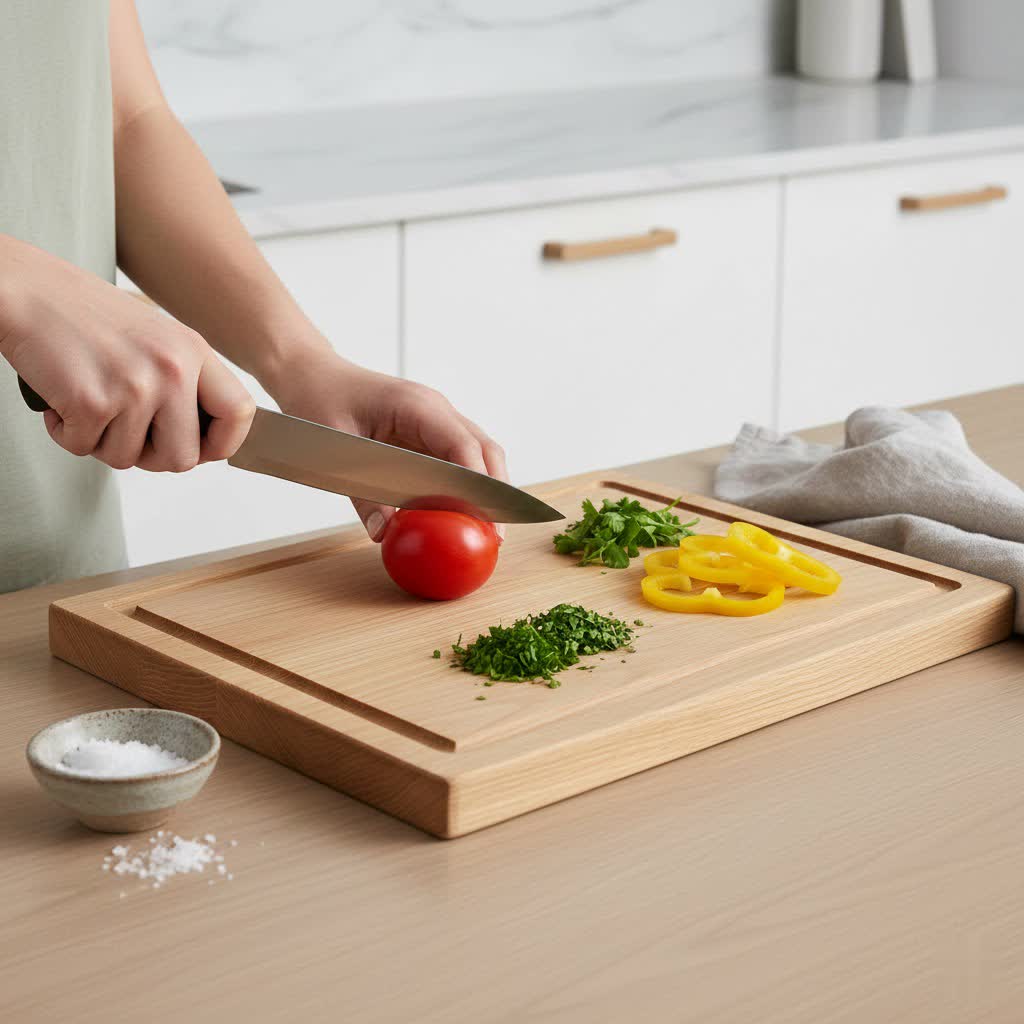
In the heart of every kitchen lies an essential tool: the cutting board. It’s more than just a surface; it’s the foundation for countless culinary creations, a silent workhorse that endures daily demands. For those who value both aesthetics and unparalleled performance, the Ziruma Teak Wood Carving Board emerges as a truly premium option. This review delves into why this board stands out, seamlessly blending stunning beauty with exceptional durability and thoughtful functionality to elevate your cooking experience.
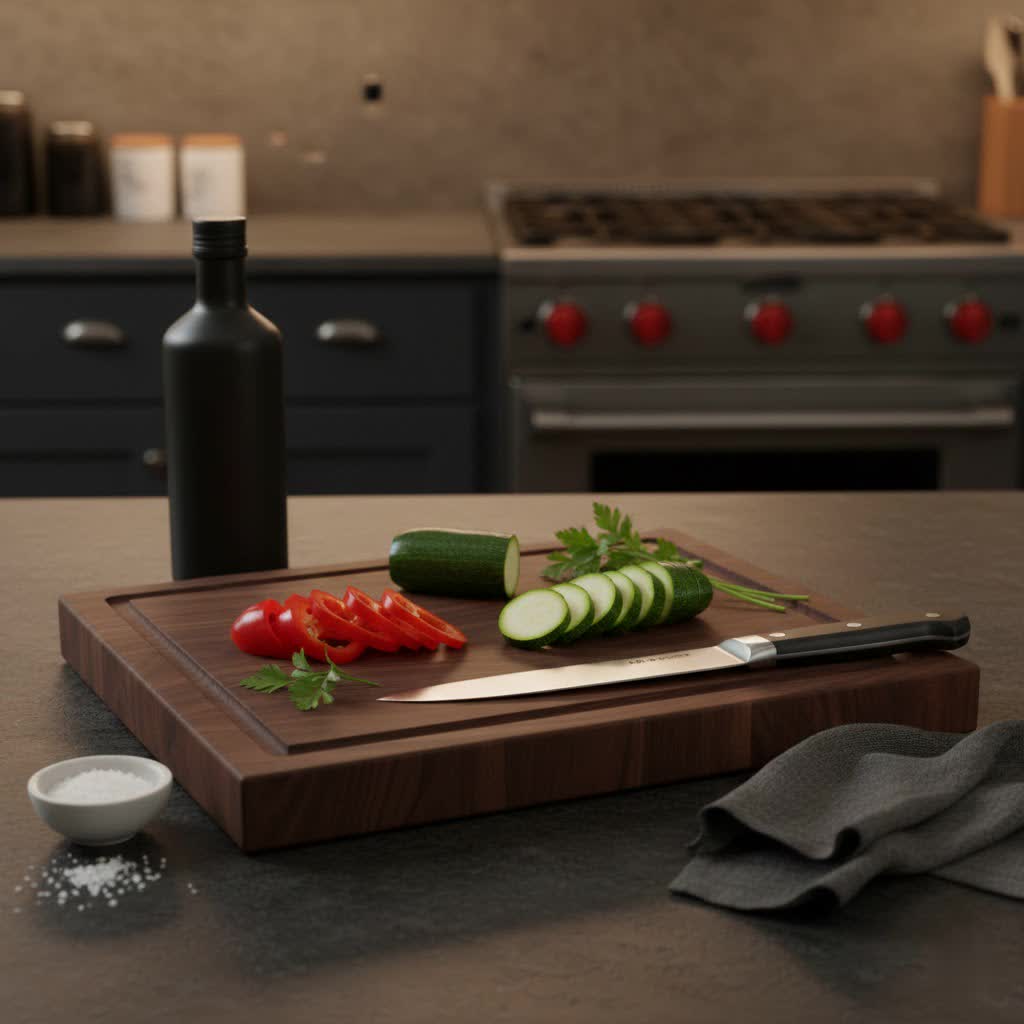
Wooden Cutting Board Overview
A wooden cutting board is a staple in kitchens worldwide, prized for its natural appeal and functional benefits. These boards serve as protective surfaces for countertops while providing a stable base for slicing, dicing, and chopping a variety of ingredients. Historically, wood has been a preferred material for its inherent qualities.
Teak, in particular, stands out among the various wood types used for cutting boards. Sourced from sustainable South American forests, teak is renowned for its remarkable density, natural oils, and impressive resistance to moisture and decay. These characteristics make it an ideal choice for a demanding kitchen environment. The Ziruma board often utilizes an end-grain construction, a sophisticated method where individual wood blocks are cut and oriented so that the wood fibers face upwards. This design is not only visually striking, creating a distinctive checkerboard pattern, but also offers superior benefits for both the board and your knives.
Advantages and Disadvantages of the Ziruma Teak Wood Carving Board
Choosing the right cutting board involves weighing its strengths against its limitations. The Ziruma Teak Wood Carving Board boasts a compelling list of advantages that make it a top contender, alongside a few considerations to keep in mind.
Advantages
- Exceptional Aesthetic Appeal: Crafted from rich South American teak, the Ziruma board is a true “showstopper” in any kitchen. Its butcher block style and beautiful grain patterns lend a warm, sophisticated elegance, making it suitable for both daily prep and as a stunning serving platter.
- Superior Knife-Friendly Surface: The end-grain construction is incredibly forgiving on your knife blades. Instead of cutting across the wood fibers, your knife glides between them, allowing the fibers to “heal” back into place. This significantly reduces dulling and extends the life of your precious cutlery.
- Natural Resilience and Hygiene: Teak’s inherent oils provide a natural resistance to moisture and bacteria. Furthermore, the Ziruma board comes pre-conditioned with a blend of beeswax, linseed, and lemon oil, enhancing its water repellency and creating a smooth, hygienic surface that is free from BPA, phthalates, and petroleum-based mineral oil.
- Unrivaled Durability: Designed to withstand years of heavy use, this board typically features a robust 2-inch thickness. This substantial build contributes to its stability and prevents warping or cracking, ensuring it remains a reliable kitchen companion for a long time. It is especially resistant to showing signs of wear and tear, maintaining its pristine look even after extensive use.
- Versatile Functionality: Whether you’re meticulously slicing vegetables, carving a succulent roast, or arranging a lavish charcuterie spread, the Ziruma board handles it all with grace. Its ample surface area and sturdy design make it a versatile tool for every culinary task.
- Thoughtful Design Features: Practicality is at the forefront of the Ziruma design. A deep, built-in juice groove efficiently captures liquids from meats and fruits, keeping your counter clean. Many models are reversible, effectively doubling your usable surface, and some even include integrated handles for easier maneuvering.
|
Our Picks for the Best Wooden cutting board in 2026
As an Amazon Associate I earn from qualifying purchases.
|
||
| Num | Product | Action |
|---|---|---|
| 1 | Bamboo Cutting Board for Kitchen, 18" Large Wood Charcuterie Cheese Board, Wooden Chopping Block with Side Handles and Juice Grooves |

|
| 2 | Allsum Bamboo Wood Cutting Board for Kitchen, 1" Thick Butcher Block, Cheese Charcuterie Board, with Side Handles and Juice Grooves, 16x11" |
|
| 3 | Kikcoin 17”×11” Bamboo Cutting Boards for Kitchen, Healthy Wooden Cutting Boards for Kitchen, Charcuterie, Vegetables, Cheese, Extra Large Chopping Boards with Deep Juice Groove and Handle, Natural |
|
| 4 | Premium Cutting Board Set – Non-Toxic Carbonized Bamboo & Wooden Cutting Boards for Kitchen Meal Prep, Durable Butcher Block for Meat with Side Handles, Juice Groove, Charcuterie & Chopping (3 Pcs) |
|
| 5 | Astercook Deep-Carbonized Bamboo Cutting Boards for Kitchen with Wood Storage Stand, Reversible Charcuterie & Chopping Boards with Juice Grooves and Easy-Grip Handles, Knife-Friendly, Kitchen Gift |
|
| 6 | Extra Large Cutting Board, 17.6" Bamboo Cutting Boards for Kitchen with Juice Groove and Handles Kitchen Chopping Board for Meat Cheese board Heavy Duty Serving Tray, XL, Empune |
|
| 7 | Greener Chef Luxury XL Bamboo Cutting Board Set of 3 with Vertical Grain Strength Technology - Extra Large Wood Cutting Boards for Kitchen and Lightweight Chopping Board Set - Replacements for Life |
|
| 8 | 3-Piece Set Bamboo Cutting Board for Kitchen - Crack-Resistant Wood Chopping Boards with Deep Juice Grooves, Pre-Oiled Butcher Block for Meat, Vegetables & Cheese, Carbonized |
|
| 9 | Freshware Bamboo Cutting Board Set of 3, Wooden Cutting Boards for Kitchen, Knife Friendly Food Grade Chopping Board, Lightweight with Hanging Hole for Easy Storage |
|
| 10 | Keechee Bamboo Cutting Board, Durable Wood Cutting Boards for Kitchen with Deep Juice Grooves & Built-in Handles, Ideal Charcuterie & Chopping for Meat, Vegetables and Fruits Ideal Kitchen Gifts |
|
Disadvantages
- Significant Weight: Due to its solid construction and substantial thickness, especially in larger sizes, the Ziruma Teak Wood Carving Board can be quite heavy. This might make it cumbersome for some users to move or store.
- Requires Consistent Maintenance: Like all quality wooden cutting boards, the Ziruma requires regular care. It is not dishwasher or microwave safe and needs periodic oiling or waxing to prevent drying, cracking, and to maintain its protective barrier.
- Higher Price Point: As a premium product crafted from high-quality teak with an end-grain construction and special conditioning, the Ziruma board typically carries a higher price tag than plastic or lesser-quality wood boards. This is an investment that pays off in longevity and performance.
- Perceived Knife Wear (Debate): While end-grain construction is generally knife-friendly, some debate exists regarding teak’s inherent hardness. While it performs well with most knives, a small minority of users with extremely high HRC (Rockwell Hardness) Japanese steel knives might perceive slightly faster wear compared to softer wood options, though this is largely mitigated by the end-grain design.
Types of Wooden Cutting Boards
The world of wooden cutting boards is diverse, each type offering unique characteristics suited for different needs. Understanding these distinctions helps appreciate the Ziruma Teak Wood Carving Board’s place in the market.
Hardwood Cutting Boards
Hardwoods like maple, walnut, cherry, and crucially, teak, are highly favored for cutting boards due to their density and durability. Teak, in particular, is an exceptional hardwood. Its natural oils give it superior water resistance and stability, making it less prone to warping or cracking compared to many other woods. The Ziruma board harnesses these inherent qualities, often showcasing teak’s beautiful, tight grain in an end-grain butcher block style. This construction not only highlights teak’s aesthetic but also maximizes its resilience, creating a surface that is both tough and gentle on knives.
Softwood Cutting Boards
Softwoods such as pine or cedar are generally less suitable for cutting boards. While they might be more affordable, they are much softer and more porous, leading to quicker wear, deeper knife marks, and greater susceptibility to absorbing moisture and bacteria. They typically lack the longevity and hygienic properties desired in a reliable kitchen cutting surface.
Bamboo Cutting Boards
Often marketed as eco-friendly, bamboo cutting boards are a popular alternative. Bamboo is a grass, not a wood, and boards are typically made by laminating strips together. They are known for being lightweight and somewhat resistant to moisture. However, bamboo is significantly harder than most woods, which can dull knives more quickly. Furthermore, the glues used in their construction can sometimes weaken over time, leading to delamination or cracking.
Butcher Block Cutting Boards
Butcher block cutting boards represent the pinnacle of wooden cutting board craftsmanship, and this is where the Ziruma Teak Wood Carving Board truly shines. These boards are typically thick and heavy, designed for robust use. They can be made in either edge-grain or end-grain styles. The Ziruma board predominantly features an end-grain construction, which involves arranging small blocks of wood with the grain running vertically. This creates a surface where knife blades slide between the wood fibers rather than cutting them, preserving the sharpness of your knives and allowing the board to “self-heal” from cuts. This results in a remarkably durable and knife-friendly surface, a hallmark of the Ziruma design.
Comparison Table: Ziruma Teak vs. Other Popular Wood Boards
To further illustrate the Ziruma Teak Wood Carving Board’s standing, here’s a comparison against other common wooden cutting board types:
| Feature | Ziruma Teak (End-Grain) | Maple (Edge-Grain) | Bamboo |
|---|---|---|---|
| Durability | Excellent; highly resistant to warping, cracking, and wear due to end-grain construction and natural teak oils. | Good; durable, but edge-grain can show knife marks more readily than end-grain. | Moderate; prone to delamination over time, very hard surface. |
| Knife Friendliness | Excellent; end-grain “self-heals,” preserving knife edges. | Good; gentler than plastic, but not as forgiving as end-grain. | Poor; harder surface can dull knives quickly. |
| Maintenance | Regular oiling/waxing required; not dishwasher safe. | Regular oiling required; not dishwasher safe. | Less oiling needed, but susceptible to cracking if not cared for. |
| Aesthetic | Outstanding; rich, striking grain, often a “showstopper.” | Classic, light, and clean appearance. | Modern, distinct striped pattern; can appear less premium. |
| Price | High; a premium investment for quality and longevity. | Medium to High; varies by size and construction. | Low to Medium; often the most budget-friendly wood-like option. |
Ziruma Teak Wood Carving Board Buying Guide
Investing in a Ziruma Teak Wood Carving Board means bringing a top-tier tool into your kitchen. Here’s how to ensure you make the best choice for your needs.
Determine Your Needs
Start by considering how you’ll use the board. Do you need a large surface for carving roasts and extensive meal prep, or a more compact board for daily chopping? Ziruma boards come in various sizes, such as 17″ x 11″, 20″ x 15″, and a substantial 24″ x 18″ (all typically 2″ thick). Factor in your available counter and storage space. Also, consider your budget; while an investment, the durability often justifies the cost over time.
Understanding Teak Wood and End-Grain Construction
Educate yourself on the benefits of teak. Its natural resistance to moisture and bacteria, coupled with its density, makes it highly stable and long-lasting. The end-grain construction is paramount for knife health, as it allows knife blades to cut into the wood fibers rather than across them, reducing dulling and extending the life of both your board and your knives. This construction also gives the board its distinctive “self-healing” properties, making knife marks less visible over time.
Quality Check
When evaluating a Ziruma board, or any wooden board, look for certain indicators of quality. The surface should be impeccably smooth and flat, free from any visible cracks, splinters, or rough patches. High-quality boards will have well-finished edges, often slightly rounded for comfort and safety. A deep, integrated juice groove is a key feature for carving boards, indicating careful design. Also, note the pre-conditioning with natural oils and waxes, which signifies the board is ready for use and has an initial protective layer.
Brand Reputation
Ziruma has garnered positive feedback for its teak wood products. Reviewers frequently praise the board’s durability, aesthetic appeal, and the brand’s commitment to quality, including aspects like warranty. Purchasing from reputable sellers ensures you receive an authentic Ziruma product and benefit from any associated guarantees or customer support.
Care and Maintenance for Your Ziruma Teak Board
Proper care is essential to unlock the full potential and extend the lifespan of your Ziruma Teak Wood Carving Board. With a little attention, your board will serve you beautifully for years to come.
Proper Cleaning
After each use, clean your board immediately. Use warm water and a mild dish soap, scrubbing gently with a soft sponge or brush to remove food particles. For deeper cleaning or sanitization, a solution of white vinegar or lemon juice can be applied, left for a few minutes, then rinsed. Crucially, never immerse your Ziruma board in water or put it in the dishwasher. Prolonged exposure to water can cause the wood to swell, warp, or crack. Always rinse thoroughly and then dry the board completely with a clean towel before allowing it to air dry upright in a well-ventilated area.
Regular Conditioning
The natural oils in teak contribute to its resilience, but regular conditioning is vital to maintain moisture balance and prevent drying and cracking. Apply a food-grade mineral oil or a wood conditioner (such as the Ziruma wax often included with the board) once a month, or more frequently if the board appears dry or dull. Apply a generous amount, spreading it evenly across all surfaces, and let it soak in for several hours or overnight. Wipe off any excess oil with a clean cloth. This conditioning routine replenishes the wood’s moisture, enhances its natural beauty, and creates a protective barrier against liquids and stains.
“A well-maintained teak cutting board isn’t just a tool; it’s an heirloom. Regular oiling is the secret to its longevity and vibrant beauty.”
Tips for Using Your Ziruma Teak Board
To get the most out of your Ziruma Teak Wood Carving Board and ensure a safe, efficient cooking experience, consider these practical tips.
- Designate Sides (If Not Reversible): If your board isn’t fully reversible, consider designating one side for raw meats and the other for cooked foods or produce to prevent cross-contamination. For reversible boards, you can simply wash thoroughly between uses.
- Prevent Slipping: Place a damp cloth or a non-slip mat underneath your board to keep it firmly in place while you chop and carve. This greatly enhances safety and stability during vigorous prep work.
- Gentle Chopping: While Ziruma boards are built for durability, avoid excessive force or chopping with blunt objects directly on the board. The end-grain construction is forgiving, but respecting the material will prolong its impeccable condition.
- Rotate and Refresh: If you primarily use one section of your board, make an effort to rotate it periodically. This promotes even wear and tear across the surface. Regularly inspect for any deep grooves or damage, and if present, consider professional sanding or replacement to maintain hygiene and knife safety.
- Consider Replacement: While a well-maintained Ziruma board can last for many years, it’s wise to consider replacing any cutting board if it develops deep, irreparable grooves, becomes excessively warped, or shows signs of persistent mold or mildew, typically every 1-2 years for heavily used boards, though high-quality wood can last longer with proper care.
Conclusion
The Ziruma Teak Wood Carving Board stands as a testament to the enduring appeal of quality craftsmanship and natural materials in the kitchen. Its stunning aesthetic, combined with the superior knife-friendly properties of end-grain teak, thoughtful design features like the deep juice groove, and exceptional durability, makes it far more than just a cutting surface. It’s an investment in culinary excellence, a durable workhorse, and a beautiful addition to any kitchen environment. While it requires a commitment to regular care, the rewards of a long-lasting, hygienic, and visually appealing board are undeniable. Upgrade your kitchen today and experience the Ziruma difference – isn’t it time your primary prep surface reflected your passion for cooking?
Frequently Asked Questions
Is the Ziruma Teak Wood Carving Board good for all knives?
Yes, the end-grain construction of the Ziruma Teak Wood Carving Board is exceptionally kind to all knife types, including high-carbon Japanese steel. The wood fibers separate rather than being cut, which helps to preserve your knife’s edge and reduce the need for frequent sharpening.
How often should I oil my Ziruma teak board?
You should oil your Ziruma teak board approximately once a month, or whenever it starts to look dry or faded. Regular conditioning with food-grade mineral oil or Ziruma wax helps to maintain its moisture balance, prevent cracking, and enhance its natural luster and water resistance.
Can I put my Ziruma cutting board in the dishwasher?
No, the Ziruma Teak Wood Carving Board is not dishwasher safe. The intense heat and prolonged exposure to water in a dishwasher can cause the wood to warp, crack, or degrade. Always hand wash with warm soapy water and dry thoroughly.
What makes Ziruma teak a good choice for a carving board?
Ziruma uses prime South American teak, known for its natural oils, density, and resistance to moisture and bacteria. When combined with end-grain construction, these properties create a durable, stable, and knife-friendly surface ideal for heavy-duty carving and everyday food preparation.
What sizes are available for the Ziruma Teak Wood Carving Board?
The Ziruma Teak Wood Carving Board is typically available in several sizes to suit different kitchen needs, commonly including small (e.g., 17″ x 11″), medium (e.g., 20″ x 15″), and large (e.g., 24″ x 18″), all generally with a 2-inch thickness for stability and durability.