Choosing the perfect cutting board can dramatically enhance your kitchen experience, transforming daily meal prep from a chore into a pleasure. For many home cooks and professional chefs, a high-quality wooden cutting board is an indispensable tool. Among the myriad options, the Tramontina Teak Wood Chopping Board consistently garners attention. But does it truly live up to its reputation? Let’s delve into a comprehensive review to determine if this board is the right addition to your culinary arsenal.
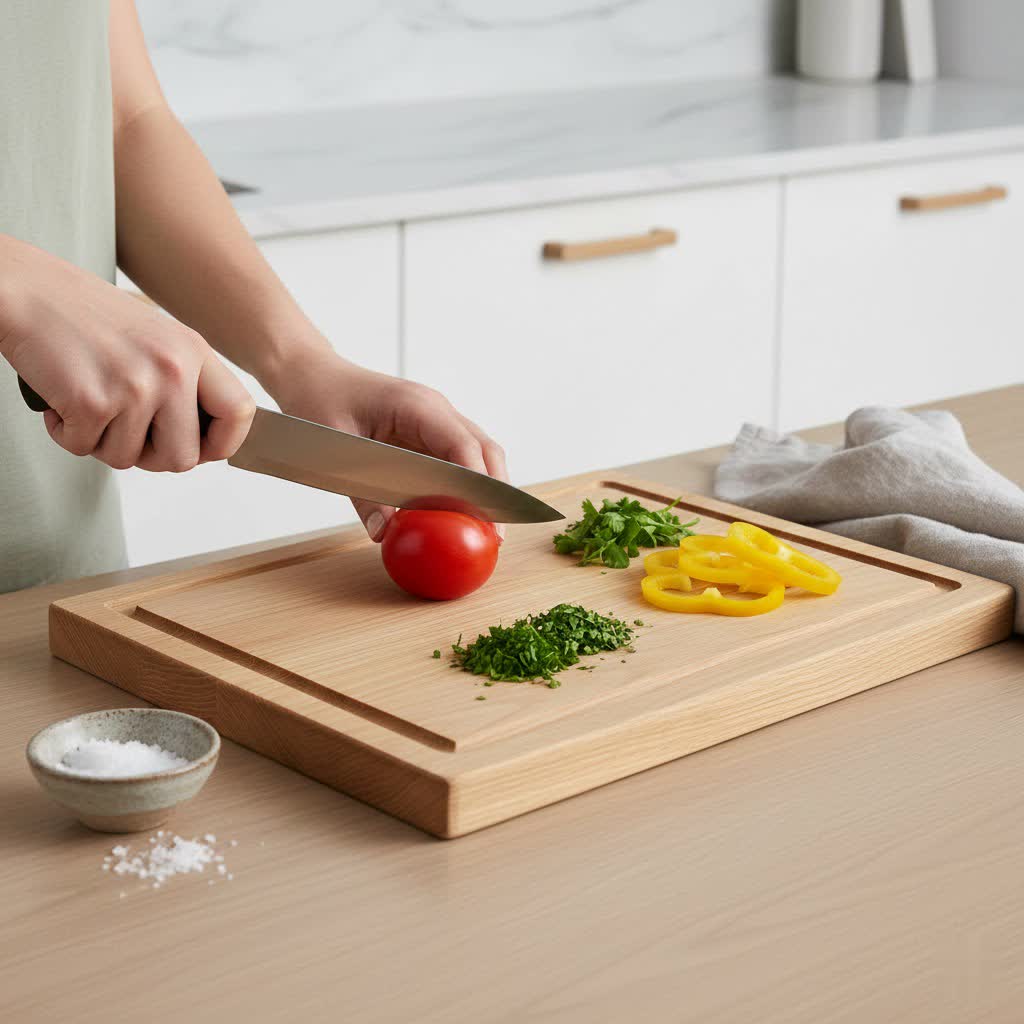
Wooden Cutting Board Overview
A wooden cutting board is more than just a surface for slicing; it’s a foundational kitchen tool designed to protect countertops and knife edges. Its utility spans from dicing vegetables to carving roasts, making it a versatile staple in any kitchen. Historically, wooden boards have been a part of culinary traditions for centuries, valued for their durability and natural appeal. Modern wooden boards continue this legacy, often crafted from a variety of hardwoods, each offering distinct properties.
Different types of wood are chosen for their unique characteristics. Maple and walnut are popular for their hardness and tight grain, while bamboo offers a sustainable and lightweight option. Teak, a tropical hardwood, stands out for its exceptional density, natural oils, and striking appearance. These properties contribute to a cutting board that is not only robust but also resistant to moisture and bacteria, making it a prime candidate for a long-lasting kitchen companion.
Tramontina Teak Wood Chopping Board: Features and Design
Tramontina’s Teak Wood Chopping Boards are typically crafted from authentic Brazilian teak, a material celebrated for its superior quality. This dense hardwood provides an exceptionally stable and resilient cutting surface that resists rocking or slipping during use. Many Tramontina models, particularly the larger ones, feature end-grain construction, where the wood fibers are oriented vertically. This design creates a self-healing surface, as knife blades glide between the fibers rather than cutting across them, which is excellent for knife longevity and the board’s durability. Other designs, such as the multi-piece sets, might feature edge-grain construction, offering a solid and attractive workspace.
Beyond its robust construction, the design of these boards often incorporates practical elements. Some larger boards include a deep juice trough or rim around the edge, invaluable for collecting liquids when carving meats or chopping juicy fruits. This thoughtful addition helps maintain a tidy workspace. Smaller boards and sets often feature ergonomic handles, making them easy to maneuver for both preparation and serving. Aesthetically, the rich, warm tones and distinctive grain patterns of teak wood make the Tramontina boards beautiful enough to be displayed on countertops or used as elegant serving platters for charcuterie or appetizers. The boards frequently come pre-coated with mineral oil from the factory, providing initial protection and a ready-to-use surface.
Advantages of the Tramontina Teak Wood Chopping Board
The Tramontina Teak Wood Chopping Board offers a compelling array of benefits that make it a favorite among users. Its authentic Brazilian teak wood construction ensures remarkable durability and longevity, capable of withstanding years of rigorous kitchen activity when properly cared for. The inherent density of teak makes it less prone to warping or cracking, a common concern with lesser quality wood boards.
One of the most significant advantages is its knife-friendly surface. Unlike harder surfaces that can quickly dull knife blades, wood, especially end-grain teak, is gentler on your knives. The wood fibers give way to the blade, helping to maintain a sharper edge for longer. This not only extends the life of your knives but also makes cutting and chopping more efficient and enjoyable.
Teak wood also possesses natural oils that contribute to its hygiene. These oils provide some natural resistance to moisture and bacteria, an essential quality for any food preparation surface. While no wood board is entirely self-sanitizing, teak’s inherent properties offer an added layer of peace of mind.
Beyond practicality, the aesthetic appeal of a Tramontina Teak board is undeniable. Its beautiful grain patterns and warm hues add a touch of rustic elegance to any kitchen. Many users appreciate its display-worthy appearance and its versatility as a serving board for everything from artisan bread to elaborate charcuterie spreads. Moreover, the density and weight of the teak wood contribute to its stability on the countertop, minimizing movement and enhancing safety during use. Reviewers consistently praise its quality, with many noting it feels sturdy yet surprisingly manageable, especially for an end-grain board, and offers excellent value for its price point.
Potential Disadvantages and Considerations
While the Tramontina Teak Wood Chopping Board boasts numerous strengths, potential buyers should be aware of a few considerations. Like all wooden cutting boards, teak boards require diligent maintenance to preserve their beauty and functionality. They are not dishwasher safe and necessitate regular hand washing and drying. Furthermore, periodic oiling with food-grade mineral oil is crucial to prevent the wood from drying out, cracking, or warping. This commitment to care can be a deterrent for those seeking a low-maintenance kitchen tool.
Given the density and size of some models, these boards can be quite heavy and might require significant storage space. While most Tramontina boards receive glowing reviews for their finish, a very small number of users have reported inconsistencies, with some perceiving an “unfinished” or “rough” texture upon arrival or after initial washes. This feedback, though rare and potentially related to individual expectations or batch variations, contrasts with the company’s assurance that boards are pre-coated with mineral oil. It highlights the importance of inspecting the board upon purchase and understanding that wood is a natural material with inherent variations. Isolated instances of warping have also been reported, though this is uncommon for high-quality teak boards and often linked to improper care rather than manufacturing defects.
Comparison with Other Cutting Board Materials
When considering a Tramontina Teak Wood Chopping Board, it’s helpful to understand how it stacks up against other popular materials.
- Teak vs. Bamboo: Many users specifically recommend end-grain wood boards, including teak, over bamboo. While bamboo is eco-friendly and often more affordable, it is much harder than traditional hardwoods and can be quite brutal on knife edges, dulling them quickly. Bamboo boards are also prone to delamination over time as they are typically made from glued strips. Teak, with its softer, more forgiving surface, is superior for knife preservation.
- Teak vs. Other Hardwoods (Maple, Walnut, Cherry): Maple and walnut are classic choices for cutting boards, renowned for their durability and attractive grains. Teak offers comparable hardness to some of these, but its natural oils provide enhanced water resistance, making it particularly resilient in humid environments or for high-moisture tasks. Teak’s distinctive golden-brown hue also offers a different aesthetic from the lighter tones of maple or the rich browns of walnut. Each wood has its unique appeal, but teak’s oil content gives it a slight edge in terms of natural protection.
- Teak vs. Plastic: Plastic cutting boards are lightweight, inexpensive, and dishwasher safe, making them convenient for some. However, they are notorious for scarring deeply, creating grooves where bacteria can harbor, even after washing. They also dull knives rapidly. Teak, while requiring more care, is significantly more durable, more hygienic in the long run (if properly maintained), and vastly superior for knife health. Moreover, plastic boards lack the aesthetic appeal of a beautiful wooden board.
How to Choose Your Tramontina Teak Chopping Board
Selecting the ideal Tramontina Teak Wood Chopping Board involves considering your specific kitchen needs and preferences. First, assess the size and shape that best suits your cooking habits and kitchen space. If you frequently chop large vegetables or carve substantial cuts of meat, a larger board with ample surface area and a juice groove would be beneficial. For smaller tasks or limited counter space, a compact board or a set of varying sizes might be more practical. The handles featured on some sets also offer convenience for serving.
Next, consider the type of construction. Tramontina offers both end-grain and edge-grain boards. End-grain boards are generally preferred by serious cooks for their durability and superior knife-friendliness, as the vertical wood fibers are more forgiving on blades. Edge-grain boards, while still highly functional and durable, might be a more budget-friendly option and excellent for general use. Researching the specific characteristics of each model will help you make an informed decision. Finally, budget will naturally play a role. Tramontina offers a range of options, from individual large boards to multi-piece sets, allowing you to find a high-quality teak board that aligns with your financial considerations. Focus on finding a balance between features, construction, and price that meets your long-term culinary needs.
Care and Maintenance Guide for Your Tramontina Teak Board
Proper care is paramount to ensuring the longevity and beauty of your Tramontina Teak Wood Chopping Board. Neglecting maintenance can lead to warping, cracking, and a dull appearance.
- Daily Cleaning: After each use, wash your board immediately with warm water and a mild dish soap. Use a soft sponge or cloth, avoiding abrasive scrubbers that can damage the wood surface. For stubborn food residue, a soft brush can be helpful. Rinse thoroughly but quickly, ensuring no soap residue remains.
- Drying: This is a critical step. Never leave your teak board to air dry flat on a countertop, as this can lead to uneven drying and warping. Instead, wipe it dry with a clean towel and then stand it on its edge or use a drying rack to allow air to circulate evenly around all surfaces. Ensure it is completely dry before storing.
- Regular Oiling: Teak’s natural oils help, but replenishment is necessary. Apply a generous coat of food-grade mineral oil (or a beeswax/mineral oil blend) to all surfaces of the board, including the sides. Allow the oil to soak in for several hours, or even overnight, then wipe off any excess. This process should be done monthly, or more frequently if your board appears dry or is used heavily. Oiling moisturizes the wood, enhances its natural color, and creates a protective barrier against moisture.
- What to Avoid:
- Dishwasher: The high heat and harsh detergents of a dishwasher will strip the wood of its natural oils, causing it to dry out, crack, and warp irreversibly.
- Soaking: Never submerge or soak your wooden cutting board in water, even for a short period. This can lead to swelling, cracking, and potential mold growth.
- Harsh Cleaners: Avoid using bleach or other harsh chemical cleaners, as these can damage the wood and potentially contaminate food.
- Extreme Temperatures: Keep your board away from direct heat sources like hot stovetops or ovens, and avoid storing it in extremely cold or hot environments, which can induce stress on the wood.
Major Using Tips
Maximizing the performance and lifespan of your Tramontina Teak Wood Chopping Board involves a few simple best practices. First, always use separate cutting boards for raw meats and ready-to-eat foods like vegetables or cooked items. This practice, known as cross-contamination prevention, is essential for food safety.
To ensure stability during vigorous chopping, place a damp cloth or a non-slip mat underneath your board. This creates friction, preventing the board from sliding and reducing the risk of accidents. While teak is durable, avoid excessively forceful chopping or cleaving directly on the board, especially with heavy cleavers, as this can cause deeper marks over time. Instead, use a controlled motion.
Regularly rotate the sides of your board that you use for cutting. Even if you don’t have a specific “front” and “back,” alternating surfaces helps distribute wear evenly and contributes to the board’s balanced drying and longevity. While teak is a resilient wood, all cutting boards eventually show signs of wear. Consider replacing your board every 1-2 years, or sooner if it develops deep gouges that are difficult to clean, ensuring optimal hygiene and performance in your kitchen.
Conclusion: Is the Tramontina Teak Wood Chopping Board Right for You?
The Tramontina Teak Wood Chopping Board emerges as a strong contender for anyone seeking a durable, beautiful, and knife-friendly surface in their kitchen. Its construction from authentic Brazilian teak, often featuring resilient end-grain, provides a stable and long-lasting tool that protects your knife edges while adding aesthetic warmth to your culinary space. Users frequently praise its robust quality, appealing design, and functional features like juice grooves.
However, owning a Tramontina Teak board comes with the commitment to regular maintenance, including hand washing and consistent oiling, which is typical for any high-quality wooden cutting board. While occasional reports of finish variability or warping exist, these appear to be isolated and often preventable with proper care. Ultimately, if you value a sturdy, attractive, and high-performance cutting surface and are willing to invest a little time in its upkeep, the Tramontina Teak Wood Chopping Board offers excellent value and will likely become a cherished item in your kitchen.
Are you ready to elevate your cooking experience with a beautiful and functional teak cutting board?
Frequently Asked Questions
How often should I oil my Tramontina teak cutting board?
|
Our Picks for the Best Wooden cutting board in 2026
As an Amazon Associate I earn from qualifying purchases.
|
||
| Num | Product | Action |
|---|---|---|
| 1 | Keechee Bamboo Cutting Board, Durable Wood Cutting Boards for Kitchen with Deep Juice Grooves & Built-in Handles, Ideal Charcuterie & Chopping for Meat, Vegetables and Fruits Ideal Kitchen Gifts |

|
| 2 | Greener Chef Luxury XL Bamboo Cutting Board Set of 3 with Vertical Grain Strength Technology - Extra Large Wood Cutting Boards for Kitchen and Lightweight Chopping Board Set - Replacements for Life |
|
| 3 | Allsum Bamboo Wood Cutting Board for Kitchen, 1" Thick Butcher Block, Cheese Charcuterie Board, with Side Handles and Juice Grooves, 16x11" |
|
| 4 | Freshware Bamboo Cutting Board Set of 3, Wooden Cutting Boards for Kitchen, Knife Friendly Food Grade Chopping Board, Lightweight with Hanging Hole for Easy Storage |
|
| 5 | Premium Cutting Board Set – Non-Toxic Carbonized Bamboo & Wooden Cutting Boards for Kitchen Meal Prep, Durable Butcher Block for Meat with Side Handles, Juice Groove, Charcuterie & Chopping (3 Pcs) |
|
| 6 | Extra Large Cutting Board, 17.6" Bamboo Cutting Boards for Kitchen with Juice Groove and Handles Kitchen Chopping Board for Meat Cheese board Heavy Duty Serving Tray, XL, Empune |
|
| 7 | 3-Piece Set Bamboo Cutting Board for Kitchen - Crack-Resistant Wood Chopping Boards with Deep Juice Grooves, Pre-Oiled Butcher Block for Meat, Vegetables & Cheese, Carbonized |
|
| 8 | Astercook Deep-Carbonized Bamboo Cutting Boards for Kitchen with Wood Storage Stand, Reversible Charcuterie & Chopping Boards with Juice Grooves and Easy-Grip Handles, Knife-Friendly, Kitchen Gift |
|
| 9 | Kikcoin 17”×11” Bamboo Cutting Boards for Kitchen, Healthy Wooden Cutting Boards for Kitchen, Charcuterie, Vegetables, Cheese, Extra Large Chopping Boards with Deep Juice Groove and Handle, Natural |
|
| 10 | Bamboo Cutting Board for Kitchen, 18" Large Wood Charcuterie Cheese Board, Wooden Chopping Block with Side Handles and Juice Grooves |
|
For optimal protection and to prevent drying, cracking, and warping, you should oil your Tramontina teak cutting board monthly, or more frequently if it’s used often or appears dry. Always use a food-grade mineral oil or a wood conditioner.
Can Tramontina teak cutting boards go in the dishwasher?
No, Tramontina teak cutting boards should never be put in the dishwasher. The high heat and harsh detergents will strip the wood of its natural oils, causing it to dry out, crack, warp, and become irreparable. Always hand wash and dry immediately.
Is teak wood safe for food preparation?
Yes, teak wood is generally considered safe for food preparation. Its natural oils give it some inherent resistance to moisture and bacteria, and Tramontina boards are typically coated with food-grade mineral oil, ensuring they are safe for kitchen use.
What’s the best way to clean a teak cutting board?
The best way to clean your teak cutting board is to wash it immediately after use with warm water and a mild dish soap. Use a soft sponge, rinse thoroughly, and then dry it completely with a clean towel. Stand it on its edge to air dry evenly.
Are Tramontina teak cutting boards end-grain or edge-grain?
Tramontina offers both end-grain and edge-grain teak cutting boards, depending on the specific model. Many of their larger, premium boards feature end-grain construction, which is highly durable and kind to knife edges, while smaller boards or sets might be edge-grain.